How to Boost GLP-1 Naturally in 12 Weeks
Learn how to boost GLP-1 naturally in 12 weeks using gut health strategies and plant-based ingredients — no injections needed.


You've tried eating less, moving more, and cutting carbs — and yet the cravings keep coming, your energy crashes after lunch, and the scale refuses to cooperate. You're not broken. You may just have a GLP-1 problem.
Millions of people are quietly struggling with sluggish metabolic signalling, and most have never heard the three-letter acronym that sits at the centre of it. Pharmaceutical companies figured this out and built billion-dollar injection programmes around it. But here's what those ads don't mention: your gut already knows how to make this hormone. It just needs the right conditions.
This guide walks you through exactly how to support your body's own GLP-1 production — step by step, week by week — using plant-based nutrition, gut-health strategies, and clinically studied ingredients. No needles. No nausea. No prescription required.

Why Low GLP-1 Happens in the First Place
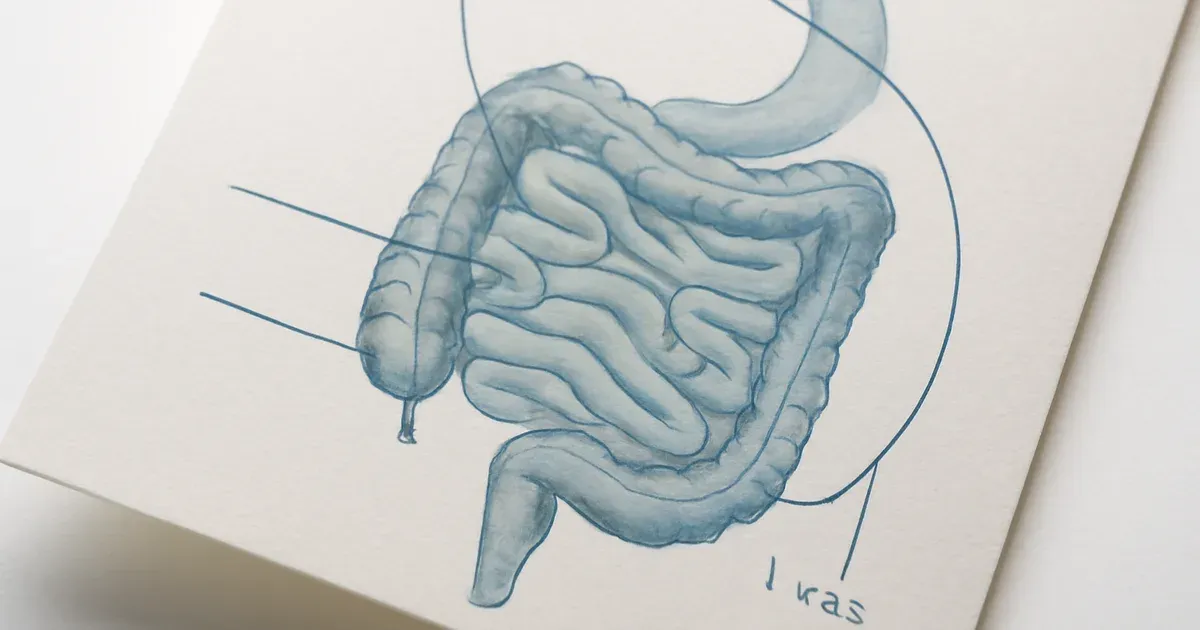
GLP-1 (glucagon-like peptide-1) is produced in your gut, primarily by specialised L-cells that line the intestinal wall. When everything works well, eating a meal triggers a cascade: L-cells release GLP-1, your brain receives a "full" signal, insulin rises appropriately, and blood sugar stays steady.
The modern diet disrupts this cascade at multiple points.
- Ultra-processed foods move through your gut too quickly, giving L-cells almost no stimulus to release GLP-1.
- Gut microbiome imbalance reduces the short-chain fatty acid production that normally primes those L-cells for action.
- Chronic oxidative stress and low-grade inflammation — driven by poor sleep, sedentary habits, and refined sugars — impair both GLP-1 secretion and the hormone's ability to bind to receptors in the brain.
- Rapid blood sugar spikes from refined carbohydrates create a feedback loop: insulin surges, blood sugar crashes, cravings spike, and the gut-brain satiety signal gets drowned out.
- Microbiome diversity loss weakens the gut-brain axis — the communication highway between your intestinal nervous system and your brain — making hunger signals louder and fullness signals quieter.
The result is a body that feels perpetually hungry, fatigued after eating, and resistant to fat metabolism — not because of willpower, but because of a broken signalling system.
Step 1: Rebuild Your Gut Microbiome Foundation
What it is and why it matters: Your microbiome isn't just a passenger in your digestive system — it's an active regulator of GLP-1 output. Research shows that specific bacterial strains, particularly those that ferment dietary fibre into butyrate and other short-chain fatty acids, directly stimulate L-cell activity in the gut wall. Without a diverse, thriving microbiome, your gut simply cannot send consistent satiety signals to the brain.
How to do it:
Start by adding one fermented food to each day — plain yoghurt, kefir, kimchi, sauerkraut, or kombucha all work well. These introduce live bacterial cultures that begin diversifying your microbiome within days.
Pair fermented foods with prebiotic fibre, which feeds beneficial bacteria and drives butyrate production. Think garlic, onion, leeks, asparagus, oats, and green banana. Aim for at least 25–30g of total fibre daily.
Reduce ultra-processed foods dramatically in week one. Even a modest reduction in emulsifiers, artificial sweeteners, and refined starches allows the gut lining to begin recovering its integrity — a prerequisite for healthy GLP-1 secretion.
Pro tip: If digestive discomfort arises when increasing fibre, go slowly — add one new food every two to three days. Bloating that subsides within a week is normal; pain that persists is not.
Step 2: Stabilise Blood Sugar to Reduce Oxidative Stress
What it is and why it matters: Every major blood sugar spike triggers a wave of oxidative stress — essentially, cellular damage caused by free radicals that overwhelm your body's antioxidant defences. This oxidative environment directly impairs GLP-1 secretion and degrades the gut-brain axis signalling that keeps appetite in check. Stabilising blood sugar is therefore not just about energy — it's about protecting the conditions your gut needs to produce GLP-1 consistently.
How to do it:
Apply the "vegetables first" sequencing method at every meal: eat fibrous vegetables before starches or proteins. Studies show this simple reordering can reduce post-meal glucose spikes by up to 30% without changing what you eat.
Avoid eating carbohydrate-heavy meals in isolation. Pairing carbohydrates with fat, fibre, or protein slows gastric emptying, giving L-cells more time to respond and produce GLP-1 in a sustained, gradual wave rather than a brief spike.
Consider a 10-minute walk after meals. Post-meal movement is one of the most evidence-backed tools for blunting glucose excursions, reducing the oxidative load on gut tissue, and improving insulin sensitivity simultaneously.
Bullets — blood sugar stability checklist:
- Eat vegetables before starches at every main meal
- Never eat refined carbs on an empty stomach
- Walk for 10 minutes after lunch and dinner
- Avoid sugary drinks between meals
- Prioritise sleep — even one poor night raises fasting glucose measurably

Step 3: Use Clinically Studied Plant Extracts to Amplify GLP-1 Output
What it is and why it matters: Diet and lifestyle lay the foundation, but targeted plant-based compounds can accelerate and deepen the results. Three ingredients in particular have been through genuine clinical trials in humans and show meaningful effects on GLP-1 signalling, glucose regulation, and body composition — without the side-effect profile of pharmaceutical GLP-1 agonists.
How to do it:
Eriomin® Eriocitrin, sourced from lemon fruit flavonoids, works by maintaining oxidative balance in gut tissue and supporting healthy gut signalling — two mechanisms directly upstream of GLP-1 release. Clinical data shows it can increase natural GLP-1 levels by up to 17.5% while also supporting insulin sensitivity. Because it works with your body's existing pathways rather than overriding them, the result is a smoother, more sustained hormonal response.
Reducose® White Mulberry Leaf Extract mimics the molecular shape of sugars and starches, temporarily occupying digestive enzymes so that up to 40% of carbohydrates may pass through the GI tract undigested. This reduces the glycaemic load of a meal, moderates the blood sugar response, and — critically — sustains the gentle, prolonged glucose curve that L-cells prefer for consistent GLP-1 output. Users often notice reduced post-meal energy crashes within the first week.
Morosil® Blood Orange Extract, grown in volcanic Sicilian soil and clinically studied in a 12-week human trial, supports healthy body composition by targeting fat metabolism pathways. Participants in the clinical study saw meaningful reductions in weight and waist and hip measurements over 12 weeks when paired with balanced diet and exercise.
A product that combines all three — such as GLP-1 Up — offers a convenient, single-formula approach that targets multiple metabolic pathways simultaneously: blood sugar moderation, natural GLP-1 production, and healthy fat metabolism, using 100% plant-based, non-GMO, third-party tested ingredients.
Pro tip: Consistency matters more than timing. Take your plant extract formula with your largest carbohydrate-containing meal for maximum blood sugar benefit, and expect the deeper GLP-1 effects to build over eight to twelve weeks of daily use.
Step 4: Strengthen the Gut-Brain Axis Through Sleep and Stress Management
What it is and why it matters: The gut-brain axis is the bidirectional communication network linking your intestinal nervous system — sometimes called the "second brain" — to your central nervous system. GLP-1 doesn't just act locally in the gut; it travels via the vagus nerve to influence hunger, mood, and cognitive function in the brain. When stress hormones are chronically elevated and sleep is inadequate, this signalling pathway degrades, making it harder for even robust GLP-1 levels to translate into real satiety.
How to do it:
Prioritise seven to nine hours of sleep per night. Sleep deprivation suppresses GLP-1 sensitivity in the brain and elevates ghrelin — the hunger hormone — creating a perfect storm of increased appetite and reduced satiety signalling.
Adopt a simple daily stress-reduction practice: five to ten minutes of diaphragmatic breathing, a short meditation, or even a slow post-dinner walk. These activate the parasympathetic nervous system, which governs the "rest and digest" state — the same state in which GLP-1 secretion is optimised.
Limit alcohol intake, which disrupts both sleep architecture and gut microbiome diversity, compromising the two pillars you built in Steps 1 and 4.

Step 5: Layer in Consistent Movement That Supports Metabolic Signalling
What it is and why it matters: Exercise is one of the few behaviours proven to upregulate GLP-1 receptor sensitivity — meaning the same amount of hormone produces a stronger signal. Resistance training in particular increases glucose transporter activity in muscle cells, reducing the demand on insulin and creating a lower-glucose metabolic environment in which GLP-1 operates more efficiently.
How to do it:
Aim for 150 minutes of moderate-intensity movement per week — this can be walking, cycling, swimming, or any activity that elevates your heart rate modestly. This threshold is associated with measurable improvements in gut microbiome diversity and insulin sensitivity within four to six weeks.
Add two resistance-training sessions per week, even if brief. Twenty minutes of bodyweight exercises — squats, lunges, push-ups — is enough to meaningfully improve glucose uptake in muscles and reduce post-meal blood sugar variability.
Avoid long unbroken periods of sitting. Research consistently shows that breaking up sedentary time every 30–60 minutes with two to three minutes of light movement has a disproportionately large effect on daily glucose regulation and gut transit time.
Bullets — movement priorities by week:
- Weeks 1–2: 10-minute post-meal walks daily
- Weeks 3–4: Add two 20-minute resistance sessions per week
- Weeks 5–8: Build toward 150 minutes of moderate cardio weekly
- Weeks 9–12: Maintain and progressively increase resistance training load
What to Expect: A Week-by-Week Timeline
The changes happen in layers, not all at once. Here's a realistic phase breakdown:
Week 1 — Fast signals: If you're using Reducose® or a formula containing it, you may notice reduced post-meal energy crashes almost immediately. The enzyme-inhibiting mechanism begins working within the first hour of your first serving, moderating blood sugar spikes by up to 40%.
Week 4 — Body composition shifts begin: Morosil® starts showing early body composition support when paired with balanced diet and movement. Eriomin® begins improving insulin sensitivity, which translates to more consistent energy between meals and fewer cravings driven by blood sugar instability.
Week 8 — Deeper metabolic support: Reducose® continues moderating glucose responses meal-to-meal. Morosil® sustains healthy fat metabolism. Eriomin® supports growing GLP-1 production and gut balance, and many users report a meaningful reduction in appetite and snacking frequency.
Week 12 — Peak results: Eriomin® reaches its documented potential to increase natural GLP-1 levels by up to 17.5%, optimising satiety, insulin activity, and energy balance. Morosil® and the broader plant-based protocol work together to support healthy body composition, healthy lipid levels, and long-term metabolic stability.
All results are most pronounced in combination with a healthy diet and regular exercise. This approach is designed to support healthy weight management, not to replace medical treatment.

Mistakes That Slow Your Progress
Skipping the gut foundation and jumping straight to supplements. Plant extracts amplify a healthy system — they can't fully compensate for a microbiome depleted by ultra-processed food. Do Step 1 in parallel with everything else.
Expecting overnight results from GLP-1 support. Unlike pharmaceutical injections that flood receptors immediately, natural GLP-1 support works through cumulative biological change. Week 12 looks dramatically different from week 2.
Eating in a way that spikes blood sugar and then hoping the supplement "cancels it out." Reducose® can reduce glycaemic impact by up to 40%, but it is not a licence to eat ultra-processed carbohydrates freely. The goal is a lower glycaemic ceiling, not an excuse to raise it.
Neglecting sleep and stress management. Many people optimise nutrition and supplementation but continue sleeping six hours and running on chronic cortisol. The gut-brain axis cannot function optimally under sustained sympathetic nervous system activation.
Being inconsistent with daily habits. The microbiome, GLP-1 receptor sensitivity, and metabolic enzyme activity all respond to consistent daily inputs. Missing three or four days each week resets much of the progress built during the days you do show up.
What Can Help You Get There Faster
Category 1 — Gut microbiome support tools: A quality prebiotic and probiotic combination accelerates microbiome recovery beyond what diet alone achieves in the first 12 weeks. Look for strains with published human trial data — Lactobacillus acidophilus and Bifidobacterium longum are among the most studied for gut-brain axis signalling specifically.
Category 2 — Blood sugar monitoring: A continuous glucose monitor (CGM) or even a basic fingerstick glucometer used for two to three weeks gives you personalised data on which foods and habits spike your blood sugar most. This removes guesswork and accelerates the dietary adjustments in Step 2.
Category 3 — Clinically studied plant-based formulas: A formula combining Eriomin®, Reducose®, and Morosil® addresses three distinct metabolic pathways — GLP-1 production, carbohydrate absorption, and fat metabolism — simultaneously. This multi-pathway approach is more efficient than targeting any single mechanism alone, and it mirrors the way pharmaceutical GLP-1 drugs work (on multiple systems at once), without the synthetic hormone load or injection-related side effects.
Summary: Your 12-Week GLP-1 Boost Plan at a Glance
✅ Step 1: Rebuild gut microbiome with fermented foods and prebiotic fibre ✅ Step 2: Stabilise blood sugar with food sequencing, pairing, and post-meal walks ✅ Step 3: Add clinically studied plant extracts (Eriomin®, Reducose®, Morosil®) ✅ Step 4: Strengthen the gut-brain axis through sleep and stress management ✅ Step 5: Layer in consistent movement — both cardio and resistance training ✅ Timeline: Fast signals in week 1, body composition shifts by week 4, peak GLP-1 support by week 12
Your gut already knows how to produce GLP-1. It just needs the right environment, the right inputs, and a little patience. Start with one step this week — even just adding a fermented food and a post-meal walk — and let the biology do the rest. You're not overriding your body. You're finally working with it.
Frequently Asked Questions
How quickly does natural GLP-1 support start working?
Some effects are nearly immediate. Reducose®, for example, begins inhibiting digestive enzymes within the first hour of the first serving, which can reduce post-meal blood sugar spikes and the energy crashes that follow. Deeper effects — including measurable increases in GLP-1 levels from Eriomin® — build progressively and are most pronounced at the 12-week mark.
Is it safe to support GLP-1 naturally if I'm on medication?
This depends entirely on your specific medication. If you are taking any drug that affects blood sugar, insulin, or digestion — including metformin, sulfonylureas, or pharmaceutical GLP-1 agonists like semaglutide — you should speak with your doctor before adding any supplement that modulates glucose metabolism. The ingredients discussed here are plant-based and generally well tolerated, but interactions are possible.
Can improving gut health really increase GLP-1 levels?
Yes — and the mechanism is well established. GLP-1 is produced by L-cells in the gut lining. The activity of those cells is directly influenced by the gut microbiome: specifically, by the short-chain fatty acids (like butyrate) produced when beneficial bacteria ferment dietary fibre. A healthier, more diverse microbiome generates more of these signals, priming L-cells for greater and more sustained GLP-1 secretion.
What is the difference between plant-based GLP-1 support and GLP-1 injections?
The core difference is mechanism. Pharmaceutical GLP-1 agonists like semaglutide introduce synthetic hormones that directly activate GLP-1 receptors at very high concentrations, overriding your body's natural feedback loops. This is why they produce strong effects quickly — but also why they can cause nausea, fatigue, and muscle loss. Plant-based approaches like Eriomin® work upstream, supporting your body's own hormone production through oxidative balance and gut signalling, resulting in a more moderate, sustainable effect with no known serious side effects.
Do I need to follow all five steps, or can I just take a supplement?
The supplement works best as an amplifier, not a standalone solution. Clinical trials for Morosil® were conducted alongside a balanced diet and exercise — and that context matters. Steps 1, 2, 4, and 5 create the metabolic environment in which plant extracts produce their most meaningful results. That said, even partial implementation — adding a targeted formula while cleaning up diet quality — is meaningfully better than doing nothing, and many people use that as their on-ramp to broader lifestyle change.