How to Boost GLP-1 Naturally in 4 Steps
Learn 4 evidence-backed steps to boost GLP-1 naturally through gut health, fibre, targeted supplements, and gut-brain axis support.

You've tried eating less and moving more. The scale barely budges. Your appetite feels unpredictable, energy crashes hit mid-afternoon, and you're left wondering if your body has simply stopped cooperating. Sound familiar?
Millions of women — especially those navigating perimenopause and menopause — are experiencing exactly this. The buzz around GLP-1 medications like Ozempic and Wegovy has made one thing clear: the hormone GLP-1 plays a huge role in appetite, blood sugar, and weight. But prescription medications aren't the right fit for everyone.
Here's the part the supplement ads don't tell you clearly: your gut is already producing GLP-1, and the right lifestyle and nutrition strategies can genuinely support that process. This guide shows you exactly how — step by step, without hype.
Why GLP-1 Levels Drop in the First Place
GLP-1 (glucagon-like peptide 1) is a hormone your gut produces after you eat. It signals your brain that you're full, slows digestion, and helps regulate blood sugar. When GLP-1 signalling works well, appetite stays manageable. When it doesn't, the "full" signal breaks down — and weight creeps up despite your best efforts.
Several factors can quietly reduce GLP-1 output or blunt its effectiveness:
- Poor gut microbiome diversity — fewer beneficial bacteria means fewer cells in the intestinal lining capable of secreting GLP-1.
- Low dietary fibre intake — fibre fermentation by gut bacteria produces short-chain fatty acids (SCFAs), which are a primary trigger for GLP-1 release.
- Hormonal shifts during perimenopause and menopause — oestrogen decline disrupts appetite regulation, gut motility, and even microbiome composition.
- Chronic stress and poor sleep — both elevate cortisol, which interferes with gut-brain signalling and suppresses GLP-1 activity.
- Ultra-processed food diets — these reduce microbial diversity and starve the bacterial strains most associated with GLP-1 secretion.
The gut-brain axis sits at the centre of this picture. GLP-1 is produced primarily in L-cells lining the intestine, and it communicates directly with the vagus nerve — the superhighway connecting your gut to your brain. A less healthy gut means a quieter gut-brain signal, which means weaker appetite control.
The good news: each of these factors is addressable. Here's how.
Step 1: Feed Your Gut Bacteria to Trigger GLP-1 Release
What and why: Your gut microbiome is the engine behind natural GLP-1 production. When beneficial bacteria like Lactobacillus and Bifidobacterium ferment dietary fibre, they produce short-chain fatty acids — particularly butyrate, propionate, and acetate. These SCFAs directly stimulate L-cells in the gut lining to release GLP-1. More diverse, well-fed bacteria equals more consistent GLP-1 signalling.
How to do it:
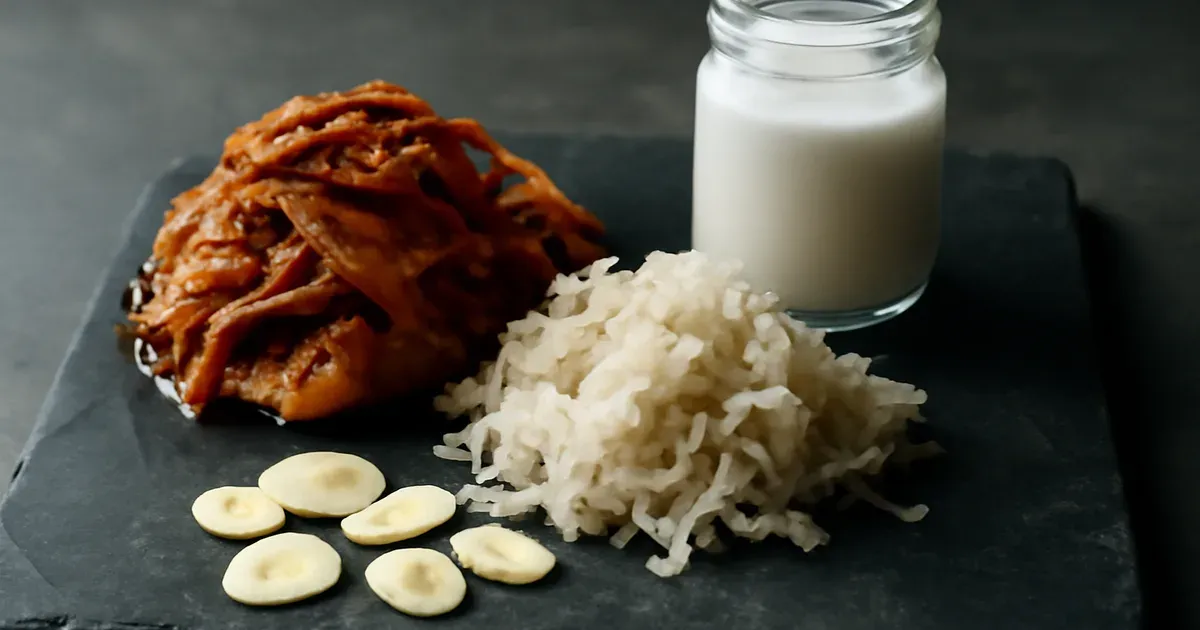
Start by increasing your intake of prebiotic-rich foods — these are the fibres your gut bacteria actually eat. Think garlic, onions, leeks, asparagus, Jerusalem artichokes, and slightly underripe bananas. Aim to add at least two of these to your daily meals.
Next, layer in fermented foods to introduce live beneficial bacteria directly: plain yoghurt, kefir, kimchi, sauerkraut, and tempeh are all solid choices. Research shows that a diet rich in fermented foods increases microbiome diversity within weeks — and diversity is directly linked to better GLP-1 output.
Finally, consider a targeted probiotic supplement. Early research identifies Lactobacillus and Bifidobacterium strains specifically as those that promote GLP-1 secretion and have been linked to modest weight loss. Look for multi-strain formulas with at least 10 billion CFUs.
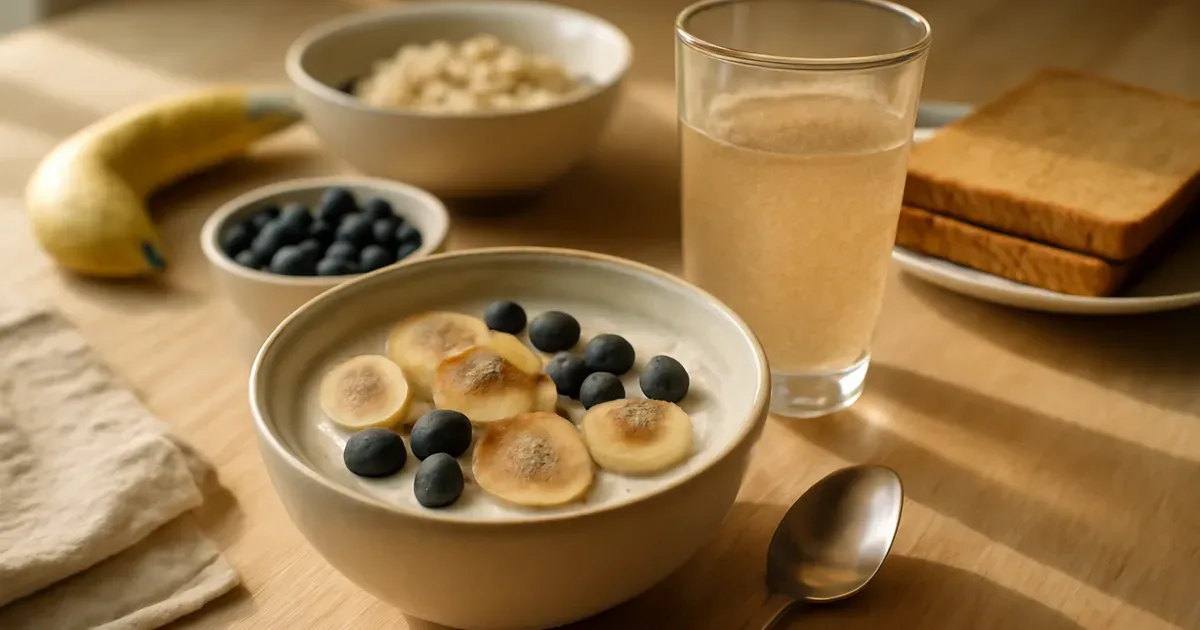
Pro tip: Pair prebiotic foods with probiotic foods in the same meal — for example, yoghurt topped with banana and flaxseed — to create a synbiotic effect that maximises bacterial activity and GLP-1 stimulation.
Step 2: Add Fibre Strategically to Slow Blood Sugar and Signal Fullness
What and why: Fibre doesn't just feed your gut bacteria — it also physically slows the digestion and absorption of carbohydrates. This slower absorption extends the window of GLP-1 release after a meal, meaning your brain receives a "still full" signal for longer. Psyllium husk is one of the best-studied examples: research and meta-analyses show that taking psyllium before meals for approximately five months produced more than four pounds of weight loss in people with overweight and obesity.
How to do it:
Add one teaspoon of psyllium husk to a glass of water 15–20 minutes before your two largest meals. Start with a smaller amount and build up gradually to avoid bloating — your gut bacteria need time to adjust. This simple habit can meaningfully change how quickly glucose enters your bloodstream, and how long you feel satisfied.
Beyond psyllium, aim for a total daily fibre intake of 25–35 grams. Practical sources include oats, lentils, chickpeas, chia seeds, flaxseed, and vegetables like broccoli and carrots. Spreading fibre across all meals — rather than front-loading it — produces a more sustained effect on both blood sugar and GLP-1.
It's worth noting that most people eating a Western diet consume only around 15 grams of fibre daily. Doubling that intake is one of the single highest-leverage changes you can make for GLP-1 gut health support — and for your microbiome overall.
Pro tip: Chia seeds expand in liquid and form a gel that behaves similarly to soluble fibre, slowing gastric emptying. Add one tablespoon to your morning routine for an easy fibre boost.
Step 3: Use Evidence-Backed Supplements to Support GLP-1 Naturally
What and why: A targeted GLP-1 supplement routine — grounded in actual research — can complement the dietary changes above. This isn't about magic pills replacing prescription medications. It's about choosing compounds with plausible mechanisms and some scientific backing, while remaining clear-eyed about the limitations of the evidence. If you're already on a GLP-1 medication, some of these supplements may help ease common side effects like nausea and nutrient gaps.
How to do it:
Berberine is the most discussed natural GLP-1 supplement. Found in goldenseal and barberry, berberine appears to influence gut bacteria composition, stimulate GLP-1-associated appetite peptides, and improve blood sugar regulation from the liver. Research reviews suggest modest weight loss — approximately 1.8 pounds — with the best results at doses above 1 gram per day taken for more than eight weeks. Results are most notable in people who are overweight. The research is limited, but the mechanism is plausible and tied directly to gut-microbiome changes.
Plant compounds with supporting evidence include:
- EGCG (green tea extract) — may enhance GLP-1 secretion and support insulin sensitivity
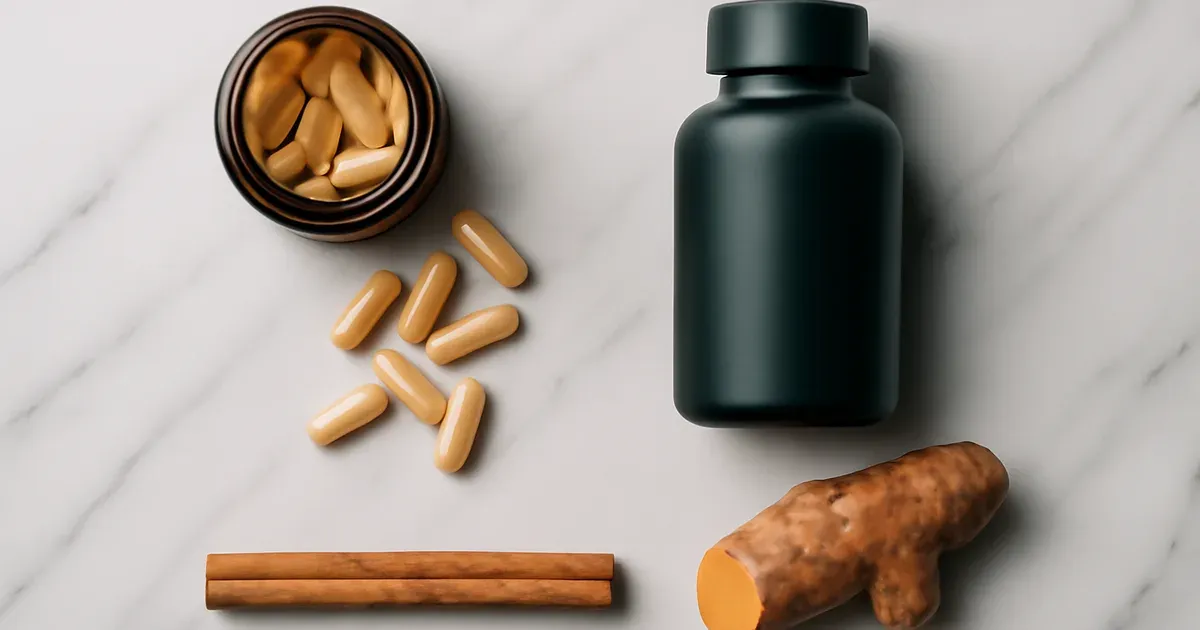
- Curcumin (turmeric) — linked to reduced gut inflammation, which may improve GLP-1 signalling
- Cinnamon — some evidence for improving blood sugar control via GLP-1 pathways
- Capsaicin — shown in small studies to increase GLP-1 levels acutely after meals
For those on prescription GLP-1 medications, a high-quality multivitamin plus magnesium and B12 supplementation can offset nutrient deficiencies that arise from eating significantly less. A ginger supplement or ginger tea may also help manage nausea — one of the most common reasons people discontinue GLP-1 therapy.
Always consult a qualified clinician before beginning any supplement protocol, particularly if you have existing health conditions or are taking other medications.
Step 4: Protect the Gut-Brain Axis With Sleep and Stress Management
What and why: GLP-1 doesn't operate in isolation — it's part of a complex gut-brain communication network mediated largely by the vagus nerve. Chronic stress and sleep deprivation are two of the most underestimated disruptors of this axis. Elevated cortisol suppresses GLP-1 activity, promotes fat storage (particularly around the abdomen), and drives cravings for high-calorie foods. Meanwhile, poor sleep reduces gut microbiome diversity within days — directly undermining the bacterial foundation of GLP-1 production.
How to do it:
Prioritise seven to nine hours of sleep per night. If perimenopause is disrupting your sleep — through night sweats or insomnia — address this directly, either through lifestyle adjustments or with clinician support. Sleep is not optional for GLP-1 gut health; it is foundational.
For stress, vagal nerve stimulation practices are particularly relevant given the gut-brain connection. Deep diaphragmatic breathing (inhale for four counts, hold for four, exhale for six) activates the vagus nerve and can shift your body from a stress state to a rest-and-digest state — literally improving gut motility and GLP-1 conditions. Aim for five minutes twice daily.
Movement also matters: moderate-intensity exercise like brisk walking or cycling has been shown to increase GLP-1 secretion both acutely and over time, while simultaneously improving gut microbiome diversity. Thirty minutes on most days is enough to make a measurable difference.
Pro tip: Time your exercise before meals when possible — some research suggests post-exercise GLP-1 levels are higher when exercise precedes eating rather than follows it.
What to Expect: A Realistic Timeline
Sustainable change through gut health and GLP-1 support is measured in weeks, not days.
- Week 1–2: Digestive changes are the first sign things are working. You may notice improved regularity, reduced bloating (after an initial adjustment period), and slightly more stable energy after meals.
- Week 3–4: Appetite regulation begins to shift. Meals may feel more satisfying. Blood sugar fluctuations — and the cravings that follow — start to ease.
- Month 2–3: Microbiome diversity increases meaningfully with consistent prebiotic and probiotic intake. GLP-1 signalling becomes more consistent. Modest weight changes (1–4 pounds) may be visible, particularly with psyllium and berberine included.
- Month 3–6: The cumulative effect of diet, targeted supplements, sleep, and stress management compounds. This is where the approach starts to feel like a sustainable lifestyle rather than a protocol.
These steps work together — not in isolation. Skipping sleep while optimising fibre intake, for example, will limit results. The gut-brain axis requires a whole-system approach.

Mistakes That Slow Your Progress
- Expecting supplement results without dietary change. Berberine and green tea extract cannot compensate for a low-fibre, ultra-processed diet. The gut bacteria simply won't be there to do the work.
- Adding too much fibre too fast. Jumping from 15 to 35 grams of fibre overnight causes bloating and discomfort that makes people quit. Increase by 5 grams per week.
- Choosing the wrong probiotic strains. Not all probiotics are equal for GLP-1 support. Strains matter — look specifically for Lactobacillus acidophilus, Lactobacillus rhamnosus, and Bifidobacterium longum.
- Ignoring sleep and stress as "soft" factors. Cortisol and poor sleep actively degrade the gut microbiome. These aren't lifestyle bonuses — they're biological requirements for this approach to work.
- Treating supplements as a prescription replacement without medical input. If you need prescription-level GLP-1 support, no supplement will provide it. A clinician can help you determine the right path.
What Can Help You Get There Faster
Targeted nutrition tools make the foundational steps significantly easier to maintain. A high-quality psyllium supplement (unflavoured, no artificial sweeteners), a multi-strain probiotic formula, and a prebiotic fibre powder you can add to smoothies or water remove the guesswork from Steps 1 and 2.
Gut-health tracking — even informally — accelerates results. Keeping a simple food-mood-hunger journal for 2–3 weeks helps you identify which meals produce the best satiety and which trigger blood sugar swings. This data lets you refine your fibre timing and food choices with real personal evidence.
Clinician-guided supplementation is the third category, and arguably the most important for women in perimenopause or menopause. A clinician trained in hormonal health can assess whether your GLP-1 challenges are primarily driven by gut factors, hormonal shifts, or both — and build a plan accordingly. Prescription GLP-1 medications, HRT, and natural GLP-1 support are not mutually exclusive; many women benefit from a combination approach.
Your Action Plan at a Glance
✅ Step 1: Add prebiotic foods and a Lactobacillus/Bifidobacterium probiotic daily to feed GLP-1-producing gut bacteria ✅ Step 2: Take psyllium husk before meals and increase total fibre to 25–35g per day ✅ Step 3: Add evidence-backed supplements — berberine, EGCG, curcumin — and address nutrient gaps if on prescription GLP-1 therapy ✅ Step 4: Protect the gut-brain axis with 7–9 hours of sleep, daily breathwork, and moderate exercise ✅ Timeline: Allow 2–3 months of consistency before evaluating full results ✅ Avoid: High-fibre jumps, wrong probiotic strains, and treating supplements as standalone solutions
Frequently Asked Questions
Can GLP-1 supplements replace prescription medications like Ozempic or Wegovy?
No — and it's important to be clear about this. Prescription GLP-1 receptor agonists deliver a pharmacological dose of GLP-1 activity that natural supplements cannot replicate. Supplements like berberine or psyllium can support your body's own GLP-1 production at the margins, but they work through indirect pathways and produce modest effects. If a clinician has determined that prescription GLP-1 therapy is appropriate for you, supplements are best used to complement — not replace — that treatment.
How does gut health affect GLP-1 levels?
Your gut microbiome directly controls a significant portion of GLP-1 output. Specific bacterial strains — particularly Lactobacillus and Bifidobacterium — stimulate L-cells in the intestinal lining to secrete GLP-1. These bacteria do their best work when fed adequate dietary fibre, which they ferment into short-chain fatty acids that act as the trigger. A less diverse or imbalanced microbiome produces less of this trigger, weakening your body's natural appetite-regulation signal.
How long does it take for dietary changes to improve GLP-1 signalling?
Microbiome changes can begin within days of dietary shifts, but meaningful improvements in GLP-1-related outcomes — better satiety, more stable blood sugar, modest weight changes — typically emerge over 6–12 weeks of consistent dietary change and supplementation. The timeline varies based on your starting microbiome composition, stress levels, sleep quality, and whether hormonal factors (like perimenopause) are also in play.
Is berberine safe to take long-term?
Berberine is generally well-tolerated in research studies at doses above 1 gram per day for periods of 8 weeks or more. However, it can interact with certain medications — including metformin and blood thinners — and the long-term safety data in humans remains limited. Always discuss berberine with a healthcare professional before starting, especially if you have any existing health conditions or take prescription medications.
What is the gut-brain axis and why does it matter for weight management?
The gut-brain axis is the two-way communication network between your digestive system and your brain, mediated primarily by the vagus nerve and a range of gut-produced hormones — including GLP-1. When this axis functions well, your brain receives accurate signals about hunger, fullness, and energy status. When it's disrupted — by poor microbiome health, chronic stress, or sleep deprivation — appetite regulation breaks down. Supporting the gut-brain axis through microbiome nutrition, stress management, and sleep is foundational to any natural weight management strategy.