How to Boost GLP-1 Naturally (Without Injections)
Learn how to boost GLP-1 naturally through gut microbiome nutrition, diet, exercise and sleep — no injections needed.

You have tried everything. The calorie counting, the meal plans, the early-morning workouts — and the scale still refuses to budge. If you also live with Type 2 diabetes, the frustration compounds: your blood sugar swings, your energy crashes, and the advice to "just eat less and move more" starts to feel like a cruel joke.
Medications like Ozempic and Wegovy have given many people a genuine lifeline, but injections aren't for everyone. Side effects, cost, and access keep millions searching for alternatives. The good news? Your body already makes the hormone these drugs mimic — glucagon-like peptide-1, or GLP-1 — and targeted lifestyle changes can push your natural levels meaningfully higher.
This guide walks you through exactly how to do that, step by step, using the latest science on diet, exercise, sleep, and — critically — your gut microbiome.
Why Weight and Blood Sugar Control Slips in the First Place
GLP-1 production is more fragile than most people realise. The hormone is secreted by specialised L-cells lining your small intestine and colon. When those cells receive the right signals — the right nutrients, the right gut bacteria, the right nerve inputs — they release GLP-1 in healthy amounts. When those signals are disrupted, output drops.
Several interconnected factors blunt natural GLP-1 production:
- Poor gut microbiome diversity. Research consistently links low microbial diversity to reduced L-cell stimulation. Beneficial bacteria ferment dietary fibre into short-chain fatty acids (SCFAs), which are among the strongest known triggers for GLP-1 release. A depleted microbiome means fewer SCFAs and less hormone.
- Ultra-processed diets. Highly refined foods pass through the digestive tract quickly, giving L-cells minimal time to sense nutrients and respond. They also erode gut-lining integrity, weakening the gut-brain axis signals that regulate appetite and insulin.
- Chronic sleep deprivation. Poor sleep disrupts the circadian rhythm of hormone secretion, delaying the peak surge of GLP-1 that normally follows meals.
- Sedentary behaviour. Physical inactivity reduces the metabolic demand that moderate- and high-intensity exercise uses to stimulate GLP-1 release.
- Chronic stress. Elevated cortisol alters gut motility and microbiome composition, indirectly suppressing GLP-1 output.
Address these root causes together, and you create the internal environment your L-cells need to do their job.

Step 1: Rebuild Your Gut Microbiome With Fibre and Fermented Foods
The fastest lever you can pull to boost GLP-1 naturally is feeding the right gut bacteria. L-cells in your gut wall don't respond only to the macronutrients you eat — they respond to the metabolic products that your microbiome generates from those nutrients. Specifically, SCFAs like butyrate, propionate, and acetate bind to receptors on L-cells and trigger GLP-1 secretion. No fibre, no SCFAs, no signal.
Aim for at least 30 different plant foods per week. This diversity benchmark, supported by large microbiome studies, correlates strongly with higher bacterial richness. Whole grains (oats, barley, rye), legumes (lentils, chickpeas, black beans), fruits, vegetables, nuts, and seeds all feed different microbial species. Variety is more important than volume.
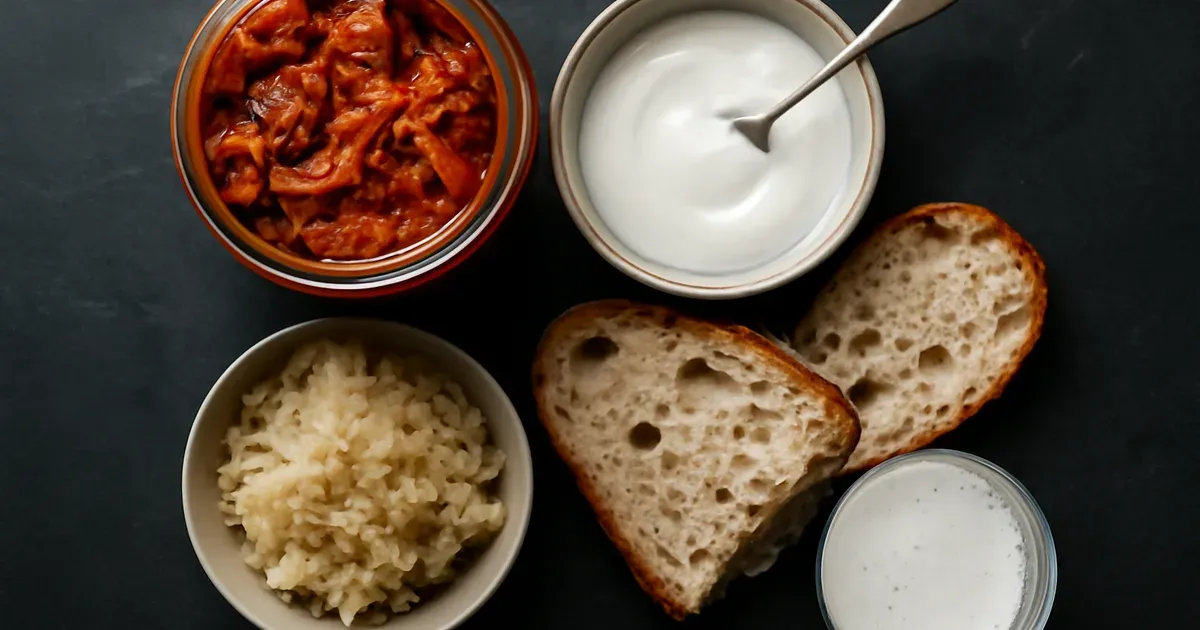
Add fermented foods daily. Yoghurt, kefir, kimchi, sauerkraut, and miso introduce live beneficial bacteria that compete against inflammatory strains. A 2021 Stanford trial found that a high-fermented-food diet increased microbiome diversity and reduced inflammatory markers within ten weeks — conditions directly linked to better GLP-1 signalling through the gut-brain axis.
Pro tip: Combine a prebiotic (fibre that feeds bacteria) with a probiotic (live bacteria) at the same meal — for example, sauerkraut alongside a lentil soup — to give newly introduced bacteria their preferred fuel immediately.
Step 2: Choose Fats and Proteins That Signal L-Cells Directly
Not all macronutrients stimulate GLP-1 equally. Fat and protein are the two strongest direct triggers for L-cell secretion because they take longer to digest and spend more time in contact with the gut wall. Carbohydrates — especially refined ones — move through too quickly to generate a sustained hormonal response.
Prioritise omega-3 fatty acids and monounsaturated fats. Fatty fish such as salmon, mackerel, and sardines, along with olive oil, avocados, walnuts, and chia or flaxseeds, have been shown to increase GLP-1 release and slow gastric emptying. A slower-emptying stomach means you stay full longer and blood glucose rises more gradually after meals — exactly what GLP-1 medication mimics pharmacologically.
Make protein a non-negotiable at every meal. Lean meats, eggs, Greek yoghurt, beans, chicken, and fish all stimulate GLP-1 and simultaneously trigger other satiety hormones like PYY and CCK. Together, these hormones send a powerful "stop eating" message along the gut-brain axis to the hypothalamus. Aim for 25–35 g of protein per meal to maximise this effect.
Three spices worth adding to your plate: Tea (particularly green tea), cinnamon, and curcumin (the active compound in turmeric) have each shown preliminary evidence of enhancing GLP-1 release and improving insulin sensitivity. They are low-cost, zero-risk additions to any meal plan.
Step 3: Change How You Eat, Not Just What You Eat
The mechanics of eating matter as much as the menu. Dr. Yvette-Marie Pellegrino, a board-certified obesity medicine specialist, puts it plainly: "For the biggest bang for your buck, take small bites, eat slowly and regularly throughout the day, and avoid eating at least two hours before going to bed. These little steps seem to help with GLP-1 production and lead to improved weight loss and blood sugar control."
Slow eating gives L-cells more time to detect nutrients. Because GLP-1 is released in waves as food travels down the gut, a meal eaten over 20 minutes generates a longer, more sustained hormone response than the same meal eaten in five. Put your fork down between bites. Chew thoroughly. The gut-brain axis signal that registers fullness takes roughly 15–20 minutes to reach your hypothalamus — eating quickly guarantees you overshoot your actual needs before that signal arrives.
Time your meals strategically. Eating at regular intervals prevents the deep hunger that triggers overeating. Skipping meals is counterproductive: prolonged fasting can blunt GLP-1 sensitivity in the short term and destabilise gut microbiome rhythms that are tied to your circadian clock. The two-hour pre-sleep eating cutoff also matters — late eating disrupts the nocturnal repair phase of the gut lining, which is critical for healthy L-cell function.

Step 4: Exercise at the Right Intensity
Movement is one of the most underrated GLP-1 boosters available. The American Diabetes Association recognises regular exercise as a cornerstone of blood sugar management, and emerging evidence shows it directly elevates circulating GLP-1 levels — but intensity matters more than duration.
Moderate- and high-intensity exercise appear to drive GLP-1 release, while light activity such as gentle walking shows less consistent effects. Moderate intensity means you can speak in short sentences but not sing — think brisk walking, cycling, swimming, or dancing. High intensity includes interval training or circuit work. Aim for a minimum of 150 minutes of moderate-intensity exercise per week, spread across at least four days.
Resistance training deserves equal attention. Lifting weights or using resistance bands builds muscle, which improves insulin sensitivity independently of GLP-1. More metabolically active muscle tissue means glucose is cleared from your bloodstream more efficiently after every meal. Two sessions per week targeting all major muscle groups is a practical starting point.
The gut-brain-exercise connection: Exercise increases gut motility and alters microbiome composition in favour of SCFA-producing species — creating a virtuous cycle where movement feeds better bacteria, which in turn produce more GLP-1 triggers. Even a 20-minute brisk walk after dinner can meaningfully reduce post-meal blood glucose and stimulate the gut-brain axis.
Step 5: Prioritise Sleep as a Hormonal Reset
Sleep is not a passive state — it is when your body recalibrates its entire hormonal system, including GLP-1. Dr. Pellegrino is direct on the point: "Being sleep deprived can delay peak GLP-1 levels. Getting enough high-quality sleep should boost your hormone production and help you gain better control over your weight."
Adults need seven to nine hours per night. Falling short — even by 90 minutes — measurably raises ghrelin (the hunger hormone), lowers leptin (the fullness hormone), and disrupts the timing of GLP-1 peaks that normally follow meals. Over time, this hormonal dysregulation drives overeating and accelerates insulin resistance.
Your gut microbiome also follows a circadian rhythm. Many bacterial species cycle through active and dormant phases aligned with your sleep-wake pattern. Irregular sleep schedules — common in shift workers and frequent travellers — reduce microbial diversity and SCFA output, indirectly suppressing the gut signals that trigger GLP-1 release.
Three practical sleep upgrades:
- Set a consistent bedtime and wake time, even on weekends
- Avoid screens for at least 30 minutes before bed (blue light suppresses melatonin and disrupts gut-brain signalling)
- Keep your final meal at least two hours before sleep to allow gastric emptying and protect overnight gut-lining repair

What to Expect: A Phase-by-Phase Timeline
Phase 1 — Weeks 1–2: Gut Recalibration You may notice bloating or mild digestive changes as your microbiome adjusts to higher fibre and fermented foods. This is normal and typically settles within two weeks. Blood sugar variability may begin to smooth out.
Phase 2 — Weeks 3–6: Appetite Shifts Increased GLP-1 activity starts to register as reduced hunger between meals and a stronger sense of fullness after eating. Cravings for ultra-processed foods often diminish as gut bacteria diversity improves and the gut-brain axis recalibrates.
Phase 3 — Weeks 7–12: Metabolic Momentum Weight loss, if consistent with a modest calorie deficit, typically averages 0.5–1 kg per week during this phase. Sleep quality improvements compound the hormonal benefits. Many people report more stable energy throughout the day.
Phase 4 — Month 3 and Beyond: Sustainable Baseline The lifestyle habits become self-reinforcing. A diverse microbiome sustains SCFA production. Regular exercise maintains metabolic rate and GLP-1 sensitivity. Sleep quality supports hormonal balance night after night.
Mistakes That Slow Your Progress
- Jumping to high fibre too fast. Doubling fibre intake overnight overwhelms gut bacteria and causes bloating, gas, and discomfort. Increase intake by 5 g per week to allow your microbiome to adapt.
- Ignoring protein at breakfast. Starting the day with refined carbohydrates (toast, cereal, pastries) produces a rapid glucose spike and crash with minimal GLP-1 stimulation. A protein-rich breakfast anchors your hunger hormones for the entire day.
- Treating all exercise as equal. Assuming a gentle stroll counts as your daily quota misses the intensity threshold needed for meaningful GLP-1 elevation. Include at least two moderate-intensity sessions per week.
- Sleeping inconsistently. Catching up on sleep at weekends doesn't undo weekday deficits. Chronically variable sleep patterns disrupt gut circadian rhythms and blunt hormonal recovery.
- Neglecting fermented foods. Focusing only on prebiotic fibre without also introducing live bacteria slows microbiome diversification. Both elements work synergistically.
- Expecting natural GLP-1 to match medication. As Dr. Pellegrino notes, natural increases offer real benefits but improve weight and diabetes management "by a small amount." If lifestyle changes are insufficient, that is a medical conversation to have — not a personal failure.
What Can Help You Get There Faster
Tracking tools. A continuous glucose monitor (CGM), even used temporarily, reveals exactly how specific foods, meal timing, and exercise affect your blood sugar and gives you real-time feedback on whether your GLP-1-supporting habits are working. Food logging apps that count both protein grams and fibre grams remove guesswork.
Targeted supplements. Psyllium husk (a soluble fibre) and inulin (a prebiotic) reliably increase SCFA production when diet alone falls short. High-quality multi-strain probiotic supplements can accelerate microbiome diversification, particularly after antibiotic use. Green tea extract and berberine have both shown GLP-1-enhancing properties in early clinical research, though neither replaces whole-food sources.
Professional support. A registered dietitian with experience in gut health or metabolic medicine can personalise fibre and protein targets to your specific microbiome needs and health history. An obesity medicine specialist — like those at Beaufort Memorial — can assess when lifestyle optimisation alone is sufficient and when additional medical options are warranted.
Your GLP-1 Action Plan at a Glance
✅ Eat 30+ different plant foods per week to diversify your gut microbiome ✅ Add a fermented food (yoghurt, kefir, kimchi) daily ✅ Include omega-3 fats and monounsaturated fats at most meals ✅ Hit 25–35 g of protein per meal to trigger GLP-1 and satiety hormones ✅ Eat slowly, take small bites, and stop eating 2 hours before bed ✅ Exercise at moderate-to-high intensity for at least 150 minutes per week ✅ Sleep 7–9 hours at consistent times to protect hormonal and microbiome rhythms ✅ Track progress with a food log or CGM to identify what works best for you
Boosting GLP-1 naturally is not a shortcut — it is a complete recalibration of the internal conditions your body needs to regulate weight and blood sugar effectively. The gut microbiome sits at the centre of that system, connecting what you eat, how you move, and how well you sleep into a single hormonal feedback loop. Small, consistent changes compound quickly.
If you find that natural strategies move the needle but not far enough, that is important information — not defeat. Speak with your primary care provider about whether GLP-1 medication, in combination with these lifestyle foundations, could be the right next step for your specific situation.
Frequently Asked Questions
How long does it take to boost GLP-1 naturally?
Most people begin to notice appetite changes within three to six weeks of consistently improving fibre intake, protein quality, and sleep. Measurable shifts in microbiome composition — which underpin sustained GLP-1 production — typically take six to twelve weeks of dietary change to establish.
Can you get the same results from natural GLP-1 as from Ozempic or Wegovy?
No — the scale of effect is different. GLP-1 medications deliver pharmacological doses of the hormone that far exceed what lifestyle changes produce naturally. However, natural strategies can meaningfully improve weight management and blood sugar control, reduce medication dependence over time, and enhance the effectiveness of GLP-1 drugs when used together.
Which foods have the biggest impact on GLP-1 levels?
High-fibre legumes, fatty fish, fermented dairy, and whole grains consistently rank highest in stimulating GLP-1 release. They work through two complementary pathways: directly activating L-cells via nutrient sensing, and indirectly through microbiome fermentation of fibre into SCFAs.
Does the gut microbiome really affect GLP-1 production?
Yes — substantially. L-cells that secrete GLP-1 are densely concentrated in the colon, where microbial activity is highest. Short-chain fatty acids produced by fibre-fermenting bacteria are among the most potent known stimulators of GLP-1 secretion. A depleted or imbalanced microbiome directly reduces this signalling pathway.
Is it safe to try to boost GLP-1 naturally if you have Type 2 diabetes?
For most people, yes — the strategies outlined here align with standard diabetes lifestyle guidelines. However, if you are on insulin or blood sugar-lowering medication, increasing fibre, protein, and exercise can lower glucose levels enough to require medication adjustments. Always consult your healthcare provider before making significant dietary or exercise changes.