How You Poop Matters: New Guidelines Explained
New AGA guidelines reveal why most people strain unnecessarily on the toilet and offer two simple fixes for better gut health and haemorrhoid prevention.

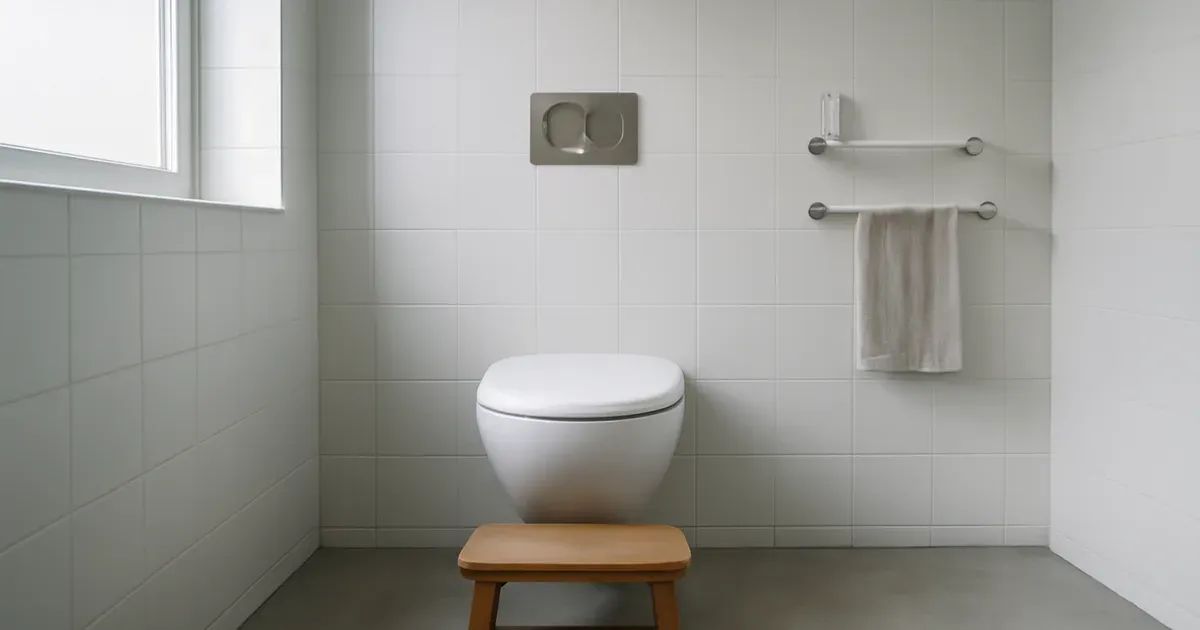
The American Gastroenterological Association (AGA) released updated guidelines on 27 April 2026 identifying key reasons why most people have poor bowel habits — and recommending two straightforward fixes. The guidance, reported by Bored Panda on 7 May 2026, is directly relevant to gut health UK audiences, particularly given that haemorrhoids affect roughly 50% of adults over the age of 50, a figure that mirrors trends seen in the UK population.
Why This Matters for Bowel and Gut Health
Bowel health sits at the very heart of gut health. In the UK, digestive conditions — from constipation to irritable bowel syndrome — place significant pressure on NHS services each year. The gut microbiome, the vast community of bacteria and other microorganisms living in the digestive tract, is now understood by researchers to influence bowel movement regularity, stool consistency, and the risk of conditions such as haemorrhoids. Poor bowel habits can disrupt this microbial balance, creating a cycle that affects both digestive and broader wellbeing, according to growing UK microbiome research.
What the New AGA Guidelines Found
Per the AGA update, two primary factors contribute to incorrect or harmful bowel habits: spending excessive time on the toilet and straining during defecation. A cross-sectional study published on PubMed found a significant correlation between smartphone use on the toilet — which prolongs sitting time — and the prevalence of haemorrhoids. The AGA's two recommended fixes centre on reducing toilet sitting time and adopting a more natural squatting-adjacent posture, such as using a footstool to raise the feet, which better aligns the anorectal angle, according to the guidelines.
What This Means for UK Adults
For health-conscious adults looking to improve gut health naturally, the practical takeaways are accessible and low-cost. Limiting toilet time, avoiding scrolling on a smartphone during bathroom visits, and using a small footstool to replicate a squatting posture are all steps that can be adopted immediately. These habits support not only haemorrhoid prevention but also healthier gut motility — a factor closely tied to a balanced gut microbiome and, emerging research suggests, the gut-brain connection.
The updated AGA guidance is a timely reminder that gut health is shaped by everyday habits as much as by diet or supplementation. For UK adults, integrating these two simple changes — shorter toilet sessions and an improved seated posture — could meaningfully reduce the risk of a condition that affects millions, while also supporting the broader microbiome environment that underpins digestive and mental wellbeing.
You might also like
- How to Improve Gut Health Naturally in 6 Steps
- How to Improve Gut Health Naturally in 6 Steps
- Code of Cultures Launches 'Recode Your Culture' Gut Health Campaign
96 Bacterial Strains. Two Shots a Day.
GOODIE is an award-winning fermented drink with 96 live bacterial strains — more than any yogurt or kombucha — never pasteurised, clinically tested, and 8 in 10 users felt less bloating within 14 days. Curious?