How to Improve Gut Health Naturally in 6 Steps
Six evidence-based steps to improve gut health naturally in the UK — from fibre-first eating to managing the gut-brain connection and protecting your immune sys


You've tried the kombucha. You've bought the probiotic capsules. You've cut out sugar for a fortnight, only to find yourself exactly where you started — bloated, tired, and wondering why your digestion still feels like it's working against you. You're not alone. Millions of people in the UK are searching for answers, and the frustrating truth is that most quick fixes miss the root of the problem entirely.
The good news? Science has caught up. Researchers at King's College London, the University of Reading, and beyond have spent years mapping the gut microbiome — and what they've found changes everything. Your gut isn't just about digestion. It houses 70–80% of your immune cells, influences your mood via the gut-brain connection, and acts as a frontline defence against infections. Learning how to improve gut health naturally, in a sustainable way, is one of the most powerful things you can do for your overall wellbeing.
This guide gives you six evidence-based steps — grounded in the latest microbiome UK research — to start making a real difference today.
Why Poor Gut Health Happens in the First Place
Your gut microbiome is not a fixed entity. It is a dynamic, living ecosystem of bacteria, fungi, and viruses that responds — sometimes within hours — to everything you eat, drink, and experience. Factors including genetics, age, stress, environmental pollutants, and diet all shape the composition of this community. When the balance tips, a state called dysbiosis sets in: the beneficial microbes are outnumbered, and opportunistic pathogens gain ground.
Several modern lifestyle patterns actively destabilise the microbiome:
- Antibiotic overuse — while essential when needed, antibiotics disrupt the microbial community and can open the door to opportunistic pathogens by reducing colonisation resistance.
- Ultra-processed diets — the British diet, high in refined carbohydrates and low in dietary fibre, starves beneficial bacteria of the fuel they need to thrive.
- Chronic stress — the gut-brain connection runs in both directions; prolonged psychological stress alters gut motility and microbial composition.
- Sedentary behaviour — emerging research links physical inactivity to reduced microbial diversity.
- Disrupted sleep — the circadian rhythm governs gut function; irregular sleep patterns measurably alter microbiome composition.
The consequence is not just digestive discomfort. A disrupted gut epithelial barrier — the single-cell-thick lining that separates your gut contents from your bloodstream — allows inflammatory signals to leak through. This "leaky gut" phenomenon is linked to systemic inflammation, impaired immune responses, and, according to research cited by the British Gut Project, heightened susceptibility to infections across the life course.

Step 1: Rebuild Your Microbiome With Fibre-First Eating
What and why: Dietary fibre is the single most important nutritional lever for gut health in the UK context. Beneficial gut bacteria ferment fibre into short-chain fatty acids (SCFAs) — particularly butyrate — which nourish the gut lining, reduce inflammation, and support immune regulation. The UK Eatwell Guide recommends 30g of fibre daily; most British adults consume fewer than 20g.
How to do it:
- Base your meals on wholegrains — oats, wholemeal bread, brown rice, and barley are all excellent sources aligned with NHS gut health guidance.
- Aim for at least five portions of vegetables and fruit daily, prioritising diversity over repetition. The British Gut Project found that people who eat 30 or more different plant species per week have significantly more diverse microbiomes.
- Introduce legumes gradually — lentils, chickpeas, and butter beans are fibre powerhouses that also feed Bifidobacteria and Lactobacillus species.
- Add nuts and seeds: a tablespoon of ground flaxseed or a small handful of almonds counts towards your diversity score.
Pro tip: If you're increasing fibre from a low baseline, do it slowly over two to three weeks to allow your microbiome time to adapt and minimise bloating.
Step 2: Introduce Fermented Foods Into Your Daily Routine
What and why: Fermented foods deliver live cultures of beneficial bacteria directly to the gut. Unlike many commercially sold probiotic supplements, fermented foods contain a matrix of bioactive compounds — organic acids, peptides, and vitamins — that support microbial colonisation. Research from King's College London's PREDICT studies suggests that fermented food consumption is associated with increased microbial diversity.
How to do it:
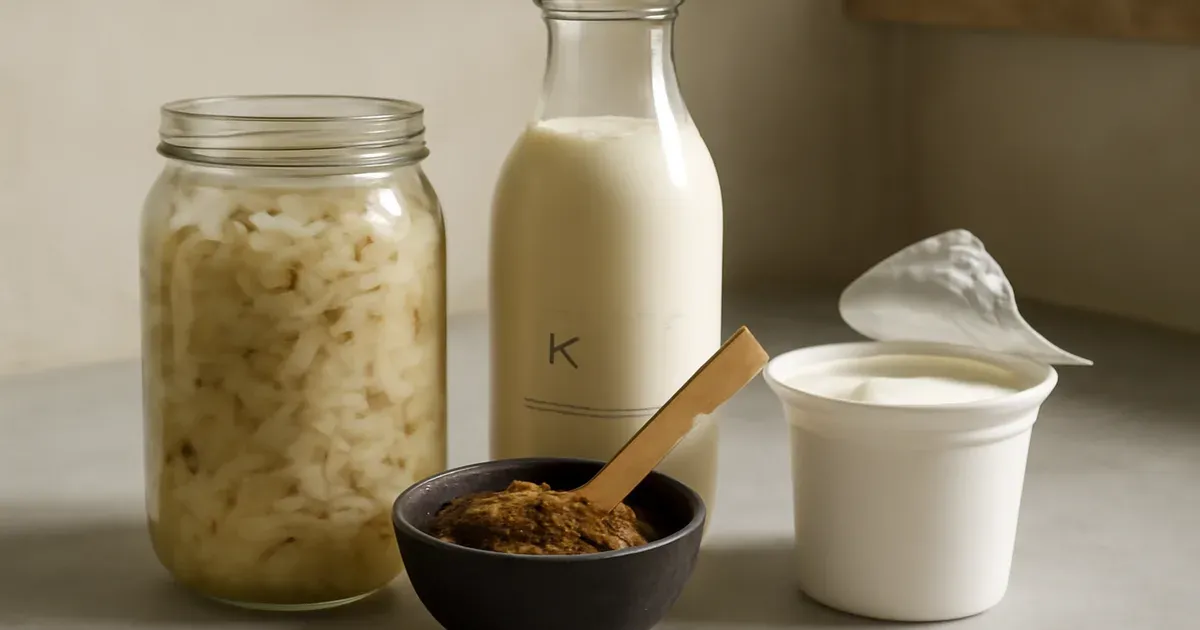
- Start with plain, live-culture yoghurt — look for labels confirming "live and active cultures" and avoid versions loaded with added sugar.
- Add kefir to smoothies or porridge. Kefir contains a broader range of bacterial strains than most yoghurts.
- Try incorporating sauerkraut or kimchi as a condiment — a tablespoon alongside a meal is enough to make a contribution.
- Miso soup (unpasteurised) is a useful option for those avoiding dairy.
Important note: If you are immunocompromised or recovering from illness, consult your GP before significantly increasing fermented food intake. NHS gut health guidance advises individual consideration for certain patient groups.
Step 3: Protect and Strengthen Your Gut Epithelial Barrier
What and why: The gut epithelial barrier is a single-cell monolayer held together by tight-junction protein complexes. It acts as the boundary between your gut microbiota and your body's tissues. When this barrier is compromised — by stress, dysbiosis, or certain dietary components — it permits bacterial toxins and inflammatory molecules to pass into systemic circulation, fuelling whole-body inflammation and impairing immunity.
How to do it:
- Prioritise zinc-rich foods — oysters, pumpkin seeds, and red meat (in moderation) support tight-junction integrity. The British Nutrition Foundation notes zinc deficiency is more common in the UK than often recognised, particularly among older adults.
- Eat prebiotic-rich foods — garlic, onions, leeks, asparagus, and Jerusalem artichokes feed the bacteria that produce butyrate, the primary fuel for epithelial cells.
- Reduce ultra-processed food intake — emulsifiers commonly found in processed foods have been shown in multiple studies to disrupt the mucus layer lining the epithelial barrier.
- Stay well hydrated — adequate fluid intake supports mucus production, which forms a critical physical defence against pathogen invasion.
The gut-brain connection matters here too. Chronic psychological stress signals the gut via the vagus nerve, directly increasing intestinal permeability. Managing stress is not a lifestyle luxury — it is a structural requirement for gut barrier health.
Step 4: Rethink Antibiotics and Gut-Disrupting Medications
What and why: Antibiotics are one of the most significant disruptors of the gut microbiome UK clinicians encounter. A single course can reduce microbial diversity for months, reducing colonisation resistance — the ability of your commensal bacteria to outcompete pathogens for resources. This creates windows of vulnerability to opportunistic infections and can shift the balance towards low-grade gut inflammation.
How to do it:
- Only take antibiotics when prescribed — the NHS antibiotic stewardship campaign exists precisely because unnecessary antibiotic use has long-term consequences for gut health and broader antimicrobial resistance.
- If you must take antibiotics, take a probiotic supplement simultaneously (two hours apart from the antibiotic dose) and continue for at least four weeks afterwards. The British Dietetic Association (BDA) supports the use of probiotics during antibiotic therapy to reduce antibiotic-associated diarrhoea.
- After a course, actively rebuild microbial diversity using the fibre-first and fermented food strategies outlined in Steps 1 and 2.
- Review other medications with your GP. Non-steroidal anti-inflammatory drugs (NSAIDs) and proton pump inhibitors (PPIs) are also associated with altered microbiome composition.

Step 5: Leverage the Gut-Brain Connection to Reduce Stress
What and why: The gut-brain axis is a bidirectional communication network linking the central nervous system and the enteric nervous system — the "second brain" embedded in your gut wall. This connection runs via the vagus nerve, the immune system, and the metabolites produced by gut bacteria. In the UK, where anxiety and stress-related conditions affect millions, the gut-brain connection is an underappreciated driver of microbiome disruption and immune dysregulation.
How to do it:
- Practise diaphragmatic breathing for five minutes before meals. This activates the parasympathetic nervous system — the "rest and digest" state — optimising gut motility and reducing cortisol-driven inflammation.
- Regular moderate exercise — NHS guidelines recommend 150 minutes of moderate activity per week — has a documented positive effect on microbial diversity and SCFA production.
- Mindfulness-based stress reduction (MBSR) programmes, available through some NHS Talking Therapies services, have been shown in clinical studies to measurably reduce gut permeability markers.
- Prioritise sleep hygiene. The gut microbiome follows a circadian rhythm; disrupted sleep — even one night — alters microbial composition and increases inflammatory markers.
Research from University College London (UCL) and the MRC continues to explore how psychobiotic strains — specific bacteria that influence mood and stress responses — may become a future therapeutic tool for the gut-brain connection.
Step 6: Build Long-Term Resilience Through Nutritional Consistency
What and why: Microbiome UK research — including large-scale work from the UK Biobank and studies supported by the Wellcome Trust — consistently shows that long-term dietary patterns matter far more than short-term interventions. The microbiome is responsive and adaptable, but lasting compositional change requires consistent nutritional input over weeks and months, not days.
How to do it:
- Follow the principles of a Mediterranean-style diet, which aligns closely with NHS gut health recommendations: abundant vegetables, legumes, wholegrains, olive oil, oily fish (for omega-3s that reduce gut inflammation), and moderate dairy.
- Limit added sugars and ultra-processed foods. The British diet gut health problem is, in significant part, a fibre-deficit-plus-ultra-processing problem. UK adults consume roughly 57% of their calories from ultra-processed foods — a figure that correlates inversely with microbiome diversity.
- Think in seasons. Rotating your fruit and vegetable choices seasonally — as advocated by the British Nutrition Foundation — naturally increases dietary diversity and microbiome richness.
- Hydrate consistently. Water supports mucus layer integrity, bile acid flow, and the motility that keeps your gut environment healthy.
A comprehensive review published in PMC highlights that the interaction between nutrition, the gut microbiome, and the immune system is now recognised as central to infectious disease prevention and treatment — making long-term dietary consistency a genuine public health strategy, not just a personal wellness choice.

What to Expect: Your Gut Health Timeline
Week 1–2: You may notice increased bloating as your microbiome adjusts to higher fibre intake. This is normal and typically subsides. Energy levels and stool consistency may begin to improve.
Week 3–4: Microbial diversity begins to measurably shift with consistent dietary changes. Many people report improved digestion, reduced bloating, and better mood — an early signal of the gut-brain connection responding.
Month 2–3: Epithelial barrier integrity improves with sustained prebiotic and anti-inflammatory nutrition. Systemic markers of low-grade inflammation — such as C-reactive protein (CRP) — may begin to fall.
Month 3–6: Sustained microbiome changes become more stable. Immune resilience improves, with some research suggesting reduced frequency of common infections such as upper respiratory tract infections — a significant public health concern in the UK, particularly among older adults.
Beyond 6 months: The benefits compound. A diverse, resilient microbiome becomes self-reinforcing, provided dietary consistency is maintained.
Mistakes That Slow Your Progress
- Relying solely on supplements. Probiotic capsules without prebiotic dietary fibre to sustain the bacteria are far less effective. Food first, supplements second.
- Dramatic overnight dietary overhauls. Sudden massive increases in fibre can cause significant discomfort and make people give up. Gradual progression is more effective and more sustainable.
- Ignoring stress. Addressing diet while living in chronic stress is like filling a bucket with a hole in it. The gut-brain connection means psychological wellbeing is a gut health intervention.
- Expecting linear progress. The microbiome is dynamic. Travel, illness, or a stressful period will temporarily shift your composition. This is normal — consistency over time is what matters.
- Treating gut health as a short-term project. The microbiome UK research is unambiguous: lasting change requires lasting habits, not a two-week protocol.
What Can Help You Get There Faster
Dietary tools: A high-quality food-tracking app (such as those aligned with the UK Eatwell Guide) can help you monitor fibre intake, plant diversity, and hydration in real time — closing the awareness gap that prevents most people from hitting their targets.
Testing and personalisation: Consumer microbiome testing kits — including those associated with the British Gut Project at King's College London — can provide a baseline snapshot of your microbial composition and help you track progress over time. While not diagnostic, they offer a useful motivational framework.
Professional guidance: A registered dietitian (RD) accredited by the British Dietetic Association can provide a personalised gut health protocol, particularly useful if you have IBS, IBD, or a history of recurrent infections. NHS referral pathways exist in many areas; self-referral to private BDA-registered dietitians is also straightforward.
Your 6-Step Gut Health Action Plan: Quick Recap
- ✅ Step 1: Eat 30g of fibre daily — aim for 30 different plant species per week
- ✅ Step 2: Add fermented foods daily — yoghurt, kefir, sauerkraut, or miso
- ✅ Step 3: Protect your gut epithelial barrier — prebiotic foods, zinc, hydration, reduce ultra-processed food
- ✅ Step 4: Use antibiotics responsibly and support recovery with probiotics and fibre
- ✅ Step 5: Address the gut-brain connection — manage stress, prioritise sleep, exercise regularly
- ✅ Step 6: Build long-term nutritional consistency — Mediterranean-style diet, seasonal variety
Frequently Asked Questions
How long does it take to improve gut health naturally in the UK?
Most people notice early changes — improved digestion, less bloating — within two to four weeks of consistently increasing dietary fibre and fermented food intake. More meaningful shifts in microbial diversity typically occur over two to three months. Long-term resilience — including measurable immune benefits — develops over six months or more of sustained dietary habits.
Is the NHS gut health guidance the same as general microbiome advice?
NHS guidance on diet and digestion aligns closely with microbiome science: eat more fibre, more fruit and vegetables, stay hydrated, and limit ultra-processed foods. However, NHS guidance is necessarily conservative and general. For personalised microbiome optimisation — particularly if you have a diagnosed condition — a BDA-registered dietitian can bridge the gap between NHS recommendations and cutting-edge microbiome UK research.
Can improving gut health really strengthen my immune system?
Yes — and the evidence base for this is robust. With 70–80% of immune cells residing in the gut, the health of your microbiome and epithelial barrier directly influences both local mucosal immunity and systemic immune responses. UK-based and international research consistently links microbiome diversity to reduced susceptibility to infections, faster recovery, and lower levels of systemic inflammation.
What is the gut-brain connection and why does it matter for gut health?
The gut-brain connection refers to the bidirectional communication between the gut and the central nervous system, mediated via the vagus nerve, immune signalling, and microbial metabolites. It means that stress, anxiety, and poor sleep actively worsen gut health — and conversely, a healthier gut microbiome supports better mood and stress resilience. Treating gut health without addressing psychological wellbeing misses a critical part of the picture.
Should I take a probiotic supplement to improve gut health?
Probiotics can be beneficial in specific contexts — particularly during and after antibiotic use, where the BDA supports their use to reduce antibiotic-associated diarrhoea. However, the evidence for general daily probiotic supplementation in otherwise healthy adults is more mixed. A diet rich in diverse fibres and fermented foods is the most evidence-based foundation for gut health in the UK, with supplements playing a supporting rather than leading role.
Ready to take the first step? Your gut microbiome is listening to every meal you eat. Start with one change this week — add a portion of legumes, swap white bread for wholegrain, or stir a spoonful of sauerkraut into your lunch. Small, consistent actions compound into a genuinely healthier gut, a stronger immune system, and a more resilient you.
You might also like
- Protein vs Fibre: What Your Gut Health Needs
- Probiotics: What's Really Inside Your Capsule?
- Body Type Workouts & Gut Health UK
96 Bacterial Strains. Two Shots a Day.
GOODIE is an award-winning fermented drink with 96 live bacterial strains — more than any yogurt or kombucha — never pasteurised, clinically tested, and 8 in 10 users felt less bloating within 14 days. Curious?