Indian Street Foods Ranked by Gut Health Value
Nutritionist Nmami Agarwal ranks six Indian dishes by health value, with dal rice scoring 10/10 and idli sambar praised for gut health benefits.

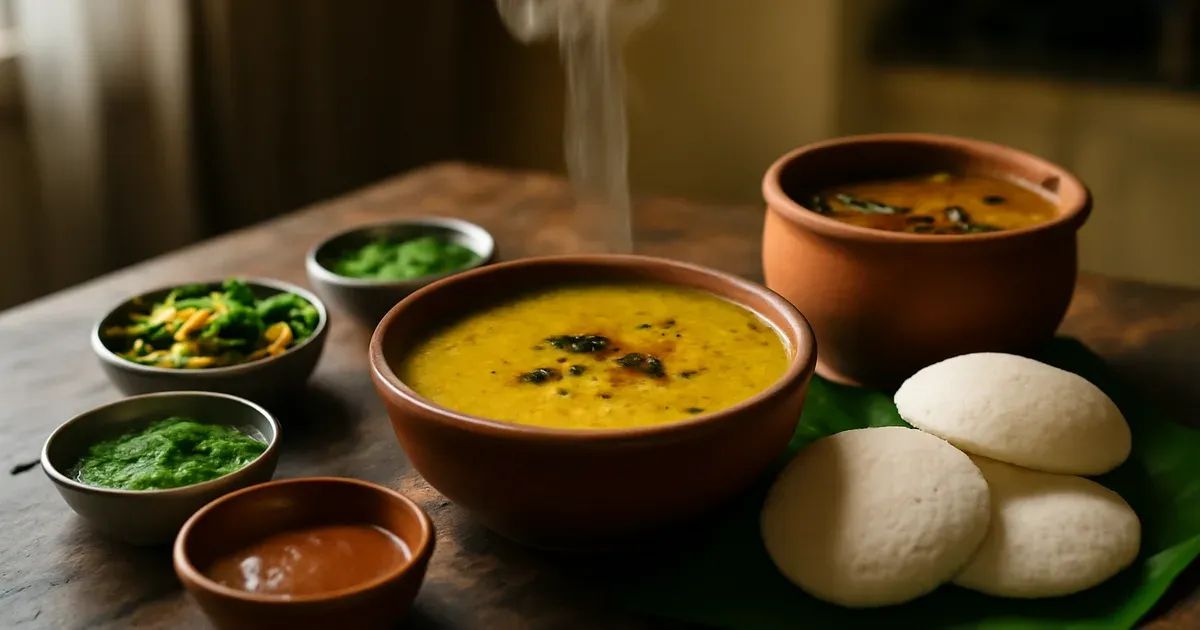
Nutritionist Nmami Agarwal has ranked six popular Indian dishes by their nutritional value, placing dal rice at the top with a perfect score and highlighting idli sambar as a standout choice for gut health and protein intake, according to a report published by the Times of India on 3 May 2026. The rankings offer a timely framework for health-conscious eaters — including the growing South Asian community in the UK — looking to understand how beloved comfort foods affect their bodies and their microbiome.
Why This Matters for Gut Health
Gut health has become one of the most actively researched areas in nutritional science, with institutions such as King's College London and the University of Reading producing landmark microbiome UK studies in recent years. The British Gut Project has demonstrated that dietary diversity — particularly from fibre-rich, fermented, and plant-based foods — is among the strongest predictors of a healthy gut microbiome. For the estimated 1.5 million people of South Asian heritage in the UK, traditional Indian dishes represent both a cultural staple and, as this ranking suggests, a genuine opportunity to improve gut health naturally through everyday meals.
Dal Rice and Idli Sambar Lead the Rankings
Dal rice received a perfect score of 10 out of 10 from Agarwal, cited for its balance of plant-based protein, complex carbohydrates, and dietary fibre, per the Times of India report. Idli sambar was ranked second, praised for its fermented base — a quality that microbiome researchers increasingly associate with increased gut microbial diversity and improved gut-brain connection signalling. Fermented foods introduce beneficial live cultures that can support the intestinal lining and influence mood via the vagus nerve, a mechanism well documented in UK and international research alike.
What the Rankings Mean for UK Readers
For health-conscious adults in the UK, the rankings reinforce guidance already embedded in NHS gut health advice: prioritise fibre, fermented foods, and variety. Dishes like pani puri were noted to require mindful preparation to score well nutritionally, according to the source, while richer street foods such as chole bhature and pav bhaji ranked lower due to higher saturated fat and refined carbohydrate content. The British Dietetic Association similarly advises limiting ultra-processed and high-fat convenience foods in favour of legume-rich and whole-grain alternatives.
The broader takeaway from Agarwal's rankings aligns closely with what UK microbiome research consistently finds: the closer a dish stays to its whole-food, fermented, or legume-based roots, the more beneficial it is likely to be for the gut microbiome. For South Asian communities and curious food lovers across the UK, this serves as a practical, culturally relevant guide to making smarter choices without abandoning the dishes they love. Understanding the gut-brain connection adds another layer of motivation — what feeds your microbiome well may also support mental clarity and emotional resilience.
You might also like
- How to Support Gut-Brain Health in 6 Steps
- Coffee May Shape Gut Bacteria and Influence Mood
- Coffee Boosts Gut and Brain Health, Even Decaf
96 Bacterial Strains. Two Shots a Day.
GOODIE is an award-winning fermented drink with 96 live bacterial strains — more than any yogurt or kombucha — never pasteurised, clinically tested, and 8 in 10 users felt less bloating within 14 days. Curious?