Intestinal Fungi Shape Mammalian Gut Biology
A 2026 PLoS Pathogens review finds intestinal fungi actively shape mammalian gut biology, urging broader microbiome research beyond bacteria.

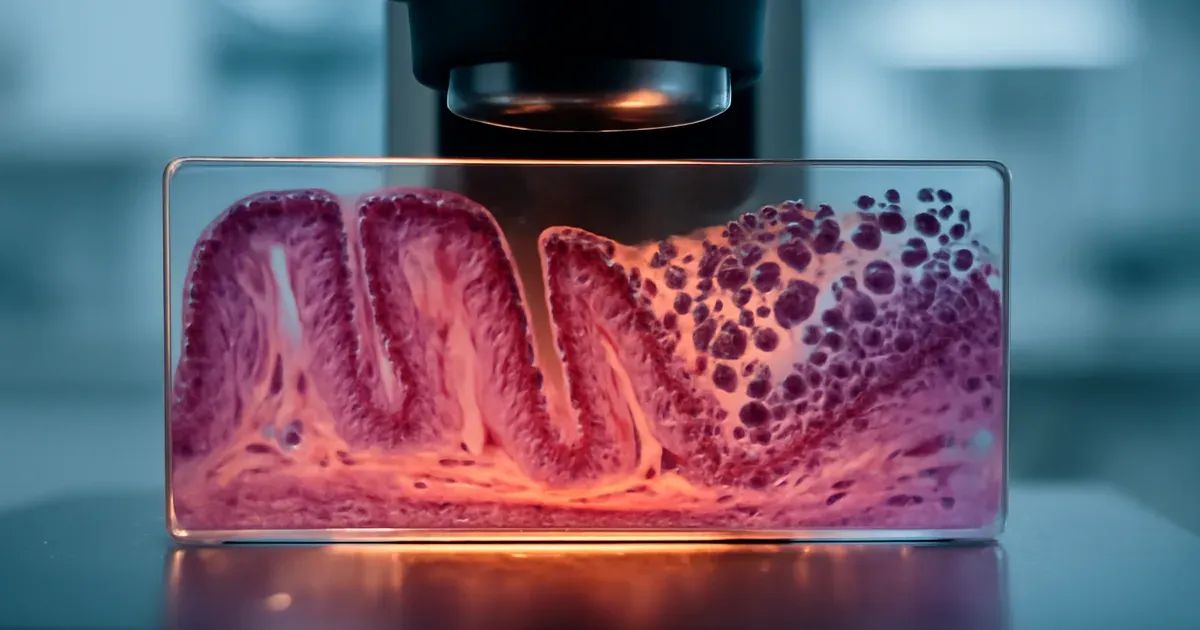
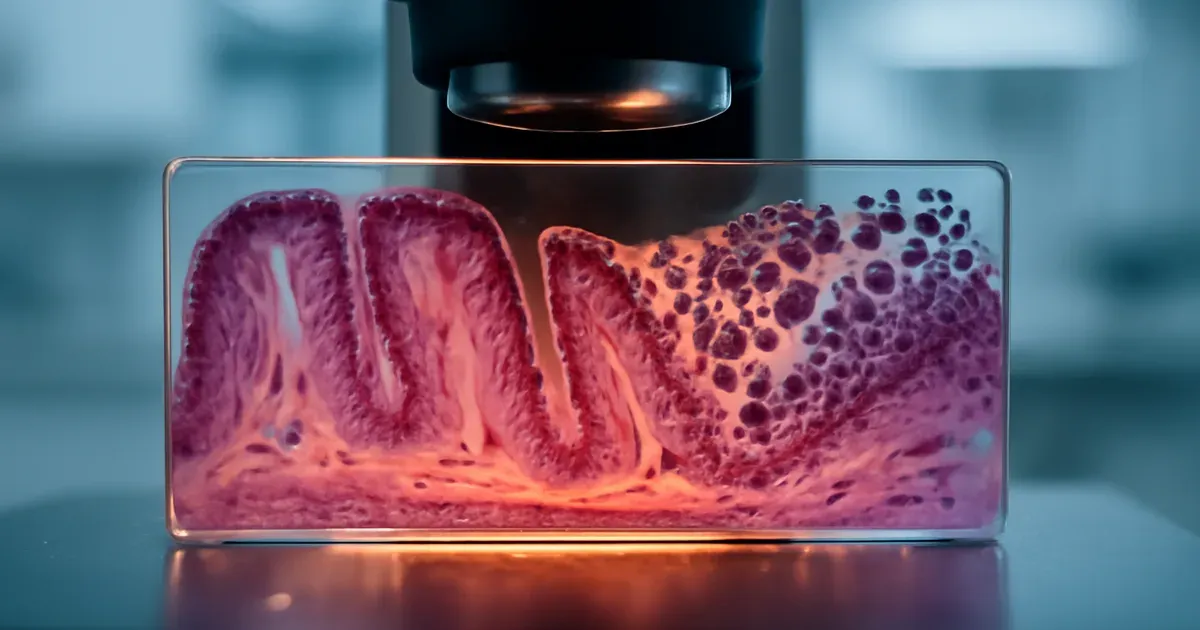
A new review published in PLoS Pathogens on April 13, 2026, finds that intestinal fungi gut health research is entering a pivotal era, with scientists determining that fungal communities residing in the mammalian gut actively shape its biological environment. Authored by Elena Lindemann-Pérez and J. Christian Pérez, the paper argues that gut fungi — long overshadowed by bacterial microbiome research — are key players in how the gut functions, responds to disease, and interacts with the host immune system.
Why This Matters
The gut microbiome has become one of the most intensively studied fields in biomedical science, with growing evidence linking bacterial communities to immunity, metabolism, and even mental health via the gut-brain axis. Yet fungi, which form a distinct community called the mycobiome, have received comparatively little attention. According to the study's authors, this gap is significant: fungal populations are not passive residents but active biological contributors that influence the broader ecology of the gut and the physiology of the mammalian host.
Fungi as Active Architects of the Gut Environment
The study identifies intestinal fungi as active shapers of gut biology, influencing how the mammalian gut responds to microbial shifts, immune challenges, and environmental changes. Per Lindemann-Pérez and Pérez, fungal communities interact with bacterial populations and host cells in ways that have downstream consequences for gut function. The researchers report that understanding these interactions is essential for developing a complete picture of the gut microbiome — one that accounts for all microbial kingdoms, not bacteria alone.
What This Means for Gut and Gut-Brain Health
For researchers, clinicians, and individuals focused on gut health and the gut-brain connection, these findings suggest that microbiome assessments and interventions may be incomplete if they exclude fungal analysis. The mycobiome's influence on the gut environment could have implications for inflammatory conditions, immune regulation, and potentially neurological pathways linked to the gut-brain axis. Scientists report that future studies will need to examine how fungi interact with both host biology and bacterial microbiota in integrated models.
The review by Lindemann-Pérez and Pérez, published in PLoS Pathogens (DOI: 10.1371/journal.ppat.1014132), signals a broader shift in microbiome science: a move toward a more complete, multi-kingdom understanding of intestinal fungi gut health and its far-reaching effects on mammalian biology. As the field expands, the mycobiome may prove as central to gut-brain research as bacteria have become.