Kale Every Meal: Gut Health Experts Weigh In
Gastro doctors and dietitians assess the viral kale trend, linking fibre-rich eating to gut health, microbiome diversity, and the gut-brain connection.

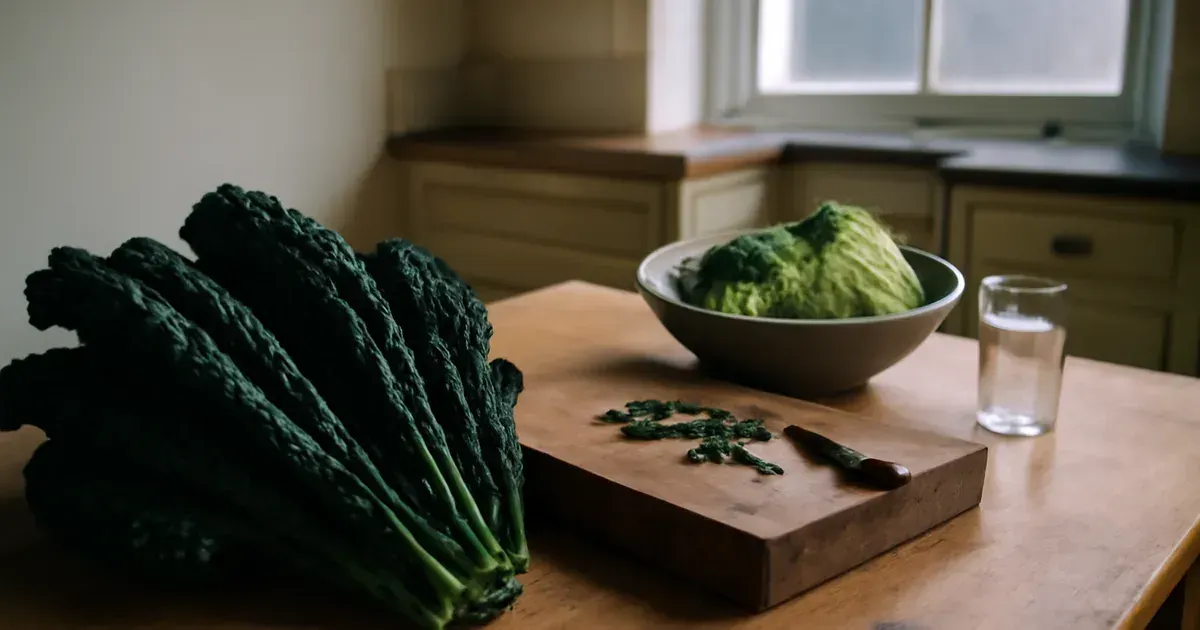
A viral video trend encouraging people to add kale to every meal has prompted gastroenterologists and dietitians to assess the leafy green's real impact on gut health, according to HuffPost. The "Cut It With Kale" approach, championed by singer/songwriter Aïchan Fall, centres on incorporating small amounts of kale — a fibre-rich member of the brassica family alongside cabbage and broccoli — into daily eating. Experts broadly agree the habit has genuine merit, particularly for digestive and microbiome health.
Why Kale and Gut Health Are Getting Attention
Interest in how everyday food choices affect gut health in the UK has surged in recent years, driven partly by landmark research from institutions such as King's College London and the British Gut Project. The gut microbiome — the vast community of microorganisms living in the digestive tract — is increasingly understood to influence not only digestion but also immunity and the gut-brain connection. Per HuffPost, kale's nutritional profile, including its fibre, potassium, and antioxidant content, places it firmly among the foods gastro specialists recommend for supporting a healthy gut.
What Gastro Doctors and Dietitians Found
According to HuffPost's reporting, gastroenterologists and dietitians consulted on the trend highlighted that kale is rich in dietary fibre, a nutrient the vast majority of UK adults fail to consume in sufficient quantities — the NHS and UK Eatwell Guide recommend 30g of fibre per day, yet average UK intake sits closer to 18g. Fibre feeds beneficial bacteria in the gut, supporting microbiome diversity. Experts noted that regularly consuming fibre-dense vegetables like kale may contribute meaningfully to improving that shortfall, promoting the kind of microbial variety linked to better long-term health outcomes.
What This Means for Your Gut and Brain
The gut-brain connection adds another layer of relevance to the kale trend. Research supported by bodies including the MRC and Wellcome Trust has highlighted how a diverse, fibre-fed microbiome can influence mood, cognition, and stress response via the gut-brain axis. Per HuffPost, the experts consulted did not raise significant concerns about the "Cut It With Kale" approach, suggesting that for most healthy adults, adding kale regularly — even in small amounts — is a practical, low-risk way to improve gut health naturally and support broader wellbeing.
The Takeaway for UK Readers
For health-conscious adults in the UK looking to close the fibre gap and support microbiome diversity, the expert consensus reported by HuffPost points to simple, consistent changes — such as adding kale to existing meals — as a credible starting point. The trend aligns with NHS dietary guidance encouraging greater vegetable variety. As UK microbiome research continues to expand, practical habits like this one may carry more scientific weight than their viral origins suggest.
You might also like
- 7 Gut Health Mistakes Harming Your Heart
- How to Improve Gut Health Naturally in 5 Steps
- Gut Health Supplement SlimTide Targets Microbiome
96 Bacterial Strains. Two Shots a Day.
GOODIE is an award-winning fermented drink with 96 live bacterial strains — more than any yogurt or kombucha — never pasteurised, clinically tested, and 8 in 10 users felt less bloating within 14 days. Curious?