Live Biotic SER-155 Trialled in Transplant Gut Health
A phase 1b trial published in Nature finds SER-155, an oral live biotherapeutic, may protect gut microbiome health in stem cell transplant patients.

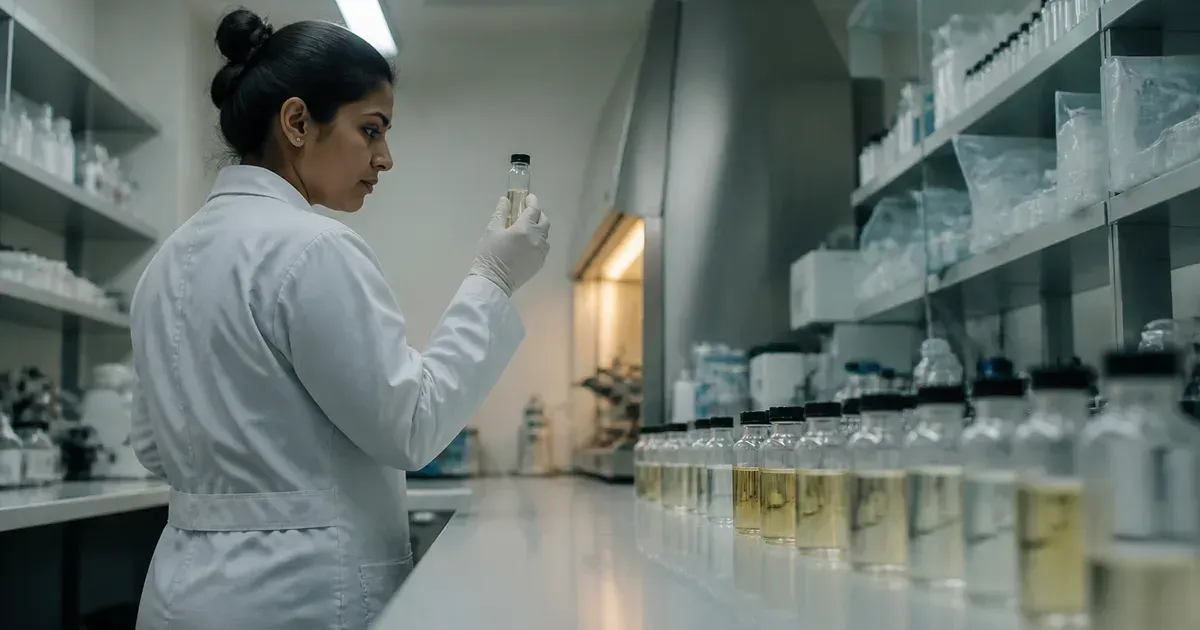
A multi-strain oral live biotherapeutic product called SER-155 has shown early promise in protecting gut health in adults undergoing allogeneic haematopoietic cell transplantation (allo-HCT), according to findings published in Nature on 3 November 2026. The phase 1b trial — a first-in-human study — included both open-label and randomised, placebo-controlled cohorts, with researchers assessing the safety and microbiome effects of the investigational oral bacterial therapy in a highly vulnerable patient population.
Why This Matters
Allo-HCT — commonly known as a bone marrow or stem cell transplant — carries significant risks linked to disruption of the gut microbiome. Patients undergoing this procedure are exposed to intensive chemotherapy and antibiotics, which can devastate the diversity of gut bacteria. Microbiome disruption in this context is associated with increased risk of infection, graft-versus-host disease (GvHD), and poor transplant outcomes. Growing evidence in microbiome research in the UK and globally has underscored the gut-brain connection and the central role gut bacteria play in immune regulation and overall recovery.
SER-155 Phase 1b: What the Study Found
SER-155 is a cultivated, multi-strain bacterial product designed to be taken orally to restore protective microbiome communities in the gut. According to the researchers, the study assessed the product's safety profile and its ability to engraft within the gut during and after transplantation. The trial demonstrated that SER-155 was associated with detectable engraftment of the product's bacterial strains in participants' gut microbiomes, suggesting the live bacteria successfully colonised the gastrointestinal tract. The study found this was achieved across both the open-label and randomised cohorts, per findings reported in Nature.
What This Means for Patients and Gut Health Research
For the broader field of gut health — including UK microbiome research led by institutions such as King's College London and the University of Cambridge — this trial represents a meaningful step towards clinically validated live biotherapeutic products. If further studies confirm these findings, SER-155 could inform NHS pathways for managing transplant-related gut dysbiosis. Researchers note the trial's design as a first-in-human study, meaning larger randomised trials will be needed before any clinical adoption.
The study adds to a rapidly evolving body of evidence linking microbiome health to patient outcomes beyond the gut itself, reinforcing the importance of the gut-brain connection and immune function in recovery from serious illness. For health-conscious adults in the UK following developments in gut health science, this research illustrates how improving gut health naturally — even in critically ill patients — may one day be achievable through targeted bacterial therapies rather than diet alone.
You might also like
- Microbiome Science Drives Viome's Disease Prevention Push
- Circadian Nutrition & Gut Health UK: Key Insights
- Gut Health Tops 2026 Nutrition Trends: What the Evidence Shows
96 Bacterial Strains. Two Shots a Day.
GOODIE is an award-winning fermented drink with 96 live bacterial strains — more than any yogurt or kombucha — never pasteurised, clinically tested, and 8 in 10 users felt less bloating within 14 days. Curious?