Oral Microbiome & Gut Health: Your Questions Answered
Discover how your oral microbiome connects to gut health, the gut-brain axis, and overall wellbeing — with UK-focused science and practical advice.


If you have ever wondered why your dentist's advice sounds oddly similar to what your GP says about digestive health, you are not alone. The mouth and the gut are more connected than most people realise — and the science behind that relationship is developing fast. Whether you are curious about dental plaque, oral bacteria, or how your mouth microbiome might affect your mood and digestion, this guide answers the questions people in the UK are asking most.
Jump to Your Question
What is the oral microbiome and why does it matter?
How does the mouth microbiome connect to gut health?
What bacteria live in the mouth naturally?
What is dental plaque and is it harmful?
Can an imbalanced oral microbiome affect mental health?
What causes oral microbiome dysbiosis in the UK?
How can I improve my oral and gut health naturally?
Oral health vs gut health: are they really linked?
What is the oral microbiome and why does it matter?
The oral microbiome is the complex, diverse community of microorganisms — including bacteria, fungi, viruses, archaea, and protozoa — that live in the human mouth. Far from being a simple collection of germs, this community is a sophisticated ecosystem shaped by saliva flow, oxygen levels, pH, and even your diet.
According to a detailed review in Nature Reviews Microbiology, the oral microbiota has elaborate, highly structured biogeography — meaning different microorganisms thrive in very specific locations, from tooth surfaces and gingival crevices to the dorsum of the tongue and the buccal mucosa.
This level of organisation matters because disruption to it — known as dysbiosis — has been linked to conditions ranging from tooth decay and gum disease to systemic inflammation. For people interested in gut health UK research, understanding the oral microbiome is an increasingly important starting point.
- Bacteria are the most abundant members of the oral microbiome.
- Fungi such as Candida, Aspergillus, and Penicillium are also commonly present.
- Protists including Entamoeba gingivalis and Trichomonas tenax are frequently detected.
- Each niche in the mouth supports distinct microbial communities.
How does the mouth microbiome connect to gut health?
The mouth is the gateway to the gut, and the microorganisms that colonise it can directly influence the composition of your gut microbiome. When you swallow, oral bacteria travel down the oesophagus and into the digestive tract. While many are destroyed by stomach acid, some survive and take up residence further along the digestive system.
This oral-gut microbial axis is an emerging area of UK microbiome research. Studies have found elevated levels of oral bacteria — particularly Fusobacterium nucleatum and certain Treponema species — in the gut microbiomes of people with colorectal cancer, inflammatory bowel disease, and other digestive conditions.
The gut-brain connection adds another layer of complexity. The gut communicates with the brain via the vagus nerve and a network of signalling molecules; if the oral microbiome seeds the gut with pro-inflammatory bacteria, this may ultimately influence mood, cognition, and stress responses. For anyone looking to improve gut health naturally, keeping the oral microbiome balanced is a logical — and often overlooked — first step.
What bacteria live in the mouth naturally?
A healthy mouth hosts hundreds of bacterial species, the majority of which are entirely normal and beneficial. The key is balance — a stable microbial community prevents harmful organisms from gaining a foothold.
Some of the most well-characterised anaerobic bacteria in the oral cavity include:
- Actinomyces — important early colonisers of tooth surfaces
- Fusobacterium — plays a role in building the structural scaffold of dental plaque
- Veillonella — feeds on lactic acid produced by other bacteria, helping to moderate pH
- Lactobacillus — present in lower numbers but associated with caries when elevated
- Treponema and Bacteroides — typically colonise around puberty and are associated with the gingival crevice
Early-life colonisation follows a predictable pattern. A newborn's mouth is sterile at birth, but within hours, bacteria such as Streptococcus salivarius begin to colonise. When teeth erupt during the first year, Streptococcus mutans and Streptococcus sanguinis arrive to colonise the new hard surfaces. This developmental sequence mirrors what researchers at institutions such as King's College London and the University of Reading are studying in relation to microbiome UK establishment across the lifespan.
What is dental plaque and is it harmful?
Dental plaque is a structured biofilm — a living microbial community — that adheres to tooth surfaces and is not simply a passive layer of dirt. Understanding plaque as a biofilm, rather than just "build-up", changes how we think about oral health entirely.
Plaque formation begins when bacteria attach to the acquired pellicle, a thin film of salivary proteins that coats tooth enamel. From there, the community grows and diversifies, eventually becoming covered in an interbacterial matrix that protects the bacteria within it from salivary flow and immune defences.
When plaque composition shifts away from a healthy balance, the consequences can extend beyond the mouth. Dysbiotic plaque — characterised by an overgrowth of acid-producing species — is directly associated with dental caries. Plaque around the gumline is linked to periodontal disease. Both conditions have been associated in UK and international research with systemic health effects, including cardiovascular disease and type 2 diabetes. NHS gut health guidance increasingly acknowledges that oral hygiene is not separate from whole-body health.
A note on calculus: When plaque mineralises, it forms dental calculus (tartar), which can itself become colonised by bacteria and exacerbate gum disease if not removed professionally.
Can an imbalanced oral microbiome affect mental health?
Growing evidence suggests that the oral microbiome may influence mental health through its downstream effects on the gut-brain connection. This is not a fringe idea — it is supported by a growing body of research examining the microbiome-gut-brain axis, in which the mouth plays a surprisingly central role.
The mechanism works like this: oral bacteria that survive transit to the gut can alter the gut microbial environment, shifting the balance of metabolites — including short-chain fatty acids (SCFAs), neurotransmitter precursors such as tryptophan, and inflammatory cytokines — that the gut produces and sends to the brain.
Chronic periodontal disease, for example, generates persistent low-grade systemic inflammation. This inflammatory load has been linked in several observational studies to higher rates of depression and cognitive decline. While causality is difficult to establish in humans, UK Biobank data is increasingly being used by researchers at institutions including UCL and the University of Oxford to explore these associations at population scale.
For UK adults interested in the gut-brain connection, the practical implication is straightforward: poor oral health may be one underappreciated upstream driver of poor mental wellbeing.
What causes oral microbiome dysbiosis in the UK?
Oral microbiome dysbiosis — a shift away from a balanced, health-associated microbial community — has multiple causes, many of which are highly relevant to typical British lifestyle patterns. Dysbiosis does not mean the presence of a single "bad" bacterium; it refers to a community-level imbalance.
Common drivers include:
- Diet high in refined sugars and ultra-processed foods — the British diet gut health picture is complicated by high intakes of sugary drinks and snacks, which feed acid-producing bacteria
- Antibiotic use — broad-spectrum antibiotics can disrupt oral as well as gut microbial communities
- Smoking — well-documented in NHS guidance as a major risk factor for periodontal disease
- Dry mouth (xerostomia) — saliva is a critical regulator of oral pH and microbial balance; medications that reduce salivary flow are common in older UK adults
- Hormonal changes — research has shown that the oral microbiota differs between men and women, particularly during periodontitis, and shifts occur during puberty, pregnancy, and menopause
- Age — the oral microbiome changes across the lifespan, and older adults in the UK are disproportionately affected by both periodontal disease and gut dysbiosis
The British Gut Project, which has collected microbial data from thousands of UK participants, provides a rich resource for understanding how diet and lifestyle factors shape both oral and gut microbiome composition in the UK population.

How can I improve my oral and gut health naturally?
To improve gut health naturally, starting with the mouth makes biological sense — every microorganism that enters your gut passes through your oral cavity first. A joined-up approach to oral and digestive health is both practical and evidence-based.
Key strategies backed by UK dietary guidance and microbiome science include:
- Eat a high-fibre diet — the UK Eatwell Guide recommends 30g of fibre per day; dietary fibre feeds beneficial bacteria in both the mouth and the gut, promoting microbial diversity
- Increase plant variety — the British Gut Project found that people who eat 30 or more different plant foods per week have significantly more diverse gut (and likely oral) microbiomes
- Limit refined sugars — reducing sugar intake starves acid-producing oral bacteria such as Streptococcus mutans, reducing caries risk and plaque dysbiosis
- Stay hydrated — adequate hydration supports salivary flow, which is the mouth's natural antimicrobial defence system
- Brush and floss consistently — mechanical removal of plaque disrupts biofilm formation before it can mature into a dysbiotic community
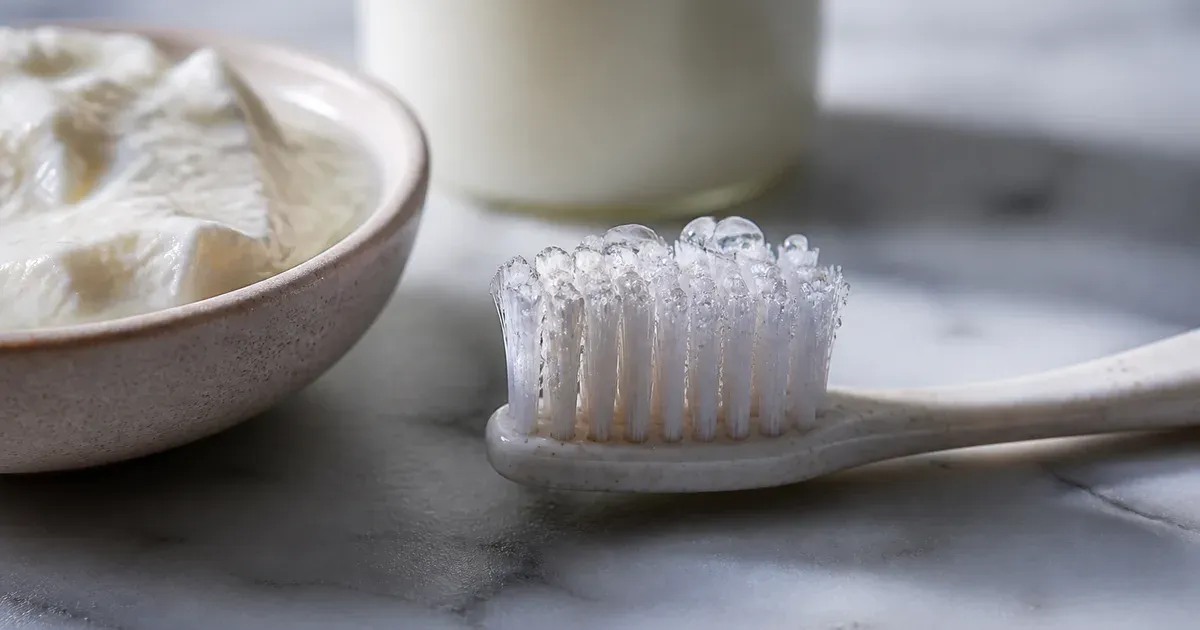
- Consider fermented foods — yoghurt, kefir, sauerkraut, and kimchi provide live cultures that may beneficially influence both oral and gut microbiome composition, though the British Dietetic Association (BDA) notes more research is needed
- Don't smoke — smoking is one of the most damaging factors for the oral microbiome and broader gut health in the UK
Oral health vs gut health: are they really linked?
Oral health and gut health are not separate concerns — they are interconnected systems regulated by overlapping microbial communities and immune pathways. The idea that the mouth is somehow distinct from the rest of the digestive tract is a clinical artefact, not a biological reality.
| Factor | Oral Microbiome | Gut Microbiome | |---|---|---|---| | Primary function | First-line defence; digestion begins here | Nutrient absorption; immune regulation | | Key bacteria | Streptococcus, Veillonella, Fusobacterium | Lactobacillus, Bifidobacterium, Bacteroides | | Main disease links | Dental caries, periodontal disease | IBS, IBD, colorectal cancer | | Systemic links | Cardiovascular disease, diabetes, cognitive decline | Mental health, immunity, metabolic disease | | Diversity measure | Moderate; niche-specific | High; associated with health |
The gut-brain connection is well-established, but the oral-gut-brain axis is now gaining serious scientific attention. Researchers at Imperial College London and King's College London are actively investigating how disruptions that begin in the mouth propagate downstream — affecting digestion, immunity, and even neurological function.
For people in the UK seeking to genuinely improve gut health naturally, treating oral and gut health as one integrated system is both scientifically sound and practically empowering.
Frequently Asked Questions
Is oral health part of gut health?
Yes — the oral cavity is the start of the digestive tract, and oral bacteria directly influence the composition of the gut microbiome through swallowing. NHS gut health pathways are beginning to reflect this, with growing clinical interest in the oral-gut microbial axis.
What fungi are found in the mouth?
Common oral fungi include Candida, Aspergillus, Fusarium, Penicillium, and Cryptococcus. In a healthy mouth, these are present at low levels. Overgrowth of Candida albicans leads to oral thrush — a condition the NHS estimates affects around one in seven adults at some point.
Does the tongue have its own microbiome?
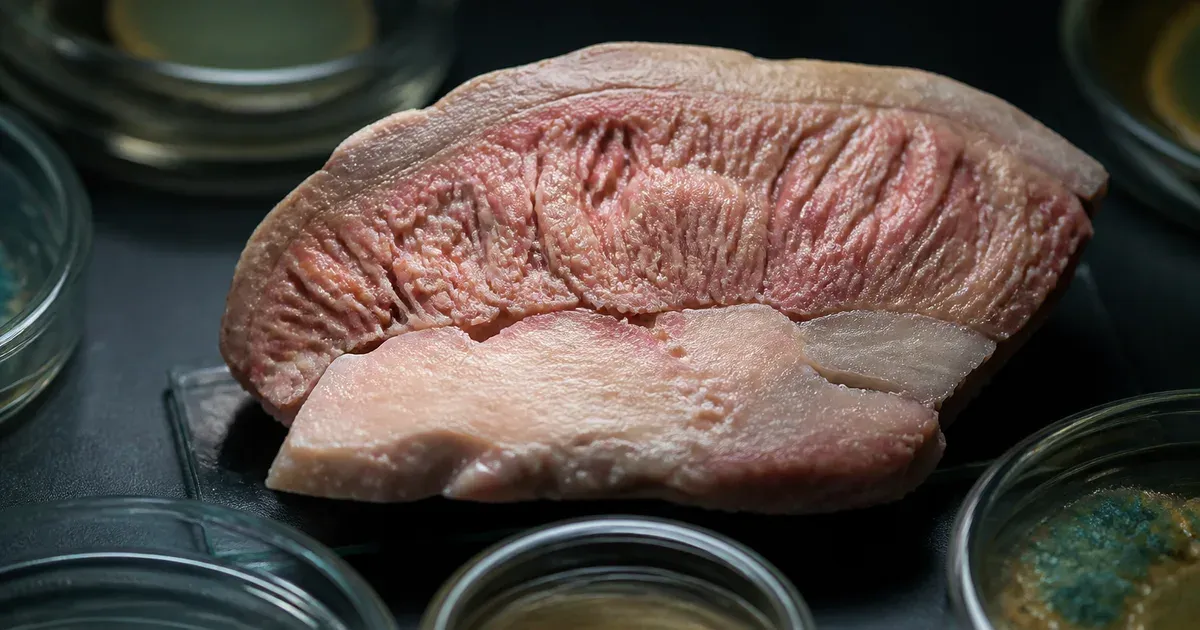
Yes — the tongue dorsum hosts a distinct microbial community shaped by its unique papillae structure, which creates low-oxygen pockets ideal for anaerobic and microaerophilic bacteria. The tongue microbiome has been linked to bad breath and broader systemic dysbiosis.
Can improving my diet change my oral microbiome?
Yes — dietary changes can shift oral microbial communities within days. Reducing sugar and increasing fibre and plant diversity are the most evidence-backed approaches. Data from the British Gut Project suggests that diet is one of the strongest modifiable drivers of microbiome UK composition.
How does UK microbiome research inform oral health guidance?
UK institutions including King's College London, the University of Reading, and Imperial College London are at the forefront of microbiome UK research, using tools such as deep sequencing and UK Biobank data to understand how oral and gut microbial communities interact across the British population — work that is steadily informing NHS and BDA guidance.
The Bottom Line
- The oral microbiome is a complex, structured community of bacteria, fungi, viruses, archaea, and protozoa — not simply "mouth germs."
- The mouth and gut are biologically connected; oral bacteria can colonise the gut and influence systemic health, including the gut-brain connection.
- Dysbiosis in the mouth — driven by sugar, smoking, dry mouth, and antibiotic use — is linked to dental disease and broader systemic inflammation relevant to gut health UK.
- Improving oral and gut health naturally involves the same core strategies: a high-fibre, varied diet, reduced sugar, good hydration, and consistent oral hygiene.
- UK microbiome research is rapidly advancing, with institutions such as King's College London and the University of Oxford helping to define what a healthy oral and gut microbiome looks like for British adults.
This article is for informational purposes only and does not constitute medical advice. Always consult a qualified healthcare professional or your NHS GP for personalised guidance.
You might also like
- Microbiome Science Drives Viome's Disease Prevention Push
- Circadian Nutrition & Gut Health UK: Key Insights
- How to Calm Your Gut With Breathwork in 7 Days
96 Bacterial Strains. Two Shots a Day.
GOODIE is an award-winning fermented drink with 96 live bacterial strains — more than any yogurt or kombucha — never pasteurised, clinically tested, and 8 in 10 users felt less bloating within 14 days. Curious?