Circadian Nutrition & Gut Health UK: Key Insights
Circadian Nutritionist Adriano dos Santos links meal timing, circadian biology, and gut microbiome science in a framework relevant to gut health UK adults.

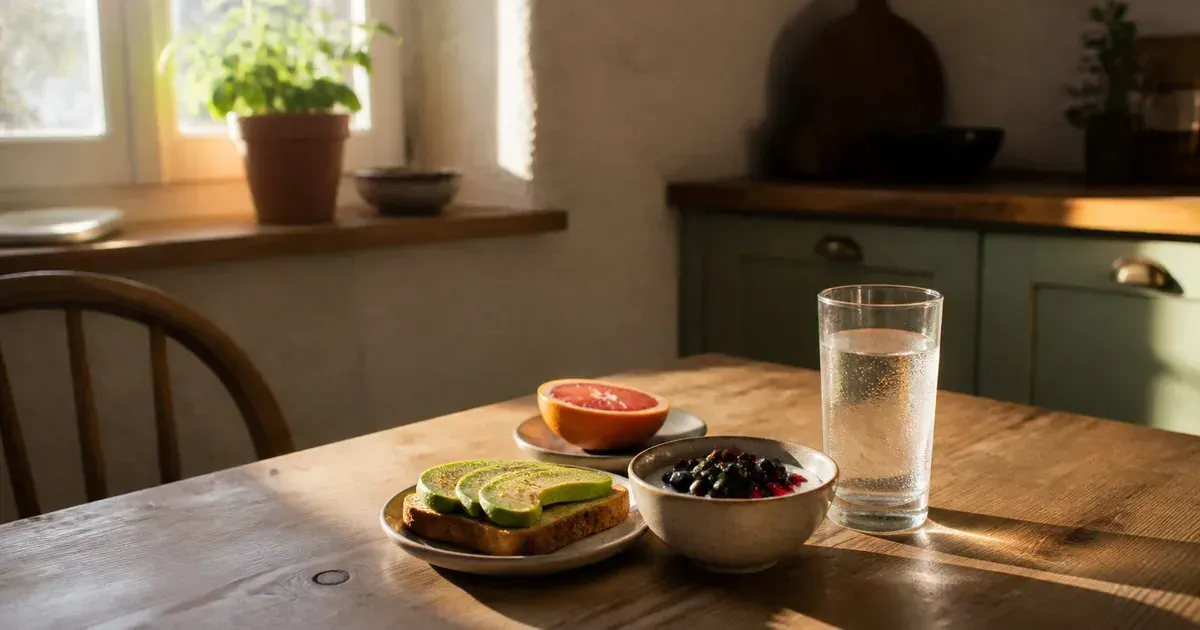
Adriano dos Santos, the practitioner behind ADS Vitality and internationally known as The Circadian Nutritionist, has outlined a framework linking circadian biology, gut microbiome science, and personalised nutrition, according to a profile published on CircadianNutritionist.com. The approach centres on aligning daily habits — including meal timing, light exposure, and sleep — with the body's internal clock to improve gut health naturally and support broader metabolic function.
Why This Matters for Gut Health in the UK
Gut health in the UK has become a growing public health concern. Research from the British Gut Project and institutions such as King's College London has consistently shown that diet, lifestyle, and circadian disruption all influence the composition of the gut microbiome. According to UK microbiome research, modern patterns of shift work, late eating, and highly processed diets — features of many British lifestyles — are associated with reduced microbial diversity and impaired gut-brain connection signalling. The NHS recognises digestive disorders as among the most common reasons UK adults seek primary care.
Circadian Timing and the Gut Microbiome
Per the ADS Vitality profile, dos Santos draws on the science of circadian biology to argue that when people eat may be as consequential as what they eat. This position is supported by emerging research: a 2025 systematic review in Frontiers in Physiology found that short-chain fatty acids — compounds produced by gut bacteria when fermenting dietary fibre — play a modulatory role in peripheral circadian gene expression. Disruption to circadian rhythms was linked in that review to a wide range of metabolic, cardiovascular, and psychiatric disorders. The gut-brain connection, in this framing, is not static but rhythmically active across the 24-hour cycle.
What This Means for UK Adults Seeking to Improve Gut Health Naturally
For health-conscious adults in the UK, the circadian nutrition framework suggests that practical changes — such as consuming the majority of calories earlier in the day, prioritising high-fibre foods in line with the UK Eatwell Guide, and maintaining consistent sleep and wake times — could support both microbiome diversity and gut-brain connection health. According to the ADS Vitality profile, dos Santos developed this approach partly from personal experience of navigating health challenges after relocating from Brazil to Europe, and now applies it in his clinical practice.
The intersection of circadian biology and microbiome UK research represents one of the more active frontiers in nutritional science. As institutions including the University of Reading and Imperial College London continue to investigate how meal timing affects microbial communities, practitioners such as dos Santos are translating that science into individual health programmes — though readers are encouraged to consult a registered dietitian recognised by the British Dietetic Association before making significant dietary changes.
You might also like
- Microbiome Science Drives Viome's Disease Prevention Push
- Gut Health Tops 2026 Nutrition Trends: What the Evidence Shows
- How to Calm Your Gut With Breathwork in 7 Days
96 Bacterial Strains. Two Shots a Day.
GOODIE is an award-winning fermented drink with 96 live bacterial strains — more than any yogurt or kombucha — never pasteurised, clinically tested, and 8 in 10 users felt less bloating within 14 days. Curious?