7 Low FODMAP Snacks Your Gut Will Love
Discover 7 delicious low FODMAP snacks that support gut health, ease IBS symptoms, and keep your gut-brain axis happy.

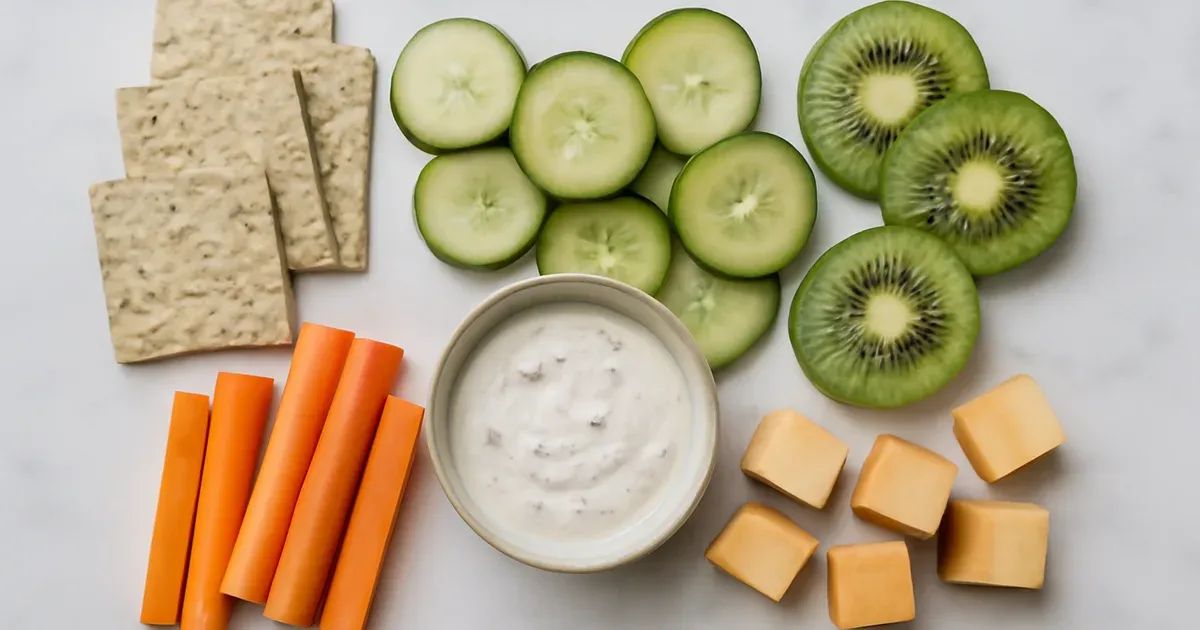
Snack time shouldn't feel like a minefield. If you're managing IBS or digestive sensitivities, choosing the wrong bite can mean hours of bloating, cramping, or discomfort. The low FODMAP diet offers a structured way to identify your triggers — but navigating it without good snack ideas leaves many people hungry and frustrated. These seven low FODMAP snacks are proof that eating for your gut doesn't have to mean giving up flavor, crunch, or satisfaction. Start here.
Research published in the journal Gastroenterology found that up to 86% of IBS patients experience significant symptom relief on a low FODMAP elimination diet — making smart snack choices one of the most powerful tools in your digestive health toolkit.
1. Sourdough Crackers Paired With a Gut-Friendly Dip
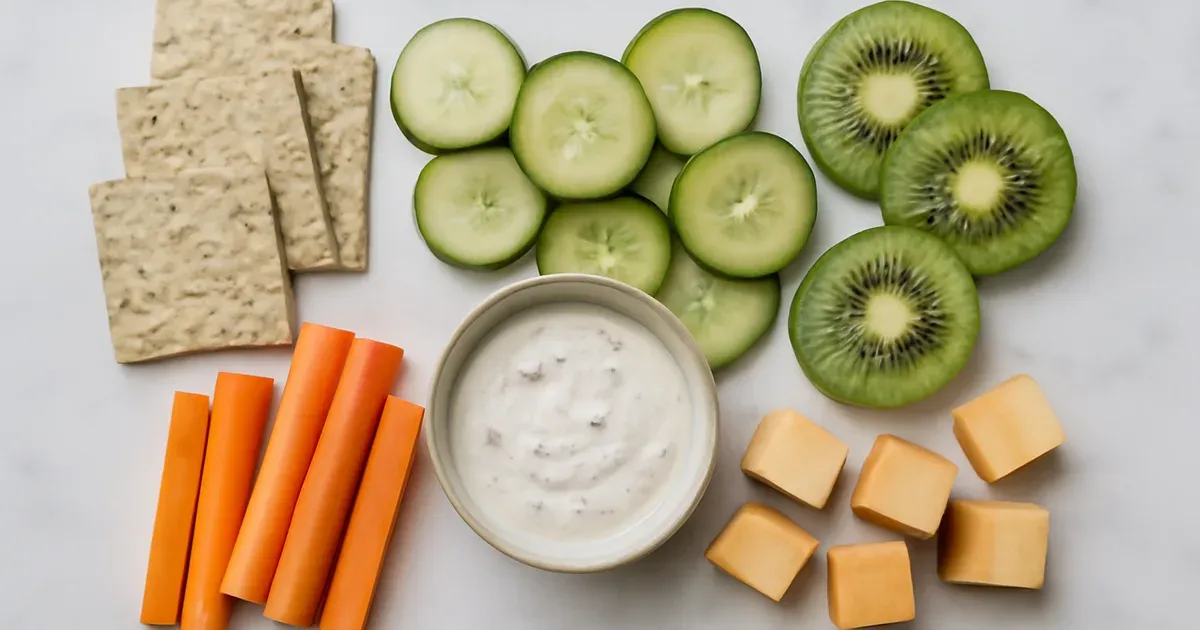
Fermentation changes everything when it comes to your gut. Traditional sourdough fermentation breaks down fermentable carbohydrates before you ever take a bite, which is why properly fermented sourdough products can be tolerated far better than standard wheat snacks. Pairing low FODMAP sourdough crackers with a herbed yogurt or goat cheese dip adds protein and probiotics to the mix — both beneficial for a balanced gut microbiome. Actionable tip: Look for crackers that list long fermentation times and minimal additives on the label.
2. Cheese and Crackers — a Classic That Works
Not all cheese is created equal for FODMAP followers. Hard and aged cheeses like cheddar, parmesan, and goat cheese are naturally low in lactose because the aging process breaks it down — making them surprisingly gut-friendly options. Paired with low FODMAP crackers, they deliver a satisfying hit of protein and fat that slows digestion and reduces the chance of a symptom spike. Actionable tip: Stick to a 40–50g portion; even safe foods can accumulate FODMAP load if you overdo it.
3. Cucumber and Carrots With an Infused Olive Oil Dip
Fresh vegetables are some of the most underrated low FODMAP snacks available. Cucumber and carrots are both low in fermentable carbohydrates at standard serving sizes, and their high water content supports healthy gut motility — the rhythmic movement that keeps digestion running smoothly. Your gut microbiome also benefits from the prebiotic fiber in carrots, feeding beneficial bacterial strains without triggering fermentation overload. Actionable tip: Infuse olive oil with fresh herbs like chives or basil rather than garlic or onion, which are high FODMAP.
4. Hard-Boiled Eggs With a Small Handful of Crackers
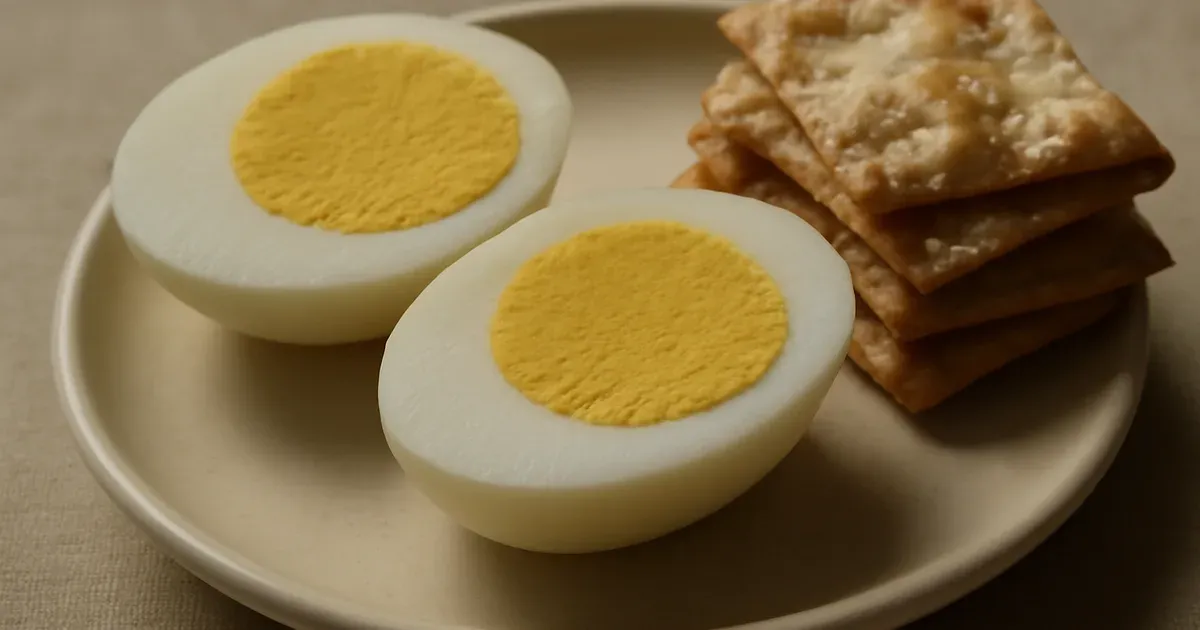
Eggs are one of the few genuinely zero-FODMAP protein sources. They contain no fermentable carbohydrates whatsoever, making them a reliable anchor for any gut-sensitive snack plate. The gut-brain axis — the bidirectional communication highway between your digestive system and your brain — responds well to stable blood sugar, and pairing eggs with complex carbohydrates from crackers does exactly that. Emerging microbiome research also links adequate protein intake to a more diverse gut bacterial community. Actionable tip: Batch-cook six eggs at the start of the week so this snack is always ready to grab.
Gut health insight: Your gut microbiome communicates directly with your brain via the vagus nerve. Chronic bloating and IBS symptoms can elevate stress hormones, disrupting mood and cognition. Choosing anti-inflammatory, low FODMAP snacks isn't just about digestion — it's about protecting your gut-brain axis every time you eat.
5. Lactose-Free Cottage Cheese With Kiwi Slices
This combination quietly does a lot of heavy lifting for your gut. Lactose-free cottage cheese delivers high-quality protein and calcium without the digestive distress of standard dairy — a win for anyone whose microbiome struggles with lactose. Kiwi fruit contains actinidin, a natural enzyme that supports protein digestion, plus research suggests two kiwi fruits per day can meaningfully reduce constipation in people with functional gut disorders. Actionable tip: If you're new to the low FODMAP diet, Unbothered Foods crackers make a great crunchy addition to this bowl to keep snack time interesting.
6. Rice Cakes With Peanut-Free Nut Butter and Banana Slices
Plain rice cakes are a blank canvas that your gut microbiome appreciates. They're low FODMAP, minimally processed, and digest gently — ideal for flare days when your gut needs a rest. Almond butter (within a 2-tablespoon serving) adds healthy fats and vitamin E, both of which support the intestinal mucosal lining that acts as your gut's first line of defence. Firm, unripe banana slices stay within the low FODMAP threshold (roughly one-third of a medium banana) and provide resistant starch that feeds beneficial gut bacteria. Actionable tip: Avoid overripe bananas — as they ripen, their FODMAP content rises significantly.
7. A Small Grazing Board Built Around Safe Staples
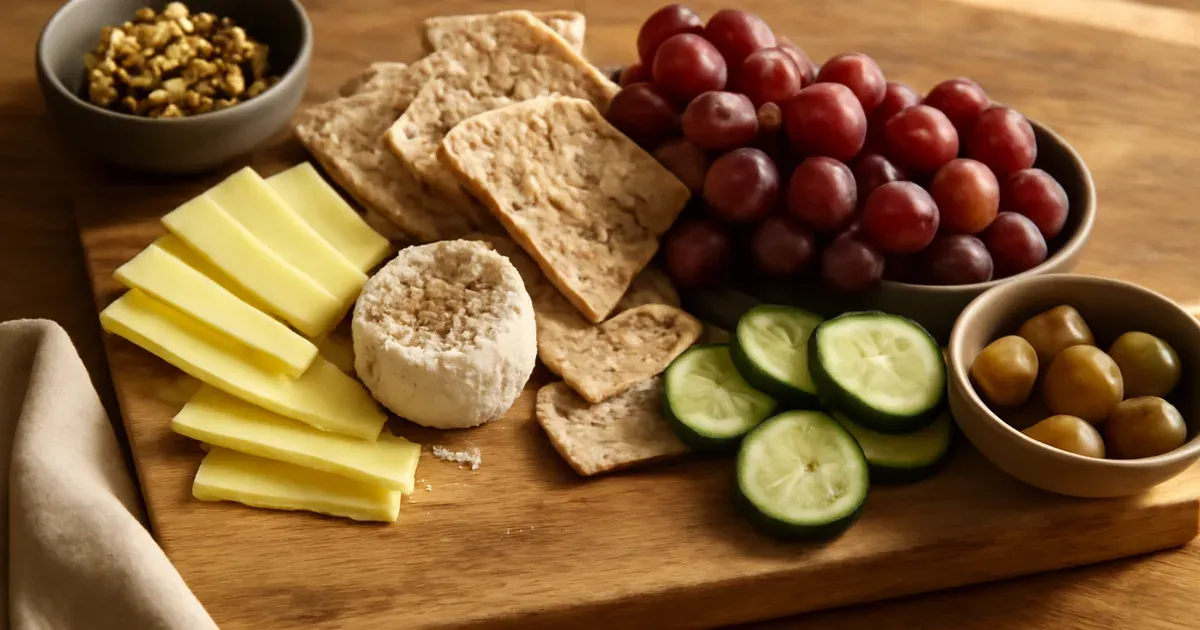
A low FODMAP grazing board sounds indulgent — and it is, intentionally. Building snacks you actually look forward to is a key part of sustaining any elimination protocol long enough to identify your real triggers. Combine sliced cheddar, a few Unbothered sourdough crackers, a small bunch of grapes, cucumber rounds, and a smear of goat cheese for a snack plate that covers protein, complex carbs, and gut-friendly fats in one sitting. Research on the gut-brain connection consistently shows that eating with enjoyment — rather than anxiety — reduces cortisol, which itself can worsen IBS symptoms. Actionable tip: Prep your board in advance and keep it in the fridge; removing the friction of decision-making makes low FODMAP snacking sustainable.
Tips to Make Low FODMAP Snacking Easier
A few habits dramatically reduce the guesswork. Read ingredient labels carefully — packaged snack bars frequently hide high-FODMAP sweeteners like honey, fructose, or inulin. Rotate your snacks to avoid overloading your gut with the same fermentable compounds repeatedly. Pair every carbohydrate with a protein or fat source to slow digestion and stabilise blood sugar, which also supports a calmer gut-brain response throughout the day.
Work with a registered dietitian who specialises in digestive health. The elimination phase of the low FODMAP diet is a temporary diagnostic tool, not a permanent way of eating. A dietitian helps you move efficiently through elimination and reintroduction so you can identify your unique triggers and expand your diet with confidence.
The goal is never restriction for its own sake — it's understanding your gut well enough to eat freely again.

Frequently Asked Questions
What snacks are safe to eat on a low FODMAP diet?
Safe low FODMAP snacks include hard cheeses, eggs, plain rice cakes, cucumber, carrots, lactose-free dairy, low FODMAP crackers, and small portions of firm banana or grapes. The key is watching portion sizes, since even low FODMAP foods can accumulate into a high FODMAP load if eaten in excess. Pairing a protein or fat with every carbohydrate snack also helps buffer digestion.
Can sourdough really be low FODMAP?
Yes — when fermented correctly. The long fermentation process in traditional sourdough allows bacteria and wild yeast to break down fructans (a type of fermentable carbohydrate found in wheat) before you consume the product. Lab testing has confirmed that some properly fermented sourdough products fall within low FODMAP thresholds. Always look for products that have been independently tested or certified, rather than assuming all sourdough qualifies.
How does the low FODMAP diet affect the gut microbiome?
The low FODMAP diet can temporarily reduce microbiome diversity because it restricts some prebiotic fibres that feed beneficial gut bacteria. This is one reason the elimination phase should be short — typically two to six weeks — before beginning structured reintroduction. Working with a dietitian helps you reintroduce fibre-rich foods as soon as your symptoms allow, protecting your microbiome long-term.
Is the low FODMAP diet a permanent way of eating?
No — and it shouldn't be. The low FODMAP protocol is a diagnostic elimination diet designed to identify individual trigger foods. Most people eventually reintroduce the majority of FODMAP categories without symptoms. Staying on full elimination indefinitely is unnecessary for most people and may negatively affect gut microbiome diversity and nutritional intake.
When should I see a dietitian about the low FODMAP diet?
Ideally before you start. A registered dietitian with digestive health expertise can confirm whether the low FODMAP diet is appropriate for your symptoms, guide you through elimination safely, and design a personalised reintroduction plan. Without professional guidance, many people stay in elimination far too long or miss hidden FODMAP sources that continue to drive symptoms.