7 Low FODMAP Snacks Your Gut Will Thank You For
Discover 7 satisfying low FODMAP snacks that calm IBS symptoms and support your gut-brain axis. Dietitian-backed picks for home and on the go.

Living with IBS or a sensitive gut means that even a simple snack can feel like a minefield. Bloating, cramping, and unpredictable digestion after eating are exhausting — and they quietly affect your mood, focus, and even your gut-brain axis. The good news is that eating for a calmer gut does not have to mean giving up satisfying snacks. These seven low FODMAP snacks are gentle on your digestive system, quick to prepare, and smart for your microbiome too. Don't let another snack derail your progress.
Research backs this up: studies show that up to 86% of IBS patients who follow a low FODMAP diet report meaningful improvement in symptoms including pain, bloating, and irregular digestion — making smart snack choices one of the most powerful tools in your gut health toolkit.
1. Fresh Low FODMAP Fruit with a Handful of Nuts
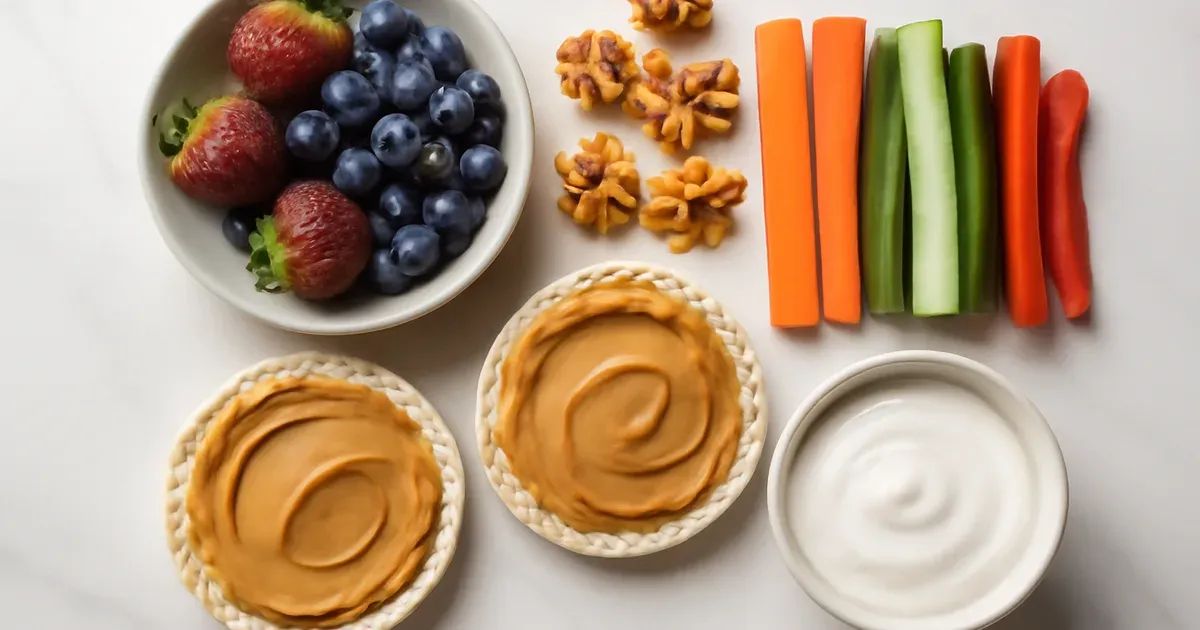
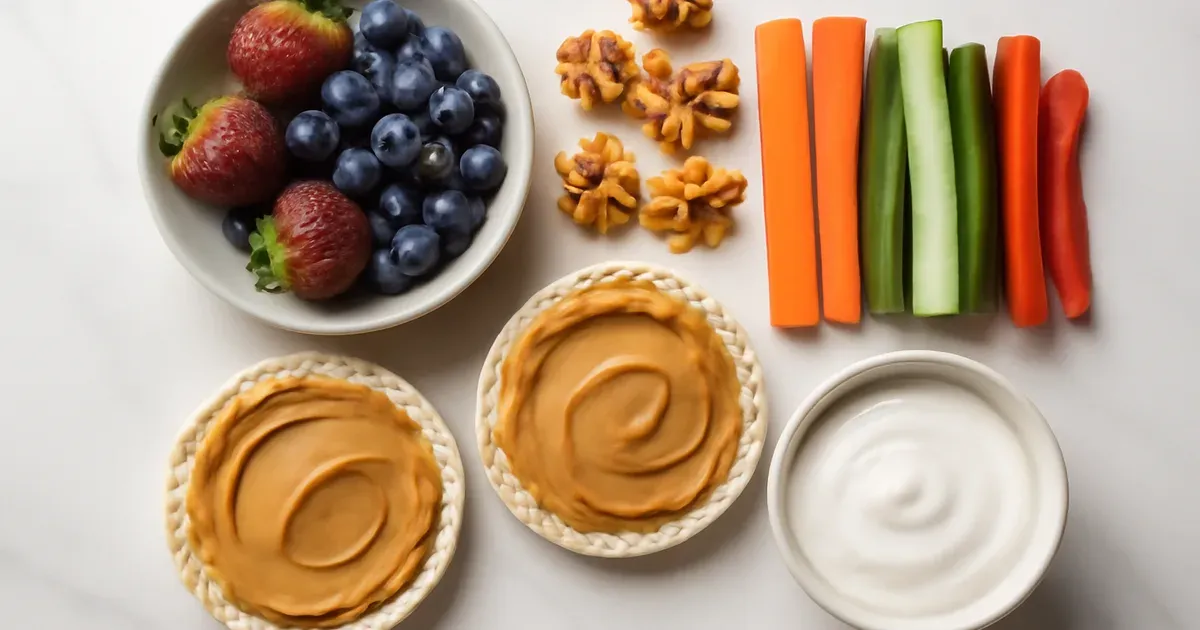
Fruit and nuts together is a classic combination that earns its place as the ultimate low FODMAP snack. Fruits like strawberries, blueberries, kiwifruit, and ripe pineapple are all gut-friendly at the right portion size, while nuts such as walnuts (10 halves), macadamia (20 nuts), or peanuts (32 nuts) deliver protein, healthy fat, and fibre. This matters for your gut-brain axis because the short-chain fatty acids produced when gut bacteria ferment fibre signal the brain directly via the vagus nerve. Actionable tip: pair five medium strawberries with 10 walnut halves for a snack that satisfies without overloading your gut. Avoid cashews and pistachios — both are high FODMAP.
2. Rainbow Vegetable Sticks with a Low FODMAP Dip
Crunching on colourful vegetables is one of the simplest ways to feed your microbiome without triggering FODMAP symptoms. Bell pepper strips, cucumber slices, carrot sticks, and broccoli florets (stick to ¾ cup) all make excellent vehicles for a gut-friendly dip. A diverse range of plant colours signals a diverse range of polyphenols — compounds that act as prebiotics for beneficial bacteria. Avoid commercial dips that list garlic powder, onion powder, or high-fructose corn syrup in the ingredients. Actionable tip: make a quick dip from lactose-free plain yoghurt, lemon juice, and fresh chives — all low FODMAP and microbiome-supportive.
3. No-Bake Energy Bites
No-bake energy bites have become a staple for anyone eating to support gut health, and for good reason — they take under five minutes to assemble and can be frozen in batches. A FODMAP-friendly version uses rolled oats (gluten-free if needed), natural peanut butter, a small drizzle of maple syrup, and dark chocolate chips. Oats contain beta-glucan, a soluble fibre that feeds Lactobacillus and Bifidobacterium species in the gut — the very bacteria linked to calmer gut-brain signalling and reduced anxiety. Actionable tip: make a batch on Sunday, freeze them individually, and grab one straight from the freezer as a shelf-stable on-the-go snack. Always check your peanut butter label for added honey or inulin, which are high FODMAP.
4. Rice Cakes with Peanut Butter and Banana
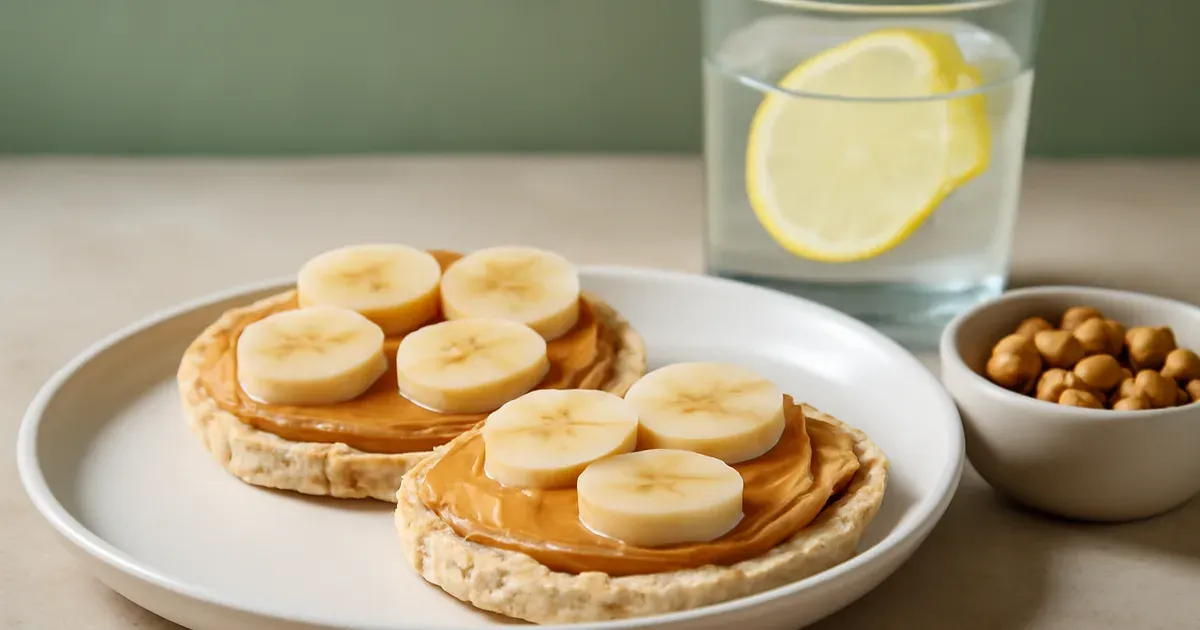
Simple, portable, and genuinely satisfying, rice cakes topped with natural peanut butter and sliced unripe banana tick every box for a low FODMAP snack. Unripe bananas are lower in fructans than ripe ones, making them the safer choice on this diet. Peanut butter provides protein and monounsaturated fats that slow digestion and keep blood sugar stable — which indirectly benefits the gut-brain axis by preventing the cortisol spikes that can worsen gut permeability. Actionable tip: use plain rice cakes (not flavoured varieties, which often contain onion or garlic powder) and limit peanut butter to two tablespoons to stay within safe FODMAP thresholds.
Gut-Brain Insight: Your gut microbiome produces over 90% of the body's serotonin. Every snack choice is also a mood choice. Eating low FODMAP foods reduces gut inflammation, which research increasingly links to lower rates of anxiety and depression via the gut-brain axis.
5. Lactose-Free Cheese and Gluten-Free Crackers
A cheese plate is one of the most underrated low FODMAP snacks, and it doubles as a microbiome-friendly option when chosen carefully. Hard cheeses like cheddar, brie, camembert, and Swiss are naturally low in lactose and safe in standard portions. Pair them with gluten-free crackers made from rice or corn flour, and you have a balanced snack rich in calcium, protein, and fat. The fatty acids in aged cheese may also support the integrity of the gut lining — a key factor in preventing the "leaky gut" associated with chronic gut-brain disruption. Actionable tip: ready-made cheese snack packs from brands like Epicured are a convenient option if you want something pre-portioned and verified FODMAP-friendly delivered to your door.
6. Low FODMAP Protein or Granola Bars
When you need something you can throw in your bag and eat anywhere, a verified low FODMAP snack bar is invaluable — but the label check is non-negotiable. Many mainstream bars contain honey, inulin, chicory root, or high-fructose corn syrup, all of which are high FODMAP. Look for bars that use maple syrup or rice syrup as sweeteners and oats or rice crisps as a base. From a gut microbiome perspective, consistently avoiding high FODMAP fermentable fibres during the elimination phase allows your gut lining to recover and your microbial balance to stabilise. Actionable tip: scan the ingredients for inulin, chicory, agave, and any polyols (sorbitol, mannitol, xylitol, isomalt) before buying — these are the most common hidden culprits in "healthy" bars.
7. Lactose-Free Yoghurt with Low FODMAP Fruit and Seeds
Lactose-free yoghurt is arguably the most gut-brain supportive low FODMAP snack on this list. Standard yoghurt is high FODMAP due to its lactose content, but lactose-free versions retain all the protein, calcium, and live cultures without the digestive risk. Those live cultures — Lactobacillus and Bifidobacterium strains — directly influence the gut microbiome, producing neurotransmitter precursors including GABA and serotonin that travel along the gut-brain axis. Top it with a quarter cup of pomegranate seeds, a handful of raspberries, or five strawberries for polyphenols that act as food for your beneficial bacteria. Actionable tip: choose a plain, unsweetened lactose-free yoghurt and sweeten it yourself with a small drizzle of maple syrup — avoiding honey, which is high FODMAP.

Snacking smarter on a low FODMAP diet is about knowing your ingredients, respecting portion sizes, and thinking beyond just symptom management. Each of these seven snacks is designed to calm your gut, support your microbiome, and — through the gut-brain connection — help you feel steadier and more energised between meals. Balance your snacks with at least two food groups (carb plus protein or fat), always read ingredient labels, and remember that consistency over time is what shifts the needle for both gut health and gut-brain wellbeing.
Frequently Asked Questions
Are low FODMAP snacks also good for gut microbiome health?
Low FODMAP snacks can support a healthier microbiome, especially during the elimination phase. Removing highly fermentable carbohydrates reduces gut inflammation, which allows the gut lining to repair and beneficial bacteria populations to stabilise. Once symptoms improve, the reintroduction phase is equally important — gradually bringing back diverse plant fibres helps rebuild microbial diversity for long-term gut health.
Can I eat low FODMAP snacks if I don't have IBS?
Yes — many low FODMAP snacks are simply whole, minimally processed foods that benefit anyone's digestive health. Fruits, nuts, vegetables, and lactose-free dairy are nutritious choices regardless of whether you have a formal IBS diagnosis. However, the strict low FODMAP elimination protocol is designed for people with diagnosed functional gut disorders and should ideally be supervised by a dietitian.
How do FODMAPs affect the gut-brain axis?
When FODMAPs ferment rapidly in the gut, they can cause gas, bloating, and pain — signals that travel directly to the brain via the vagus nerve and enteric nervous system. This gut-to-brain signalling can heighten anxiety and worsen mood in sensitive individuals. Reducing FODMAP load can break this cycle, calming both the gut and the nervous system response.
How long should I follow a low FODMAP diet?
The elimination phase typically lasts two to six weeks, followed by a structured reintroduction phase. Long-term strict adherence is not recommended because it can restrict beneficial prebiotic fibres that the microbiome depends on. Work with a registered dietitian to complete all three phases: elimination, reintroduction, and personalisation.
What snacks should I avoid on a low FODMAP diet?
Avoid snacks containing honey, agave, high-fructose corn syrup, inulin, chicory, garlic or onion powder, wheat, rye, and sugar alcohols (sorbitol, mannitol, xylitol, isomalt). These ingredients are among the most common FODMAP triggers and frequently appear in products marketed as "healthy" — always read the label before assuming a snack is safe.