Does Mouthwash Damage Your Heart? What We Know
Scientists say claims that mouthwash damages heart health are complex — disrupting oral bacteria may affect nitric oxide and blood pressure.

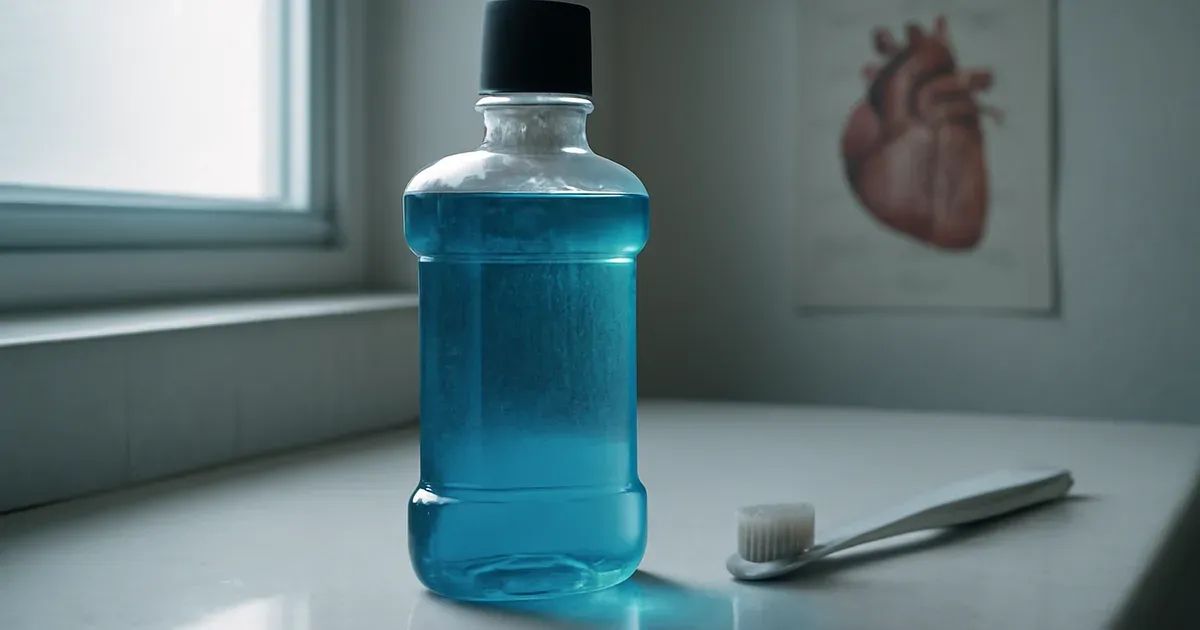
Social media videos are claiming that regular mouthwash use can raise blood pressure and damage heart health — but scientists say the reality is far more complex. According to ScienceAlert, reporting on analysis by Joanna L'Heureux via The Conversation, the concern centres on how antiseptic mouthwash may disrupt the oral microbiome, potentially interfering with a biological pathway critical to cardiovascular function.
Why This Matters for the Oral Microbiome
The mouth is home to over 700 species of bacteria, forming the body's second most diverse microbial community, according to research published in the British Dental Journal. This oral microbiome is not merely a passive resident — it plays an active role in systemic health. A key function involves oral bacteria converting dietary nitrate (found in vegetables such as beetroot and spinach) into nitrite, a precursor the body uses to produce nitric oxide. Disrupting this microbial community through broad-spectrum antiseptic mouthwash may interrupt that conversion process, per ScienceAlert.
The Nitric Oxide Connection Explained
Nitric oxide is essential for regulating blood pressure, relaxing blood vessel walls and supporting healthy cardiovascular function. A study in Nature Reviews Drug Discovery describes nitrate and nitrite as a critical alternative source of nitric oxide, complementing the body's own synthesis pathway. If antiseptic mouthwash kills the oral bacteria responsible for nitrite production, the argument goes, less nitric oxide may be available — potentially contributing to elevated blood pressure. However, according to ScienceAlert, evidence at the population level remains limited and the science is still evolving.
What This Means for Everyday Mouthwash Users
For people focused on gut and overall microbiome health, this story is a timely reminder that microbial ecosystems extend well beyond the digestive tract. The oral microbiome feeds directly into the gut-brain and cardiovascular axis. According to ScienceAlert, occasional mouthwash use is unlikely to pose meaningful risk, but habitual daily use of strong antiseptic formulas may warrant closer attention — particularly for individuals already managing blood pressure or cardiovascular conditions.
The emerging science around mouthwash and heart health underscores a broader truth: disrupting any part of the body's microbial balance carries potential systemic consequences. Per ScienceAlert, researchers are calling for more rigorous human studies before firm conclusions can be drawn — and experts advise against abandoning mouthwash based on viral social media claims alone.