How to Improve Gut Health for a Stronger Heart
Learn how to improve gut health naturally with 5 evidence-based steps that protect your heart and support the gut-brain connection — tailored for UK adults.


You have probably tried eating more salads, cutting back on takeaways, and following the latest wellness trend — only to feel no real difference in your energy, digestion, or overall wellbeing. It is frustrating, especially when you suspect your gut might be at the root of it all.
The truth is, gut health is not just about bloating or digestion. Emerging science shows your gut microbiome directly influences your heart, your mood, and even your long-term disease risk. And for millions of people in the UK, the standard British diet is quietly working against all three. The good news? You do not need a dramatic lifestyle overhaul. Small, targeted changes — grounded in real science — can shift your gut microbiome and your heart health in a matter of weeks.
Why Poor Gut Health Happens in the First Place
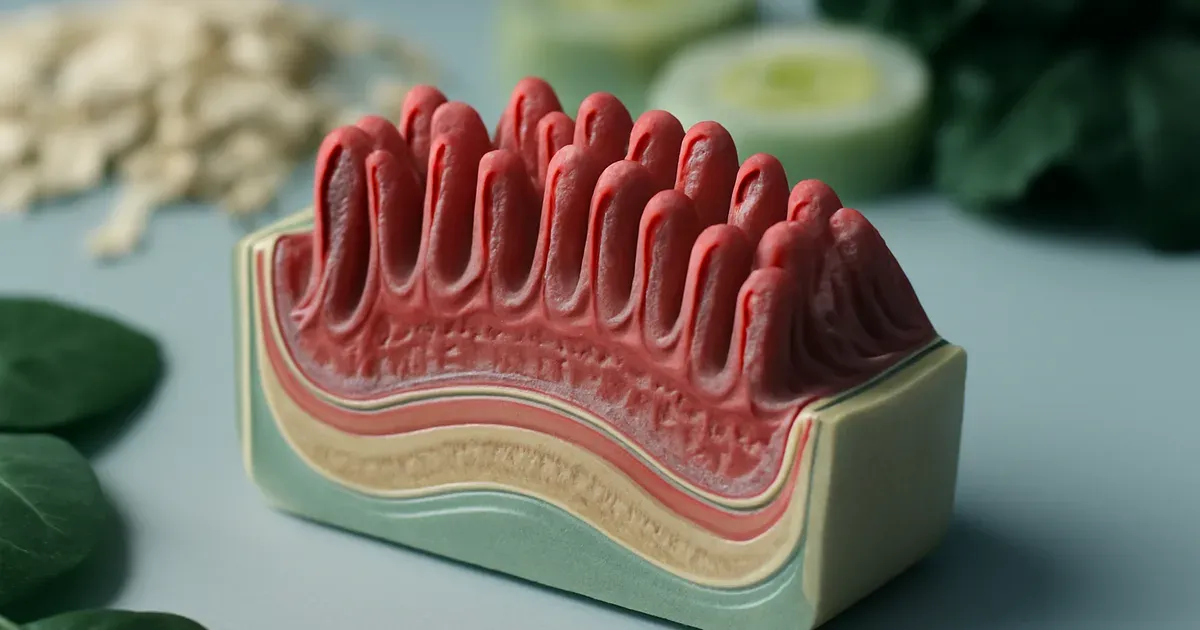
Your gut is home to trillions of microbes — bacteria, viruses, and fungi — collectively known as the gut microbiota. This microscopic community lines your entire digestive tract, from your mouth to your large intestine, and it does far more than digest your lunch.
The gut microbiota regulates your immune system, produces vitamins, synthesises hormones, and generates short-chain fatty acids that protect the lining of your gut wall. It also plays a central role in the gut-brain connection — a two-way communication highway between your digestive system and your brain via the vagus nerve, influencing everything from anxiety to cognitive clarity.
When this microbial community falls out of balance — a state scientists call dysbiosis — the consequences ripple outward. Research published in the Journal of Cellular and Molecular Medicine found that changes in gut microbiota composition and its metabolites are closely linked to the development of cardiovascular disease. One key culprit is a chemical called trimethylamine N-oxide (TMAO), produced when certain gut bacteria metabolise compounds found in red meat and eggs. A review in Gut Microbiota and Hypertension found that elevated TMAO levels are associated with hypertension and inflammation of blood vessel linings — a significant risk factor for heart disease.
The root causes of poor gut health in the UK are well documented:
- Ultra-processed foods dominating the British diet, which are low in fibre and high in additives that harm beneficial bacteria
- Insufficient dietary diversity — most UK adults eat far fewer than the 30 different plant foods per week that research recommends
- Overuse of antibiotics, which disrupt microbial balance
- Chronic stress and poor sleep, both of which alter gut microbiome composition via the gut-brain axis
- Low intake of fermented foods, which are not yet a staple of the traditional British diet
Step 1: Eat 30 Different Plant Foods Every Week
Diversity is the single most powerful lever you can pull to improve gut health naturally. Your gut microbes thrive on a wide range of nutrients, and different species of bacteria require different types of plant matter to survive and flourish.
Aiming for 30 different plant foods per week might sound daunting, but the category is broad: fruits, vegetables, wholegrains, nuts, seeds, herbs, spices, and legumes such as chickpeas, lentils, and kidney beans all count. A sprinkle of mixed seeds on your porridge in the morning, swapping white rice for a mixed grain blend, or picking up three differently coloured peppers instead of one — these small swaps add up faster than you might expect.
Why does variety matter so much? A more diverse gut microbiome is a more resilient one. Research consistently shows that people with a higher diversity of gut microbes have lower rates of inflammatory conditions, including heart disease. The UK Biobank — one of the world's largest health research databases — has provided data supporting the link between dietary diversity and reduced chronic disease risk in the British population.
Pro tip: Keep a simple tally on your phone. You will be surprised how quickly 30 plants becomes achievable once you start paying attention — and how naturally your gut health improves as a result.
Step 2: Prioritise Fibre at Every Meal
Fibre is the preferred fuel of your gut microbiota, and most adults in the UK fall well short of the recommended 30g per day. According to the NHS Eatwell Guide, the average UK adult consumes only around 18g of fibre daily — barely half the target.
Microbes ferment dietary fibre to produce short-chain fatty acids like butyrate, which nourishes the cells lining your gut wall, reduces inflammation, and helps regulate the immune system. But fibre's benefits extend to your heart, too. Research published in the British Medical Journal has shown that higher dietary fibre intake is associated with a significantly lower risk of coronary artery disease and other cardiovascular conditions. Scientists believe this is partly because soluble fibre reduces the absorption of LDL ("bad") cholesterol into the bloodstream by binding to it and helping remove it from the body.
The best high-fibre foods to focus on include:
- Oats, barley, and rye (rich in beta-glucan, a particularly heart-friendly soluble fibre)
- Legumes: lentils, black beans, butter beans, chickpeas
- Vegetables: broccoli, carrots, leeks, and artichokes
- Fruits: apples, pears, berries, and bananas (especially slightly unripe ones, which contain resistant starch)
- Wholegrains: wholewheat bread, brown rice, quinoa
Pro tip: Increase fibre gradually over two to three weeks to avoid bloating. Drink plenty of water alongside — fibre needs hydration to do its job properly.

Step 3: Add Fermented Foods to Support Your Microbiome
Fermented foods are one of the most direct ways to introduce beneficial bacteria into your gut — and they are increasingly easy to find in UK supermarkets. Live yogurt, kefir, kimchi, sauerkraut, miso, and kombucha all contain active cultures that can help restore and diversify your gut microbiota.
This matters for your heart health because a balanced microbiome is better equipped to metabolise polyphenols — the powerful plant antioxidants found in foods like olive oil, berries, tea, and dark chocolate. Human cells cannot digest around 90 per cent of polyphenols on their own. Instead, we rely on gut microbes to ferment them before they can be absorbed into the bloodstream, where they exert their anti-inflammatory and cardioprotective effects.
The gut-brain connection is also relevant here. Fermented foods influence the production of neurotransmitters, including serotonin — around 90 per cent of which is produced in the gut, not the brain. A healthier microbiome, supported by fermented foods, may help regulate mood, reduce stress reactivity, and support better sleep — all of which feed back positively into gut health itself.
For those new to fermented foods, start with a small daily serving of live yogurt or a 100–150ml glass of kefir. These are widely available across UK retailers and are a gentle introduction to the category.
Pro tip: Look for products labelled "live cultures" or "active cultures" — not all yogurts or fermented products contain viable bacteria. Check the refrigerated section rather than shelf-stable versions where possible.
Step 4: Embrace Polyphenol-Rich Foods and the Mediterranean Pattern
Polyphenols are among the most researched compounds in nutritional science, and their relationship with the gut microbiome is central to understanding how diet protects the heart. These antioxidant-rich plant chemicals are found in extra virgin olive oil, nuts, seeds, berries, dark leafy greens, green tea, red wine (in moderation), and a wide range of legumes.
The Mediterranean diet — which is rich in all of these — is consistently associated with lower rates of heart disease, stroke, and type 2 diabetes in both UK and global research. The NHS and the British Dietetic Association (BDA) both recognise the Mediterranean dietary pattern as one of the most evidence-based approaches to long-term cardiovascular health.
Here is the gut microbiome connection: Because we need a diverse range of gut bacteria to ferment and unlock the benefits of thousands of different plant polyphenols, a polyphenol-rich diet and a diverse microbiome reinforce each other. The more varied your plant intake, the more microbial diversity you cultivate; the richer your microbiome, the more polyphenols your body can absorb and use.
In practical terms, swapping your cooking oil for extra virgin olive oil, adding a small handful of walnuts to your afternoon snack, and drinking green tea instead of a second coffee are low-effort changes that compound meaningfully over time.

Step 5: Protect the Gut-Brain Axis Through Stress and Sleep Management
The gut-brain connection is not just a metaphor — it is a physical, biochemical reality. The gut and brain communicate constantly through the vagus nerve, through circulating hormones, and through the microbes themselves, which produce neuroactive compounds including GABA, serotonin precursors, and short-chain fatty acids that influence brain function.
Chronic stress triggers the release of cortisol, which alters gut motility, increases gut permeability (sometimes called "leaky gut"), and shifts the composition of the microbiome towards less beneficial species. Poor sleep has a similar effect — even two nights of disrupted sleep have been shown in research at the University of Nottingham and elsewhere to measurably alter gut microbiota diversity.
Managing the gut-brain axis is therefore not separate from improving gut health naturally — it is integral to it. Practical strategies supported by evidence include:
- Mindfulness and breathwork: Even 10 minutes of diaphragmatic breathing daily can reduce cortisol and improve gut motility
- Regular physical activity: Walking 30 minutes a day has been shown to increase microbial diversity independently of diet
- Consistent sleep timing: Going to bed and waking at the same time each day stabilises circadian rhythms, which in turn regulate the gut microbiome clock
- Reducing ultra-processed food consumption: UPFs are associated with higher stress biomarkers and disrupted gut-brain signalling
Pro tip: The NHS offers free access to mental health support tools including the Talking Therapies programme, which can be accessed without a GP referral in many areas of the UK — a useful resource if chronic stress is affecting your gut health.
What to Expect: A Week-by-Week Timeline
Week 1–2: You may notice increased bloating initially as your gut microbiome adjusts to higher fibre and fermented food intake. This is normal and typically settles within 10–14 days. Energy levels and digestion often begin to feel more stable.
Week 3–4: Many people report improvements in bowel regularity, reduced afternoon energy slumps, and a lighter mood — early signals that the gut-brain axis is responding. Inflammation markers can begin shifting within this window.
Month 2–3: More sustained changes in gut microbiome composition become measurable. Research from King's College London's British Gut Project — one of the largest citizen science microbiome studies in the UK — has found that dietary changes can produce meaningful microbiome shifts within 6–8 weeks. Heart health markers such as blood pressure and LDL cholesterol may begin to improve with consistent effort.
Beyond 3 months: The compounding effect of dietary diversity, fermented foods, polyphenols, and stress management becomes increasingly powerful. Gut health improvements tend to self-reinforce as a healthier microbiome makes it easier to absorb nutrients and regulate appetite.

Mistakes That Slow Your Progress
- Going too fast with fibre. Dramatically increasing fibre overnight causes bloating and discomfort, which leads most people to give up. Gradual increases over two to three weeks are far more sustainable.
- Relying on probiotic supplements alone. Supplements can play a supporting role, but they cannot substitute for the prebiotic fibre that feeds beneficial bacteria. Without adequate fibre, probiotic bacteria do not survive long in the gut.
- Eating the same "healthy" foods every day. Routine healthy eating — for example, the same smoothie, salad, and grilled chicken every day — still produces low dietary diversity and limits microbial variety. Mix it up deliberately.
- Ignoring stress and sleep. Diet alone cannot fully overcome the microbiome disruption caused by chronic stress or poor sleep. The gut-brain connection means both levers must be addressed.
- Choosing pasteurised fermented foods. Many commercial sauerkrauts and kimchis on UK supermarket shelves have been heat-treated, killing the live cultures. Look for refrigerated, unpasteurised versions for genuine microbiome benefit.
What Can Help You Get There Faster
Dietary tracking tools. Apps that help you log plant-food variety (rather than just calories) can be genuinely useful in the early weeks. Tracking your "plant points" each week makes the 30-plant goal feel tangible and achievable.
UK-based nutrition guidance. The British Dietetic Association offers a free Food Fact Sheet on gut health, and the NHS Eatwell Guide provides a practical visual framework for building a diverse, fibre-rich plate. The British Nutrition Foundation also publishes accessible, evidence-based resources tailored to UK dietary patterns.
Fermented food starter kits. Making your own kefir or sauerkraut at home is cost-effective and ensures live cultures are present. Starter kits are widely available from UK health food retailers and online, and the process requires minimal equipment or experience.
Your 5-Step Gut Health Action Plan: Quick Recap
✅ Step 1: Eat 30 different plant foods per week — fruits, vegetables, wholegrains, nuts, seeds, and legumes ✅ Step 2: Prioritise fibre at every meal — aim for 30g daily, increasing gradually ✅ Step 3: Add fermented foods daily — live yogurt, kefir, kimchi, or sauerkraut ✅ Step 4: Embrace polyphenol-rich foods and a Mediterranean-style eating pattern ✅ Step 5: Protect the gut-brain axis — manage stress, prioritise sleep, and stay active
Closing Thoughts
Improving your gut health naturally does not require perfection — it requires consistency and variety. The science is clear: what is good for your gut is good for your heart, your brain, and your long-term quality of life. In the UK, where ultra-processed foods and dietary monotony are common challenges, even modest shifts towards plant diversity, fermented foods, and stress management can produce meaningful, measurable change.
Start with one step this week. Add a handful of seeds to your breakfast. Swap one ingredient for something new. Your microbiome — and your heart — will notice.
You might also like
- 7 Gut-Brain Secrets That Could Transform Your Mood
- How to Improve Gut Health Naturally in 5 Steps
- Gut Microbiome Linked to Alzheimer's Stages in New Study
Frequently Asked Questions
How quickly can I improve my gut health through diet?
Research from UK institutions including King's College London suggests that measurable changes in gut microbiome composition can occur within six to eight weeks of consistent dietary changes. Some people notice improvements in digestion, energy, and mood within the first two to four weeks, particularly when increasing fibre and fermented food intake.
What are the best foods for gut health in the UK?
The most evidence-backed foods for gut health in the UK include high-fibre options such as oats, lentils, and vegetables; fermented foods such as live yogurt and kefir (widely available in UK supermarkets); and polyphenol-rich foods such as berries, extra virgin olive oil, and green tea. The NHS 5-a-day recommendation is a useful minimum baseline, but aiming for 30 different plant foods per week is a more ambitious and beneficial target.
Is the gut-brain connection real, and how does it affect my health?
Yes — the gut-brain connection is a well-established area of neuroscience and gastroenterology. The gut and brain communicate via the vagus nerve, circulating hormones, and microbially produced compounds. Around 90 per cent of the body's serotonin is produced in the gut. Disruptions to the gut microbiome — through poor diet, stress, or sleep deprivation — can influence mood, anxiety, and cognitive function.
Can improving gut health lower my risk of heart disease?
Emerging evidence strongly suggests so. Laboratory studies have linked changes in gut microbiota composition to higher cardiovascular risk, and the chemical TMAO — produced by certain gut bacteria — has been associated with hypertension and inflammation of blood vessel walls. Conversely, a fibre-rich, diverse diet is associated with lower LDL cholesterol and reduced coronary artery disease risk, as documented in the British Medical Journal.
Does the NHS provide support for improving gut health?
The NHS offers general dietary guidance through the Eatwell Guide and the 5-a-day programme. For specific gut health concerns such as irritable bowel syndrome (IBS), NHS pathways include referral to registered dietitians via GP surgeries. The British Dietetic Association and British Nutrition Foundation also provide free, UK-specific gut health resources accessible to anyone.
96 Bacterial Strains. Two Shots a Day.
GOODIE is an award-winning fermented drink with 96 live bacterial strains — more than any yogurt or kombucha — never pasteurised, clinically tested, and 8 in 10 users felt less bloating within 14 days. Curious?