Your Oral Microbiome & Gut Health: What to Know
Your oral microbiome is the gateway to your gut health and gut-brain connection. Discover how to improve it naturally with UK-relevant science.


Most people think about gut health and immediately picture the stomach or intestines. But your digestive system begins the moment you open your mouth — and the microscopic community living there may have more influence over your overall health than you ever imagined.
The oral microbiome is a vast, complex ecosystem of bacteria, fungi, viruses, protozoa, and archaea that colonise every surface inside your mouth. Understanding it is not just about fresher breath or whiter teeth. Emerging research is revealing striking connections between oral microbial balance, gut health, the gut-brain connection, and systemic conditions ranging from heart disease to metabolic disorders. For health-conscious adults in the UK, this is science worth paying attention to.
What Is the Oral Microbiome — and Why Does It Matter?
The mouth is not a single environment — it is a collection of distinct microbial landscapes. Studies have shown that different species of microorganisms thrive in different areas of the mouth because of the unique physical and chemical conditions in each zone.
The inner lining of the cheek, known as the buccal mucosa, is largely dominated by Streptococcus species. The tongue, by contrast, is remarkably diverse — home to a variety of bacterial species including Rothia and Veillonella. The gumline, the roof of the mouth, and even the spaces between teeth each harbour their own microbial communities.
Critically, not all of these microorganisms are harmful. The oral microbiome contains both beneficial and pathogenic species, and it is the balance between them that determines whether this ecosystem supports or undermines your health. A disruption to that balance — a state researchers call dysbiosis — can set off a chain of consequences that reach far beyond your teeth.
The Mouth–Gut Axis: A Two-Way Street
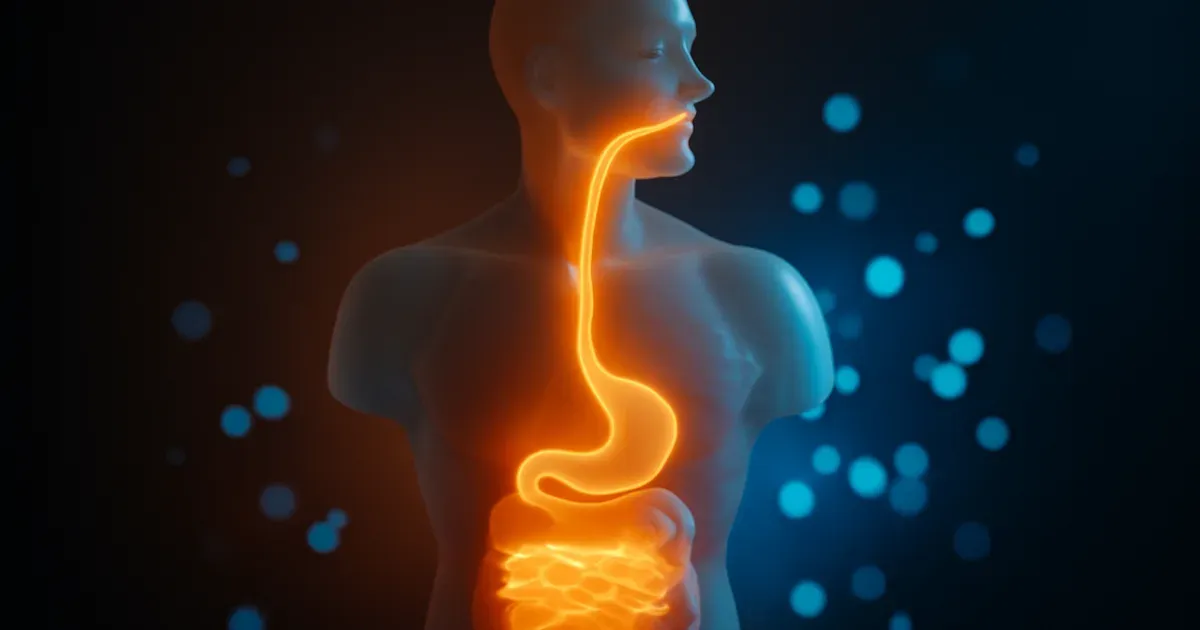
The oral microbiome and the gut microbiome are more closely linked than most people realise. The mouth is the entry point to the entire digestive tract, and research from institutions including King's College London and the University of Cambridge has highlighted how oral bacteria can travel downstream into the gut, potentially altering the microbial communities there.
Under normal circumstances, stomach acid and immune defences help prevent oral bacteria from colonising the intestines. But when oral dysbiosis is present — or when these defences are compromised — pathogenic oral species such as Fusobacterium nucleatum and Porphyromonas gingivalis can take up residence in the gut. Studies have linked elevated levels of these species in the gut microbiome to inflammatory bowel conditions and even colorectal cancer risk.
This is where the gut-brain connection enters the picture. The gut communicates with the brain via the vagus nerve, immune signalling, and microbially produced metabolites such as short-chain fatty acids (SCFAs) and neurotransmitter precursors. When the gut microbiome is disrupted by a flood of pathogenic oral bacteria, these signals can be altered — potentially affecting mood, cognition, and stress responses. For anyone interested in microbiome UK research, the oral-gut-brain axis represents one of the most exciting frontiers in current science.
When the Balance Breaks Down: Health Consequences
An unhealthy oral microbiome means the balance of microorganisms in your mouth has been disrupted. Both an overgrowth of harmful species and a depletion of beneficial ones can drive oral conditions including tooth decay, gum disease, bad breath, and oral infections.
But the consequences rarely stay confined to the mouth. Low-grade chronic inflammation — particularly from periodontitis (severe gum disease) — has been associated with a range of systemic conditions:
- Heart disease: Inflammatory mediators from gum infections can enter the bloodstream, contributing to arterial inflammation and cardiovascular risk.
- Type 2 diabetes: The relationship between periodontitis and blood glucose dysregulation appears bidirectional — each condition can worsen the other.
- Digestive disorders: Pathogenic oral species reaching the gut can disrupt the intestinal microbiome, potentially contributing to conditions such as irritable bowel syndrome (IBS) and inflammatory bowel disease (IBD).
- Mental health: Via the gut-brain axis, persistent gut dysbiosis seeded by oral pathogens may influence anxiety, low mood, and brain fog — though research in this area is still developing.
In the UK, where NHS waiting times for dental care have lengthened in recent years, understanding these broader systemic risks adds urgency to maintaining oral health between appointments.
How do you know if your oral microbiome is healthy? Fresh breath, firm pink gums, and teeth free from sensitivity or decay are encouraging signs. Persistent bad breath, bleeding gums, frequent mouth ulcers, or a coated tongue can all indicate dysbiosis worth discussing with your dentist or GP.

How to Support Your Oral Microbiome Naturally
The good news is that the oral microbiome is remarkably responsive to lifestyle choices. Dental hygiene, diet, alcohol intake, smoking, and even stress levels all influence its composition. Here is what the evidence supports.
1. Practise Thorough, Consistent Oral Hygiene
Brushing twice daily and flossing every day remains the single most evidence-backed way to maintain a healthy oral microbiome. The CDC's oral health guidance for adults recommends brushing twice a day and flossing daily to prevent the accumulation of harmful bacteria. In the UK, NHS guidance aligns with this — adding that fluoride toothpaste should be used and that brushing should last at least two minutes.
Regular dental check-ups are equally important. Professional cleanings remove calcified plaque (tartar) that brushing cannot address and allow early identification of dysbiosis-related conditions before they escalate.
Tongue scraping — while less commonly discussed in UK dentistry — is gaining attention as an adjunct hygiene practice. The tongue's complex surface traps anaerobic bacteria responsible for volatile sulphur compounds, a primary driver of bad breath and a marker of oral dysbiosis.
2. Eat a Diet That Feeds the Right Bacteria
What you eat directly shapes which microorganisms thrive in your mouth — and by extension, your gut. A diet rich in whole grains, vegetables, fruits, legumes, nuts, and seeds provides the dietary fibre and polyphenols that beneficial oral and gut bacteria depend on.
Fibre is particularly significant. The British Nutrition Foundation and the UK Eatwell Guide both recommend 30g of dietary fibre daily — a target most UK adults fall significantly short of. Fibre fermentation by beneficial gut bacteria produces SCFAs, which reduce systemic inflammation, support the gut lining, and modulate immune responses that influence the entire gut-brain axis.
Polyphenol-rich foods — such as berries, green tea, extra-virgin olive oil, and dark leafy vegetables — have demonstrated prebiotic-like effects in the oral cavity, selectively encouraging beneficial bacterial species while suppressing pathogens. Research from King's College London's British Gut Project has reinforced the message that plant diversity is one of the strongest predictors of a healthy microbiome in the UK population.
Limit added sugars. Cariogenic bacteria such as Streptococcus mutans ferment dietary sugars to produce acids that erode tooth enamel and create the acidic conditions in which harmful species flourish. High-sugar diets also drive systemic inflammation — undermining both oral and gut microbiome health simultaneously.
3. Limit or Avoid Alcohol
Alcohol has a measurable disruptive effect on both the oral and gut microbiomes. It alters the relative abundance of microbial species in the mouth, reduces salivary flow (saliva being a critical antimicrobial defence), and increases intestinal permeability — the so-called "leaky gut" effect — which allows microbial products to enter systemic circulation and trigger inflammation.
For cancer prevention, minimising alcohol intake is recommended by leading oncology institutions. UK Chief Medical Officers advise that the low-risk guideline is no more than 14 units per week for both men and women, spread across several days — with clear benefits to both oral and gut health from reducing intake further.
4. Stop Smoking
Smoking is one of the most potent disruptors of the oral microbiome. It dramatically alters bacterial community composition in the mouth, enriching pathogenic species and depleting beneficial ones. Smokers have significantly higher rates of periodontitis, oral candidiasis, and oral cancer — all conditions rooted in microbial imbalance.
Beyond the mouth, the inflammatory and oxidative stress caused by smoking impairs gut barrier integrity and has been associated with altered gut microbiome diversity. NHS Stop Smoking Services offer free, evidence-based support across the UK — addressing one of the most controllable risk factors for both oral and gut microbiome health simultaneously.
5. Manage Stress and Prioritise Sleep
The gut-brain connection means that psychological stress has direct physiological consequences for your microbiome. Chronic stress elevates cortisol, which suppresses immune defences in saliva and alters the microbial landscape of the mouth. Via the gut-brain axis, stress-driven changes in gut permeability and motility further disrupt the downstream microbial communities that oral bacteria seed.
Prioritising quality sleep, practising stress management techniques such as mindfulness or physical activity, and supporting the vagus nerve through breathwork are all emerging as evidence-backed strategies to protect microbiome health — from mouth to gut.

The British Diet, Oral Health & the Microbiome: Where We Stand
UK dietary patterns present both challenges and opportunities for oral and gut microbiome health. Data from the National Diet and Nutrition Survey (NDNS) consistently shows that UK adults consume insufficient fibre, too much added sugar, and more alcohol than guidelines recommend — all factors that impair both oral and gut microbial diversity.
At the same time, the UK is home to some of the world's leading microbiome research. Institutions including King's College London, Imperial College London, the University of Reading, and the University of Nottingham are advancing our understanding of how the British diet gut health relationship can be optimised. The British Gut Project — one of the largest citizen science microbiome studies globally — continues to generate data that can help personalise dietary advice for UK adults.
The NHS increasingly recognises gut health as central to broader wellbeing, and the case for integrating oral microbiome awareness into NHS gut health messaging is growing stronger as the science matures.
The Bottom Line
Your oral microbiome is not separate from your gut health — it is the beginning of it. The bacteria, fungi, and other microorganisms living in your mouth are the upstream influencers of your gut microbiome, your immune system, and — through the gut-brain connection — your mental and neurological wellbeing.
Improving oral hygiene, increasing dietary fibre and plant diversity, limiting alcohol, quitting smoking, and managing stress are not isolated actions. They are interconnected interventions that support a continuous microbial ecosystem — from mouth to gut to brain. For UK adults navigating an increasingly complex health landscape, this is one of the most actionable and evidence-supported places to start.
Frequently Asked Questions
Can poor oral health actually damage my gut microbiome?
Yes — the evidence is increasingly clear. Pathogenic bacteria originating in the mouth, such as Fusobacterium nucleatum and Porphyromonas gingivalis, can travel through the digestive tract and colonise the gut when defences are compromised. Once established, these species can drive gut dysbiosis, inflammation, and may contribute to conditions including IBD and colorectal disease.
How does the oral microbiome connect to the gut-brain axis?
The connection is indirect but significant. Oral dysbiosis can seed gut dysbiosis, which in turn disrupts the microbial production of neurotransmitter precursors and short-chain fatty acids that communicate with the brain via the vagus nerve. Research into this oral-gut-brain axis is ongoing at several UK universities, including King's College London.
What foods are best for oral microbiome health in a UK diet?
Focus on plant diversity, fibre, and polyphenols. Vegetables, fruits, legumes, whole grains, nuts, and seeds support both oral and gut beneficial bacteria. Fermented foods such as live yoghurt and kefir — increasingly available in UK supermarkets — may also help replenish beneficial bacterial populations. Limit added sugar and ultra-processed foods, which feed cariogenic and pathogenic species.
How often should I see a dentist to protect my microbiome?
NHS guidelines recommend regular dental check-ups, with frequency based on individual risk. For most adults, this means at least once every one to two years, though those with a history of gum disease or tooth decay may need more frequent visits. Professional cleaning removes calcified plaque that home hygiene cannot address — a key step in controlling pathogenic bacterial populations.
Is bad breath a sign of gut problems as well as oral issues?
It can be. While most cases of bad breath (halitosis) originate in the mouth — from anaerobic bacteria on the tongue and between teeth — persistent halitosis that does not respond to oral hygiene improvements may signal gut dysbiosis, low stomach acid, or other digestive issues. If in doubt, speaking to your GP alongside your dentist is a sensible first step available through NHS pathways.
You might also like
- How to Improve Gut Health With Meditation Naturally
- Gut Health Breath Tests Explained: Your Questions Answered
- Six Subtle Coeliac Disease Symptoms to Never Ignore
96 Bacterial Strains. Two Shots a Day.
GOODIE is an award-winning fermented drink with 96 live bacterial strains — more than any yogurt or kombucha — never pasteurised, clinically tested, and 8 in 10 users felt less bloating within 14 days. Curious?