How to Improve Gut Health With Meditation Naturally
Discover how to improve gut health naturally using meditation. UK science shows daily practice reshapes your microbiome and strengthens the gut-brain connection


You have tried the kombucha. You have added the fermented foods. You have swapped white bread for sourdough and dutifully increased your fibre intake in line with UK dietary guidelines. Yet something still feels off — the bloating, the low mood, the foggy thinking that nobody warned you were all connected.
The missing piece might not be on your plate at all. Emerging science is pointing to a surprisingly simple, cost-free practice as one of the most powerful ways to improve gut health naturally: meditation. Not as a replacement for good nutrition, but as a complementary tool that may reshape the very bacteria living inside you.
This guide walks you through exactly how to use meditation to support your gut-brain connection, what the research actually says, and the practical steps you can take starting this week — no expensive supplements required.
Why Your Gut Health Struggles in the First Place
The gut microbiome is extraordinarily sensitive to the signals your nervous system sends. When you are stressed, anxious, or chronically distracted, your body triggers a cascade of hormonal and inflammatory responses that alter the composition of the trillions of bacteria living in your digestive tract.
Here is why so many people in the UK struggle to improve gut health naturally, even when they eat well:
- The stress-microbiome loop: Chronic psychological stress reduces microbial diversity — the single most important marker of a healthy gut — by disrupting the gut-brain axis, the two-way communication network linking your central nervous system to your enteric nervous system.
- Inflammation as the hidden driver: Low-grade systemic inflammation, common in modern UK lifestyles characterised by poor sleep, sedentary work, and ultra-processed foods, suppresses beneficial bacterial strains and allows potentially harmful ones to proliferate.
- The antibiotic legacy: The NHS reports that antibiotic prescribing in the UK remains high. Each course can wipe out beneficial bacteria for months, and without active strategies to rebalance the microbiome, diversity may never fully recover.
- Overlooked mind-body pathways: Most gut health advice focuses exclusively on diet, ignoring the powerful top-down influence the brain exerts on gut function. The UK Eatwell Guide covers nutrition well, but the psychological dimension of gut health is rarely addressed in primary care.
- Disconnection from recovery practices: Meditation, breathwork, and other nervous-system regulation tools are underused in the UK despite growing NHS interest in social prescribing and self-management strategies for chronic conditions.
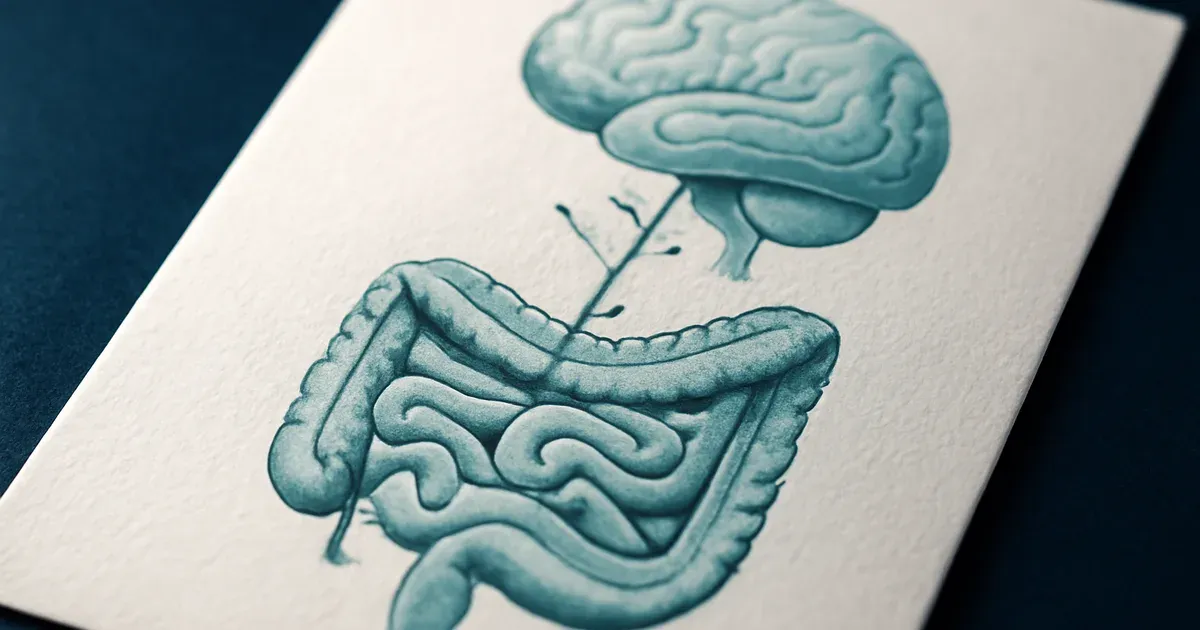
Step 1: Understand the Gut-Brain Connection Before You Begin
Knowing the "why" dramatically improves adherence. Before you sit down to meditate, take a moment to understand what you are actually doing at a biological level — because this is not about relaxation alone.
Your gut and brain are in constant dialogue via the vagus nerve, a long cranial nerve that runs from your brainstem down through your chest and abdomen. This nerve carries signals in both directions: stress messages from the brain alter gut motility and bacterial balance, while gut bacteria produce neurotransmitters — including around 90% of the body's serotonin — that feed back to influence mood and cognition. This is the gut-brain connection in action.
A 2023 study published in General Psychiatry analysed stool and blood samples from Tibetan Buddhist monks who had meditated for at least two hours a day for between three and thirty years. The monks showed significantly higher levels of beneficial bacteria — including Lactobacillus and Bifidobacterium — compared with secular neighbours matched for age, diet, blood pressure, and heart rate. These bacterial strains are associated with reduced anxiety, lower depression risk, improved immune function, and reduced cardiovascular disease markers.
Practical action for this step: Read one short, credible summary of the gut-brain axis — the British Nutrition Foundation and British Dietetic Association both publish accessible overviews. Grounding your practice in evidence makes it feel purposeful, not indulgent.
Pro tip: Share this research with your GP if you are managing IBS, anxiety, or a mood disorder. NHS England's Long Term Plan increasingly recognises the role of lifestyle interventions alongside clinical treatment.
Step 2: Choose the Right Style of Meditation for Gut Health
Not all meditation practices are equal when it comes to influencing the gut microbiome UK researchers and their global counterparts are beginning to study.
The monks in the General Psychiatry study practised Tibetan Buddhist meditation — a form rooted in the ancient Indian Ayurvedic system, combining focused attention, open monitoring, and compassion-based techniques. While you do not need to adopt a religious framework, the evidence points towards practices that sustain deep, consistent calm rather than brief, app-based distraction breaks.
The three styles with the strongest evidence base for stress reduction and therefore gut-brain axis regulation are:
- Mindfulness-Based Stress Reduction (MBSR): An eight-week structured programme developed at the University of Massachusetts and now widely available through NHS Talking Therapies and private providers across the UK. Studies from King's College London and UCL have linked MBSR to reductions in inflammatory markers.
- Loving-Kindness Meditation (Metta): A compassion-focused practice shown to reduce cortisol and promote vagal tone, which directly supports healthy gut motility and microbiome diversity.
- Transcendental Meditation (TM): The technique favoured by Tom Hanks, introduced to him by Jerry Seinfeld. TM uses a silent mantra repeated twice daily for twenty minutes and has a substantial evidence base for cardiovascular and stress benefits — both relevant to gut health UK adults should consider.
Practical action for this step: Pick one style and commit to it for a minimum of eight weeks. Consistency matters far more than technique perfection. Free MBSR resources are available through the NHS website and Headspace for NHS, which offers free access to all NHS staff and is discounted for the wider public.

Step 3: Build a Daily Meditation Habit That Actually Sticks
The microbiome changes observed in long-term meditators did not happen overnight. The monks in the study had practised for years — a reminder that the gut microbiome responds to sustained signals, not one-off interventions. That said, early shifts in stress hormones and vagal tone can begin within days, and measurable changes in gut bacterial composition have been documented in lifestyle intervention studies within eight to twelve weeks.
Here is how to build a sustainable daily practice:
- Start smaller than you think necessary. Five to ten minutes each morning is sufficient to begin shifting your autonomic nervous system towards the parasympathetic (rest-and-digest) state that supports healthy gut function. Resist the urge to do thirty minutes on day one and nothing by day three.
- Anchor your session to an existing habit. Habit-stacking — a technique well-supported by behavioural science research from UCL — involves pairing your meditation with something you already do reliably: after your morning tea, before your evening shower, or immediately after your commute.
- Use body-scan or breath-focused techniques first. These activate the vagus nerve most directly and are the easiest entry point for beginners. Slowly extend to twenty minutes over four to six weeks.
- Track consistency, not duration. A simple tally chart on your fridge noting each day you sat down — even for five minutes — builds the identity of "someone who meditates" faster than any app streak.
- Consider a local group. UK-based mindfulness centres, Buddhist societies, and NHS-linked wellbeing programmes offer in-person sessions that significantly improve long-term adherence compared with solo practice.
Pro tip: Research from the University of Oxford's Mindfulness Centre suggests group-based mindfulness programmes produce stronger outcomes for anxiety and low mood than self-directed practice alone — relevant for anyone using meditation to support gut-brain health.
Step 4: Pair Meditation With Gut-Friendly Nutrition
Meditation reshapes your microbiome from the top down — via the nervous system — but your gut bacteria still need the right raw materials to thrive. Combining a consistent meditation practice with evidence-based dietary changes produces a synergistic effect that neither intervention achieves alone.
The British Gut Project, a citizen science initiative led by researchers at King's College London, has generated some of the most comprehensive UK microbiome data in the world. Its findings consistently show that dietary diversity — particularly plant diversity — is the single strongest predictor of microbial richness in the British diet.
Prioritise these evidence-backed dietary strategies alongside your meditation practice:
- Eat 30 different plant foods per week. This includes vegetables, fruits, wholegrains, legumes, nuts, seeds, herbs, and spices. The British Gut Project found that people eating 30+ plants per week had significantly greater microbiome diversity than those eating fewer than 10.
- Increase fermented foods gradually. Yoghurt with live cultures, kefir, sauerkraut, kimchi, and miso provide direct microbial input. The BDA recommends introducing these slowly to avoid temporary bloating.
- Prioritise prebiotic fibre. Leeks, onions, garlic, Jerusalem artichokes, and oats feed the beneficial bacteria your meditation practice is helping to cultivate. The UK Eatwell Guide recommends 30g of fibre daily — most UK adults consume only around 18g.
- Reduce ultra-processed foods. UK Biobank data links high UPF consumption to reduced microbiome diversity and increased systemic inflammation — directly counteracting the anti-inflammatory pathways meditation appears to enhance.

Step 5: Monitor Your Progress — Mind, Gut, and Body
Tracking is the bridge between intention and lasting change. Because gut health improvements are often subtle and gradual, many people abandon beneficial practices before the results become noticeable. Building a simple monitoring system keeps you anchored to your progress.
Here is a practical framework for tracking your gut-brain health journey in the UK context:
- Mood and anxiety scores: Use validated tools such as the PHQ-9 (depression) or GAD-7 (anxiety) — both freely available through the NHS and widely used in UK primary care. Retake them every four weeks.
- Digestive symptom diary: Note bloating, bowel habit regularity, and discomfort on a simple 1–10 scale each morning. Apps such as the Cara Care gut health tracker allow structured logging.
- Sleep quality: Sleep and the microbiome share a bidirectional relationship. Improved sleep is often one of the earliest reported benefits of consistent meditation — and better sleep further supports microbial balance.
- Energy and brain fog: Cognitive clarity is frequently the first subjective shift people notice when their gut-brain connection begins to improve. Log it weekly.
- Optional: Microbiome testing. Consumer gut microbiome tests are available in the UK from providers such as Zoe and Atlas Biomed. While not diagnostic, they offer a baseline and repeat measure to observe shifts over three to six months.
What to Expect: A Week-by-Week Timeline
Progress is rarely linear, but having a realistic framework prevents discouragement.
Weeks 1–2: Establishing the habit is the primary goal. You may notice slightly improved sleep and a modest reduction in acute stress responses. No measurable gut changes yet — but you are already shifting the hormonal environment your microbiome lives in.
Weeks 3–4: Many practitioners report reduced bloating and more regular bowel habits as vagal tone improves and the gut-brain axis begins recalibrating. Mood may stabilise slightly.
Weeks 5–8: With consistent daily practice and dietary support, early microbiome shifts become possible. Research from multiple intervention studies suggests bacterial diversity can measurably increase within this window when lifestyle changes are combined.
Months 3–6: This is where the evidence from long-term meditators becomes most relevant. Anti-inflammatory pathways strengthen, immune markers improve, and the beneficial bacteria associated with reduced anxiety and depression risk become more established in the gut ecosystem.
Beyond 6 months: The monks in the General Psychiatry study had practised for years. Think of your meditation practice as a long-term investment in your microbiome UK health trajectory — compounding quietly in the background every day you show up.

Mistakes That Slow Your Progress
- Meditating sporadically rather than daily. The gut microbiome responds to consistent signals. Three sessions one week and none the next produces minimal sustained benefit. Regularity beats intensity every time.
- Expecting fast, dramatic results. Microbiome changes are gradual. Abandoning the practice after two weeks because you "don't feel different" is the most common reason people miss the window where real shifts begin.
- Ignoring diet entirely. Meditation alone cannot compensate for a diet low in fibre and high in ultra-processed foods. The two interventions work synergistically — neither is sufficient in isolation.
- Choosing a style that does not suit your personality. If silent sitting feels unbearable, try walking meditation or yoga nidra instead. Adherence to any practice beats theoretical superiority of a practice you never do.
- Dismissing it as "not scientific enough." The General Psychiatry study was peer-reviewed and published by the British Medical Journal group. UK microbiome research is increasingly taking mind-body practices seriously. Follow the evidence, not the scepticism.
What Can Help You Get There Faster
Structured programmes provide accountability and evidence-based frameworks. The NHS-linked Mindfulness-Based Cognitive Therapy (MBCT) programme is available free in many areas for people with recurrent depression, and MBSR courses are increasingly available through GP referral under social prescribing schemes.
Gut microbiome testing from reputable UK providers (Zoe, Atlas Biomed, or the British Gut Project's citizen science programme at King's College London) can give you a baseline and help you see objective improvement over time. This turns an abstract health goal into a measurable, motivating data point.
Dietary tools and resources from the British Dietetic Association, British Nutrition Foundation, and NHS Eatwell Guide offer free, evidence-based frameworks for increasing plant diversity and fibre intake — the nutritional side of the gut health UK equation that works in tandem with your meditation practice.
Your Quick-Start Checklist
✅ Understand how the gut-brain connection links your mental state to your microbiome ✅ Choose one meditation style (MBSR, Loving-Kindness, or TM) and commit for 8 weeks ✅ Start with 5–10 minutes daily and anchor it to an existing habit ✅ Pair meditation with 30 plants per week and 30g of fibre daily ✅ Track mood, digestion, sleep, and energy every week ✅ Use validated NHS tools (PHQ-9, GAD-7) to measure mental health progress monthly ✅ Consider a UK microbiome test for objective baseline data ✅ Be patient — meaningful gut microbiome changes build over months, not days
You Are Closer Than You Think
The science is clear: the gut-brain connection is real, measurable, and modifiable. The monks in the General Psychiatry research were not doing anything mystical — they were consistently and repeatedly activating a biological pathway that reshaped their microbiomes over time. You can do the same.
Start with five minutes tomorrow morning. Pair it with the breakfast you were already going to make. Add one extra plant food to your plate. These small, compounding actions are how you improve gut health naturally — without overhauling your life overnight.
Your gut is listening to your mind. It is time to give it something good to hear.
You might also like
- Gut Health Breath Tests Explained: Your Questions Answered
- Gut Health UK: How Your Microbiome Fights Infection
- 7 Worst Foods Destroying Your Gut Health
Frequently Asked Questions
How long does meditation take to improve gut health?
Early shifts in gut-brain signalling can occur within days, as the autonomic nervous system begins spending more time in the parasympathetic (rest-and-digest) state. However, measurable changes in gut bacterial composition typically require eight to twelve weeks of consistent daily practice, with more substantial microbiome remodelling occurring over three to six months. The Tibetan Buddhist monks whose microbiomes were studied in General Psychiatry had practised for between three and thirty years — suggesting the benefits compound significantly over time.
Can meditation help with IBS in the UK?
Irritable Bowel Syndrome affects an estimated 10–20% of the UK population, making it one of the most common gut conditions managed through NHS primary care. Mindfulness-Based Stress Reduction has been studied as an adjunct therapy for IBS, with trials showing reductions in symptom severity, pain, and psychological distress. While meditation is not a standalone treatment, it can complement NHS-recommended dietary approaches such as the low-FODMAP diet and gut-directed hypnotherapy, which is already available via NHS referral in some areas.
Which type of meditation is best for gut health?
There is no single "best" type, but practices that consistently activate the vagus nerve and reduce cortisol are most directly linked to gut-brain health. MBSR has the strongest clinical evidence base in UK settings. Loving-Kindness meditation shows promise for reducing inflammation. Transcendental Meditation has robust cardiovascular evidence. The most effective practice is the one you will actually do every day — consistency outweighs technique.
Does the NHS recommend meditation for gut health?
The NHS does not yet formally recommend meditation specifically for gut health, but NHS England's Long Term Plan supports social prescribing and self-management strategies that include mindfulness. MBCT is available on the NHS for recurrent depression, and NHS Talking Therapies services across England offer mindfulness-based interventions. As UK microbiome research matures — including work from King's College London, the British Gut Project, and University of Oxford — clinical guidance is expected to evolve.
Do I need to combine meditation with diet changes to see gut health benefits?
Yes — combining both produces the strongest results. Meditation works top-down, reducing stress hormones that disrupt microbial balance and enhancing the anti-inflammatory pathways that protect beneficial bacteria. Diet works bottom-up, providing the prebiotic fibre and fermented foods that feed those bacteria directly. The British Gut Project's data consistently shows that plant diversity is the strongest dietary predictor of microbiome richness in the UK — pairing this with a consistent meditation practice creates a self-reinforcing cycle of gut-brain health improvement.
96 Bacterial Strains. Two Shots a Day.
GOODIE is an award-winning fermented drink with 96 live bacterial strains — more than any yogurt or kombucha — never pasteurised, clinically tested, and 8 in 10 users felt less bloating within 14 days. Curious?