Prebiotics, Probiotics & the Ageing Microbiome
New Scientist reports that prebiotics, probiotics and postbiotics show promise for the ageing gut microbiome, but diet remains the key lever for gut health UK.

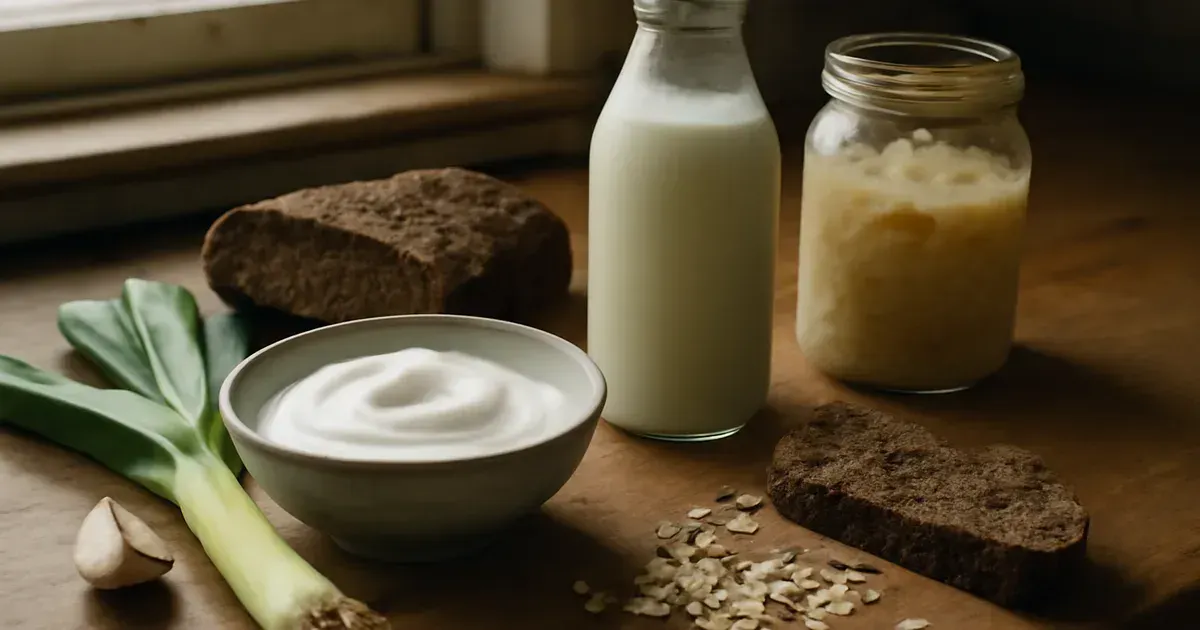
Recent trials examining whether prebiotics, probiotics, or postbiotics can restore balance to an ageing gut microbiome are shedding new light on one of the most significant challenges in gut health UK researchers and clinicians face. According to science writer Graham Lawton, writing in New Scientist on 19 June 2026, disruption to the gut microbiome is both a major consequence and a possible cause of ageing — raising urgent questions about whether dietary and supplemental interventions can genuinely reverse that decline.
Why This Matters for the Gut-Brain Connection
The gut microbiome does not age gracefully. According to New Scientist, microbial diversity tends to fall as we grow older, and the balance of bacterial species shifts in ways that may accelerate biological ageing rather than simply reflect it. This has direct relevance to the gut-brain connection: a less diverse microbiome is increasingly linked in research to cognitive decline, low mood, and systemic inflammation. In the UK, where an ageing population places growing pressure on NHS pathways, understanding how to improve gut health naturally has never carried more clinical urgency.
Trials Test Three Distinct Approaches
The interventions under scrutiny fall into three categories, per New Scientist. Prebiotics — dietary fibres that feed beneficial bacteria — represent the most accessible route, broadly consistent with UK Eatwell Guide advice to increase fibre intake. Probiotics introduce live bacterial strains directly, while postbiotics deliver the bioactive by-products of bacterial metabolism without live organisms. Lawton reports that recent clinical trials have been examining which of these approaches, if any, can meaningfully replenish a microbiome that ageing has depleted, with results that are promising but still far from definitive.
What This Means for UK Adults
For health-conscious adults in the UK, the findings reinforce that no single supplement is yet a proven solution. According to New Scientist, diet remains the foundational lever — a point consistent with guidance from the British Dietetic Association and the British Nutrition Foundation, both of which emphasise fibre diversity as central to microbiome UK health. Ongoing UK microbiome research, including work supported by institutions such as King's College London and the University of Reading, continues to map how these interventions interact with individual microbiome profiles.
The emerging picture, according to Lawton's reporting, is one of cautious optimism. Prebiotics, probiotics, and postbiotics each show potential, but the science of the ageing gut microbiome — and its profound links to the gut-brain connection — is still being written. UK adults seeking to improve gut health naturally are best served by prioritising a fibre-rich, varied diet while watching this space closely as trial evidence matures.
You might also like
- How to Improve Gut Health Naturally in 5 Steps
- Gut Health UK Explained: Your Biggest Questions Answered
- Gut Health Supplement SlimTide Targets Microbiome
96 Bacterial Strains. Two Shots a Day.
GOODIE is an award-winning fermented drink with 96 live bacterial strains — more than any yogurt or kombucha — never pasteurised, clinically tested, and 8 in 10 users felt less bloating within 14 days. Curious?