Probiotic Foods Restore Gut Microbiome Health
Probiotic and prebiotic foods like kimchi, sauerkraut, garlic and onions can restore gut microbiome balance, supporting immunity, mental health and digestion.

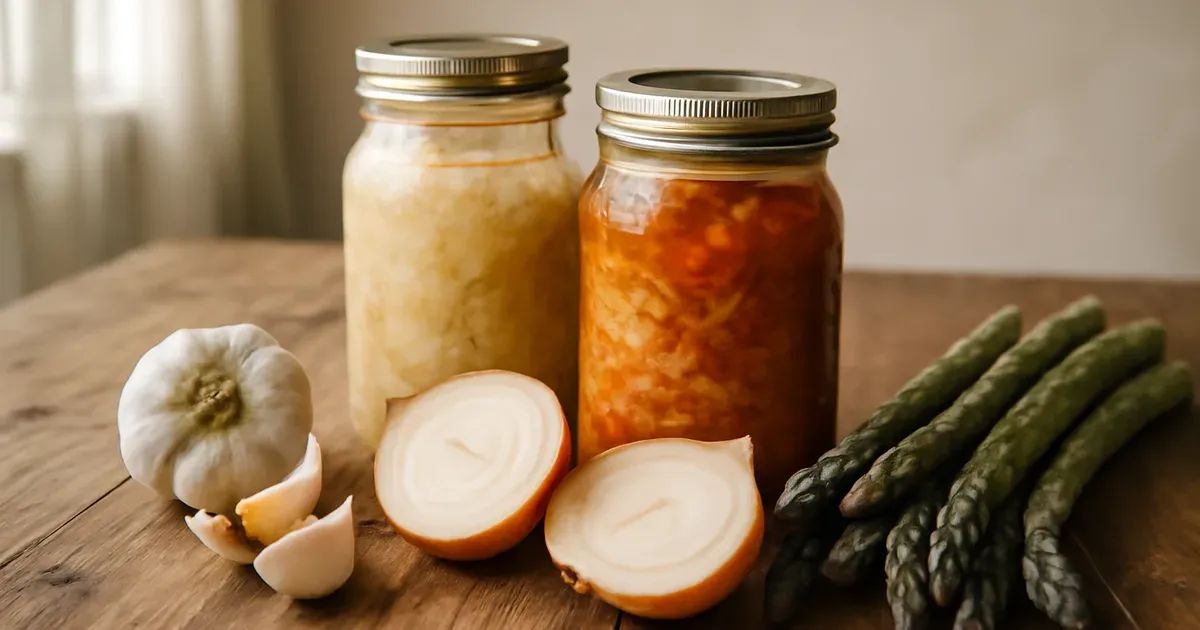
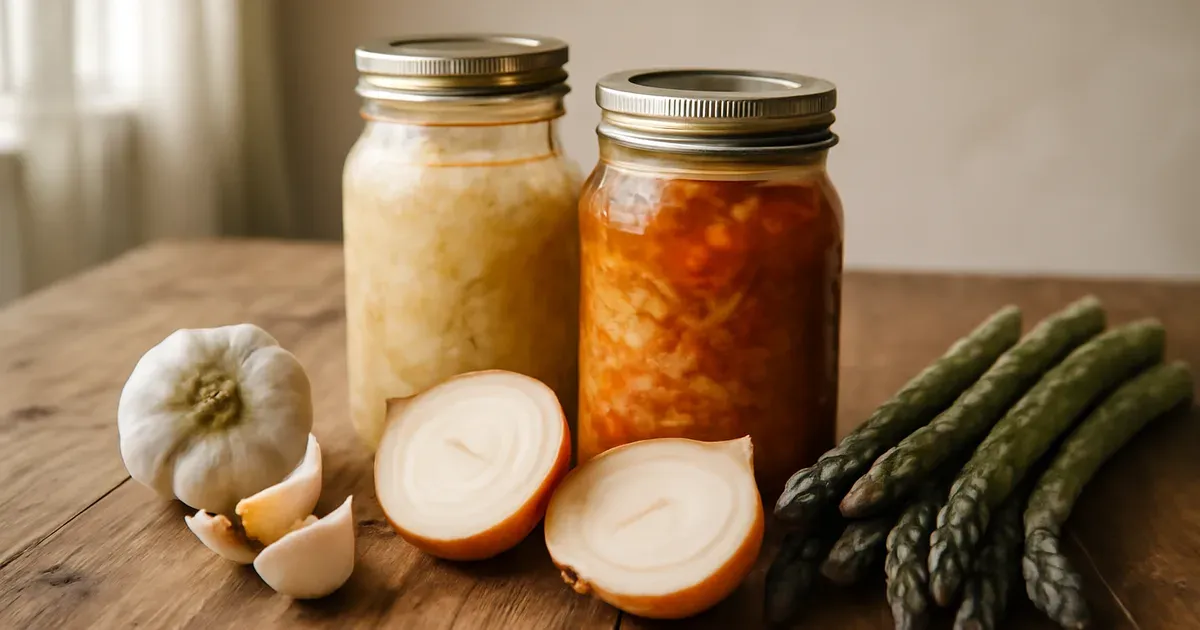
Dietary choices involving probiotic and prebiotic foods may play a critical role in restoring gut microbiome balance disrupted by modern eating habits, according to a report published by NaturalNews.com on April 11, 2026. The piece, authored by Evangelyn Rodriguez, highlights how fermented foods such as sauerkraut and kimchi, alongside prebiotic-rich vegetables like garlic, onions, and asparagus, can support the trillions of microorganisms that govern digestive and overall health.
Why This Matters
The gut microbiome — the vast community of bacteria, fungi, and other microbes residing in the digestive tract — influences far more than digestion alone. Per NaturalNews.com, researchers link the microbiome to immune function, mental health, systemic inflammation, and the development of chronic disease. Scientists increasingly describe the gut-brain axis as a bidirectional communication network, meaning disruptions in gut microbial balance can ripple outward, affecting mood, cognition, and long-term wellbeing. Modern diets high in processed foods are widely reported to destabilise this ecosystem.
Fermented and Prebiotic Foods as Microbiome Repair Tools
According to the NaturalNews.com report, fermented foods deliver live beneficial bacteria — probiotics — directly to the digestive system, helping repopulate a microbiome compromised by poor diet, stress, or antibiotics. Prebiotic foods, meanwhile, supply the dietary fibre that feeds and sustains existing beneficial bacteria. Garlic, onions, and asparagus are specifically cited as prebiotic staples capable of nurturing microbial diversity. Researchers suggest that combining both food types creates a synergistic effect, amplifying the restoration of healthy gut flora more effectively than either approach alone.
What This Means for Gut and Brain Health
For individuals concerned about digestive discomfort, immune resilience, or mood-related issues tied to the gut-brain connection, the findings suggest a practical, food-first pathway. Per the source, incorporating fermented and prebiotic foods into daily meals may offer a natural strategy to counteract the microbiome damage associated with contemporary diets. No pharmaceutical intervention is implied — the emphasis is on accessible, whole-food dietary adjustments that support the microbial communities underpinning both gut and mental health.
The NaturalNews.com report underscores a growing scientific consensus: the gut microbiome is a central pillar of human health, and diet remains its most powerful modulator. According to the source, restoring microbial balance through probiotic and prebiotic foods represents one of the most evidence-aligned approaches available to support immunity, reduce inflammation, and nurture the gut-brain axis.