Red-Light Therapy for Gut Health: One Writer's Story
Writer Johanna Ferreira uses a red-light therapy device daily for gut relief, highlighting the ongoing struggle many face with chronic digestive issues.

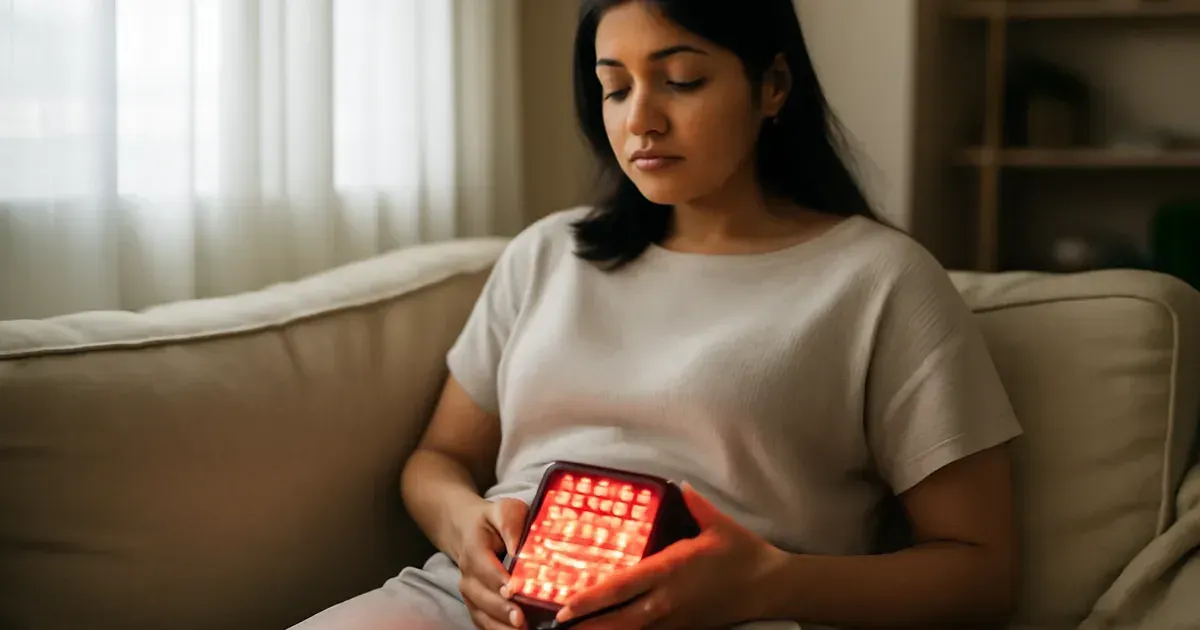
A US writer has described using an at-home infrared red-light therapy device strapped to her lower abdomen each morning as the latest step in a two-decade search for relief from chronic digestive issues, according to a personal account published by The Cut on 16 July 2026. Johanna Ferreira reports spending ten minutes daily with the device and says she is finding some relief, even as she continues searching for a long-term solution.
Why This Matters for Gut Health Research
Ferreira's account reflects a broader trend of individuals with persistent digestive complaints turning to novel, unproven interventions when conventional pathways fall short. In the UK, gut health is an area of growing public and clinical interest, with NHS pathways for conditions such as irritable bowel syndrome (IBS) already stretched. UK microbiome research — including work from King's College London and the British Gut Project — has highlighted how poorly understood the gut remains, and why so many sufferers feel compelled to experiment beyond standard guidance.
The Gut-Brain Connection and the Search for Answers
The gut-brain connection is central to understanding why digestive conditions are so difficult to treat. The gut contains roughly 100 million nerve cells and communicates bidirectionally with the brain via the vagus nerve — a pathway that researchers increasingly link to mood, immunity, and systemic inflammation. Per The Cut, Ferreira has spent more than twenty years attempting to improve gut health naturally through various interventions. Red-light therapy, which uses specific wavelengths of near-infrared light, is not currently recommended by the NHS or supported by established UK dietary guidelines for digestive conditions.
What This Means for UK Readers With Digestive Issues
For health-conscious adults in the UK dealing with ongoing gut complaints, Ferreira's story is a reminder of the gap that still exists between what sufferers experience and what clinical medicine can reliably offer. The British Dietetic Association continues to support evidence-based dietary strategies — including fibre diversity and, for IBS, structured approaches — as first-line tools to improve gut health naturally. Individuals considering devices or therapies outside NHS pathways are advised to consult a registered dietitian or GP before experimenting.
Ferreira's account, published by The Cut, underscores a familiar frustration: that gut health remains one of the most complex and under-solved areas of modern medicine. Until robust clinical evidence for approaches like red-light therapy exists, UK microbiome researchers and dietitians urge caution — and a fibre-rich, varied diet remains the most supported starting point.
You might also like
- How to Boost GLP-1 Naturally for Weight Loss
- UK Diet Gaps Linked to Poor Gut Health
- How to Snack on Low FODMAP (Without the Gut Grief)
96 Bacterial Strains. Two Shots a Day.
GOODIE is an award-winning fermented drink with 96 live bacterial strains — more than any yogurt or kombucha — never pasteurised, clinically tested, and 8 in 10 users felt less bloating within 14 days. Curious?