How to Snack on Low FODMAP (Without the Gut Grief)
How to find and make satisfying low FODMAP snacks in the UK — practical steps, label-reading tips, and gut-friendly recipes for IBS.

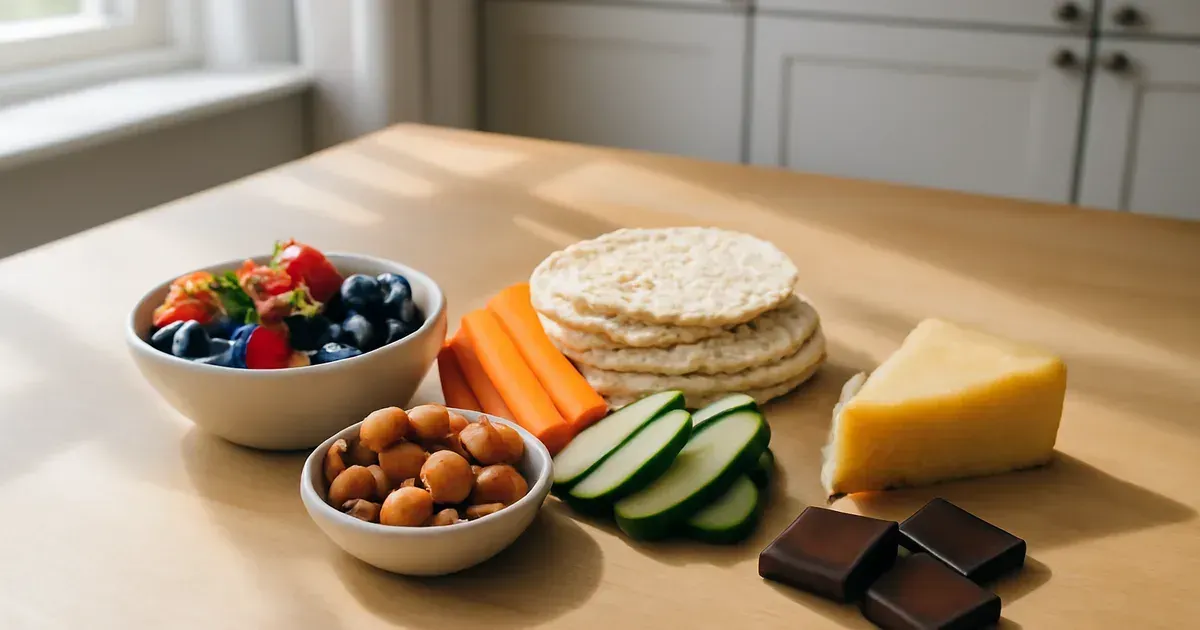
If you are currently navigating life on a low FODMAP diet, you already know the frustration. You stand in a supermarket aisle, pick up what looks like a perfectly innocent snack bar, flip it over — and spot honey, inulin, or chicory root fibre lurking in the ingredients list. Back it goes.
Many people in the UK with IBS try the low FODMAP approach after NHS referral or on the advice of a registered dietitian, only to feel overwhelmed the moment hunger strikes between meals. The meals themselves feel manageable with some planning. Snacks? That is where the wheels come off.
The good news is that with the right knowledge, finding genuinely satisfying low FODMAP snacks — ones that are good for your gut and your microbiome — is entirely doable. This guide walks you through exactly how to do it, step by step, without sacrificing flavour, convenience, or your digestive peace of mind.
Why Gut Discomfort Happens on the Wrong Snacks
FODMAPs are a group of fermentable carbohydrates — Fermentable Oligo-, Di-, and Monosaccharides And Polyols — that resist digestion in the small intestine. When they reach the large intestine, gut bacteria ferment them rapidly, producing gas and drawing water into the bowel. For people with IBS or other functional gut conditions, this process triggers bloating, cramping, loose stools, or constipation.
The gut-brain connection plays a significant role here. Research from King's College London and other UK-based institutions has shown that people with IBS often have a heightened gut-brain axis response — meaning the brain amplifies pain signals from the gut. Stress, anxiety, and poor dietary choices can all worsen this feedback loop, making symptom management about more than just what you eat.
Snacks are often the hidden culprit because many commercially produced products — cereal bars, flavoured nuts, yoghurt pouches — contain high FODMAP ingredients like honey, high-fructose corn syrup, sorbitol, or onion powder. Even foods marketed as "healthy" or "high fibre" may be problematic if the fibre source is chicory root or inulin, both of which are high FODMAP.
- Portion size matters: FODMAP intolerance is dose-dependent, so a small amount of a moderate-FODMAP food may be tolerated, but two servings eaten together can tip you over the threshold.
- Hidden ingredients in "natural" flavourings and spice blends (often containing garlic or onion) are common triggers.
- Protein bars and energy balls frequently use chicory root or inulin as a prebiotic fibre — a gut health benefit for most people, but a trigger for those on low FODMAP.
Step 1: Learn to Read Ingredient Labels Like a Pro
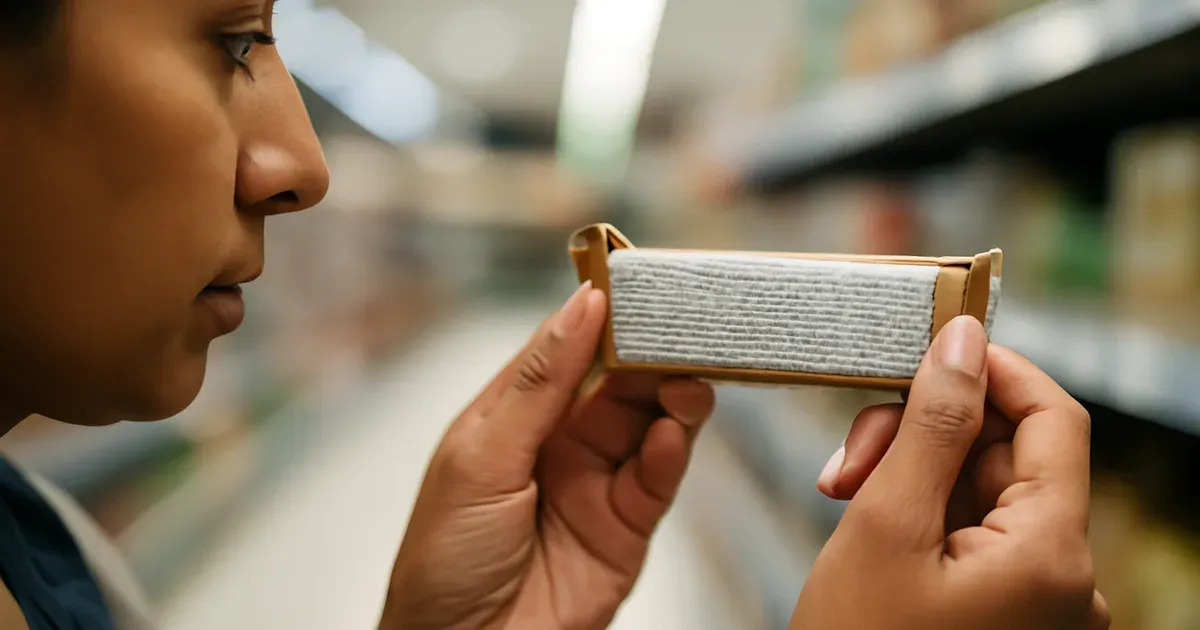
The single most important skill for low FODMAP snacking in the UK is ingredient literacy. Many high FODMAP ingredients hide behind unfamiliar names on British food labels, and the UK's detailed allergen labelling requirements, while helpful, do not flag FODMAP content specifically.
Before buying any packaged snack, scan the ingredients list for these red-flag items: agave, honey, high-fructose corn syrup (or glucose-fructose syrup as it is often labelled in the UK), sorbitol (E420), mannitol (E421), xylitol (E967), isomalt (E953), inulin, chicory root extract, garlic powder, onion powder, and wheat flour.
Fibre-enriched snacks deserve particular scrutiny. The gut-brain axis research community — including teams at Imperial College London — has highlighted that while dietary fibre is broadly beneficial for microbiome diversity and mental wellbeing via the gut-brain connection, the source of that fibre matters enormously for people with FODMAP sensitivity. Oat fibre, for example, is generally low FODMAP in moderate portions. Chicory-derived inulin is not.
Pro tip: Save the Monash University FODMAP app to your phone — it is the gold-standard reference tool, used by NHS dietitians across the UK, and allows you to check ingredients quickly while shopping.
Step 2: Build a Balanced Low FODMAP Snack Plate
Balance is the key to snacks that actually satisfy. A snack built around a single food group — a handful of grapes, say, or a few rice cakes on their own — will leave you hungry again within the hour. The gut-brain connection reinforces this: when blood sugar dips after a carbohydrate-only snack, cortisol rises and gut motility can be disrupted, worsening IBS symptoms.
Aim to combine at least two food groups in each snack: a carbohydrate source paired with protein or healthy fat. This slows gastric emptying, stabilises blood sugar, and keeps the gut-brain axis in a calmer state. Good pairings include:
- Low FODMAP fruit + nuts: Strawberries (5 medium is a safe serving) with 10 almonds or 10 walnut halves.
- Vegetable sticks + a FODMAP-friendly dip: Carrot sticks, cucumber slices, and red pepper strips with a plain garlic-free hummus or a simple olive oil and lemon dip.
- Rice cakes + nut butter: Plain rice cakes spread with peanut butter (which is low FODMAP) make a satisfying, shelf-stable snack.
- Hard cheese + low FODMAP crackers: Mature cheddar is low FODMAP (lactose is minimal in aged cheeses). Pair with plain oatcakes in a sensible portion.
Portion awareness is non-negotiable. Even low FODMAP foods can become high FODMAP at larger quantities. A quarter cup of pomegranate seeds is fine; a full cup is not. Eating several low FODMAP snacks in quick succession can also create a cumulative FODMAP load that triggers symptoms — a concept NHS dietitians refer to as "stacking."
Step 3: Stock Your Kitchen with Low FODMAP Snack Staples
Having the right ingredients at home is the difference between staying on the diet and abandoning it at 4pm on a Tuesday when hunger strikes and nothing safe is within reach. A well-stocked FODMAP-friendly larder removes the decision fatigue that so often derails gut health improvements in the UK.
Here is a practical UK shopping list of low FODMAP snack staples to keep on hand:
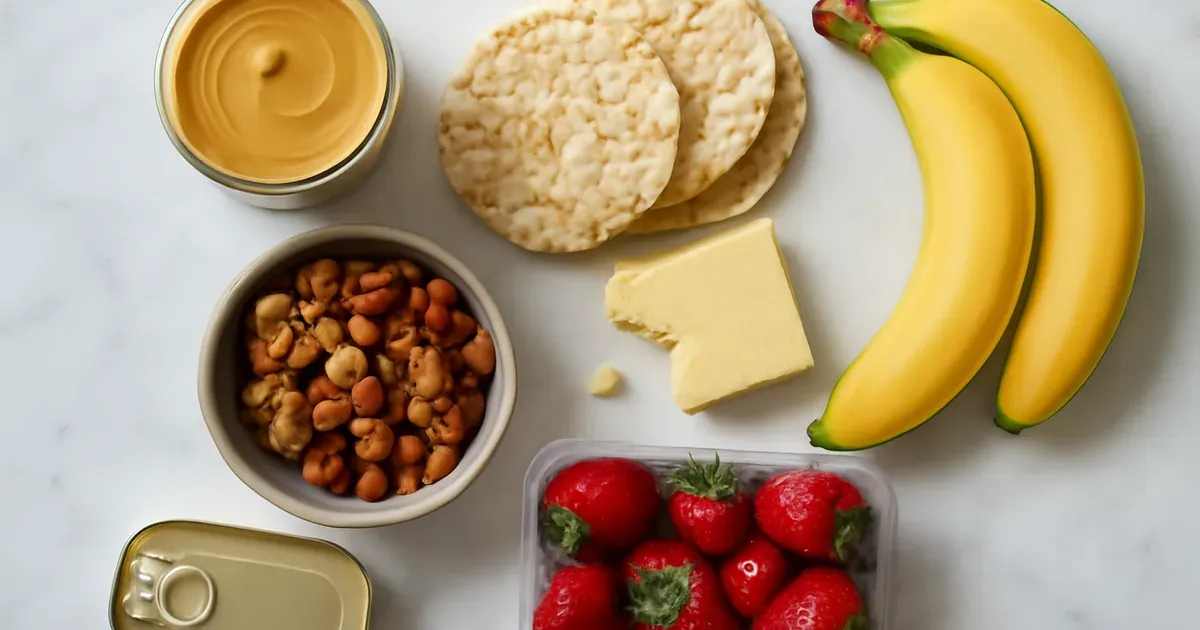
Fruits (check portions): Unripe bananas, blueberries, kiwifruit, oranges, clementines, raspberries, strawberries, grapes, and pineapple (fresh, 1 cup serving).
Nuts and seeds: Almonds (10), peanuts (32), walnuts (10 halves), brazil nuts (10), macadamia nuts (20), and pecans (10 halves). Avoid cashews and pistachios entirely on the elimination phase.
Fridge staples: Mature cheddar, havarti, or brie (all low FODMAP); firm tofu; lactose-free plain yoghurt; cold sliced turkey or chicken breast.
Larder staples: Plain rice cakes, plain oatcakes (check for added wheat), peanut butter (no added honey), dark chocolate (70%+ cocoa, small portions), plain popcorn, and canned tuna in spring water.
A note on UK supermarkets: Most major UK supermarkets — Tesco, Sainsbury's, Waitrose, and M&S — now stock a reasonable range of "free from" products, though these are not always low FODMAP. Always check the label even on gluten-free or "free from" lines, as many use high FODMAP sweeteners or chicory root fibre as substitutes.
Step 4: Make Simple Low FODMAP Snacks from Scratch
Home preparation is your greatest asset when following a low FODMAP diet in the UK, because it puts you in full control of every ingredient. Even five minutes of prep can set you up with snacks that last several days.
No-bake energy bites are a community favourite among FODMAP dieters. Combine rolled oats (not oat bran), peanut butter, a small drizzle of maple syrup (low FODMAP in 2-tablespoon portions), dark chocolate chips, and a pinch of salt. Roll into balls and refrigerate. They take less than five minutes, keep for a week in the fridge or a month in the freezer, and provide a brilliant balance of carbohydrate, protein, and fat that supports stable energy and a calmer gut-brain response.
Turkey and cheese pinwheels are another quick option: lay slices of turkey breast flat, add a slice of mature cheddar, roll tightly, and slice into rounds. Wrap in a corn tortilla for extra substance. Corn tortillas are low FODMAP and widely available in UK supermarkets.
Homemade trail mix gives you full control over the nut-to-portion ratio. Combine a safe quantity of mixed low FODMAP nuts (no cashews or pistachios), a small handful of dark chocolate chips, and a tablespoon of pumpkin seeds. Divide into individual portions in small bags or containers before storing — this prevents mindless overeating that could push your FODMAP load too high.
Pro tip: Batch-prep two or three different snack types on a Sunday. The British Dietetic Association recommends meal prepping as a practical strategy for anyone managing a therapeutic diet like low FODMAP, as it significantly reduces the likelihood of making impulsive food choices that worsen gut symptoms.
Step 5: Navigate On-the-Go and Packaged Snacks Confidently
Life in the UK does not always allow for home-prepared snacks. Commutes, school runs, office days, and travel all call for convenient options that you can pick up or order in advance without triggering symptoms. The good news is that the range of genuinely low FODMAP packaged snacks available in the UK has grown considerably.
When choosing packaged snack bars, the key is to look for brands that have been independently tested or certified against the Monash FODMAP criteria. Several bars available in the UK either carry FODMAP certification or use ingredients that are straightforwardly low FODMAP — plain dark chocolate, oats, maple syrup, peanuts — without added honey, chicory, or polyols.
Plain salted popcorn is one of the most reliably low FODMAP snacks you will find in any UK newsagent or supermarket. A standard single-serve bag (around 25g) is low FODMAP provided there are no added flavourings containing onion or garlic powder. Plain rice cakes, individual nut butter sachets, and small portions of mixed nuts are similarly dependable grab-and-go options.
When eating out or buying from a café, plain oatcakes with cheddar, a banana, or a small bag of plain nuts are usually safe bets. Avoid flavoured crisps (many contain onion powder), cereal bars (most contain honey or chicory), and fruit smoothies (often made with apple, mango, or other high FODMAP fruits).

What to Expect: A Week-by-Week Timeline
The low FODMAP diet operates in phases, and understanding where snacking fits into each phase helps manage expectations.
Weeks 1–2 (Elimination phase): This is the strictest period. Stick to clearly low FODMAP snacks only. Symptoms should begin to improve for most people — research has found that up to 86% of IBS patients following the low FODMAP diet see overall improvement in symptoms including bloating, pain, and altered bowel habits. Use this time to build your snack repertoire and identify your reliable staples.
Weeks 3–6 (Reintroduction phase): You begin systematically reintroducing individual FODMAP groups to identify your personal triggers. Continue snacking from your low FODMAP staples during this phase — do not introduce new snack foods at the same time as you are reintroducing a FODMAP group, as this makes it impossible to isolate the cause of any reaction.
Beyond week 6 (Personalisation phase): You will have a clearer picture of which FODMAPs you tolerate and in what quantities. The Harvard Health guidance notes that long-term strict low FODMAP eating is not recommended, as restricting fermentable carbohydrates long-term may reduce microbiome diversity — a concern well-supported by UK microbiome research. The goal is the most varied diet possible within your personal tolerance window.
Mistakes That Slow Your Progress
- Assuming "gluten-free" means low FODMAP. Many gluten-free products in UK supermarkets use high FODMAP ingredients like apple juice concentrate, agave, or chicory root fibre. Always check the full ingredients list.
- Ignoring portion sizes. Eating three times the recommended serving of a technically low FODMAP food will still cause symptoms. Portion discipline is part of the protocol.
- Snacking too frequently. Eating every hour — even on low FODMAP foods — can create cumulative FODMAP loading. Aim for structured snack times rather than continuous grazing.
- Removing all fermentable fibre permanently. The gut microbiome in the UK — as tracked by projects including the British Gut Project — thrives on dietary diversity and fermentable fibre. Staying on strict low FODMAP beyond the elimination phase risks reducing beneficial bacterial populations.
- Not seeking professional support. The NHS offers access to FODMAP-trained dietitians via GP referral. Navigating reintroduction without guidance significantly increases the risk of unnecessarily restricting foods you actually tolerate.
What Can Help You Get There Faster
Tracking tools: The Monash University FODMAP app is the clinical gold standard and is recommended by NHS dietitians. It is regularly updated with new foods and portion data. A simple food and symptom diary alongside the app helps you identify patterns quickly.
Ingredient-checked pantry staples: Stocking your kitchen with confirmed low FODMAP staples — oats, rice cakes, peanut butter, mature cheddar, plain nuts in measured portions — removes the daily decision burden. The British Nutrition Foundation recommends building any therapeutic diet around a reliable base of whole, minimally processed foods wherever possible.
Dietitian support: Whether via NHS referral or a private registered dietitian (RD) listed on the British Dietetic Association's Find a Dietitian directory, professional guidance significantly improves both adherence and outcomes on the low FODMAP protocol. This is particularly important during the reintroduction phase.
Your Low FODMAP Snacking Checklist
✅ Learn to identify high FODMAP ingredients on UK food labels ✅ Build every snack around at least two food groups (carb + protein or fat) ✅ Stock your kitchen with low FODMAP fruit, nuts, and fridge staples ✅ Batch-prep simple snacks like energy bites and pinwheels at the weekend ✅ Keep reliable on-the-go options to hand (plain popcorn, rice cakes, nut butter sachets) ✅ Respect portion sizes — FODMAP tolerance is dose-dependent ✅ Use the Monash app and a symptom diary to track your responses ✅ Work with an NHS or BDA-registered dietitian, especially during reintroduction
Managing IBS and gut discomfort through the low FODMAP diet is genuinely effective — and snacking does not have to be the weakest link in your plan. With a stocked kitchen, a few batch-prepped options, and the confidence to read a label, you can move through your day without dreading the 3pm hunger dip. Your gut — and the gut-brain connection that influences your mood, focus, and energy — will thank you for it.
You might also like
- How to Boost GLP-1 Naturally for Weight Loss
- Body Types & Gut Health: Your Questions Answered
- Anti-Inflammatory Meal Prep for Arthritis & Gut Health
Frequently Asked Questions
Are oats low FODMAP and safe to snack on in the UK?
Oats are generally considered low FODMAP in moderate portions (up to 52g dry weight per serving according to Monash University data). Plain rolled oats — widely available in UK supermarkets — are a good base for homemade energy bites or overnight oats. However, oat-based products that add chicory root fibre, honey, or dried fruit may not be low FODMAP, so always check the label.
Can I eat yoghurt as a low FODMAP snack?
Standard dairy yoghurt is high in lactose and therefore high FODMAP. However, lactose-free plain yoghurt — available in most UK supermarkets including Tesco and Sainsbury's — is a low FODMAP option. Coconut yoghurt can also work but check for added inulin or chicory. Avoid fruit-flavoured yoghurts as they typically contain high FODMAP fruit purées or high-fructose sweeteners.
Is dark chocolate low FODMAP?
Dark chocolate is low FODMAP in small portions. Monash University rates dark chocolate (70%+ cocoa) as low FODMAP at approximately 30g. It makes a satisfying addition to homemade trail mix or energy bites. Milk chocolate and white chocolate are higher in lactose and should be limited during the elimination phase.
How long should I stay on the strict low FODMAP elimination diet?
The elimination phase is typically two to six weeks, after which you should begin reintroducing FODMAP groups systematically to identify your personal triggers. Staying on strict low FODMAP indefinitely is not recommended — as UK microbiome research and NHS dietary guidance both note, long-term restriction of fermentable carbohydrates can negatively impact gut microbiome diversity. Always work with a qualified dietitian to navigate reintroduction safely.
Are there any low FODMAP snack bars available in UK supermarkets?
Options are improving but require careful label-checking. Some supermarkets stock plain dark chocolate rice cakes, plain oatcakes, and simple nut-and-seed bars that are low FODMAP — but many cereal and protein bars contain honey, chicory root, inulin, or polyols. Your most reliable strategy is to cross-reference products with the Monash FODMAP app before buying. A small number of specialist brands now offer FODMAP-certified products that can be ordered online for delivery across the UK.
96 Bacterial Strains. Two Shots a Day.
GOODIE is an award-winning fermented drink with 96 live bacterial strains — more than any yogurt or kombucha — never pasteurised, clinically tested, and 8 in 10 users felt less bloating within 14 days. Curious?