Saliva Test May Detect Stomach Cancer Early
New research suggests a home saliva test could detect stomach cancer early, offering a non-invasive alternative linked to gut microbiome science.

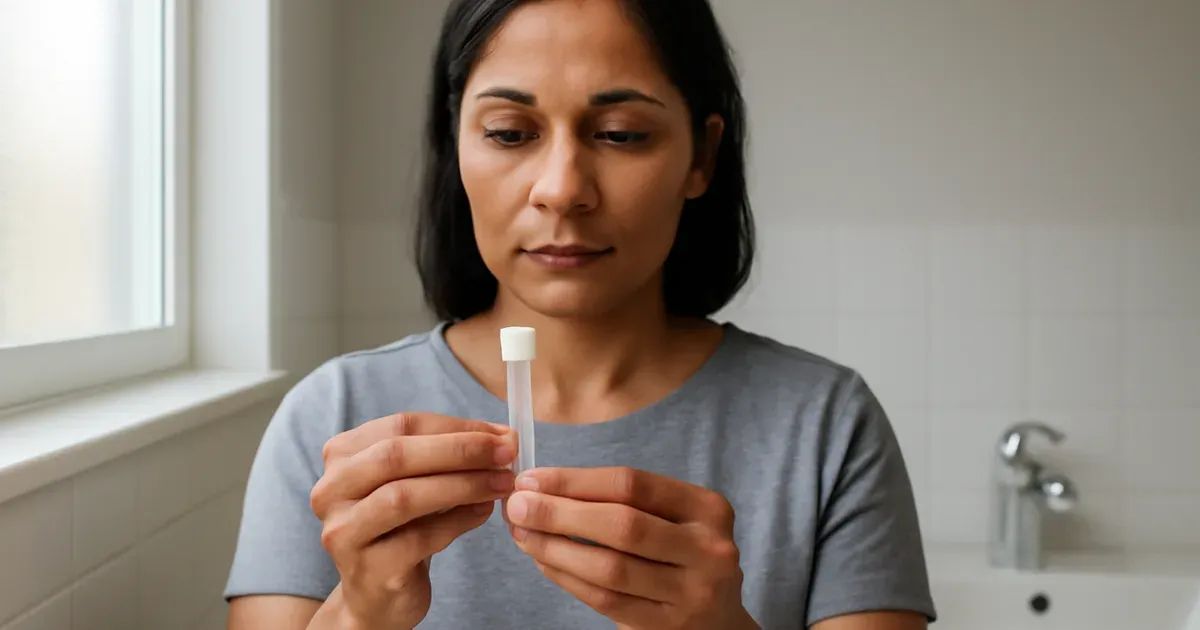
A home saliva test could one day detect stomach cancer at an earlier, more treatable stage, according to promising new research published in April 2026. The study suggests that biomarkers present in saliva may signal the presence of gastric cancer, potentially replacing invasive diagnostic procedures. Stomach cancer is frequently diagnosed late due to its vague, easily overlooked symptoms — making an accessible, non-invasive screening tool a significant development in early cancer detection.
Why This Matters
Stomach cancer — also known as gastric cancer — is one of the leading causes of cancer-related deaths worldwide, largely because it is rarely caught in its early stages. Its symptoms, which can include indigestion, bloating, and mild discomfort, are commonly mistaken for less serious gut conditions. This overlap with everyday digestive complaints means patients and clinicians often delay further investigation. Researchers note that the gut microbiome — the complex community of bacteria residing in the digestive tract — plays a role in gastric health, and disruptions to this ecosystem have been linked to increased cancer risk, according to the study.
Saliva Biomarkers Offer a New Window Into Gut Health
The study found that specific biological markers detectable in saliva could distinguish patients with stomach cancer from healthy individuals. This non-invasive approach could make early screening far more accessible, removing barriers associated with endoscopy and other invasive procedures, per Dailymail.com. The research also intersects with growing scientific interest in the gut-brain axis and the microbiome, as saliva composition reflects broader physiological states — including shifts in gut microbial balance that may precede or accompany disease progression, according to researchers.
What This Means for Gut Health and Cancer Screening
For individuals concerned about gut health or those with a family history of gastric cancer, a validated saliva test could represent a transformative shift in routine screening. Scientists report that wider adoption of such a tool could allow earlier interventions, improving survival outcomes significantly. Ongoing research into the microbiome is also expected to refine which salivary biomarkers are most predictive, potentially linking oral and gut microbiome health as complementary indicators of cancer risk.
The findings highlight a growing frontier in digestive health research: that the body's own fluids, shaped in part by microbiome activity, may carry early warning signals for serious conditions. While the saliva test is not yet available for clinical use, researchers say the results are encouraging and warrant further investigation into non-invasive cancer screening methods rooted in gut and microbiome science.