Sucralose Byproduct DNA Damage: What UK Gut Health Research Shows
A sucralose byproduct damaged DNA in lab experiments, but newer studies find no genotoxicity concern. Here's what UK gut health evidence shows.

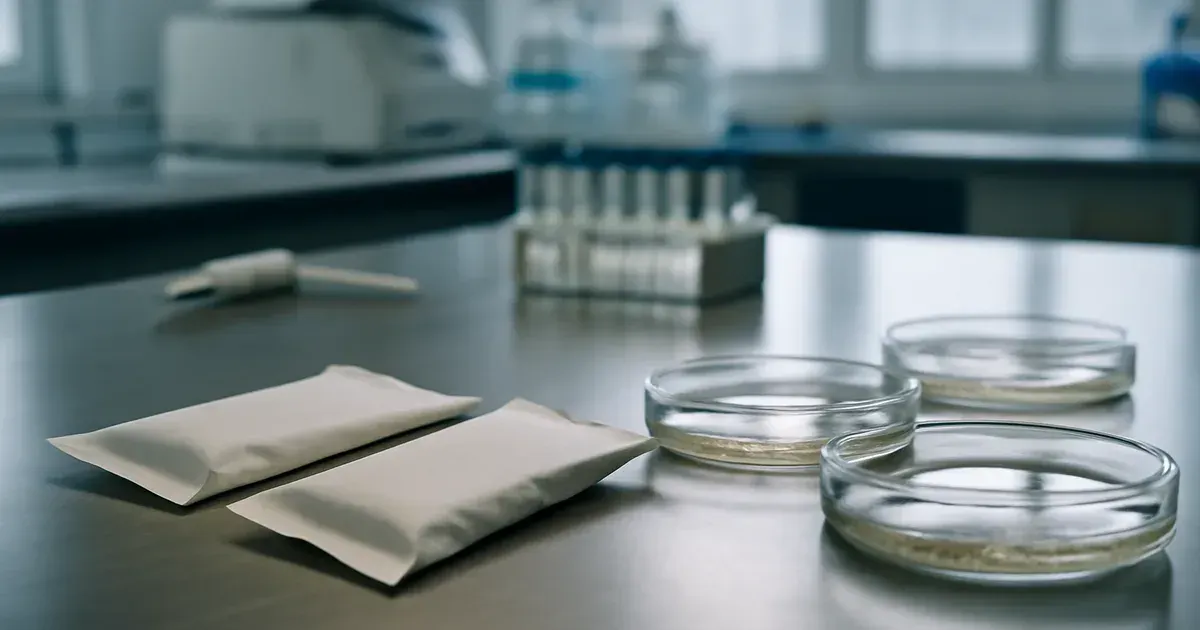
A chemical linked to sucralose — the artificial sweetener sold as Splenda® and found in thousands of food products — has been shown to damage DNA and disrupt the gut barrier in laboratory experiments, according to research published in 2023. However, more recent findings have significantly complicated that alarming picture, leaving scientists divided over what the results mean for everyday consumers in the UK and beyond.
Why This Matters for Gut Health in the UK
Sucralose is among the most widely used non-nutritive sweeteners in the British diet, appearing in products ranging from diet soft drinks to low-sugar baked goods. Gut health UK researchers and registered dietitians have increasingly focused on how artificial sweeteners interact with the gut microbiome, the vast community of microorganisms lining the intestinal tract. A well-functioning gut barrier is central to the gut-brain connection, influencing not just digestion but mood, immunity, and metabolic health, making any potential disruption a matter of serious scientific interest.
The Study Finding: DNA Damage and a Weakened Gut Barrier
The original research identified sucralose-6-acetate — a byproduct and trace impurity associated with sucralose — as the specific compound responsible for the observed harm. The study found that sucralose-6-acetate damaged DNA in human cells and disrupted a laboratory model of the intestinal lining, according to Science Daily. These findings raised concerns about the integrity of the gut barrier, which plays a critical role in preventing harmful substances from entering the bloodstream and in maintaining the microbiome UK scientists have linked to broader health outcomes.
More Recent Evidence Complicates the Picture
Subsequent studies have challenged the severity of those initial conclusions. A 2026 re-evaluation by the European Food Safety Authority found no safety concerns regarding the genotoxicity of sucralose or its impurities and degradation products, based on the full weight of available evidence. Separately, a 2026 study examining genotoxicity and mutagenicity of commercial-grade sucralose reported no concerns in modern bioassays. Scientists note that laboratory conditions do not always replicate real-world human exposure levels, a distinction regulators consider critical.
What This Means for Consumers Looking to Improve Gut Health Naturally
For health-conscious adults in the UK seeking to improve gut health naturally, the current body of evidence does not support cutting out sucralose on the basis of DNA damage alone. Regulatory bodies, including those advising NHS dietary frameworks, continue to review the evidence as it evolves. Those with concerns about artificial sweeteners and microbiome health are advised to consult a registered dietitian, as recommended by the British Dietetic Association, rather than making sudden dietary changes.
The debate over sucralose reflects a broader scientific challenge: translating striking laboratory findings into meaningful public health guidance. As UK microbiome research matures — driven in part by projects such as the British Gut Project and datasets like UK Biobank — the picture of how sweeteners affect gut health in real populations is expected to become considerably clearer in the years ahead.
You might also like
- How to Improve Gut Health with Meditation
- Xylitol Chewing Gum: Good for Teeth and Gut Health
- 5 Drinks to Relieve Constipation, Per Gut Doctor
96 Bacterial Strains. Two Shots a Day.
GOODIE is an award-winning fermented drink with 96 live bacterial strains — more than any yogurt or kombucha — never pasteurised, clinically tested, and 8 in 10 users felt less bloating within 14 days. Curious?