7 Meal Prep Mistakes Wrecking Your Gut & Joints
7 practical meal prep habits to reduce inflammation, support your gut microbiome, and ease arthritis symptoms — with UK-specific dietary guidance.

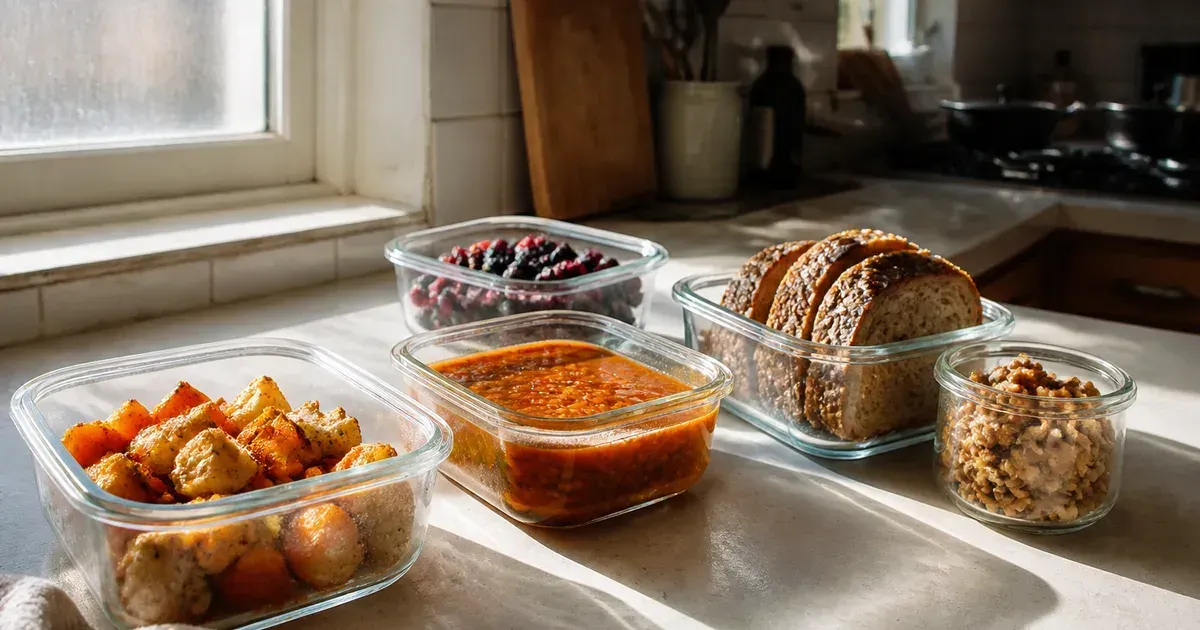
Living with arthritis in the UK means pain and fatigue can make even the simplest kitchen tasks feel overwhelming. It is tempting to reach for a takeaway or a ready meal — but that choice may be quietly fuelling the very inflammation you are trying to calm. What you eat shapes not only your joints but also the trillions of microbes living in your gut, and that microbiome drives your inflammatory response far more than most people realise. The good news: a few smart meal prep habits can change everything.
Registered dietitian Cristina Montoya notes that a typical Western diet — high in processed meats, refined starches, and added sugars, and low in fibre and antioxidants — is directly linked to increased chronic inflammation. Research from institutions such as King's College London and the British Gut Project confirms that dietary diversity is one of the strongest predictors of a healthy microbiome UK-wide.
1. Skipping Meal Prep Because It Feels Too Hard
Pain and fatigue are real barriers, but skipping meal prep entirely means defaulting to ultra-processed foods that starve your gut microbiome of the fibre it needs to thrive. The gut-brain connection means that an undernourished microbiome can amplify pain perception and worsen fatigue — creating a vicious cycle. Start with just one meal or snack per week: batch-cook a simple lentil soup or portion out some overnight oats, and build from there.
2. Using Recipes With Too Many Ingredients
Complex recipes are the enemy of consistency, especially when joint pain is flaring. Recipes with five to ten main ingredients (not counting herbs and spices) are far easier to manage and still deliver impressive nutritional density. Keeping things simple also means you are more likely to reach for whole, minimally processed ingredients rather than convenience shortcuts that disrupt your gut microflora. Choose cooking methods — such as slow cooking or steaming — and assistive devices that reduce strain on your hands and wrists.
3. Neglecting Your Freezer and Storecupboard
Frozen fruits and vegetables are nutritionally comparable to fresh and can be a lifeline when fatigue or pain prevents a trip to the supermarket. Low-sodium tinned chickpeas, lentils, and kidney beans are equally valuable — beans and legumes have been shown in peer-reviewed research to reduce insulin resistance and systemic inflammation. Pre-cut salad bags and ready-washed vegetables also reduce chopping time significantly, making gut-friendly eating far more accessible on difficult days.
4. Ignoring the Gut-Brain Connection at Breakfast
Most people overlook breakfast as a microbiome opportunity, yet the first meal of the day sets the tone for your blood sugar, mood, and inflammatory markers. Fermented dairy products such as plain Greek yogurt or kefir contain live bacteria that support gut diversity — a priority highlighted by the British Gut Project's large-scale UK microbiome research. Try a crispy quinoa breakfast bowl topped with berries and a spoonful of kefir, or an edamame and avocado spread on whole-grain toast, to combine prebiotic fibre with probiotic cultures.
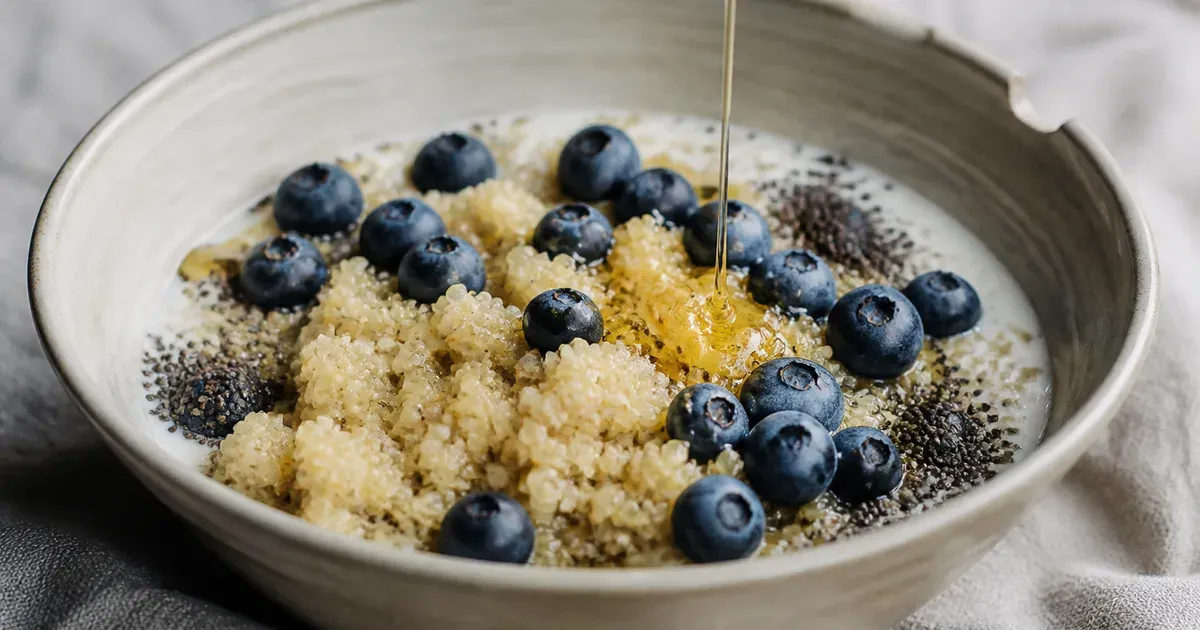
Did you know? The British Gut Project, one of the largest citizen science microbiome studies in the UK, found that people who eat 30 or more different plant foods per week have significantly more diverse gut microbiomes than those who eat fewer than 10. Diversity is the cornerstone of improve gut health naturally — and meal prep is your most practical route there.
5. Forgetting Omega-3s and Healthy Fats
Omega-3 fatty acids are among the most evidence-backed anti-inflammatory nutrients available, and they also play a direct role in the gut-brain axis by supporting the production of short-chain fatty acids and influencing neuroinflammation. In the UK, oily fish such as salmon, mackerel, sardines, and Atlantic herring are affordable and widely available — the NHS recommends at least two portions of fish per week, one of which should be oily. Beyond fish, batch-prepare snacks using walnuts, chia seeds, or hemp seeds, and switch to extra-virgin olive oil as your primary cooking fat to maximise polyphenol intake.
6. Overlooking Herbs and Spices as Medicine
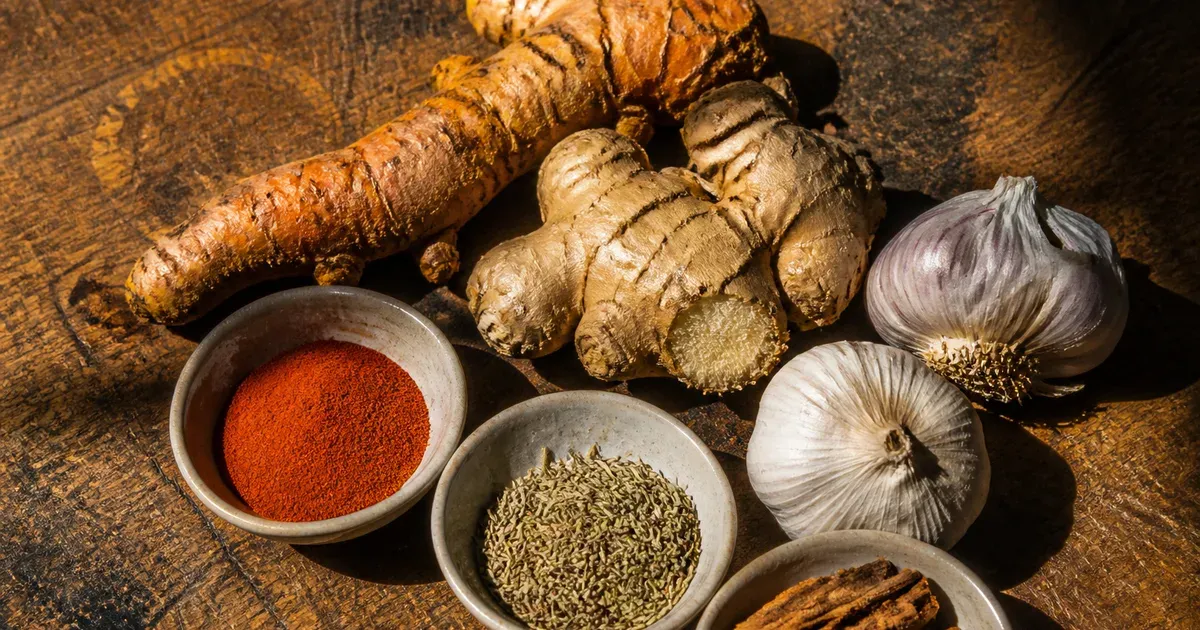
Turmeric, ginger, garlic, rosemary, and cinnamon are not mere flavourings — their phytochemicals carry meaningful antioxidant and anti-inflammatory properties, as outlined in research on culinary herbs and their polyphenol contributions. These compounds also act as prebiotics, feeding beneficial gut bacteria and supporting the gut-brain connection by reducing intestinal permeability. When you batch-cook soups, stews, or grain bowls, make it a habit to add at least two or three of these spices — a turmeric-infused barley and vegetable soup is a brilliant way to combine anti-inflammatory and gut health UK benefits in a single pot.
7. Meal Prepping Without a Flexible Framework
Rigidity is the fastest way to abandon any new habit, particularly when you are managing a fluctuating condition like arthritis. An anti-inflammatory way of eating is an adaptable pattern — not a strict regime — built around plant-based foods with lean animal products in moderation. Use high-energy days to batch-cook grains, roast a tray of vegetables, and prepare a legume-based dip, then mix and match throughout the week. Aim for roughly half your plate to be fruits or vegetables, include two to three servings of whole grains daily, and prioritise fermented foods to consistently improve gut health naturally and support the microbiome UK-wide dietary guidelines increasingly endorse.
A note on personalisation: The British Dietetic Association (BDA) recommends seeking guidance from a registered dietitian to tailor any eating plan to your individual needs, particularly when managing a long-term condition. The NHS Eatwell Guide provides a helpful baseline for portion sizes and food group balance across the UK population.
Frequently Asked Questions
Is an anti-inflammatory diet recommended by the NHS for arthritis?
The NHS does not prescribe a single "anti-inflammatory diet" by name, but NHS guidance for arthritis does encourage a balanced diet rich in fruits, vegetables, whole grains, oily fish, and healthy fats — principles that align closely with anti-inflammatory eating patterns. Speaking with a GP or NHS-registered dietitian is the best starting point for personalised advice.
How does gut health affect arthritis and joint pain?
Emerging research, including studies from King's College London, suggests that an imbalanced gut microbiome (dysbiosis) can heighten systemic inflammation, which in turn may worsen arthritis symptoms. The gut-brain connection means that gut bacteria influence immune responses, pain signalling, and even mood — all of which are relevant to people living with arthritis in the UK.
Which foods are best for gut health and reducing inflammation together?
Foods that serve both goals include fermented dairy (kefir, plain Greek yogurt), legumes, oily fish, colourful vegetables, whole grains such as oats and barley, and nuts and seeds. These provide fibre for gut bacteria, omega-3s for inflammation, and polyphenols that support both microbiome diversity and immune regulation.
How much meal prep is realistic when living with arthritis?
Even one batch-cooking session per week — preparing a large pot of soup or a grain base — can make a significant difference. The key principle is to work with your energy levels, not against them. Use lower-pain days to prepare more, and rely on frozen vegetables, tinned legumes, and pre-cut salads during flares.
Are plant-based diets better for the microbiome than omnivorous diets?
Research from the British Gut Project and UK Biobank suggests that plant diversity — rather than a fully plant-based diet — is the strongest driver of microbiome richness. Eating 30 or more different plant foods per week (including herbs, spices, nuts, and seeds) is associated with greater microbial diversity, regardless of whether you also consume lean animal products in moderation.
You might also like
- 7 Gut Health Habits Transforming Your Microbiome
- How to Improve Gut Health Naturally in 6 Steps
- New Mouth-to-Body Institute Links Oral and Gut Health
96 Bacterial Strains. Two Shots a Day.
GOODIE is an award-winning fermented drink with 96 live bacterial strains — more than any yogurt or kombucha — never pasteurised, clinically tested, and 8 in 10 users felt less bloating within 14 days. Curious?