Sweeteners Alter Gut Bacteria, Study Finds
Cambridge study finds 75% of 39 sweeteners alter gut bacteria, with stronger effects when combined with duloxetine. Key findings for gut health UK.

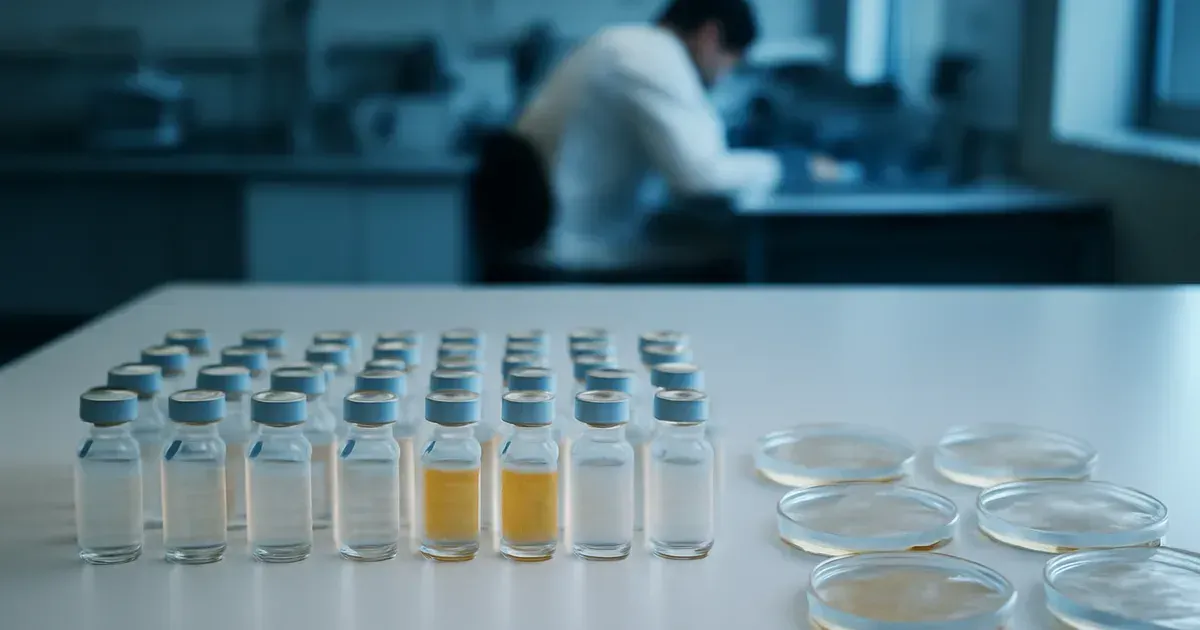
A comprehensive laboratory study from the University of Cambridge has found that approximately three-quarters of 39 commonly used sweeteners directly altered the growth of at least one gut bacterial species — raising fresh questions about the impact of everyday food additives on the microbiome. The research, published in the journal Molecular Systems Biology, also found that combining sweeteners with certain medications amplified these disruptions significantly, with implications for gut health UK-wide.
Why This Matters for the Gut Microbiome
The gut microbiome — the vast community of trillions of bacteria residing in the digestive tract — plays a central role in digestion, immunity, and even mental wellbeing via the gut-brain connection. Sweeteners are among the most widely consumed food additives in the British diet, found in everything from diet soft drinks to low-sugar snacks. Yet their direct effects on gut bacteria have remained poorly understood. This University of Cambridge study represents one of the most systematic investigations to date into how these compounds interact with gut microbial communities, making it directly relevant to UK microbiome research.
What the Cambridge Researchers Found
According to the researchers, the study tested 25 phylogenetically diverse gut bacterial strains against 39 commercially used sweeteners, both individually and in combination with four commonly co-consumed compounds: advantame, caffeine, vanillin, and duloxetine. The study found that mixing sweeteners with duloxetine — an antidepressant widely prescribed on NHS pathways — was particularly disruptive to microbial growth. Scientists report that over 100 distinct interactions were observed when sweeteners were combined with these additional compounds, suggesting that co-consumption context matters enormously for gut health.
What This Means for UK Consumers
For health-conscious adults in the UK, these findings add a layer of complexity to choices around low-calorie and "sugar-free" products. Those taking medications such as duloxetine may face heightened disruption to their gut microbiome when regularly consuming sweetener-containing foods or drinks. The research does not advise specific dietary changes, but it underscores the importance of understanding how common xenobiotics — foreign chemical compounds — interact within the gut environment, a priority area for UK microbiome research bodies including the MRC and Wellcome Trust.
The Gut-Brain Connection Angle
The finding that duloxetine — a drug prescribed primarily for depression and anxiety — interacts with sweeteners to alter gut bacteria is particularly significant given the growing body of evidence around the gut-brain connection. Scientists increasingly recognise that the gut microbiome communicates bidirectionally with the brain via the vagus nerve and other pathways. Disruptions to bacterial populations could, in principle, influence mood, cognition, and stress response, though the Cambridge study did not measure these outcomes directly. Researchers in the UK, including teams at King's College London and Imperial College London, have been at the forefront of exploring these links.
A Developing Area of Science
This study adds important mechanistic detail to a rapidly evolving field. While laboratory findings do not always translate directly to effects seen in living humans, the scale and systematic nature of the Cambridge research — covering 39 sweeteners and 25 bacterial strains — gives it considerable scientific weight. Per the research team, further investigation is needed to understand how these in vitro interactions manifest in the complex environment of the human gut. Consumers wishing to improve gut health naturally are advised to consult the NHS and British Dietetic Association guidance on dietary diversity and fibre intake.
The Cambridge findings serve as a timely reminder that ultra-processed and artificially sweetened products may carry consequences for gut health that extend well beyond their calorie counts — a question that UK microbiome science is only beginning to answer in full.
You might also like
- How to Improve Gut Health Naturally in 6 Steps
- UK Diet Gaps Linked to Poor Gut Health
- Body Types & Gut Health: Your Questions Answered
96 Bacterial Strains. Two Shots a Day.
GOODIE is an award-winning fermented drink with 96 live bacterial strains — more than any yogurt or kombucha — never pasteurised, clinically tested, and 8 in 10 users felt less bloating within 14 days. Curious?