Body Types & Gut Health: Your Questions Answered
Discover how your body type and gut microbiome interact — and how to use both to improve gut health naturally in the UK.


Understanding your body type can feel complicated — and when you layer in the emerging science of gut health, the gut-brain connection, and microbiome research, it can feel downright overwhelming. Whether you are an ectomorph struggling to gain muscle, an endomorph working to manage your weight, or a mesomorph looking to optimise performance, your gut plays a far bigger role than most people realise. This guide answers the questions people in the UK are asking most — clearly and with the evidence to back it up.
Jump to Your Question
What are the three main body types?
How does gut health affect body composition?
What should an ectomorph eat to support muscle gain and gut health?
How does the gut-brain connection influence weight and cravings?
What nutrition plan suits an endomorph, and how does the microbiome fit in?
Can your body type change — and can your microbiome change with it?
What supplements support each body type and a healthy gut?
How does a mesomorph maintain performance while improving gut health naturally?
What are the three main body types?
The three main body types — ectomorph, mesomorph, and endomorph — describe naturally occurring differences in build, metabolism, and body composition. These categories, known as "somatotypes," were first developed in the 1940s by psychologist William Herbert Sheldon, and while some of his original theories have since been revised, the core framework remains useful in sports science and nutrition today.
A 2018 study published in PLoS One found that mesomorph men outperformed ectomorphs on both squat and bench press tests, suggesting that body type can predict as much as a third of an individual's strength potential. Crucially, most people sit somewhere on a spectrum between two types rather than fitting neatly into one.
Here is a quick breakdown:
- Ectomorph: Naturally lean, fast metabolism, struggles to gain muscle or fat
- Mesomorph: Athletic build, gains muscle and loses fat with relative ease
- Endomorph: Broader frame, slower metabolism, gains weight more easily
Knowing your tendency helps you work with your body rather than against it — and that includes supporting your gut microbiome, which also varies significantly between individuals.

How does gut health affect body composition?
Gut health in the UK is increasingly recognised as a key driver of body composition, metabolism, and even appetite regulation — not just digestive comfort. Research from King's College London and the British Gut Project has shown that the trillions of microorganisms living in your digestive tract (collectively your gut microbiome) influence how efficiently you extract energy from food, how you store fat, and how effectively your muscles recover after exercise.
Different microbiome profiles are associated with different metabolic tendencies. People with lower microbial diversity tend to have slower metabolisms and a greater propensity for weight gain — characteristics that overlap with endomorphic traits. Meanwhile, higher microbial diversity is linked to better insulin sensitivity and leaner body composition.
Key ways the gut microbiome affects body composition:
- Energy extraction: Some gut bacteria harvest more calories from the same food
- Fat storage signalling: Gut bacteria influence hormones like leptin and ghrelin
- Muscle recovery: Short-chain fatty acids (SCFAs) produced by gut bacteria reduce exercise-related inflammation
- Nutrient absorption: A healthy gut lining ensures vitamins and minerals reach muscles efficiently
Improving gut health naturally through diet is one of the most evidence-backed strategies available to anyone, regardless of body type.
What should an ectomorph eat to support muscle gain and gut health?
Ectomorphs need a calorie surplus to build muscle, but the quality of those extra calories matters enormously for both physique goals and a thriving gut microbiome. Simply eating more ultra-processed food to hit calorie targets can disrupt the gut microbiome, increase intestinal permeability, and reduce the nutrient absorption that makes muscle growth possible in the first place.
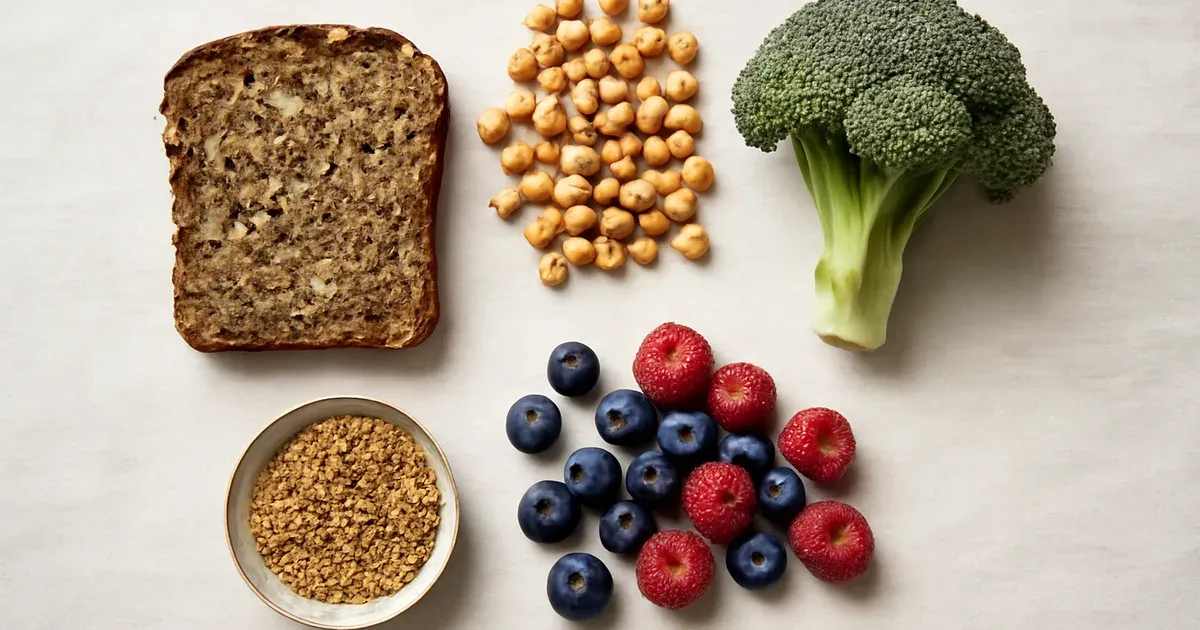
For ectomorphs in the UK, the NHS Eatwell Guide recommends building meals around wholegrains, lean proteins, healthy fats, and a wide variety of fruits and vegetables — guidance that also happens to feed a diverse microbiome. Prioritising fibre-rich carbohydrates (oats, sweet potatoes, lentils) supports the growth of beneficial bacteria while providing sustained energy for training.
Practical priorities for ectomorphs:
- Eat frequently: 4–6 meals or snacks daily to sustain a calorie surplus without discomfort
- Prioritise prebiotic fibre: Garlic, onions, leeks, and bananas feed beneficial gut bacteria
- Include fermented foods: Live yoghurt, kefir, and sauerkraut add beneficial microorganisms
- Protein targets: Aim for 1.6–2.2g of protein per kg of bodyweight daily
- Consider mass gainers: If large meals are difficult, a quality weight gainer can bridge the calorie gap
Supporting the gut-brain connection matters here too — a well-nourished gut communicates satiety signals more reliably, which can actually help ectomorphs overcome the "I'm just not hungry" barrier that often limits muscle gain.

How does the gut-brain connection influence weight and cravings?
The gut-brain connection — the bidirectional communication highway between your digestive system and your brain — directly shapes hunger, cravings, mood, and motivation to exercise. In the UK, NHS research and academic work from UCL and Imperial College London have highlighted how the vagus nerve, gut hormones, and microbial metabolites all send signals upward to the brain that influence behaviour well beyond digestion.
For endomorphs, who often report stronger cravings and a tendency to overeat in response to stress, this is particularly relevant. An imbalanced gut microbiome (dysbiosis) can amplify cravings for sugar and processed foods — creating a cycle that makes weight management harder.
For ectomorphs, disrupted gut-brain signalling can suppress appetite and make eating enough genuinely difficult. And for mesomorphs, chronic stress (mediated partly through the gut-brain axis) can undermine recovery and performance even when training is consistent.
Supporting the gut-brain axis through diet:
- Eat slowly and without distraction — the gut needs time to send fullness signals to the brain
- Reduce ultra-processed foods — these disrupt microbial balance and gut-brain signalling
- Magnesium-rich foods (spinach, nuts, seeds) support both gut motility and stress regulation
- Omega-3 fatty acids from oily fish (mackerel, sardines, salmon) reduce gut and brain inflammation
What nutrition plan suits an endomorph, and how does the microbiome fit in?
Endomorphs benefit most from a nutrition plan centred on whole foods, controlled portions, and a high fibre intake — which also happens to be exactly what the gut microbiome thrives on. Research from the University of Reading has demonstrated that diets high in plant diversity increase microbial diversity, which is consistently linked to healthier weight regulation and reduced metabolic disease risk.
The British Dietetic Association (BDA) recommends that adults in the UK consume at least 30g of fibre per day — yet the average British adult manages only around 19g. For endomorphs especially, closing this fibre gap can meaningfully support both weight management and microbiome health.
Comparison: Endomorph nutrition principles vs. standard British diet
| Factor | Standard UK Diet | Endomorph-Optimised Plan |
|---|---|---|
| Daily fibre | ~19g | 30–40g |
| Plant variety | ~15 types/week | 30+ types/week |
| Ultra-processed food | ~57% of calories | Minimised |
| Protein per meal | Variable | 25–35g consistently |
| Fermented foods | Rare | Daily (kefir, yoghurt) |
Endomorphs should also focus on strength training — which builds metabolically active muscle tissue — rather than relying solely on cardio. Resistance exercise has been shown to positively shift microbiome composition, adding another layer of benefit beyond calorie burn.
Can your body type change — and can your microbiome change with it?
Your somatotype is not a life sentence — both training and nutrition can meaningfully shift your body composition over time, and your gut microbiome is equally adaptable. Contemporary sports science confirms that consistent resistance training and dietary changes can move someone along the spectrum between body types, allowing an endomorph to develop a leaner, more muscular physique or an ectomorph to build appreciable mass.
Similarly, the gut microbiome is highly responsive to lifestyle change. UK Biobank data and research from the Wellcome Trust-funded Human Microbiome projects have shown that dietary shifts produce measurable changes in microbial composition within just two to four weeks. This means that someone actively working to improve their body type — eating more fibre, exercising consistently, managing stress — is also actively reshaping their gut microbiome in the process.
The two transformations are not separate. A more diverse microbiome supports better nutrient absorption, improved energy metabolism, and lower systemic inflammation — all of which accelerate progress toward any physique goal.
What supplements support each body type and a healthy gut?
The right supplement strategy depends on your body type, your primary goal, and the current state of your gut health — because a compromised gut reduces the absorption and effectiveness of almost every supplement you take. This is an often-overlooked starting point: improving gut health naturally should precede or accompany any supplementation plan.
General supplement guidance by body type:
- Ectomorph: Prioritise a quality whey or plant protein, consider a mass gainer if calorie targets are hard to hit, and add a prebiotic or probiotic to support gut function and appetite regulation
- Mesomorph: Creatine monohydrate, amino acids (BCAAs or EAAs), and performance-focused formulas work well; support the gut with fermented foods or a broad-spectrum probiotic
- Endomorph: Focus on protein to preserve muscle during a calorie deficit, use fibre supplements (psyllium husk) if whole-food fibre is insufficient, and consider a probiotic to support metabolic health
For gut health specifically, prebiotic fibre supplements (inulin, FOS) and multi-strain probiotic supplements have the strongest evidence base from UK microbiome research. The British Nutrition Foundation notes that evidence for specific strains is growing, so look for products with published clinical data.

How does a mesomorph maintain performance while improving gut health naturally?
Mesomorphs have a natural advantage in body composition, but even a genetically gifted physique is undermined by poor gut health, chronic low-grade inflammation, or a depleted microbiome. Elite sports performance — and the recovery that makes it possible — is increasingly understood through the lens of the gut-brain connection and microbiome UK research.
A mesomorph's gut health strategy should focus on maintaining the diversity and resilience of their microbiome, particularly during high-training periods when gut permeability can increase (a phenomenon sometimes called "leaky gut"). Intense exercise, if not balanced with adequate recovery nutrition, can temporarily disrupt the gut lining.
Practical steps for mesomorphs to improve gut health naturally:
- Eat 30 different plant foods per week — a threshold associated with superior microbiome diversity in the British Gut Project
- Include polyphenol-rich foods — berries, dark chocolate, green tea, and olive oil feed beneficial bacterial strains
- Time carbohydrates around training — this supports both performance and the gut microbes that thrive on resistant starch
- Prioritise sleep — the gut microbiome follows a circadian rhythm; poor sleep disrupts microbial balance
- Manage stress actively — through the gut-brain connection, chronic stress directly harms microbial diversity
With consistent attention to these factors, mesomorphs can sustain high performance and enjoy the long-term health benefits of a robust, diverse microbiome.
Frequently Asked Questions
What is the gut-brain connection in simple terms?
The gut-brain connection refers to the two-way communication system between your digestive tract and your brain, operating via the vagus nerve, hormones, and microbial metabolites. Your gut produces around 90% of the body's serotonin and communicates constantly with the brain — influencing mood, appetite, stress response, and even motivation to exercise.
How quickly can you improve gut health naturally in the UK?
Measurable changes in gut microbiome composition can occur within two to four weeks of sustained dietary change. Increasing plant variety, reducing ultra-processed foods, and adding fermented foods are the most evidence-backed starting points, according to UK microbiome research from King's College London and the British Gut Project.
Does the NHS offer guidance on gut health?
NHS guidance highlights the importance of a high-fibre diet, adequate hydration, and regular physical activity for digestive health. The NHS recommends 30g of fibre daily for adults — a target most people in the UK currently fall short of. The NHS also advises limiting processed foods and eating a wide variety of plant-based foods to support a healthy gut.
Can microbiome UK research help me choose the right diet for my body type?
UK microbiome research — including studies from King's College London, University of Reading, and the British Gut Project — consistently shows that dietary diversity is the single strongest predictor of microbiome health, regardless of body type. Rather than following a single rigid diet for your somatotype, prioritising variety and whole foods benefits both body composition and gut health simultaneously.
Is gut health relevant if my main goal is building muscle?
Yes — gut health is directly relevant to muscle building because the gut controls how efficiently your body absorbs protein, amino acids, and the micronutrients needed for muscle repair and growth. A compromised gut lining reduces absorption efficiency, meaning that even a well-designed diet and supplement plan may underperform if gut health is neglected.
The Bottom Line
- Your body type (ectomorph, mesomorph, or endomorph) influences your metabolism, muscle-building potential, and fat storage — but it is not fixed.
- Your gut microbiome is a powerful modifier of body composition, appetite, and recovery — and it responds rapidly to dietary change.
- The gut-brain connection shapes cravings, mood, and motivation, making gut health relevant to every fitness goal, not just digestive wellbeing.
- Improving gut health naturally — through fibre, plant diversity, fermented foods, and stress management — supports every body type's physique and performance goals.
- In the UK, NHS guidance, British Dietetic Association recommendations, and growing UK microbiome research all point toward the same foundation: eat more plants, eat more variety, and eat less ultra-processed food.
Ready to explore how gut health and your body type interact? Whether your goal is building muscle, managing weight, or simply feeling better day to day, understanding your microbiome is the missing piece most fitness plans overlook.
You might also like
- How to Boost GLP-1 Naturally for Weight Loss
- UK Diet Gaps Linked to Poor Gut Health
- Anti-Inflammatory Meal Prep for Arthritis & Gut Health
96 Bacterial Strains. Two Shots a Day.
GOODIE is an award-winning fermented drink with 96 live bacterial strains — more than any yogurt or kombucha — never pasteurised, clinically tested, and 8 in 10 users felt less bloating within 14 days. Curious?