Turmeric Root & Gut Health: What Curcumin Does
Turmeric root and its active compound curcumin are gaining attention in UK gut health research for their reported effects on the microbiome and gut lining.

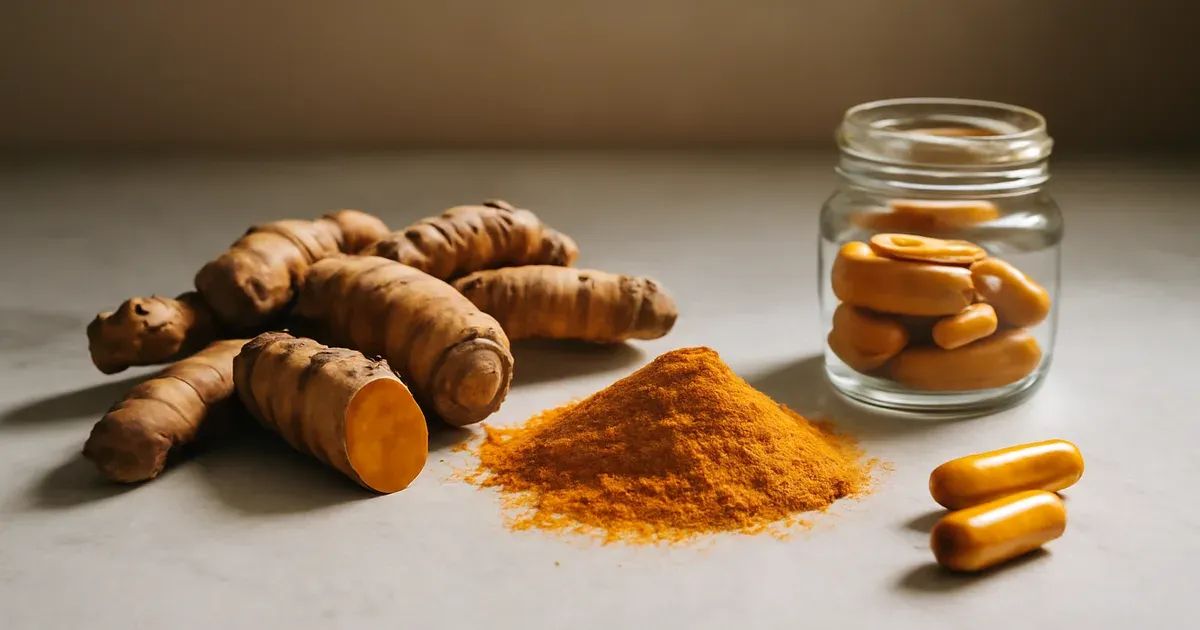
New reporting from Fitlab Nutrition highlights turmeric root as a compound of growing scientific interest for gut health, with curcumin — its active constituent — under investigation for how it interacts with the gut microbiome and gut lining. Published on 5 May 2026, the report underscores a broader shift in UK microbiome research towards plant-derived compounds and their role in supporting the body's natural inflammatory response and digestive function.
Why This Matters for Gut Health in the UK
Gut health in the UK has become a significant public health focus. Research from institutions including King's College London and the British Gut Project has demonstrated that microbiome diversity is closely linked to overall wellbeing, immune function, and even mental health via the gut-brain connection. Against this backdrop, interest in natural, food-based interventions — including turmeric — has grown considerably among health-conscious British adults and the NHS's wider nutrition conversation. The gut-brain axis, which describes bidirectional signalling between the digestive system and the brain, is now considered central to how diet affects mood, cognition, and inflammation.
Curcumin's Reported Role in the Microbiome
According to Fitlab Nutrition, curcumin interacts with the gut lining and may influence the composition of the gut microbiome. The source describes turmeric as relevant to the body's natural inflammatory response — a finding consistent with wider scientific literature on polyphenols and microbial diversity. Researchers have noted that the gut plays a central role in daily energy levels, immune function, and digestion — all areas where curcumin is being studied. Per the source, these interactions are at the heart of why turmeric is increasingly linked to gut health discussions.
What This Means for UK Readers
For health-conscious adults in the UK looking to improve gut health naturally, turmeric represents one dietary avenue worth understanding — though the British Dietetic Association consistently recommends whole-diet approaches over single-ingredient solutions. The British diet, historically lower in polyphenol-rich spices, may benefit from greater inclusion of turmeric alongside other fibre-rich foods. Anyone considering supplementation should consult a GP or registered dietitian, in line with NHS guidance.
Turmeric root's reported benefits for gut health and the microbiome place it firmly within the UK's expanding conversation about food, inflammation, and the gut-brain connection. As UK microbiome research continues to mature, curcumin remains one of the more studied plant compounds — though, per Fitlab Nutrition, its full mechanisms are still being explored by scientists.
You might also like
- Protein vs Fibre: What Your Gut Health Needs
- SER-603 IBD Microbiome Drug: New Preclinical Data
- How to Support Gut-Brain Health in 6 Steps
96 Bacterial Strains. Two Shots a Day.
GOODIE is an award-winning fermented drink with 96 live bacterial strains — more than any yogurt or kombucha — never pasteurised, clinically tested, and 8 in 10 users felt less bloating within 14 days. Curious?