Protein vs Fibre: What Your Gut Health Needs
Protein and fibre work best together — especially for gut health. Here's what UK adults need to know about balancing both for microbiome and overall health.

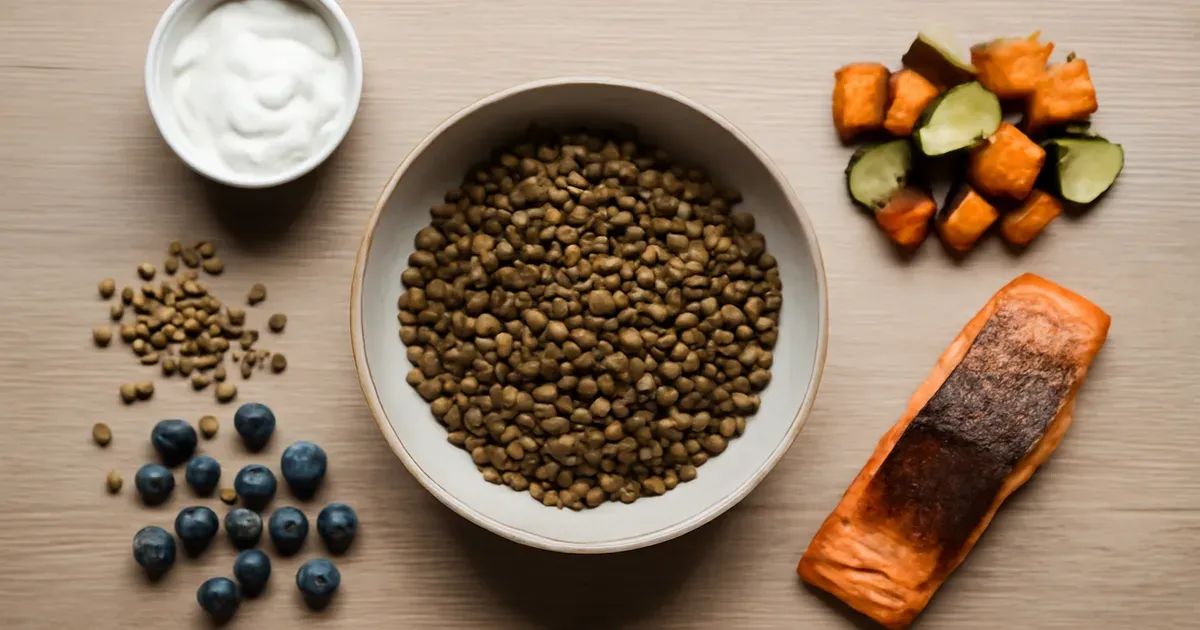
Protein or fibre — which should you be prioritising? It is one of the most hotly debated questions in nutrition right now, playing out daily across social media feeds and in GP waiting rooms alike. The short answer, according to registered dietitians, is that you should not be choosing between them at all. Both nutrients are essential, and in the context of gut health UK research, the case for treating them as allies rather than rivals has never been stronger.
In the UK, most adults are falling far short on fibre — the NHS recommends 30g per day for adults, yet the average British adult consumes only around 18g, according to the National Diet and Nutrition Survey. Protein, meanwhile, tends to get all the glory. Understanding why both matter — and how they interact with your gut microbiome — could be the shift your health has been waiting for.
Why Fibre Is the Unsung Hero of the British Diet
Fibre consistently fails to get the recognition it deserves, even though the evidence for its health benefits is overwhelming. Technically, fibre is a component of carbohydrates, but unlike sugars and starches, it passes through the digestive system largely undigested — and that is precisely where its power lies.
There are two main types. Soluble fibre dissolves in water to form a gel-like substance that binds to LDL cholesterol, slowing digestion and blunting blood sugar spikes. Insoluble fibre adds bulk to stools, keeping bowel movements regular and supporting a healthy gut transit time. Some types of fibre — particularly those found in oats, leeks, garlic, bananas, and chicory — are also prebiotic, meaning they selectively feed the beneficial bacteria living in your colon.
This prebiotic effect is where fibre becomes directly relevant to the microbiome UK conversation. Research from King's College London, including work from the British Gut Project (now part of ZOE), has consistently shown that a diverse, fibre-rich diet is one of the strongest predictors of a diverse gut microbiome. And microbial diversity is increasingly linked to everything from immune resilience to mental wellbeing — the latter being a cornerstone of the gut-brain connection.
Fibre also reduces risk of colon cancer, stroke, and type 2 diabetes — conditions that carry a significant burden across the UK population. The NHS Eatwell Guide explicitly recommends choosing wholegrain versions of starchy foods and eating at least five portions of fruit and vegetables daily, largely because of their fibre content. Yet most people in the UK are not meeting this target.

The Case for Protein: Muscles, Metabolism, and More
Protein is one of three essential macronutrients, and it earns its prominent place in nutrition science for good reason. It provides the amino acids needed to build and repair muscle tissue, supports enzymes and hormones, bolsters immunity, and underpins virtually every cellular process in the body.
For older adults in the UK — a rapidly growing demographic — adequate protein intake is especially critical. Age-related muscle loss, known as sarcopenia, affects a significant proportion of over-65s and is associated with frailty, falls, and reduced quality of life. The British Dietetic Association (BDA) advises that older adults may need higher protein intakes than the standard reference nutrient intake (RNI) of 0.75g per kilogram of body weight per day, with many experts now recommending 1.0–1.2g/kg to preserve lean muscle mass as we age.
Protein also contributes to satiety — it takes longer to digest than carbohydrates, which means it keeps you feeling fuller for longer. This has meaningful implications for weight management and for those following structured eating plans under NHS pathways or with clinical support. For anyone recovering from surgery, illness, or injury, protein requirements increase further still, as the body draws on amino acids to repair damaged tissues.
For those using GLP-1 medications — a group that is growing in the UK following the approval of drugs such as semaglutide on NHS pathways for obesity management — maintaining adequate protein intake is particularly important. These medications suppress appetite significantly, and without deliberate attention to protein, muscle loss can become a concern.
The Gut-Brain Connection: Where Both Nutrients Meet
The relationship between your diet and your mental health is no longer considered fringe science. The gut-brain axis — the bidirectional communication network linking your gastrointestinal tract to your central nervous system via the vagus nerve, immune signalling, and microbial metabolites — is one of the most active areas of research in UK biomedical science. The MRC, Wellcome Trust, and BBSRC have all funded significant work in this space.
Fibre feeds the gut microbiome, and the microbiome produces short-chain fatty acids (SCFAs) such as butyrate, propionate, and acetate when it ferments that fibre. These SCFAs influence the gut-brain connection in profound ways: they regulate intestinal permeability, modulate inflammation, and even influence the production of neurotransmitters including serotonin — approximately 90% of which is produced in the gut.
Protein, too, has a role in the gut-brain connection. The amino acid tryptophan — found in turkey, eggs, dairy, and legumes — is a precursor to serotonin. The availability of tryptophan in the gut, and its competition with other large neutral amino acids for transport across the blood-brain barrier, is influenced by the composition of the gut microbiome itself. Research from the University of Oxford and University of Reading has shed light on how dietary protein quality can shape microbial populations and, in turn, influence mood and cognitive function.
When you combine adequate protein with a high-fibre diet, you are essentially feeding both your muscles and your microbes. The slower digestion that results from eating protein and fibre together reduces blood sugar volatility — something that also has downstream effects on mood, energy, and the gut-brain connection more broadly.
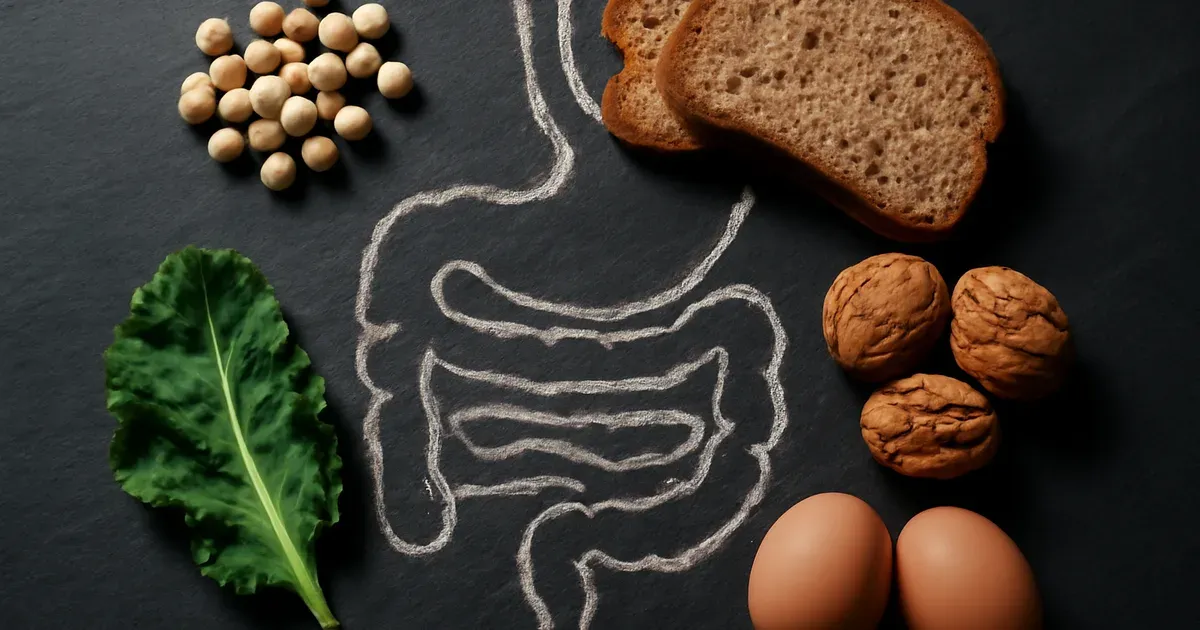
How to Build Meals That Support Gut Health Naturally
The most practical approach is to stop thinking about protein and fibre as competing priorities and start building each meal so that both are present. Registered dietitians recommend using protein as the anchor of your plate and then constructing the rest of the meal around fibre-rich whole foods.
Here are some meal ideas that work well for UK adults looking to improve gut health naturally:
- Grilled salmon or mackerel (rich in protein and omega-3s) served with a salad of mixed leaves, lentils, walnuts, and pomegranate seeds — all excellent sources of prebiotic fibre.
- A wholegrain bowl with roasted chicken or marinated tofu, roasted root vegetables (parsnips, sweet potato, beetroot), and a tahini dressing — a combination that delivers both amino acids and diverse plant fibre.
- Greek yoghurt or cottage cheese topped with mixed berries, ground flaxseed, and a drizzle of honey — a quick option that supports both muscle health and the microbiome UK researchers have identified as linked to mood and immunity.
- Porridge made with whole rolled oats (a beta-glucan-rich prebiotic fibre source) with a scoop of nut butter or a boiled egg on the side — a classic British breakfast that genuinely earns its keep nutritionally.
- A simple apple with almond butter — proof that combining protein and fibre does not need to be complicated.
The key insight from dietitians is this: because protein and fibre are both satiating, it is easy for one to crowd the other out of your diet. Being deliberate about including both at each meal removes that tension entirely. Over time, this approach supports not just digestive health and muscle maintenance, but also the microbial diversity that underpins the gut-brain connection.
For those who struggle with chronic constipation — a common and often underreported problem in the UK — it is worth noting that high protein intakes without corresponding fibre can make things worse. Protein-rich foods slow transit; fibre speeds it back up. Getting the balance right is not just a matter of meeting nutritional targets; it is a matter of keeping your digestive system functioning comfortably.

When Should You Prioritise One Over the Other?
There are specific circumstances where temporarily tilting the balance makes sense. Prioritising protein is reasonable when you are actively losing weight (particularly with medical support), recovering from surgery or injury, engaged in frequent high-intensity training, or are an older adult working to preserve muscle mass.
Prioritising fibre makes sense when you are managing high LDL cholesterol, blood sugar irregularities, or digestive symptoms such as constipation or sluggish transit. Given that British adults average only 18g of dietary fibre per day against the NHS recommendation of 30g, most people in the UK have more to gain from improving fibre intake than from adding more protein.
The British Nutrition Foundation and the BDA both emphasise dietary variety as the foundation of good health — and variety is, in itself, one of the most powerful things you can do for your gut microbiome. Research consistently shows that eating 30 or more different plant foods per week is associated with significantly greater microbial diversity. That is not about eating exotic foods; it is about rotating your wholegrain choices, adding a different legume to your weekly shop, and reaching for a different piece of fruit.
Ultimately, the healthiest eating pattern — as both UK dietary guidelines and the emerging science of microbiome UK research confirm — is one that includes both protein and fibre in meaningful quantities at every meal, varied across the week, and built around whole foods wherever possible.
The Bottom Line
Protein and fibre are not rivals. They are complementary nutrients that, when eaten together, support satiety, blood sugar control, gut microbiome diversity, muscle health, and the gut-brain connection simultaneously. In the UK, where fibre intake is chronically low and awareness of the microbiome is growing rapidly, making a conscious effort to include both at every meal is one of the most impactful nutritional changes most adults can make.
You do not need a complicated plan. You need an anchor protein, a fibre-rich side, and the knowledge that your gut bacteria — and your brain — will thank you for it.
You might also like
- How to Support Gut-Brain Health in 6 Steps
- Gut Health & Lifestyle Medicine: Your Questions Answered
- 7 Gut Health Mistakes Silently Harming Your Microbiome
Frequently Asked Questions
Does eating more fibre really improve gut health in the UK?
Yes — and the evidence is robust. UK Biobank data and research from King's College London and the British Gut Project consistently show that higher fibre intakes are associated with greater gut microbiome diversity. A diverse microbiome is linked to better immune function, lower systemic inflammation, and improved markers of mental wellbeing via the gut-brain connection. The NHS recommends 30g of fibre daily for adults, yet average intake in the UK sits at around 18g — meaning most people have significant room to improve.
How much protein do I need per day if I want to support my gut health?
The standard UK reference nutrient intake (RNI) for protein is 0.75g per kilogram of body weight per day, but many dietitians and researchers recommend 1.0–1.2g/kg for active adults and older people. Protein sources such as legumes, Greek yoghurt, eggs, and oily fish also contain nutrients that feed the gut microbiome, making food-first protein sources preferable to ultra-processed protein products for gut health specifically.
Can a high-protein diet damage the gut microbiome?
A very high protein diet that crowds out plant foods and fibre can reduce microbial diversity over time. Some research suggests that fermentation of protein by gut bacteria (proteolysis) can produce compounds such as ammonia and hydrogen sulphide that, in excess, may negatively affect the gut lining. Balancing protein intake with adequate fibre — ideally from diverse plant sources — appears to mitigate these effects and supports a healthier microbial environment. This is another reason dietitians recommend building meals around both nutrients.
What are the best high-fibre, high-protein foods for gut health in the UK?
Legumes are the standout choice — lentils, chickpeas, black beans, and kidney beans are all excellent sources of both protein and prebiotic fibre. Other strong options include oily fish served with wholegrain accompaniments, Greek yoghurt with fruit and seeds, eggs with wholegrain toast and roasted vegetables, and nut butters with wholegrain crackers or fruit. These foods are widely available in UK supermarkets and align with the NHS Eatwell Guide.
How does the gut-brain connection relate to what I eat?
The gut-brain axis is a bidirectional communication network linking your digestive system and your brain via the vagus nerve, immune signals, and microbial metabolites. When gut bacteria ferment dietary fibre, they produce short-chain fatty acids that regulate gut lining integrity, inflammation, and neurotransmitter production — including serotonin, around 90% of which is made in the gut. Eating a diet rich in both diverse fibre and quality protein supports the microbial conditions that keep this axis functioning well, with implications for mood, stress resilience, and cognitive health.
96 Bacterial Strains. Two Shots a Day.
GOODIE is an award-winning fermented drink with 96 live bacterial strains — more than any yogurt or kombucha — never pasteurised, clinically tested, and 8 in 10 users felt less bloating within 14 days. Curious?