7 Uremic Toxin Secrets Your Gut Diet Hides
New research links the gut microbiome's protein-fiber balance to dangerous uremic toxins in kidney disease. Here's what your diet is doing.

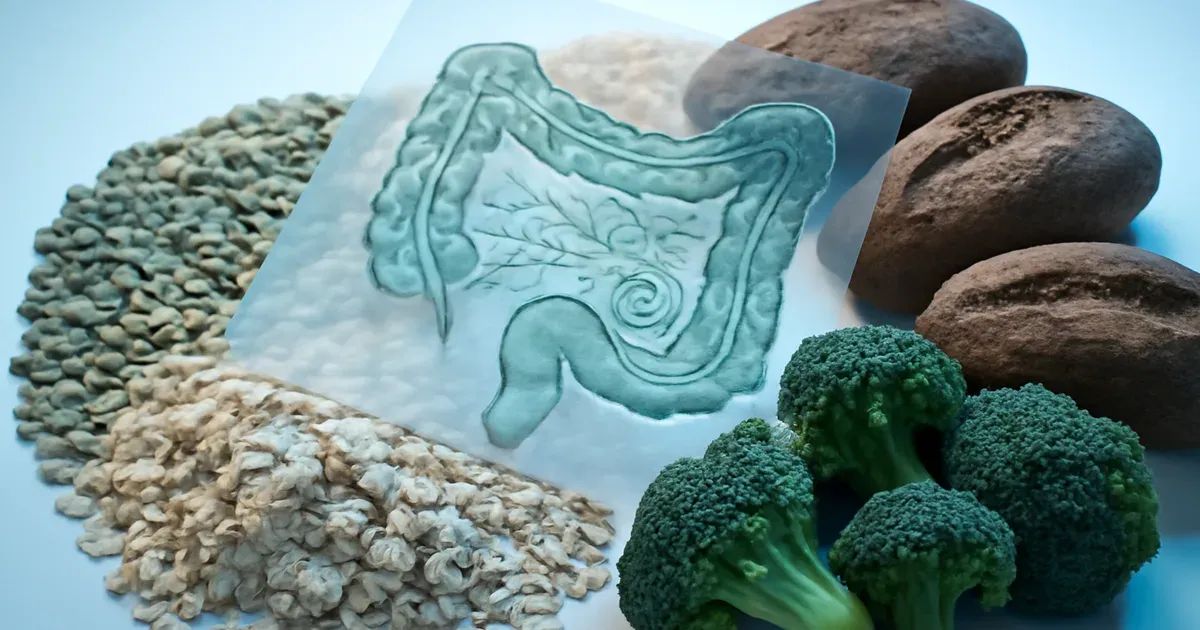
Your Gut Bacteria Are Quietly Poisoning Your Blood — Here's What Your Diet Has to Do With It
Most people managing kidney disease focus on what their kidneys can't filter. But the real danger may be brewing in the gut long before waste reaches the bloodstream. Two compounds — indoxyl sulfate (IS) and p-cresyl sulfate (PCS) — are produced entirely by colonic bacteria fermenting dietary protein. They accumulate in chronic kidney disease (CKD) and drive cardiovascular damage, inflammation, and accelerated kidney decline. What you eat shapes exactly how much of these toxins your gut makes. That connection is more actionable than most clinicians acknowledge — and the window to act is now.
A 2015 cross-sectional study published in Nutrition, Metabolism and Cardiovascular Diseases (Rossi et al.) measured IS and PCS in 40 CKD patients and found the ratio of dietary protein to fiber — the "protein-fiber index" — was independently associated with both toxins, regardless of kidney function, sex, or diabetes status.
1. Your Gut Microbiome Is the Sole Factory for Two Dangerous Toxins
Indoxyl sulfate and p-cresyl sulfate don't come from your kidneys — they come from your gut. Colonic bacteria ferment the amino acids tryptophan, tyrosine, and phenylalanine to produce precursor compounds, which are then absorbed, sulfated in the liver, and released into the bloodstream. In healthy kidneys, these toxins are efficiently excreted. In CKD, they accumulate to damaging levels.
This means gut microbiome composition directly determines your toxic load. Actionable takeaway: Recognising the gut as the source — not just the kidneys — shifts the therapeutic target to diet and the microbiome itself.
2. Dietary Fiber Significantly Lowers One Key Uremic Toxin
The Rossi et al. study found dietary fiber was inversely associated with both free and total serum PCS (r = −0.42 and r = −0.44, both p < 0.01). Higher fiber intake correlated with meaningfully lower circulating PCS. The mechanism: fiber feeds saccharolytic (sugar-fermenting) bacteria, which compete with proteolytic (protein-fermenting) bacteria — the ones that generate PCS precursors.
This is classic microbiome competition. When fiber is abundant, beneficial bacteria thrive and crowd out the species driving toxin production. Actionable takeaway: Aim to include diverse fiber sources — vegetables, legumes, oats — at every meal to shift the fermentation balance in your gut.
3. Protein Restriction Alone May Not Be Enough
Counterintuitively, the study found no significant association between dietary protein intake alone and either IS or PCS levels. This challenges the traditional CKD advice of simply lowering protein. The relationship between what you eat and what your gut bacteria do is more nuanced than a single nutrient swap.
Gut bacteria respond to the relative availability of substrates. Even moderate protein can generate high toxin loads if fiber is absent, because proteolytic fermentation fills the void. Actionable takeaway: Don't just cut protein — simultaneously increase fiber. The ratio between the two matters more than either number in isolation.
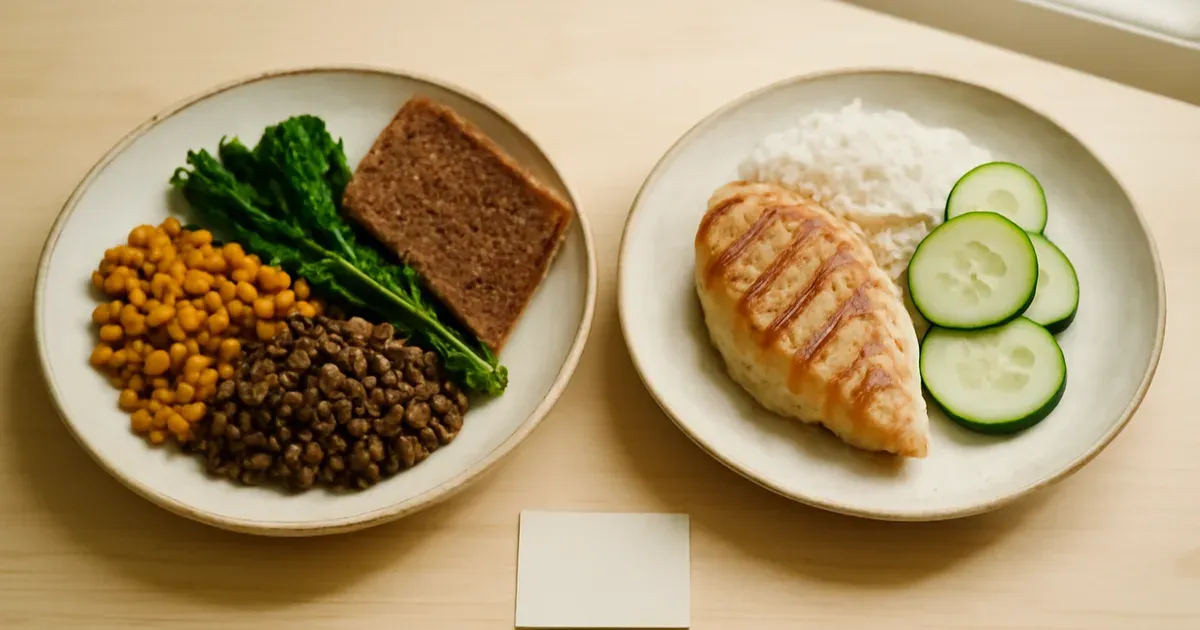
4. The Protein-Fiber Index: A Smarter Way to Predict Toxin Load
The protein-fiber index — simply the ratio of grams of protein to grams of fiber — emerged as the strongest dietary predictor in this research. It was independently associated with total serum IS (r = 0.40, p = 0.012) and total PCS (r = 0.43, p = 0.005), even after adjusting for kidney function, sex, and diabetes. A higher ratio means more protein relative to fiber, and more toxins in the blood.
This index reframes dietary assessment for kidney and gut health simultaneously. Rather than tracking two separate nutrients, one ratio captures the dynamic interplay. Actionable takeaway: Calculate your own rough protein-fiber index by dividing daily protein grams by daily fiber grams. A lower number is a gut-friendlier target.
Key stat: In this CKD cohort, mean eGFR was just 24 mL/min/1.73 m² — severe kidney impairment — yet diet alone remained a significant independent predictor of circulating uremic toxin levels. The gut-kidney connection persists even at advanced disease stages.
5. Your Gut-Brain Axis Feels the Toxin Burden Too
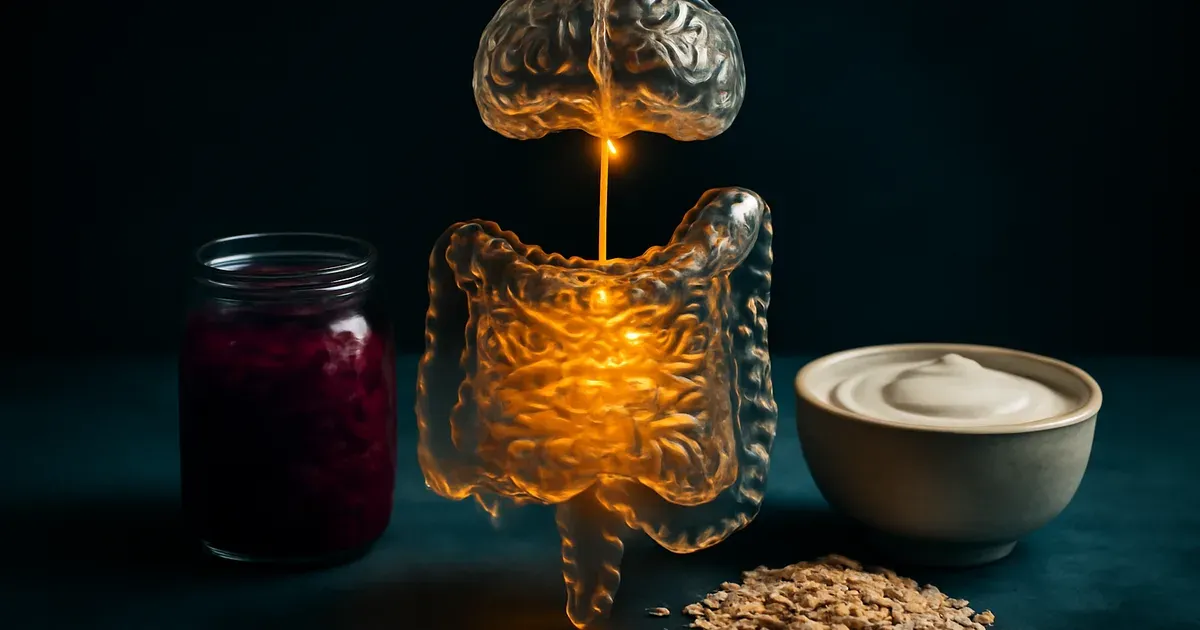
Uremic toxins don't stay in the bloodstream — they cross into the brain. Emerging research links elevated IS and PCS to neuroinflammation, cognitive decline, and disrupted gut-brain signalling. The same proteolytic gut bacteria that generate kidney-damaging toxins also degrade the intestinal lining, allowing inflammatory compounds to reach the central nervous system via the vagus nerve and systemic circulation.
This gut-brain connection means the stakes of a poor protein-fiber ratio extend well beyond kidney function. Mood, cognition, and neurological health may all be downstream casualties of unchecked proteolytic fermentation. Actionable takeaway: Think of fiber-rich eating as an investment in both kidney protection and brain resilience — the microbiome sits at the crossroads of both systems. For deeper dives into gut-brain research, explore the resources at gutbrain.news.
6. Synbiotics May Amplify the Fiber Effect
The participants in this study were enrolled in a randomised controlled trial of synbiotic therapy — a combination of probiotics and prebiotics designed to shift gut microbiome composition. Synbiotics work precisely by reinforcing saccharolytic bacteria, the same populations that fiber promotes. The dietary findings emerged even at baseline, before any intervention, underscoring how powerfully habitual diet shapes the microbiome.
When synbiotics are layered onto a fiber-rich diet, the competitive advantage against proteolytic bacteria is amplified. Actionable takeaway: If you're already working on fiber intake, discuss synbiotic supplementation with a renal dietitian — the combination may outperform either strategy alone.
7. Measuring What Matters: Free vs. Total Toxin Fractions
Not all of IS and PCS in your blood is equally dangerous. Both toxins circulate in protein-bound (total) and unbound (free) fractions. The free fraction is biologically active — it's what enters cells, triggers oxidative stress, and drives organ damage. The Rossi study measured both fractions using ultra-performance liquid chromatography, finding dietary fiber's association was significant for both free and total PCS.
This distinction matters clinically and for research. Free fraction levels may be a more sensitive marker for tracking dietary intervention success. Actionable takeaway: If you're working with a nephrologist or dietitian on CKD management, ask specifically about measuring free IS and free PCS — not just total levels — to get a clearer picture of your gut-diet impact.
Putting It All Together
The gut microbiome is the central actor in uremic toxin production, and diet is its director. The protein-fiber index offers a practical, unified lens for understanding how your daily food choices shape bacterial fermentation, toxin load, kidney trajectory, and even brain health. Fiber raises the floor; protein alone doesn't raise the ceiling — but without fiber to balance it, protein fuels a process that quietly damages multiple organ systems.
Small, consistent shifts — more vegetables, legumes, and whole grains alongside moderate, high-quality protein — can meaningfully alter the gut environment that generates these toxins. The evidence is clear: the gut-kidney-brain connection is dietary, measurable, and actionable.
Frequently Asked Questions
What are uremic toxins and why do they matter for gut health?
Uremic toxins like indoxyl sulfate and p-cresyl sulfate are produced entirely by gut bacteria fermenting dietary protein. They accumulate in the blood when the kidneys can't excrete them efficiently, causing cardiovascular damage, inflammation, and — increasingly — gut-brain disruption. Because they originate in the colon, the gut microbiome is the primary site of intervention.
How does dietary fiber reduce uremic toxin levels?
Fiber feeds saccharolytic bacteria in the colon, which compete with the proteolytic bacteria that generate IS and PCS precursors. More fiber means fewer resources available for protein fermentation, resulting in lower toxin production at the source. The Rossi et al. study found a statistically significant inverse relationship between fiber intake and serum PCS in CKD patients.
What is the protein-fiber index and how do I calculate it?
The protein-fiber index is simply your daily grams of dietary protein divided by your daily grams of dietary fiber. A higher ratio indicates relatively more protein and less fiber — a pattern associated with higher serum IS and PCS in the research. To lower your index, either increase fiber intake, moderate protein intake, or both simultaneously.
Can improving gut microbiome health protect the kidneys?
Emerging evidence strongly suggests yes. Because IS and PCS are solely gut-derived, shifting microbiome composition toward saccharolytic bacteria — through fiber, synbiotics, and reduced reliance on proteolytic substrates — directly reduces the toxin burden reaching the kidneys. This makes gut microbiome modulation a legitimate adjunct strategy in CKD management.
Does the gut-brain axis play a role in uremic toxin damage?
Yes — uremic toxins have been linked to neuroinflammation and cognitive decline, separate from their kidney effects. Proteolytic gut bacteria that overproduce IS and PCS also compromise intestinal barrier integrity, allowing inflammatory signals to reach the brain via systemic circulation and the vagus nerve. A lower protein-fiber index may therefore support both kidney and brain health simultaneously.