7 Ways to Naturally Boost GLP-1 Levels
Discover 7 evidence-based ways to naturally boost GLP-1 through food, gut health, meal habits, and lifestyle — no medication needed.

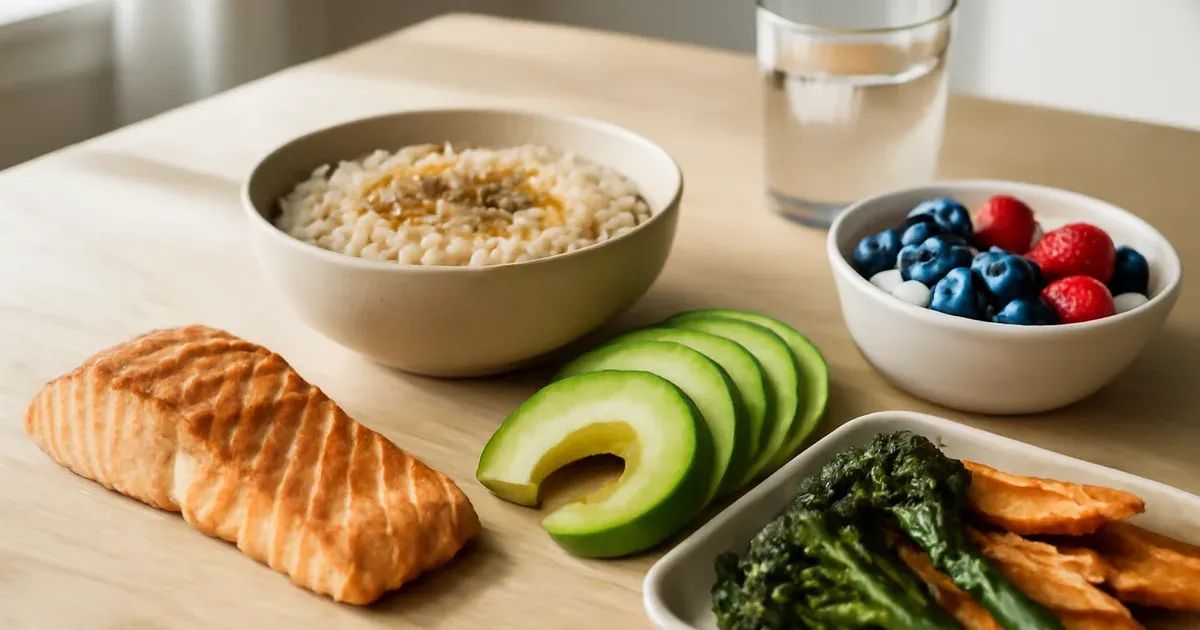
You're doing everything "right" — eating less, moving more — yet hunger keeps winning. The missing piece might be a hormone you've barely heard of: GLP-1, made in your small intestine after every meal. It tells your brain you're full, slows digestion, and steadies blood sugar — but modern diets, poor sleep, and chronic stress quietly suppress it. The good news is that your daily habits can flip that switch without a prescription.
Research confirms that food choices, meal timing, gut microbiome health, and exercise all influence how much GLP-1 your body produces. Understanding these levers gives you a practical, low-cost toolkit for better appetite control and metabolic health.
1. Front-Load Your Plate With Protein
Protein is one of the most reliable dietary triggers for GLP-1 secretion. When protein reaches the small intestine, it directly stimulates the L-cells that manufacture GLP-1, increasing satiety signals sent to the brain. A 2020 study in Food Chemistry found that egg-white peptides generated during digestion triggered measurable GLP-1 release in enteroendocrine cells.
Aim to include a quality protein source — eggs, fish, yogurt, beans, or lean poultry — at every meal. Even a modest 20–30 g serving is enough to meaningfully shift post-meal hormone levels.
2. Feed Your Gut Microbiome With Fiber
Soluble fiber doesn't just slow sugar absorption — it feeds the gut bacteria that produce GLP-1-stimulating signals. When gut microbes ferment soluble fiber from oats, lentils, or chia seeds, they generate short-chain fatty acids (SCFAs) like butyrate. These SCFAs directly prompt intestinal L-cells to secrete more GLP-1, linking microbiome health directly to appetite regulation.
The gut-brain axis depends on a thriving microbial community. Add one high-fiber food per meal — try barley porridge at breakfast, edamame at lunch, and roasted brussels sprouts at dinner — to steadily raise SCFA production and support both your microbiome and your GLP-1 output.
3. Choose Healthy Fats Strategically
Monounsaturated fats and omega-3 fatty acids both stimulate GLP-1 release and slow stomach emptying, extending feelings of fullness. Unlike saturated fats, these healthy fats appear to activate fat-sensing receptors in the gut wall that trigger hormone secretion. This is one reason meals built around olive oil, avocado, or fatty fish tend to keep hunger at bay longer.
A randomised clinical trial in Nutrients found that replacing carbohydrate energy with avocado-derived fat and fiber at breakfast increased satiety hormones and prolonged fullness. Swap refined-carb snacks for a small handful of walnuts or half an avocado to activate this pathway.
4. Eat in the Right Order at Every Meal
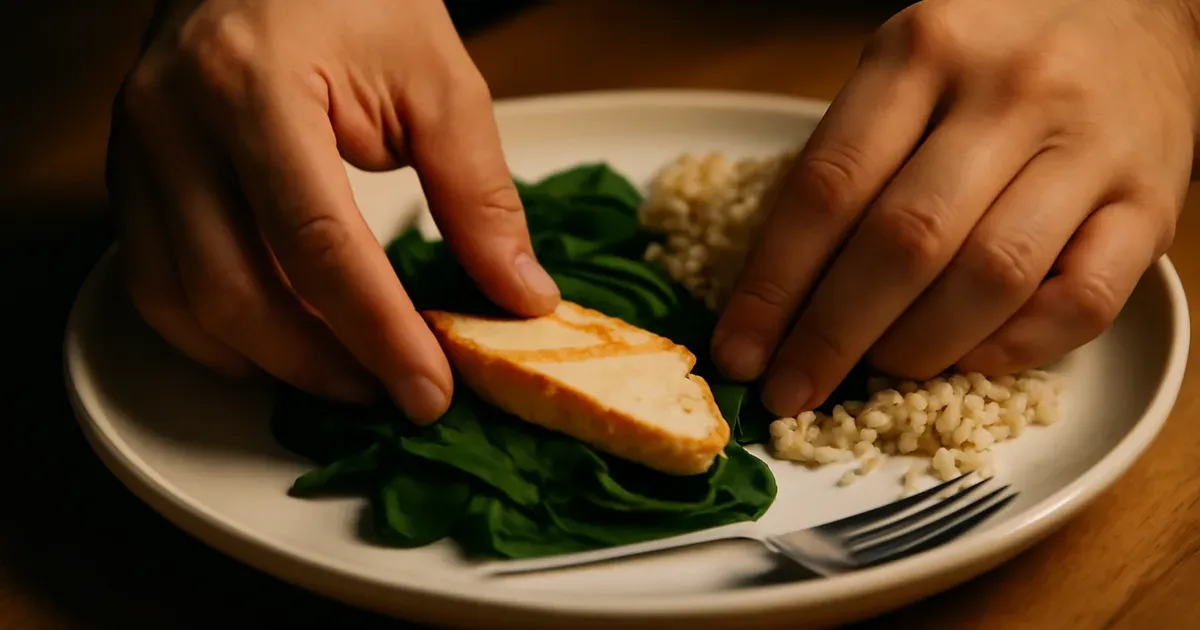
The sequence in which you eat your food matters as much as what you eat. Starting a meal with protein and non-starchy vegetables before any carbohydrates consistently produces higher GLP-1 secretion, lower post-meal blood sugar, and greater insulin efficiency compared with eating carbohydrates first. The mechanical reason: fiber and protein in the small intestine prime L-cells before a glucose surge arrives.
Practice the simple "veggie and protein first" rule at each meal. Eat your salad or grilled chicken before reaching for the rice or bread, and you'll leverage meal sequencing as a zero-cost metabolic tool.
5. Eat Slowly and Mindfully
How fast you eat directly shapes your GLP-1 response. A 2014 study in Clinical Endocrinology demonstrated that slow, spaced eating produced higher GLP-1 and peptide YY levels alongside greater fullness and lower food intake compared to rapid eating in overweight adults with type 2 diabetes. Thorough chewing and smaller bites extend the time food contacts gut sensors, amplifying hormone release.
Set a 20-minute timer for meals, put utensils down between bites, and aim for a calm, distraction-free table. These small behavioral shifts consistently produce measurable hormonal changes.
Gut health checkpoint: Your gut microbiome — the 38 trillion microbes lining your intestines — is central to GLP-1 production. A diverse, fiber-rich diet is the single most evidence-backed strategy to maintain a microbiome that keeps your appetite hormones working properly.
6. Add Fermented Foods to Support the Gut-Brain Axis
Fermented foods seed your gut with beneficial bacteria that influence GLP-1 production via the gut-brain axis. Strains found in yogurt, kefir, kimchi, and miso have been shown to modulate intestinal hormone secretion and reduce systemic inflammation — both of which support healthy GLP-1 signalling. A disrupted microbiome, by contrast, blunts the hormonal feedback loop between gut and brain.
Aim for at least one fermented food daily: a small pot of plain yogurt at breakfast, a tablespoon of kimchi with lunch, or miso soup alongside dinner. Consistency matters more than quantity when it comes to microbiome remodelling.

7. Align Exercise, Sleep, and Stress With Your Circadian Rhythm
GLP-1 follows a circadian rhythm, peaking during daylight and evening hours — and lifestyle disruption suppresses it. Moderate-to-high intensity exercise, whether aerobic or resistance-based, reliably raises GLP-1 levels regardless of type. Poor sleep delays the post-meal GLP-1 peak and weakens appetite regulation. Chronic stress elevates cortisol, which directly impairs GLP-1 release and drives cravings toward calorie-dense foods.
Research on GLP-1's circadian secretion confirms that eating within a consistent daytime window — roughly 7 a.m. to 7 p.m. — synchronises hormonal signalling and improves metabolic outcomes. Stack daily movement, a regular sleep schedule, and one stress-reduction practice (even five minutes of deep breathing) to protect your natural GLP-1 rhythm.
Key Takeaways
Naturally boosting GLP-1 isn't about one superfood or a single habit — it's about stacking small, consistent choices. Prioritise protein and fiber at every meal, sequence your food strategically, eat slowly, nurture your gut microbiome with fermented foods, and protect your sleep and circadian rhythm. Each lever independently raises GLP-1; combined, they create a compounding effect on appetite, blood sugar, and long-term metabolic health.
Focus on one change this week, embed it, then add the next.
Frequently Asked Questions
What foods naturally boost GLP-1 the most?
Protein-rich foods, soluble-fiber sources, and healthy fats are the top dietary drivers of GLP-1 secretion. Eggs, fatty fish, legumes, oats, chia seeds, and avocado consistently show the strongest effect in research. Fermented foods like yogurt and kefir support GLP-1 indirectly by improving gut microbiome diversity.
Can improving gut health increase GLP-1 levels?
Yes — directly. GLP-1 is produced by L-cells in the intestinal lining, and the composition of your gut microbiome influences how actively those cells secrete the hormone. Short-chain fatty acids produced when gut bacteria ferment dietary fiber are a primary trigger for GLP-1 release, making microbiome health a central factor.
How does exercise affect GLP-1?
Both aerobic and resistance exercise raise GLP-1 levels at moderate-to-high intensity. The combination of both training types appears most beneficial. Consistency is more important than intensity — forming a regular exercise habit produces sustained hormonal benefits rather than one-off spikes.
Is natural GLP-1 as powerful as GLP-1 medication?
No — natural GLP-1 is lower potency than GLP-1 receptor agonist medications such as semaglutide or tirzepatide, which are engineered to resist breakdown and act at higher effective doses. However, naturally stimulating GLP-1 provides meaningful metabolic benefits without the cost, side effects, or medical oversight that medications require.
Does eating slowly really make a difference to GLP-1?
Yes, measurably so. Studies show that slow, spaced eating produces higher post-meal GLP-1 and satiety hormone levels, leading to greater fullness and lower overall food intake. Thorough chewing increases the time food contacts gut hormone-producing cells, amplifying the secretion signal.