Weight Loss After 40: Gut Health Changes Everything
Weight loss after 40 for women hinges on hormones, muscle loss, and gut microbiome health. Here's how to address all three for lasting results.

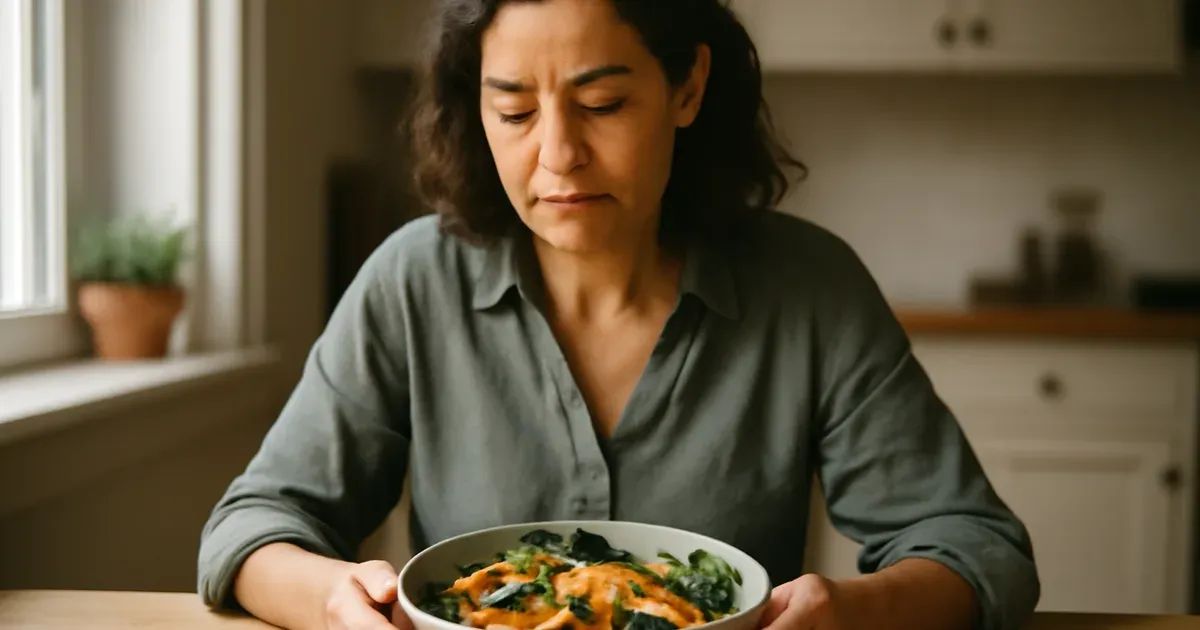
Your jeans fit differently. Your energy crashes by 2 p.m. The scale refuses to budge despite the salads and the effort. If you're a woman over 40, this story is painfully familiar — and it isn't your fault.
The frustrating truth is that your body's biology has fundamentally shifted. What worked in your 30s no longer applies. But there's a deeper layer most conversations miss: your gut microbiome — the vast ecosystem of bacteria living in your digestive tract — is quietly influencing everything from your metabolism to your mood, and it changes dramatically during perimenopause and menopause.
Weight loss after 40 for women isn't about trying harder. It's about understanding what's actually happening inside your body and building a strategy that works with it. That means addressing hormonal changes, muscle loss, stress — and yes, the gut-brain connection that ties all of it together.
Why Weight Loss Feels So Different After 40
Something real shifts in your 40s, and it starts with muscle. A natural process called sarcopenia causes women to lose 3–5% of muscle mass per decade beginning in their 30s. Muscle is metabolically expensive — it burns more calories at rest than fat does. As you lose it, your Basal Metabolic Rate (BMR) drops. You can eat exactly the same as you did a decade ago and still gain weight.
Hormonal fluctuations compound this. During perimenopause and menopause, declining estrogen levels don't just trigger hot flashes — they directly alter where your body stores fat, shifting it toward the abdomen. They also influence insulin sensitivity, making blood sugar harder to regulate.
What's less discussed is how these hormonal changes affect your gut. Research now shows that estrogen plays a significant role in shaping the gut microbiome. As estrogen declines, microbial diversity tends to drop too. A less diverse microbiome is associated with increased inflammation, poor blood sugar regulation, and — critically — greater difficulty managing body weight.
The Gut Microbiome: Your Hidden Metabolic Partner
Your gut is home to trillions of microorganisms that do far more than digest food. They produce hormones, regulate inflammation, synthesize neurotransmitters, and communicate directly with your brain via the gut-brain axis — a bidirectional signaling network that influences appetite, cravings, stress response, and energy levels.
When the microbiome is out of balance (a state called dysbiosis), the consequences ripple outward. Certain bacterial strains extract more calories from food. Others trigger low-grade inflammation that makes fat loss harder. Some disrupt the production of short-chain fatty acids (SCFAs), compounds that help regulate appetite hormones like leptin and ghrelin.
For women over 40, this matters enormously. A 2021 study published in Cell Host & Microbe found that postmenopausal women showed significant shifts in gut microbial composition compared to premenopausal women — shifts linked to changes in fat distribution and metabolic function. Supporting your microbiome isn't a wellness trend. It's a foundational strategy for weight loss after 40.
Eating for Both Fat Loss and a Healthier Gut
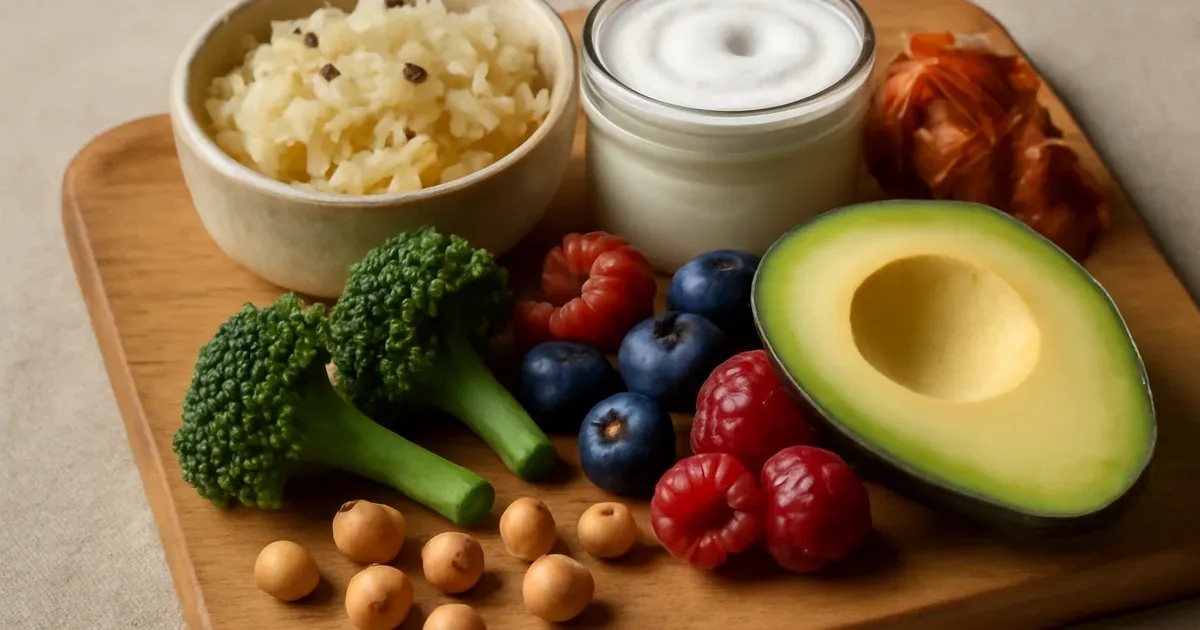
The good news: the foods that support weight loss after 40 for women are almost identical to the foods that support a thriving microbiome. The shift is in how you think about eating — from restriction to nourishment.
Forget punishing calorie deficits. Extreme restriction signals starvation to your body, causing it to hold onto fat more tightly and — critically — depletes the diversity of your gut bacteria. Instead, build every meal around these three pillars:
1. Prioritise Lean Protein Protein is non-negotiable. It preserves muscle mass, has a high thermic effect (your body burns more calories digesting it), and keeps you full longer. Aim for chicken breast, fish, eggs, Greek yogurt, tofu, and legumes at every meal. Greek yogurt does double duty — it also delivers live probiotic cultures that feed your microbiome directly.
2. Load Up on High-Fiber, Prebiotic-Rich Carbohydrates Fiber is the gut microbiome's primary fuel. Vegetables like broccoli, leafy greens, and asparagus; fruits like berries and apples; and whole grains like oats and quinoa feed beneficial bacterial strains that produce SCFAs. These SCFAs, particularly butyrate, reduce gut inflammation and help regulate the hormones that control hunger. Fiber also slows digestion, stabilises blood sugar, and prevents the insulin spikes that drive fat storage.
3. Embrace Healthy Fats Avocado, olive oil, nuts, and seeds support hormone production — including the estrogen-related signalling that affects your microbiome. Omega-3 fatty acids from salmon and sardines are particularly powerful anti-inflammatory agents that benefit both gut lining integrity and metabolic function.
Add fermented foods deliberately. Kimchi, sauerkraut, kefir, miso, and live-culture yogurt introduce beneficial bacteria directly into your gut. A landmark 2021 Stanford study found that a high-fermented-food diet increased microbiome diversity and decreased inflammatory markers in adults — results that are especially relevant for perimenopausal and menopausal women.

Movement That Works With Your Biology (Not Against It)
The biggest exercise mistake women over 40 make is defaulting to long, exhausting cardio sessions. High-intensity chronic cardio can spike cortisol — your primary stress hormone — which directly promotes abdominal fat storage and suppresses beneficial gut bacteria populations.
Strength training is your most powerful tool. Lifting weights rebuilds the muscle mass lost to sarcopenia, raises your resting metabolic rate, and improves insulin sensitivity. Even two sessions per week create measurable improvements in body composition. If you're new to it, bodyweight exercises, resistance bands, and guided classes are all excellent entry points.
Pair this with moderate-intensity cardio — brisk walking, cycling, swimming, or an elliptical. These modalities support cardiovascular health, burn calories, and — importantly for gut health — have been shown to increase microbial diversity. A 2019 review in Oxidative Medicine and Cellular Longevity found that moderate endurance exercise consistently improved gut microbiome composition, while excessive high-intensity exercise had mixed or negative effects.
Walking outdoors deserves special mention. Beyond the physical benefits, exposure to natural environments and diverse outdoor microbiomes (soil, plants, fresh air) may positively influence your own gut ecosystem. For South Jersey women, that means parks, trails, and waterfront boardwalks aren't just pleasant — they're therapeutic.
The Gut-Brain-Stress Triangle You Can't Ignore
Stress is the silent saboteur of weight loss after 40 for women. Chronically elevated cortisol suppresses fat burning, drives cravings for high-sugar and high-fat foods, disrupts sleep — and profoundly damages your gut microbiome. The gut-brain axis runs both directions: stress degrades gut health, and poor gut health amplifies the stress response.
This creates a cycle that dieting alone cannot break. Practices that calm the nervous system — yoga, stretching, meditation, even slow walks in nature — directly reduce cortisol. They also support the vagus nerve, the primary communication highway of the gut-brain axis. A well-stimulated vagus nerve improves gut motility, reduces inflammation, and promotes the kind of microbial balance that supports healthy weight management.
Sleep is equally critical. Poor sleep disrupts the hunger hormones leptin and ghrelin, increases cortisol, and reduces microbial diversity in as little as two nights. Prioritising 7–9 hours of quality sleep isn't optional — it's a metabolic and gut health intervention.

A Sample Day That Supports Weight Loss and Gut Health
Building a realistic template helps make these principles concrete. Here's what a balanced, microbiome-supportive day looks like for women over 40:
- Breakfast: Two-egg scramble with spinach, half an avocado, and a side of kefir or live-culture yogurt with berries. Protein, healthy fats, probiotics, and antioxidants in one meal.
- Lunch: Large salad with grilled salmon, chickpeas, mixed greens, raw vegetables, and an olive oil vinaigrette. Omega-3s, fiber, prebiotics, and lean protein.
- Snack: A small bowl of Greek yogurt with walnuts and a drizzle of honey — protein, probiotics, and healthy fats to bridge the afternoon gap without a blood sugar crash.
- Dinner: Baked cod or chicken with roasted broccoli (a powerful prebiotic), a serving of quinoa, and a side of kimchi or sauerkraut for fermented food diversity.
The principle is consistency, not perfection. Every meal that includes protein, fiber, and healthy fat is a vote for a healthier metabolism and a more diverse microbiome.
The Bottom Line
Weight loss after 40 for women is genuinely different — but it is absolutely achievable. The metabolism shifts. Hormones change. The microbiome evolves. Understanding these interconnected systems is what separates sustainable progress from the frustrating cycle of effort without results.
Your gut is not a passive bystander. It is an active participant in your metabolic health, your appetite regulation, your mood, and your inflammation levels. Feed it well. Protect it from chronic stress. Move your body in ways that support rather than stress it. Sleep as if your health depends on it — because it does.
The woman who builds these habits isn't just losing weight. She's building a more resilient, energised, and vibrant version of herself — from the inside out.
Frequently Asked Questions
Why is weight loss so much harder after 40 for women?
After 40, women experience a convergence of biological changes: declining muscle mass (sarcopenia) lowers the resting metabolic rate, falling estrogen alters fat distribution toward the abdomen, and gut microbiome diversity shifts in ways that affect calorie extraction and appetite hormones. These factors interact, making strategies that worked in earlier decades far less effective.
How does gut health affect weight loss in women over 40?
The gut microbiome influences weight through multiple pathways: certain bacterial strains extract more energy from food, others regulate appetite hormones like leptin and ghrelin, and microbial imbalance (dysbiosis) promotes low-grade inflammation that impairs fat loss. As estrogen declines during perimenopause, microbiome diversity often drops, compounding metabolic challenges.
What foods best support weight loss and gut health after 40?
The most effective foods serve both goals simultaneously: lean protein (chicken, fish, eggs, legumes) preserves muscle mass; high-fiber vegetables, fruits, and whole grains feed beneficial gut bacteria; fermented foods (yogurt, kefir, kimchi, sauerkraut) introduce live probiotic cultures; and healthy fats (avocado, olive oil, omega-3-rich fish) support hormone production and reduce gut inflammation.
Is cardio or strength training better for women over 40 trying to lose weight?
Strength training is the higher priority because it rebuilds muscle lost to sarcopenia, raising the resting metabolic rate and improving insulin sensitivity. Moderate-intensity cardio — brisk walking, cycling, swimming — complements this by supporting cardiovascular health and, notably, improving gut microbiome diversity. High-intensity chronic cardio can spike cortisol and negatively affect both fat loss and gut bacteria.
How does stress affect weight and gut health in menopausal women?
Chronic stress elevates cortisol, which promotes abdominal fat storage, drives cravings for high-calorie foods, disrupts sleep, and directly degrades gut microbiome diversity. The gut-brain axis means this relationship runs both ways: poor gut health amplifies the stress response. Practices like yoga, meditation, adequate sleep, and outdoor walking interrupt this cycle by calming the nervous system and supporting vagus nerve function.