7 Worst Foods Destroying Your Gut Health
Discover 7 foods quietly wrecking your gut microbiome — and what to eat instead to improve gut health naturally in the UK.

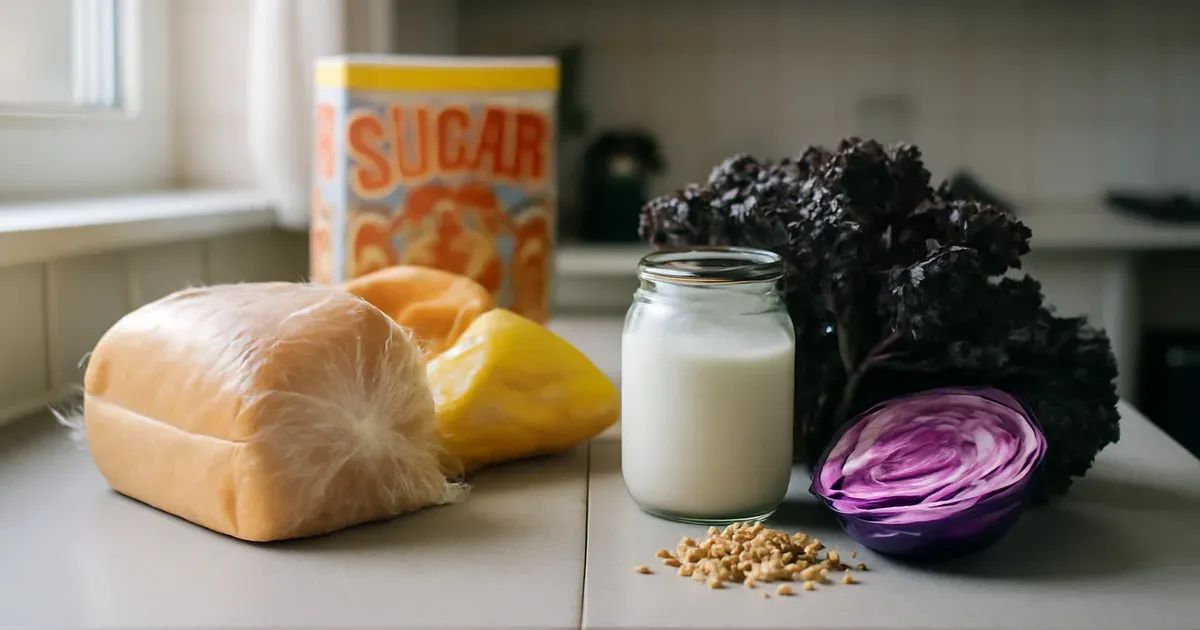
Bloating after every meal. Energy crashes. Brain fog that won't lift. If any of this sounds familiar, your diet could be quietly dismantling your gut microbiome — and most people have no idea it's happening. The connection between what you eat and how you feel goes far deeper than digestion alone. Your gut health affects your immune system, your mood, and even your ability to think clearly. If you want to improve gut health naturally, the first step is knowing exactly what's working against you.
UK microbiome research confirms the stakes are high. The British Gut Project — one of the largest citizen science studies of the microbiome in the world, run in partnership with King's College London — found that diet is the single biggest predictor of microbiome diversity in the UK population. The more diverse your microbiome, the better protected you are against inflammation, digestive disorders, and poor mental health.
1. Ultra-Processed Foods Hollow Out Your Microbiome Diversity
Ultra-processed foods (UPFs) are the single greatest threat to gut health in the UK today. Items like supermarket white bread, crisps, ready meals, and flavoured snacks are stripped of fibre and loaded with emulsifiers, artificial colours, and preservatives — all of which reduce the number and variety of beneficial bacteria in your gut. Research from the University of Reading has shown that emulsifiers in particular can damage the mucus layer lining the gut wall. The actionable takeaway is simple: read ingredient labels and swap one UPF per day for a whole-food alternative — even a handful of mixed nuts makes a meaningful difference.
2. Added Sugar Feeds Harmful Bacteria and Disrupts the Gut-Brain Connection
Excess sugar is fuel for the wrong kind of gut bacteria. When harmful microbes feast on refined sugar, they outcompete beneficial strains, reducing diversity and triggering low-grade inflammation that travels via the gut-brain axis directly to your mood and cognition. A 2022 study from Imperial College London linked high sugar intake to measurable changes in gut bacterial composition within just two weeks. Cut back on sugary soft drinks, flavoured yogurts, and breakfast cereals — the UK Eatwell Guide recommends free sugars make up no more than 5% of your daily energy intake, yet most UK adults exceed this regularly.
3. Refined Grains Strip Out the Fibre Your Gut Bacteria Need
White bread, white rice, and standard pasta are missing the very thing your microbiome craves: fibre. The NHS gut health guidance and the UK Eatwell Guide both emphasise fibre as foundational to digestive health, yet the average UK adult consumes only 18g per day against a recommended 30g. Without adequate fibre, beneficial bacteria literally starve, and their populations decline. Switch to wholegrain versions — brown rice, wholemeal bread, and wholegrain pasta — and aim to fill half your plate with fruit and vegetables at every meal.
4. Alcohol Inflames the Gut Lining and Poisons Beneficial Microbes
Even moderate alcohol consumption can alter the composition of your gut microbiome within days. Alcohol damages the tight junctions in the gut wall — a phenomenon researchers call "leaky gut" — allowing bacterial toxins to enter the bloodstream and drive systemic inflammation. This inflammation feeds back through the gut-brain connection, worsening anxiety, low mood, and cognitive function. The British Dietetic Association (BDA) advises keeping alcohol within UK Chief Medical Officers' guidelines of no more than 14 units per week, spread across several days, with several alcohol-free days each week.

Pull quote: "The gut microbiome is not just a digestive organ — it is a key regulator of immune function and mental wellbeing. What we eat in Britain today is shaping our collective microbiome health for decades to come." — Professor Tim Spector, King's College London, co-founder of the British Gut Project
5. Artificial Sweeteners Confuse and Disrupt Your Gut Bacteria
Sweeteners like aspartame, saccharin, and sucralose were once thought to be a safe alternative to sugar — but emerging UK microbiome research tells a different story. A landmark 2022 study published in Cell found that certain non-nutritive sweeteners significantly altered gut bacterial populations and impaired glucose tolerance in healthy adults. For people in the UK trying to improve gut health naturally, diet fizzy drinks and "sugar-free" processed products may be doing more harm than good. Try swapping artificially sweetened drinks for sparkling water with a squeeze of lemon or a slice of cucumber — a simple change with real microbiome benefits.
Consider supporting your gut further with evidence-based dietary tools and trackers — explore our recommended resources at the link below.
6. Red and Processed Meat Shifts Your Microbiome Towards Inflammation
A diet high in processed meats — bacon, sausages, deli ham — is consistently linked to lower gut microbiome diversity in British diet studies. When gut bacteria break down the L-carnitine found in red meat, they produce a compound called TMAO (trimethylamine N-oxide), which is associated with cardiovascular inflammation and a less favourable microbial profile. The NHS recommends eating no more than 70g of red or processed meat per day. Replacing one or two meat-based meals per week with legumes — lentils, chickpeas, or black beans — is one of the most evidence-backed ways to shift your microbiome in a positive direction.
7. A Low-Variety Diet Starves the Gut-Brain Axis of Essential Inputs
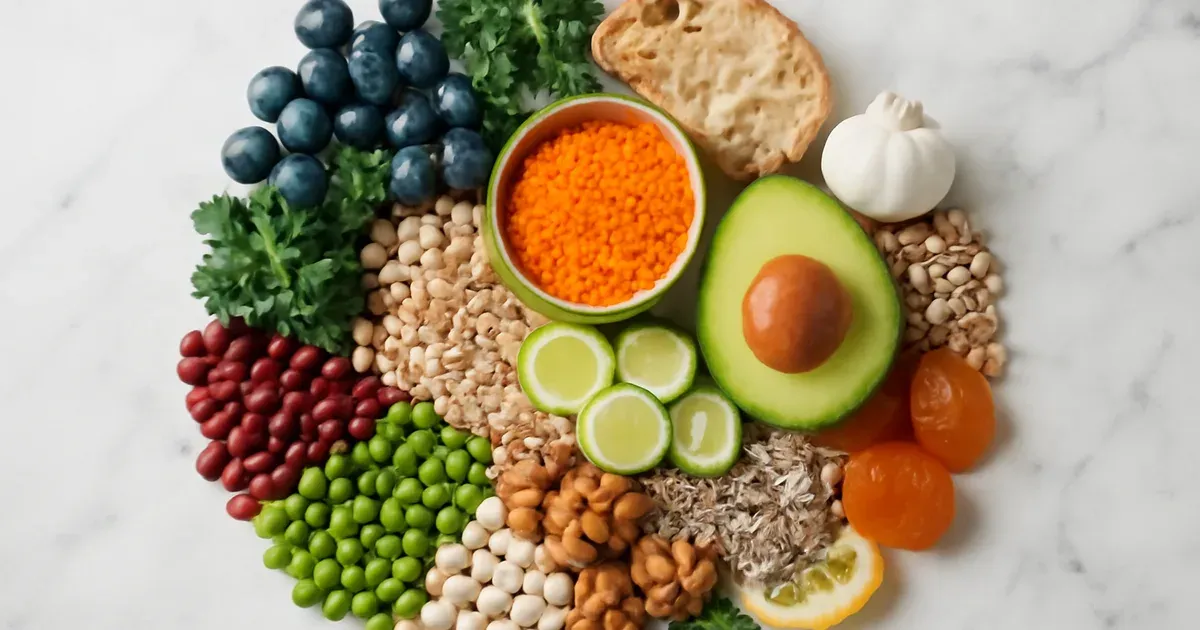
Eating the same foods on repeat — even if they are individually healthy — limits the diversity of your microbiome. The British Gut Project found that people who eat 30 or more different plant foods per week have significantly more diverse gut microbiomes than those eating fewer than 10. This diversity matters enormously for the gut-brain connection: a diverse microbiome produces a wider range of short-chain fatty acids and neurotransmitter precursors — including around 90% of the body's serotonin — that support mood, focus, and stress resilience. The fix is straightforward: rotate your fruit, vegetables, wholegrains, nuts, seeds, and legumes week by week, and treat variety as a nutritional goal in its own right.
Your gut microbiome is not a fixed feature — it responds to what you eat within days. Cutting back on ultra-processed foods, refined sugars, and alcohol while building in more fibre, fermented foods like kefir and live yogurt, and diverse plant foods is one of the most powerful things you can do for your physical and mental health in the UK right now. Small, consistent swaps compound into lasting change. Start with one item from this list today.
You might also like
- How to Train for Your Body Type and Gut Health
- Gut Bacteria Linked to ALS and Neurodegeneration
- Skin Flare-Ups Linked to Gut Health and Internal Triggers
Frequently Asked Questions
What are the signs of an unhealthy gut in the UK?
Common signs of an unhealthy gut include persistent bloating, constipation, diarrhoea, heartburn, and frequent gas. Beyond digestive symptoms, an imbalanced microbiome can contribute to fatigue, low mood, brain fog, and a weakened immune system. If these symptoms are persistent, the NHS recommends speaking to your GP, as they can rule out underlying conditions such as IBS or coeliac disease.
How quickly can I improve my gut health naturally through diet?
Research suggests gut microbiome composition can begin to shift within 48 to 72 hours of changing your diet. Studies from the University of Cambridge and King's College London indicate that increasing dietary fibre and fermented foods produces measurable changes in bacterial diversity within two weeks. Consistency matters more than perfection — sustainable dietary habits produce the most lasting microbiome benefits.
What is the gut-brain connection and why does it matter?
The gut-brain connection refers to the bidirectional communication between your gastrointestinal tract and your brain, primarily via the vagus nerve and the enteric nervous system. Your gut produces approximately 90% of the body's serotonin and influences levels of other neurotransmitters linked to mood and cognition. UK microbiome research from UCL and Imperial College London confirms that a healthier, more diverse gut microbiome is associated with lower rates of anxiety and depression.
Which prebiotic and probiotic foods are best for gut health in the UK?
Prebiotic foods — which feed beneficial gut bacteria — include oats, garlic, onions, leeks, bananas, asparagus, and apples, all of which are widely available across British supermarkets. Probiotic foods that introduce live beneficial bacteria include live yogurt, kefir (widely stocked in UK supermarkets), kimchi, sauerkraut, and sourdough bread. The British Dietetic Association recommends aiming for a daily intake of both prebiotic fibre and fermented probiotic foods for optimal gut microbiome support.
Does the NHS offer any gut health programmes or support?
The NHS provides guidance on digestive health through its website and via GP referrals to dietitians for conditions such as IBS, IBD, and coeliac disease. The NHS Talking Therapies programme also acknowledges the gut-brain connection, recognising that mental health and digestive health are closely linked. For broader microbiome education, the British Gut Project and the British Nutrition Foundation offer evidence-based public resources tailored to a UK audience.
96 Bacterial Strains. Two Shots a Day.
GOODIE is an award-winning fermented drink with 96 live bacterial strains — more than any yogurt or kombucha — never pasteurised, clinically tested, and 8 in 10 users felt less bloating within 14 days. Curious?