7 Ways Meditation Transforms Your Gut Health
New research suggests meditation reshapes the gut microbiome, boosting immunity and easing anxiety. Here are 7 science-backed ways it works.

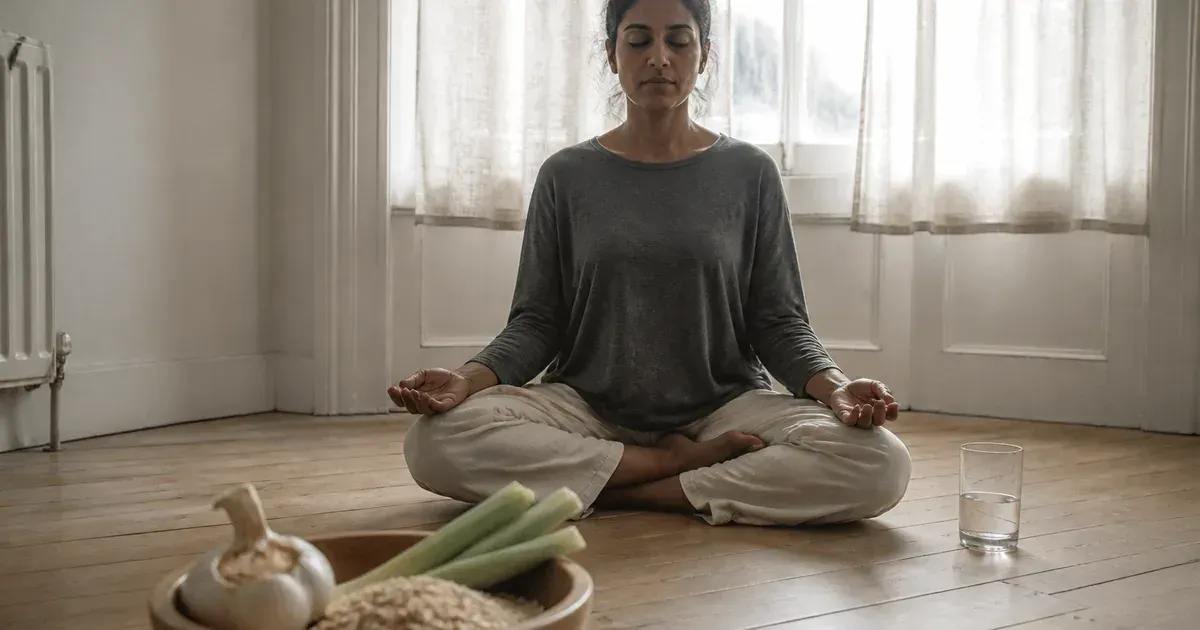
Millions of people in the UK are searching for natural ways to ease anxiety, low mood, and digestive discomfort — and the answers may lie deeper than you think. Most people know meditation calms the mind, but few realise it may be quietly reshaping the trillions of microbes living in their gut. New science suggests the link between mindfulness and the microbiome is far more powerful than previously understood — and the window to act on this knowledge is right now.
A peer-reviewed study published in General Psychiatry — a journal of the British Medical Journal — found that Tibetan Buddhist monks who meditated for at least two hours daily showed significantly different gut microbiome compositions compared to secular neighbours living nearby. This is some of the most compelling early evidence that the gut-brain connection runs in both directions.
1. Long-Term Meditation Reshapes Your Gut Microbiome
The composition of your gut microbiome — the vast community of bacteria, fungi, and other microbes living in your digestive tract — is not fixed. A study published in General Psychiatry analysed stool samples from 37 Tibetan Buddhist monks and found significant differences in microbial diversity compared to non-meditating neighbours matched for age, diet, and blood pressure. The monks had practised deep meditation for between three and 30 years. Why it happens: Psychological states influence gut physiology through the vagus nerve and the hypothalamic-pituitary-adrenal (HPA) axis — the same biological highway that connects stress hormones to gut function. Takeaway: Even modest, consistent meditation practice — 20 minutes daily — may begin shifting gut microbiome balance over time.
2. A Calmer Mind Lowers Inflammation in Your Gut
Chronic low-grade inflammation is increasingly recognised as a driver of poor gut health in the UK, linked to conditions ranging from irritable bowel syndrome (IBS) to inflammatory bowel disease (IBD). The monk study found that several protective anti-inflammatory pathways were enhanced in long-term meditators, based on advanced predictive analysis of microbial activity. Reducing psychological stress through meditation appears to dial down the inflammatory signals that can disrupt the gut lining. Why it happens: Stress hormones like cortisol increase intestinal permeability — sometimes called "leaky gut" — allowing bacterial products to trigger immune responses. Takeaway: Pairing a Mediterranean-style diet rich in fibre with regular meditation may offer compounded anti-inflammatory benefits for gut health UK readers.
3. Meditation Boosts Bacteria Linked to Lower Anxiety and Depression
The gut-brain connection is not a wellness buzzword — it is a well-documented bidirectional communication system involving neural, hormonal, and immune signals. Researchers found that bacteria enriched in the meditating monks were specifically associated with a reduced risk of anxiety and depression. Several of these bacterial genera have been independently associated in other research with the production of neurotransmitter precursors, including serotonin and GABA. Why it happens: Gut bacteria produce metabolites that travel via the bloodstream and vagus nerve to influence brain chemistry directly. Takeaway: If you are managing low mood or anxiety in the UK, improving gut health naturally through meditation may be a meaningful complementary strategy alongside NHS-recommended therapies.
4. Your Immune System Gets a Measurable Upgrade
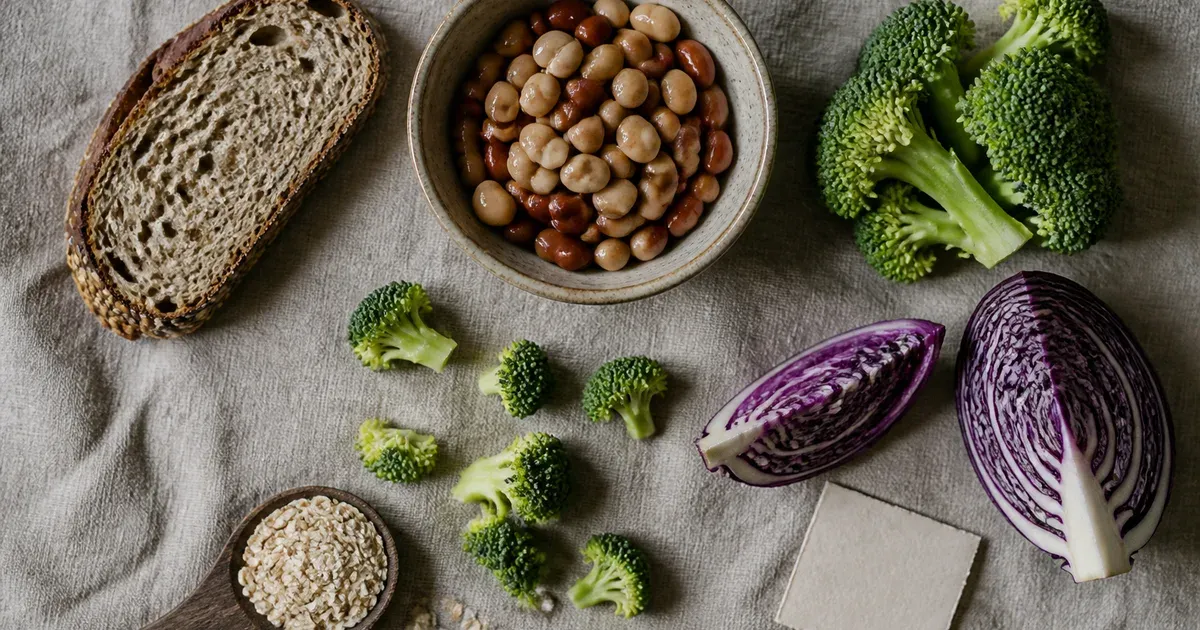
Roughly 70 to 80 per cent of the body's immune cells reside in the gut — making the microbiome one of the most critical sites of immune regulation in the entire body. The research found that microbiota enriched in the monks could enhance immune function, based on both stool sample analysis and predictive metabolic pathway modelling. This suggests that meditation may strengthen immune defences not just psychologically but through direct microbial action. Why it happens: Certain bacteria produce short-chain fatty acids (SCFAs) such as butyrate, which feed immune cells lining the gut wall and regulate inflammatory responses. Takeaway: Supporting your microbiome UK through meditation, alongside prebiotic-rich foods like leeks, oats, and garlic (all staples of the British diet), may offer synergistic immune benefits.

Callout: The monks in the study had practised deep meditation for between 3 and 30 years — yet even short-term mindfulness has been shown to reduce cortisol, which directly impacts gut health. You do not need decades of practice to begin seeing benefits.
5. Meditation May Protect Your Heart — Via Your Gut
The gut-heart link is one of the most exciting emerging frontiers in UK microbiome research, with scientists at institutions including King's College London and the University of Oxford investigating how gut bacteria influence cardiovascular risk. In the monk study, blood samples revealed that biomarkers associated with heightened cardiovascular disease risk were significantly lower in meditators than in their secular neighbours. The researchers suggested this may be partly mediated through the gut microbiome's influence on inflammation and lipid metabolism. Why it happens: Certain gut bacteria process dietary compounds like choline and carnitine into metabolites that can either protect or harm arterial walls. Takeaway: If you are concerned about heart health in the UK, adding meditation to your routine — alongside the NHS-recommended Eatwell Guide dietary patterns — may deliver cardiovascular benefits through an unexpected gut-mediated pathway. Explore our guide to the best fibre-rich foods for heart and gut health.
6. Stress Reduction Through Meditation Improves Gut Motility and Comfort
Millions of adults in the UK suffer from functional gut disorders — IBS alone affects around one in five people, according to NHS estimates. The gut-brain connection explains why stress so reliably triggers symptoms: the enteric nervous system (sometimes called the "second brain") is exquisitely sensitive to psychological state. Meditation's well-documented ability to downregulate the sympathetic "fight or flight" nervous system allows the parasympathetic "rest and digest" system to take over, improving gut motility and reducing spasm. Why it happens: The vagus nerve, activated during relaxed states, stimulates digestive enzyme production and regulates the rhythm of gut contractions. Takeaway: The British Dietetic Association (BDA) recognises stress management as part of a holistic approach to digestive health — making meditation a genuinely evidence-aligned tool to improve gut health naturally. Try body-scan meditation before meals to activate the parasympathetic response.
7. Consistent Practice Rewires the Gut-Brain Axis Over Time
The gut-brain axis is not static — it is a dynamic, plastic system that responds to lifestyle inputs over months and years. The monk study's most striking finding is that the benefits were associated with long-term, consistent practice rather than occasional sessions. This mirrors findings from broader microbiome UK research: the British Gut Project, one of the largest citizen science gut microbiome studies in the world, consistently finds that dietary and lifestyle consistency — not short-term interventions — produces the most durable shifts in microbial diversity. Why it happens: Stable psychological inputs — like regular meditation — create stable neuroendocrine environments that favour the growth of beneficial bacterial communities over time. Takeaway: Treat meditation like exercise or a high-fibre diet: the compounding effects build with consistency. Even 15 to 20 minutes daily, sustained over weeks and months, may begin to reshape your gut-brain connection in measurable ways. Discover our recommended beginner meditation programmes designed for gut health support.
Wrapping Up
The evidence is early but striking: long-term meditation appears to reshape the gut microbiome in ways that reduce anxiety, support immunity, lower cardiovascular risk, and improve overall wellbeing — all through the gut-brain connection. For health-conscious adults in the UK, this adds a compelling new dimension to an already evidence-backed practice. You do not need to be a Buddhist monk to start. Begin with 15 minutes daily, prioritise fibre-rich foods aligned with the UK Eatwell Guide, and track how your gut — and your mind — respond over time.
You might also like
- Microbiome Science Drives Viome's Disease Prevention Push
- How to Calm Your Gut With Breathwork in 7 Days
- Gut Health Tops 2026 Nutrition Trends: What the Evidence Shows
Frequently Asked Questions
Can meditation really change your gut microbiome?
Early research, including a BMJ-published study on Tibetan Buddhist monks, suggests yes — long-term deep meditation is associated with significantly different gut microbiome composition. The gut-brain connection means psychological practices can influence gut biology via the vagus nerve, stress hormones, and immune signalling. More large-scale human trials are needed, but the initial evidence is promising.
How long does it take for meditation to improve gut health?
The monks in the key study had practised for between three and 30 years, but shorter-term mindfulness practice has been shown to reduce cortisol levels within weeks — which itself benefits gut health. Consistent daily practice of 15 to 20 minutes is a reasonable starting point, with measurable changes in gut symptoms potentially emerging over one to three months.
Is there NHS guidance on meditation for gut health?
The NHS recommends stress management — including mindfulness — as part of managing conditions like IBS. While the NHS does not yet specifically prescribe meditation for gut microbiome health, the British Dietetic Association recognises the role of psychological wellbeing in digestive health, and NHS-approved mindfulness resources such as the Mindfulness-Based Cognitive Therapy (MBCT) programme are widely available in the UK.
What else can I do to improve gut health naturally in the UK?
Alongside meditation, the British Gut Project and UK microbiome researchers consistently highlight a high-fibre, diverse diet as the most powerful tool for gut health. Aim for 30 different plant foods per week — a target supported by findings from King's College London. Include prebiotic foods like oats, leeks, garlic, and bananas, and limit ultra-processed foods common in the British diet.
Does the gut-brain connection affect mental health?
Yes — the gut-brain axis is a bidirectional communication network. Gut bacteria produce neurotransmitter precursors including serotonin and GABA, and gut inflammation has been linked to depression and anxiety. UK microbiome research at institutions including King's College London and the University of Oxford is actively investigating how improving gut health may complement NHS mental health treatments.
96 Bacterial Strains. Two Shots a Day.
GOODIE is an award-winning fermented drink with 96 live bacterial strains — more than any yogurt or kombucha — never pasteurised, clinically tested, and 8 in 10 users felt less bloating within 14 days. Curious?