Anti-Inflammatory Diet & Gut Health UK Guide
A practical, evidence-based guide to reducing chronic inflammation through diet and gut health — tailored for UK adults, with microbiome science and a 21-day me

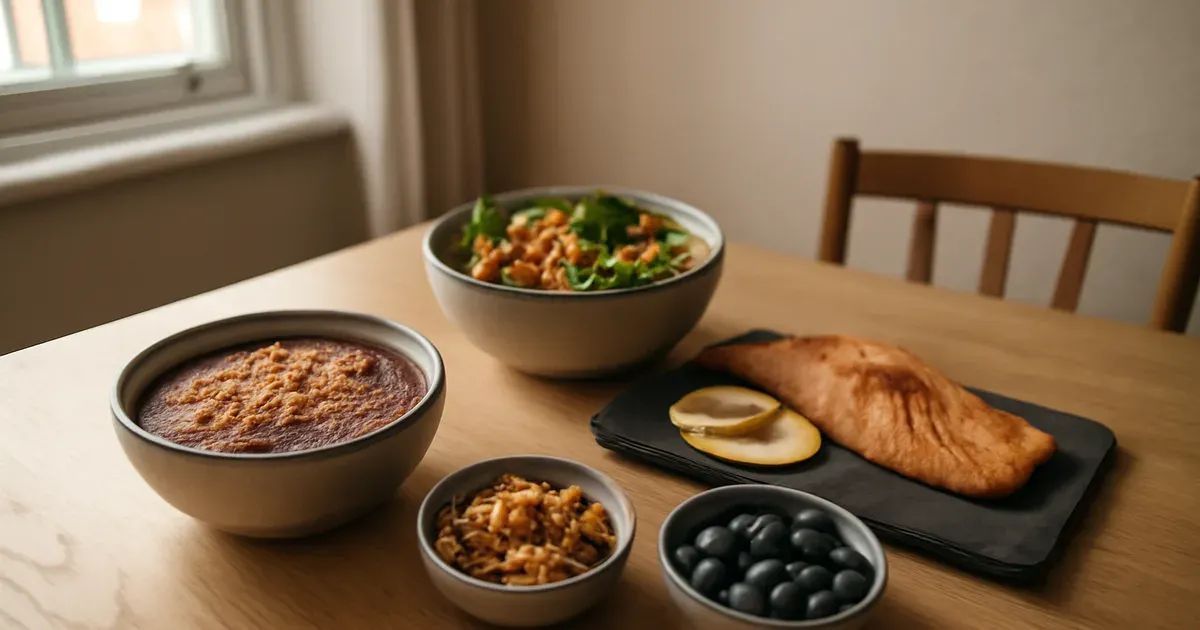
Do you wake up exhausted even after a full night's sleep? Stiff joints, persistent brain fog, frequent colds that drag on for weeks, and a digestive system that never quite feels right — these are not just signs of getting older. They may be signals that chronic inflammation is quietly disrupting your body, starting in your gut.
For anyone searching for ways to improve gut health naturally in the UK, the science is pointing in one clear direction: what you eat has a profound effect not just on your digestive system, but on your immune response, your mental clarity, and your long-term risk of serious disease. This guide brings together the latest evidence on the gut-brain connection, the UK microbiome research landscape, and a practical 21-day anti-inflammatory eating framework to help you take meaningful action.
Why Chronic Inflammation Starts in the Gut
Your gut is far more than a digestive organ. It houses roughly 70% of your immune system and is home to trillions of microorganisms — your gut microbiome — that regulate inflammation throughout your entire body. When the balance of this microbial community is disrupted, often by a poor diet, stress, or antibiotic overuse, the immune system can shift into a state of low-grade, persistent alarm.
This is chronic inflammation. Unlike the short-term inflammation that heals a cut or fights an infection, chronic inflammation lingers for months or years, gradually damaging healthy tissue. Research published in Nature Medicine has established links between chronic systemic inflammation and conditions including cardiovascular disease, type 2 diabetes, autoimmune disorders, and neurodegenerative disease.
UK microbiome research is helping to decode this relationship. Projects like the British Gut Project, led by scientists at King's College London, have collected data from tens of thousands of UK participants, revealing how dietary diversity — particularly fibre intake — directly shapes the composition and health of the gut microbiome. The findings reinforce what NHS nutritional guidance has long suggested: a varied, plant-rich diet is one of the most powerful tools available for reducing systemic inflammation.
Registered dietitian Rita Faycurry summarises it neatly: "An anti-inflammatory diet isn't a complex set of rules but a shift toward eating more whole, nutrient-dense, and balanced meals. What you eat can either fuel inflammation or fight it."
The Gut-Brain Connection: Why Inflammation Affects How You Think and Feel
If you have ever felt anxious before a big event and noticed your stomach reacting, you have experienced the gut-brain connection first-hand. This bidirectional communication highway — known as the gut-brain axis — links the enteric nervous system in your digestive tract directly to your central nervous system via the vagus nerve, immune signalling molecules, and the metabolites produced by your gut bacteria.
When gut inflammation is high, these signals become distorted. Inflammatory cytokines can cross the blood-brain barrier, contributing to symptoms of depression, anxiety, and the mental cloudiness commonly described as "brain fog." Researchers at University College London (UCL) and the MRC (Medical Research Council) have been actively investigating how microbial imbalance — known as dysbiosis — feeds into neurological and psychiatric conditions.
The practical implication is significant. Reducing gut inflammation through diet is not merely about digestive comfort. It is a strategy that may genuinely support mood, cognitive function, and mental resilience. For the health-conscious UK adult, understanding the gut-brain connection reframes the anti-inflammatory diet as a whole-body and whole-mind investment.

Anti-Inflammatory Foods to Prioritise in Your British Diet
Building an anti-inflammatory plate is, as Faycurry puts it, "all about adding colour, dietary fibre, and healthy fats." Rather than focusing on restriction, the approach is additive — crowd out less beneficial choices with vibrant, fibre-rich, nutrient-dense foods. Many of these are already accessible and affordable across UK supermarkets.
Colourful Fruits and Vegetables
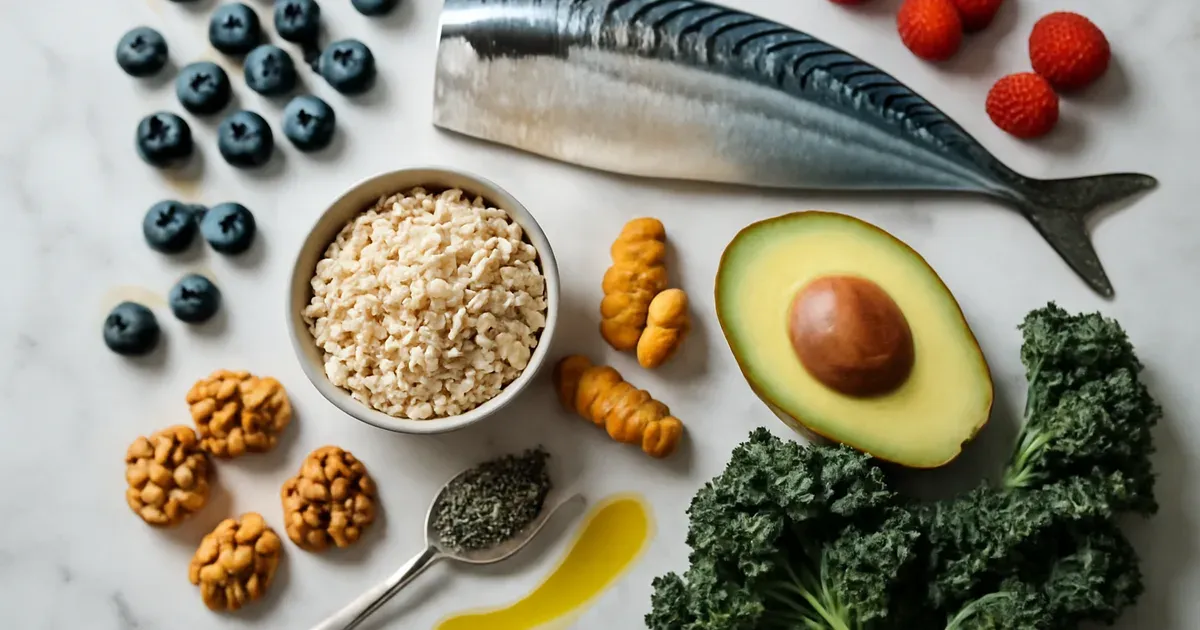
Berries (blueberries, raspberries, blackberries, cherries), leafy greens (spinach, kale, rocket), broccoli, carrots, mushrooms, and bell peppers are all rich in polyphenols — antioxidant compounds that protect cells from oxidative stress and support a diverse gut microbiome. The British Gut Project data consistently shows that people who eat 30 or more different plant foods per week have significantly more diverse microbiomes, which is associated with lower inflammatory markers.
Oily Fish and Omega-3 Fatty Acids
Salmon, mackerel, sardines, and herring — all readily available in the UK — are outstanding sources of long-chain omega-3 fatty acids (EPA and DHA). Omega-3 fatty acids are well-established for their anti-inflammatory, antiarrhythmic, and vasodilatory properties, and they are among the most evidence-backed dietary interventions for reducing systemic inflammation. The NHS Eatwell Guide recommends at least two portions of fish per week, including one oily.
Wholegrains, Legumes, and Fibre
Oats, brown rice, quinoa, whole-wheat bread, lentils, chickpeas, and beans provide the dietary fibre that feeds beneficial gut bacteria. These bacteria ferment fibre into short-chain fatty acids (SCFAs) such as butyrate, which directly nourish the gut lining and have potent anti-inflammatory effects. UK dietary guidelines recommend 30g of fibre daily; the average UK adult currently consumes only around 18g.
Herbs, Spices, and Healthy Fats
Turmeric (with its active compound curcumin), ginger, garlic, cinnamon, and rosemary all contain powerful anti-inflammatory phytochemicals. Extra-virgin olive oil, avocados, walnuts, chia seeds, and flaxseeds provide unsaturated fats that support both cardiovascular health and a balanced inflammatory response.
Foods to Limit for Better Gut Health
You do not need to pursue perfection or eliminate entire food groups overnight. The goal is a meaningful shift in the overall pattern of your diet. Reducing the following foods consistently will have a cumulative positive effect on both gut microbiome diversity and systemic inflammation levels.
- Sugary drinks and ultra-processed snacks — fizzy drinks, fruit squashes with added sugar, and packaged biscuits spike blood glucose and suppress the growth of beneficial gut bacteria.
- Refined carbohydrates — white bread, white rice, and processed cereals stripped of their fibre feed pro-inflammatory gut bacteria rather than beneficial ones.
- Processed meats — sausages, bacon, and deli meats are high in saturated fat and preservatives linked to gut dysbiosis. The UK's Scientific Advisory Committee on Nutrition (SACN) advises limiting processed red meat to no more than 70g per day.
- Excess omega-6 oils — highly refined vegetable and seed oils (such as sunflower oil in very large quantities) can tip the omega-3 to omega-6 balance in an inflammatory direction when they dominate the diet.
Individual sensitivities also matter. Gluten can trigger inflammation in people with coeliac disease or non-coeliac gluten sensitivity — a link that extends beyond the gut, with growing evidence connecting gluten-related inflammation to neurological symptoms in susceptible individuals. Nightshade vegetables (tomatoes, peppers, aubergine) may worsen symptoms in some people with inflammatory bowel conditions. If you suspect a specific trigger, an NHS-registered dietitian or gut health specialist can guide a structured elimination approach.
How to Build Your Anti-Inflammatory Plate: A Practical Framework
Translating food knowledge into daily meals is where most people get stuck. The following framework, adapted from evidence-based nutritional guidance, gives you a simple structure that works for any meal.
- Fill half your plate with vegetables and fruit. Aim for at least five different colours across the day to maximise the range of polyphenols and phytonutrients.
- Add a lean protein source (roughly a quarter of your plate). Oily fish, skinless chicken, tofu, eggs, lentils, or chickpeas all support satiety and tissue repair without driving inflammation.
- Include a healthy fat. Drizzle extra-virgin olive oil over salads, add a quarter of an avocado, or scatter walnuts and seeds over oats or soups. Fats are essential for absorbing fat-soluble vitamins A, D, E, and K from vegetables.
- Choose a high-fibre carbohydrate. A portion of oats, a slice of seeded wholegrain bread, brown rice, or a small baked sweet potato provides sustained energy and feeds your gut microbiome.
A 21-Day Anti-Inflammatory Meal Plan: Sample Days
This three-week framework is designed to be flexible, not rigid. Swap meals based on what is in season, what is on offer at your local market, and what your schedule allows. The aim is to build lasting habits, not follow rules perfectly.
Week 1 — Foundations
Day 1
- Breakfast: Berry almond porridge — cook rolled oats with unsweetened oat milk, top with mixed berries, a tablespoon of flaked almonds, and a pinch of cinnamon.
- Lunch: Mediterranean quinoa salad — cooked quinoa with diced cucumber, cherry tomatoes, chickpeas, extra-virgin olive oil, lemon juice, and fresh dill.
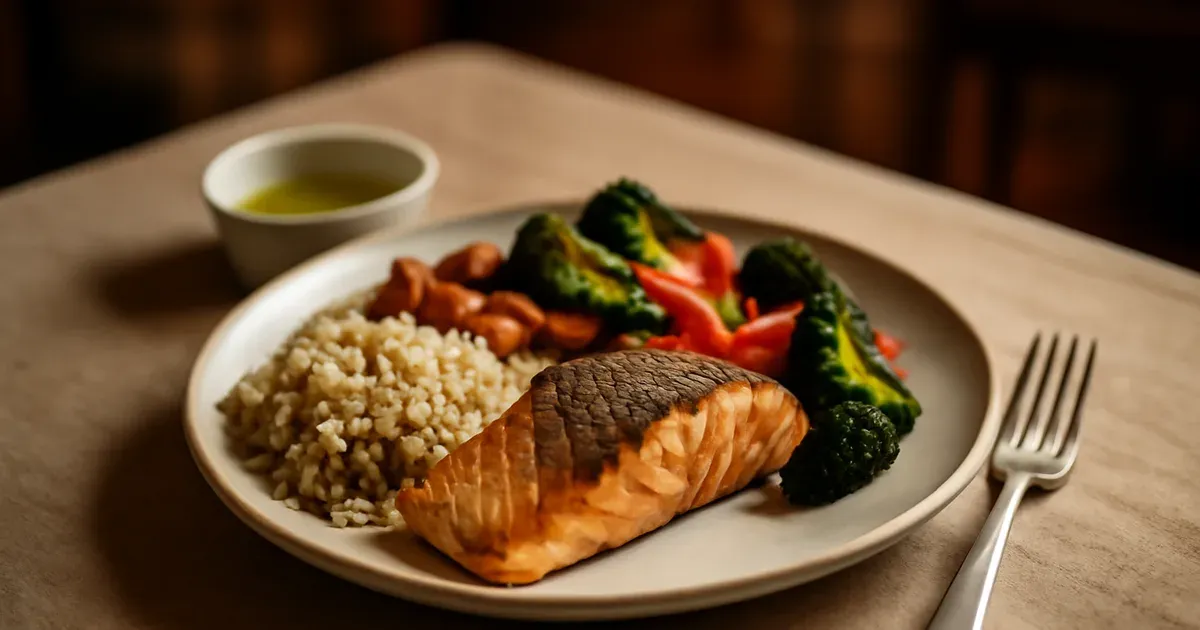
- Dinner: Lemon herb salmon with roasted tenderstem broccoli and a small baked sweet potato.
- Snacks: An apple with almond butter; a small handful of walnuts.
Day 2
- Breakfast: Avocado toast on seeded wholegrain bread, topped with mixed seeds and smoked paprika.
- Lunch: Grilled chicken and mixed greens bowl with roasted red peppers, cucumber, and a tahini-lemon dressing.
- Dinner: Red lentil and spinach dhal served with brown rice and a side of plain live yoghurt.
- Snacks: Carrot sticks with hummus; a small pot of blueberries.
Week 2 — Building Diversity
In week two, focus on introducing at least two new plant foods you did not eat in week one. This could mean adding kefir to your breakfast, experimenting with kimchi as a condiment, or swapping white rice for freekeh or pearl barley. Research from King's College London's gut microbiome studies consistently shows that dietary diversity — measured by the number of distinct plant species consumed weekly — is one of the strongest predictors of a healthy, resilient microbiome in the UK population.
Week 3 — Sustaining the Habit
By week three, batch cooking becomes your best ally. Prepare a large pot of vegetable soup or a lentil stew at the weekend and use it across three lunches. Roast a tray of mixed root vegetables to add to salads and grain bowls. The goal is to make anti-inflammatory eating the path of least resistance, not a daily act of willpower.
Beyond Diet: Sleep, Exercise, and Stress in the UK Context
Diet is the cornerstone, but it is not the whole building. Chronic inflammation is also driven and sustained by poor sleep, physical inactivity, and chronic psychological stress — all of which are measurable and modifiable.
NHS data consistently shows that UK adults are among the most sleep-deprived in Europe. Poor sleep raises levels of the inflammatory cytokine interleukin-6 and disrupts the gut microbiome's circadian rhythm. Aiming for 7–9 hours of quality sleep per night is a concrete, evidence-backed anti-inflammatory intervention.
Regular moderate exercise — brisk walking, cycling, swimming — reduces circulating inflammatory markers and supports gut motility, helping beneficial bacteria thrive. The NHS recommends at least 150 minutes of moderate activity per week for UK adults. Mindfulness practices, available through NHS talking therapies and apps like Headspace and Calm, have been shown to lower cortisol, which when chronically elevated, directly promotes gut dysbiosis.
The Bottom Line
Improving gut health naturally in the UK does not require an expensive supplement stack or a complicated elimination protocol. It requires a consistent, colourful, fibre-rich diet that supports your gut microbiome, reduces systemic inflammation, and — through the gut-brain connection — positively influences your mood, cognition, and long-term health.
The UK's own microbiome research, nutritional guidelines from the NHS and British Dietetic Association, and a growing body of global science all point toward the same practical wisdom: eat more plants, choose oily fish regularly, reduce ultra-processed foods, and support your gut with diverse, whole-food nutrition. Start with one meal, build from there, and let the evidence work in your favour.
You might also like
- How to Boost Natural GLP-1 for Gut Health (No Drugs)
- How to Improve Gut Health Naturally in 6 Steps
- Gut Health UK: How Your Microbiome Protects Your Heart
Frequently Asked Questions
What is the best diet for gut health in the UK?
A varied, plant-rich diet that aligns broadly with the Mediterranean pattern is currently the most evidence-supported approach for gut health in the UK. This means prioritising colourful vegetables and fruit, oily fish, wholegrains, legumes, and extra-virgin olive oil, while limiting ultra-processed foods and added sugars. The British Gut Project data supports dietary diversity — 30 or more plant foods per week — as a key marker of microbiome health.
How does the gut-brain connection affect mental health?
The gut and brain communicate constantly through the gut-brain axis, which includes the vagus nerve, immune signalling, and microbial metabolites. When gut inflammation is elevated or the microbiome is imbalanced (dysbiosis), inflammatory molecules can influence brain chemistry, contributing to symptoms of depression, anxiety, and brain fog. Improving gut health through diet and lifestyle can support mental wellbeing alongside physical health.
Can an anti-inflammatory diet help with autoimmune conditions?
Diet alone cannot cure autoimmune conditions, but an anti-inflammatory eating pattern can meaningfully reduce the dietary triggers that worsen systemic inflammation. For conditions like rheumatoid arthritis, inflammatory bowel disease, or psoriasis, working with an NHS-registered dietitian or gut health specialist to personalise your approach — including identifying individual food sensitivities — is strongly recommended.
How long does it take to see results from an anti-inflammatory diet?
Research suggests that meaningful shifts in gut microbiome composition can begin within two to four weeks of consistently increasing dietary fibre and plant diversity. Subjective improvements in energy, digestion, and joint comfort often follow. Longer-term inflammatory markers — measurable via blood tests — typically show improvement over three to six months of sustained dietary change.
Are probiotic supplements necessary for gut health?
Probiotic supplements can be helpful in specific contexts, such as following a course of antibiotics, but for most healthy UK adults, prioritising prebiotic-rich foods (those that feed beneficial bacteria, such as oats, leeks, garlic, onions, and bananas) and fermented foods (live yoghurt, kefir, kimchi, sauerkraut) provides a more comprehensive and cost-effective foundation for a healthy microbiome. Always discuss supplementation with a healthcare professional if you have an underlying condition.
96 Bacterial Strains. Two Shots a Day.
GOODIE is an award-winning fermented drink with 96 live bacterial strains — more than any yogurt or kombucha — never pasteurised, clinically tested, and 8 in 10 users felt less bloating within 14 days. Curious?