Gut Health UK: How Your Microbiome Protects Your Heart
Discover how your gut microbiome affects heart health, what UK research reveals about TMAO and inflammation, and how to improve gut health naturally with eviden


Most people know that eating well is good for the heart. But fewer realise that much of the benefit flows through an unexpected intermediary: the trillions of microbes living in your gut. UK microbiome research is now revealing just how tightly your gut and your cardiovascular system are linked — and what you can do about it today.
From the bacteria that ferment your food to the chemicals they release into your bloodstream, the gut microbiota influences heart risk in ways scientists are only beginning to fully map. Here is what the evidence currently shows, and how you can use it to improve gut health naturally — and protect your heart in the process.
Why Your Gut Microbiota Is Far More Than a Digestive Aid
Your gut is home to an entire ecosystem. The gut microbiota — a collective term for the bacteria, viruses, fungi and other microbes residing all along your digestive tract — does far more than help you break down a meal. It maintains the integrity of the gut lining, regulates immune responses, and produces an extraordinary range of biologically active compounds.
These compounds include short-chain fatty acids, hormones, vitamins and small proteins. They are involved in everything from blood clotting and bone density to nerve signalling and brain health. The gut-brain connection is one of the most actively studied areas in modern medicine, with UK institutions including King's College London and the University of Reading leading pioneering work on how gut microbes communicate with the central nervous system via the vagus nerve.
When the balance of your microbiota shifts — a state researchers call dysbiosis — the downstream effects can ripple far beyond the digestive system. That includes your heart.
How Poor Gut Health Harms the Heart
The link between gut health and cardiovascular disease is now well established in laboratory research, even if the full mechanistic picture in humans is still being assembled. Studies have shown that changes in the number, species and composition of gut microbes are directly associated with a higher risk of developing — and dying from — heart and circulatory diseases.
One of the most closely examined culprits is a compound called trimethylamine N-oxide, or TMAO. Produced when gut bacteria metabolise certain nutrients (including choline and L-carnitine, found in red meat and eggs), TMAO enters the bloodstream and has been linked in laboratory studies to worsening outcomes in people with heart failure. A review of the evidence on TMAO and heart failure concluded that gut microbe-derived metabolites, including TMAO, are implicated in the progression of cardiovascular disease through inflammatory pathways.
High circulating levels of TMAO may also contribute to hypertension. Research published in a review on gut microbiota, TMAO and hypertension found emerging evidence that changes in the gut microbiome — and specifically elevated TMAO — are associated with raised blood pressure, likely through inflammation of blood vessel linings. Scientists are also investigating TMAO's potential role in elevated LDL cholesterol.
It is important to note that much of this evidence comes from laboratory and animal studies. More large-scale human research is needed — including through resources like the UK Biobank and the British Gut Project, both of which hold valuable microbiome and health outcome data for UK populations.
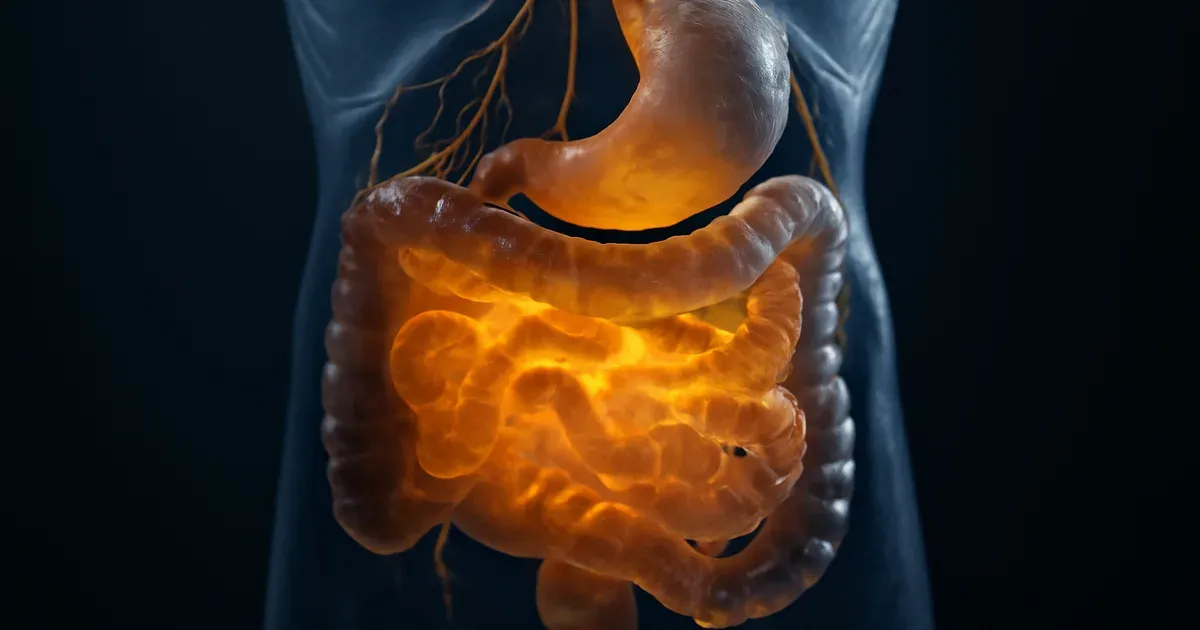
The Gut-Brain Connection: A Two-Way Street
Your gut and brain are in constant dialogue, communicating through the gut-brain axis — a bidirectional signalling network involving the vagus nerve, the immune system, and an array of gut-derived neurotransmitters and hormones. Roughly 90 to 95 per cent of the body's serotonin is produced in the gut, not the brain.
This connection means that what disrupts your microbiome can affect your mental as well as physical health — and vice versa. Chronic stress, for example, can alter gut microbial composition, which may in turn influence mood, anxiety, and cognitive function. UK microbiome research at institutions such as UCL and the University of Oxford is actively exploring how interventions targeting gut bacteria might one day support mental health treatment pathways alongside conventional NHS care.
For heart health, the gut-brain axis adds another layer of complexity. Stress-driven dysbiosis may amplify cardiovascular risk by increasing systemic inflammation — the same inflammatory process implicated in atherosclerosis and hypertension. Supporting a healthy microbiome is therefore not just about digestion; it may be a meaningful strategy for protecting both brain and heart.
What a Healthy Gut Does for Your Heart
Here is the empowering flip side of the research. Even without a complete mechanistic picture, scientists know that what benefits the gut consistently benefits the heart. Two nutritional categories stand out: fibre and polyphenols.
Fibre feeds your gut microbes directly. Research published in the British Medical Journal has shown that higher fibre intake is associated with a significantly lower risk of coronary artery disease and other cardiovascular conditions. The working hypothesis is that soluble fibre binds to LDL ("bad") cholesterol in the digestive tract, helping the body excrete it rather than absorb it. The UK Eatwell Guide recommends 30g of fibre per day for adults — a target most people in the UK fall well short of.
Polyphenols are the second major player. These plant-based antioxidants and bioactive compounds — found in berries, dark chocolate, olive oil, tea, legumes and many other foods — are associated with better heart and circulatory health. Critically, human cells cannot digest roughly 90 per cent of polyphenols on their own. We depend on gut microbes to ferment them into absorbable, biologically active forms. This is one reason the NHS recommends five portions of fruit and vegetables daily, and why the Mediterranean diet — rich in extra virgin olive oil, nuts, seeds and legumes — is repeatedly associated with cardiovascular benefit.

How to Improve Gut Health Naturally: Practical Steps
The good news is that your microbiome is responsive to dietary change — and relatively quickly. Here are evidence-informed strategies for improving gut health naturally, grounded in what UK microbiome research and NHS dietary guidance currently supports.
1. Aim for 30 Different Plant Foods Per Week
Diversity is the cornerstone of a healthy microbiome. Different microbial species thrive on different nutrients, so a varied diet supports a richer, more resilient microbiota. Thirty plant foods per week sounds ambitious, but it includes fruits, vegetables, wholegrains, nuts, seeds and legumes — think lentils, chickpeas, kidney beans, mixed seeds and a rainbow of vegetables. Swapping your usual single-colour pepper for a mixed bag is a genuine step forward.
2. Increase Your Fibre Intake Gradually
Most adults in the UK consume around 18g of fibre daily — barely half the recommended 30g. Wholegrains (oats, rye bread, brown rice), pulses, and vegetables are the most accessible routes to closing that gap. Increasing fibre too quickly can cause bloating, so add it gradually and drink plenty of water.
3. Add Fermented Foods to Your Diet
Fermented foods such as live yogurt, kefir, kimchi, sauerkraut and miso contain live beneficial bacteria that may help restore microbial balance in the gut. Many also contain prebiotics — compounds that feed your existing microbes, acting as a kind of fertiliser for your gut ecosystem. When the microbial balance improves, the gut becomes better equipped to ferment polyphenols and absorb their cardiovascular benefits.
4. Embrace the Mediterranean Pattern of Eating
The Mediterranean diet is arguably the most evidence-backed dietary pattern for both gut and heart health. Its emphasis on olive oil, oily fish, legumes, whole grains, nuts and abundant fruit and vegetables delivers a broad range of fibres, polyphenols and healthy fats. British Dietetic Association (BDA) guidance acknowledges the cardiovascular evidence behind this pattern, and it translates well to the British diet with a few straightforward swaps.
5. Reduce Ultra-Processed Foods and Added Sugar
Ultra-processed foods — prevalent in the British diet — have been linked to reduced microbial diversity and increased gut permeability (sometimes called "leaky gut"). Lower microbial diversity is associated with poorer immune regulation, higher inflammation, and, increasingly, greater cardiovascular risk. The British Nutrition Foundation highlights reducing ultra-processed food intake as a priority for overall health.

UK Microbiome Research: What Is Coming Next
The UK is at the forefront of microbiome science. The British Gut Project, a citizen science initiative, has collected gut microbiome data from tens of thousands of UK participants, providing an unprecedented population-level picture of microbial diversity across the country. The UK Biobank links genetic, lifestyle and health data for 500,000 participants — a resource increasingly being used to explore gut health biomarkers and cardiovascular outcomes.
Institutions including Imperial College London, King's College London and the University of Nottingham are conducting trials examining how specific dietary interventions, probiotic strains, and prebiotic supplements influence both microbiome composition and cardiovascular risk markers. The MRC and Wellcome Trust have both funded significant programmes in this space.
What is emerging is a more nuanced picture of the British diet gut health relationship. It is not simply about eating "clean" — it is about maintaining microbial diversity, supporting the gut-brain axis, and providing the specific nutrients that gut microbes need to produce heart-protective compounds.
The Bottom Line
Your gut microbiota is not a passive bystander in your cardiovascular health. It actively produces chemicals that can harm or protect your heart, modulates inflammation throughout the body, and communicates with your brain in ways that influence stress, mood and, indirectly, heart risk.
The most powerful tools available to support gut health in the UK right now are also the simplest: eat more plants, eat more variety, include fermented foods, and reduce your intake of ultra-processed products. These steps align with NHS dietary guidance, the UK Eatwell Guide, and a growing body of UK microbiome research.
Your microbiome responds to what you eat — sometimes within days. That makes it one of the most modifiable risk factors for long-term heart health that you have.
Frequently Asked Questions
What is the gut microbiota and why does it matter for gut health in the UK?
The gut microbiota is the collection of trillions of microbes — bacteria, viruses, fungi and more — living along your digestive tract. In the UK and globally, research confirms it plays a central role in digestion, immune function, hormone production and even mental health via the gut-brain connection. Disruption of this community is linked to a wide range of conditions, including heart disease.
How does TMAO produced by gut bacteria harm the heart?
TMAO (trimethylamine N-oxide) is a metabolite produced when gut bacteria break down certain nutrients. Laboratory and clinical research has linked elevated blood levels of TMAO to worse outcomes in heart failure, possible inflammation of blood vessel linings, and associations with hypertension. It is one of the clearest examples of how gut microbial activity can directly affect cardiovascular risk.
Can improving my gut health lower my risk of heart disease?
The evidence suggests yes, though the mechanisms are still being refined. Higher fibre intake is associated with lower rates of coronary artery disease. Polyphenol-rich diets support both gut microbe diversity and heart health. UK dietary guidelines — including the NHS 5-a-day recommendation and the 30g daily fibre target — are broadly consistent with what microbiome science now recommends.
What fermented foods are best for gut health in the UK?
Live yogurt, kefir, kimchi, sauerkraut and miso are all good options widely available in UK supermarkets. They introduce beneficial bacteria to the gut and often contain prebiotics that feed existing microbes. Look for products labelled "live cultures" to ensure they contain active bacteria.
Is the gut-brain connection relevant to heart health?
Yes — stress-driven changes in the gut microbiome can amplify systemic inflammation, which is a key driver of cardiovascular disease. The gut-brain axis links mental and physical health in ways that make supporting the microbiome relevant not just to digestion or mood, but to long-term heart protection as well.
You might also like
- 7 Fibre-Rich Foods to Improve Gut Health Naturally
- 7 Gut-Brain Secrets That Could Change Your Mental Health
- How to Improve Gut Health Naturally in 6 Steps
96 Bacterial Strains. Two Shots a Day.
GOODIE is an award-winning fermented drink with 96 live bacterial strains — more than any yogurt or kombucha — never pasteurised, clinically tested, and 8 in 10 users felt less bloating within 14 days. Curious?