8 Anti-Inflammatory Recipes for Gut Health
8 easy anti-inflammatory recipes that support gut health UK — from omega-3 mackerel to fermented pickles — backed by microbiome science.

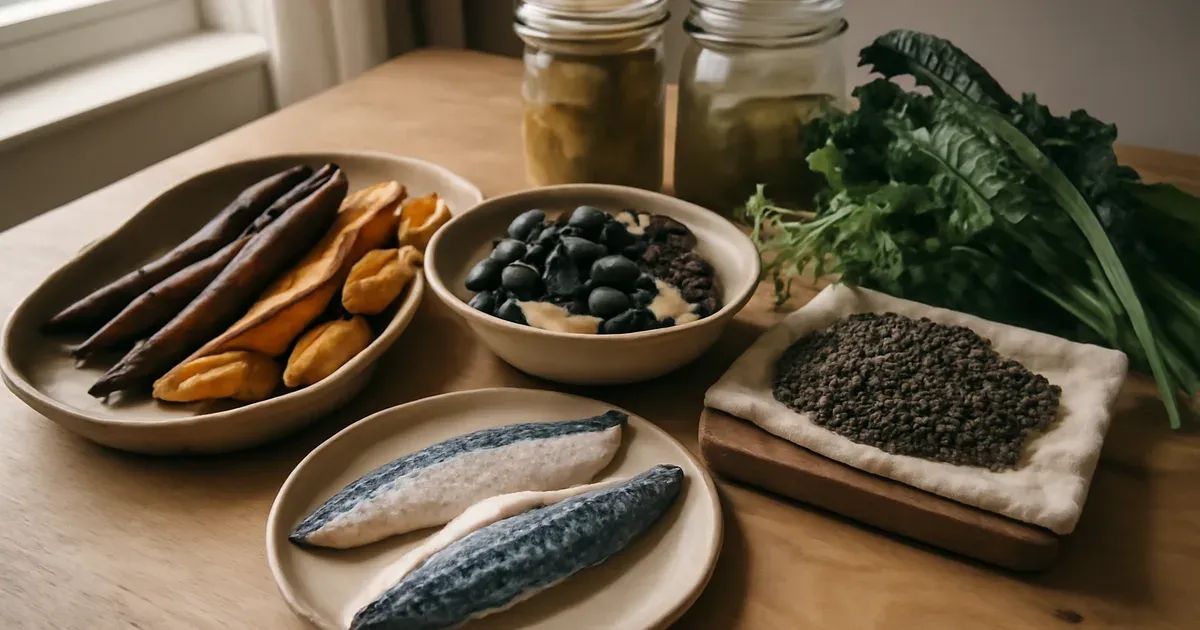
Chronic inflammation is a silent disruptor — and millions of people in the UK are living with it without realising it. Unlike the short-term inflammation that helps you heal a cut, low-grade systemic inflammation can quietly damage your heart, your gut lining, and even your mood. The good news? Your plate is one of the most powerful tools you have to fight back. These 8 delicious, easy anti-inflammatory recipes are designed to calm inflammation, nourish your microbiome, and support the gut-brain connection — starting tonight.
Research increasingly confirms that a diet rich in fibre, fermented foods, oily fish, and colourful plants can measurably reduce inflammatory markers in the body — and UK microbiome research from institutions like King's College London and the British Gut Project reinforces that what you eat shapes your gut bacteria in as little as a few days.
1. Chargrilled Vegetable Salad: Antioxidants That Calm Your Gut
The vibrant colours in roasted peppers, courgettes, and aubergines aren't just visually appealing — they signal the presence of polyphenols and antioxidants, compounds shown to reduce oxidative stress that fuels inflammation. For your microbiome UK, this matters enormously: polyphenols act as a prebiotic fuel source for beneficial gut bacteria like Lactobacillus and Bifidobacterium. Actionable takeaway: Aim for at least five different colours on your plate to maximise antioxidant diversity and feed a broader range of gut microbes.
2. Roasted Mackerel with New Potatoes and Beetroot: Omega-3 for Your Microbiome
Mackerel is one of the richest sources of omega-3 fatty acids available in the British diet — and the NHS recommends at least two portions of fish per week, one of which should be oily. Omega-3s directly suppress pro-inflammatory signalling molecules called cytokines, while emerging research suggests they also support microbial diversity in the gut. Actionable takeaway: Swap a mid-week meat-based dinner for roasted mackerel; paired with earthy beetroot (a known source of gut-friendly nitrates), it's a double win for your gut-brain connection.
3. Herby Chicken with Bulgur Wheat: Wholegrains to Feed Your Gut Bacteria
Bulgur wheat is an underrated wholegrain that cooks in minutes and delivers a significant fibre hit — something only 9% of UK adults currently achieve at the recommended 30g daily intake, according to the British Nutrition Foundation. Dietary fibre is fermented by your gut bacteria into short-chain fatty acids (SCFAs) such as butyrate, which actively reduce intestinal inflammation and strengthen the gut lining. Actionable takeaway: Replace white rice or regular pasta with bulgur wheat two to three times a week to meaningfully improve gut health naturally.
4. Nordic Pickles: Fermented Foods and the Gut-Brain Connection
Fermented foods are the cornerstone of a microbiome-friendly diet — and Nordic-style pickled vegetables are one of the easiest to make at home. The live cultures introduced during lacto-fermentation produce lactic acid bacteria that can colonise the gut, crowd out harmful microbes, and modulate immune responses. Crucially, a 2022 study from Stanford University found that a diet high in fermented foods increased microbiome diversity and reduced 19 inflammatory proteins. Actionable takeaway: Try making a batch of pickled cucumber, carrot, or red onion — they keep in the fridge for weeks and add a probiotic punch to any meal.

Did you know? The gut microbiome contains roughly 100 trillion microorganisms and produces around 95% of the body's serotonin — making what you eat a direct influence on your mood, stress response, and mental clarity. This is the gut-brain connection in action.
5. Bircher Muesli: A Fibre-First Breakfast for Gut Health
Starting your day with fibre rather than refined sugar sets your gut microbiome on a completely different trajectory. Traditional Bircher muesli — oats soaked overnight with natural yogurt, almonds, and fresh berries — delivers beta-glucan fibre, live cultures, and polyphenol-rich fruit in a single bowl. Unlike sugary cereals that spike blood sugar and promote inflammatory pathways, this breakfast sustains energy and feeds beneficial bacteria. Actionable takeaway: Prep a jar the night before; it takes under five minutes and supports consistent improve gut health naturally habits without willpower battles in the morning.
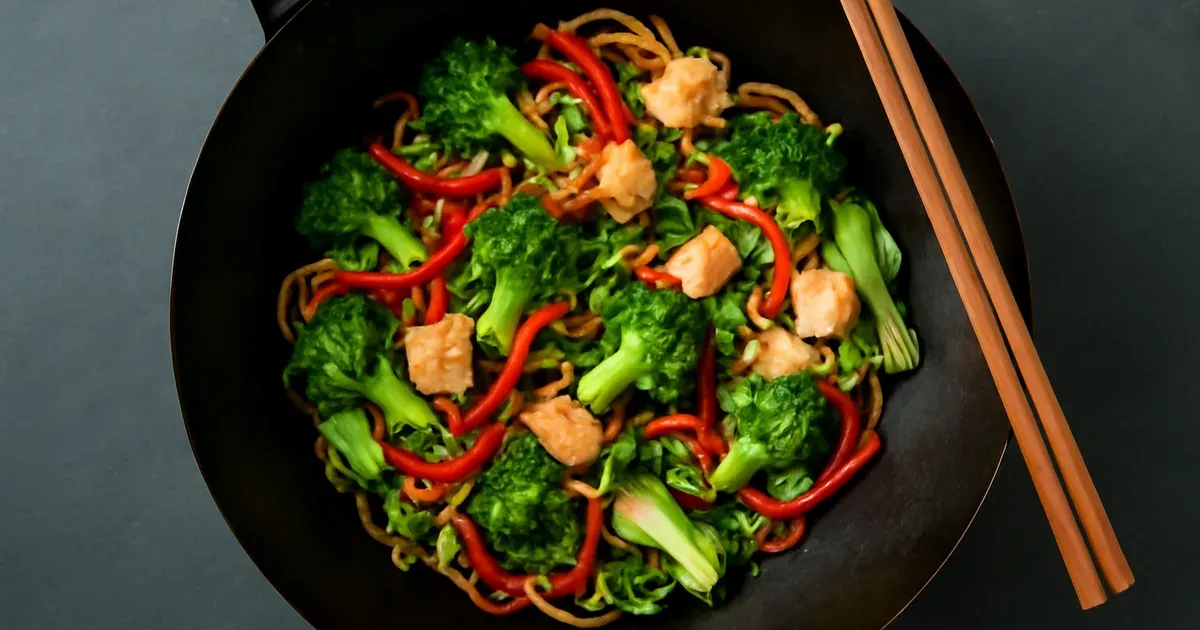
6. Vegetable Stir-Fry with Tofu and Noodles: Plant Diversity for Your Microbiome
The British Gut Project — one of the largest citizen science microbiome studies in the UK — found that people who eat 30 or more different plant species per week have significantly more diverse gut microbiomes than those eating fewer than 10. This stir-fry, loaded with wholewheat noodles, tofu, brassicas, and toasted sesame seeds, can tick off six to eight plant varieties in one meal. Microbial diversity is closely linked to lower systemic inflammation and better mental health outcomes via the gut-brain axis. Actionable takeaway: Keep a weekly tally of your plant varieties — it's a simple, game-changing habit recommended by UK microbiome research teams.
7. Sweet Potato and Quinoa Buddha Bowl: Colourful Anti-Inflammatory Power
Quinoa and chickpeas together form a complete protein with exceptional fibre content — making this vegan bowl one of the most microbiome-supportive meals in British diet gut health circles. Sweet potato provides beta-carotene (a powerful antioxidant), while chickpeas deliver prebiotic fibre that selectively feeds Faecalibacterium prausnitzii, a bacterium associated with reduced gut inflammation. Research from the University of Reading has highlighted how legumes specifically support butyrate-producing bacteria in the colon. Actionable takeaway: Drizzle with a lemon-tahini dressing for an extra hit of anti-inflammatory polyphenols from the sesame.
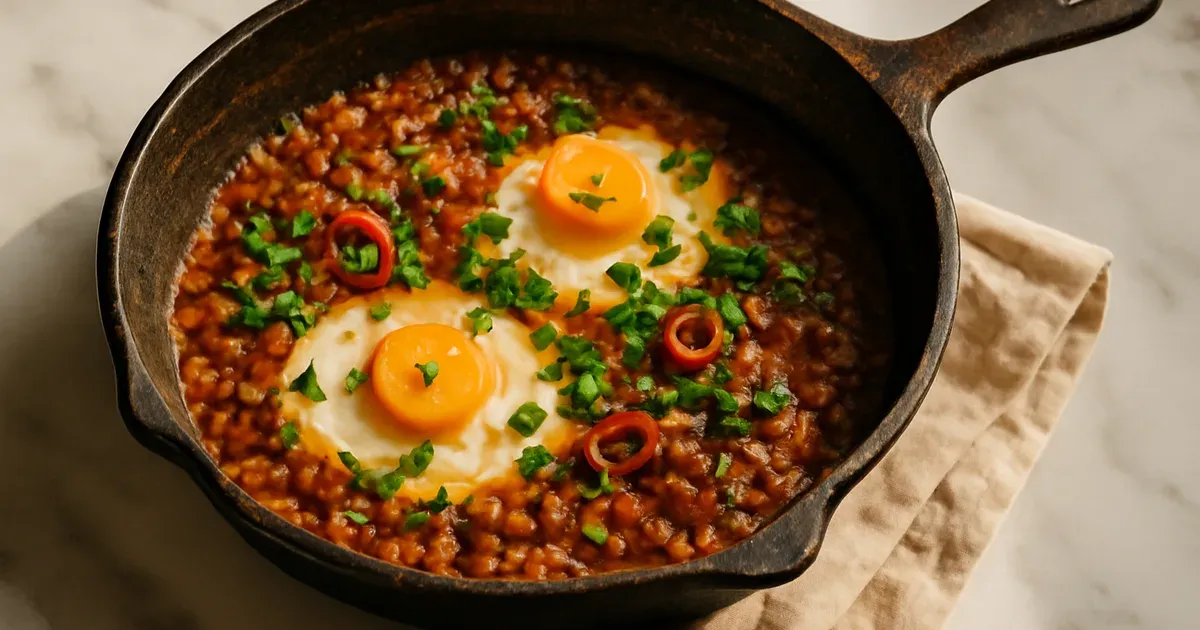
8. Spanish-Style Lentils with Eggs: The Ultimate Anti-Inflammatory One-Pan Meal
Lentils are perhaps the most undervalued food in the UK when it comes to gut health and inflammation. High in both soluble and insoluble fibre, lentils feed a broad spectrum of gut bacteria while their low glycaemic load prevents the blood sugar spikes that trigger inflammatory cascades. Eggs contribute choline — a nutrient that supports the gut lining and has emerging links to healthy neurotransmitter production relevant to the gut-brain connection. Actionable takeaway: This one-pan dish is low in saturated fat and salt, aligning with NHS gut health dietary guidance — make a large batch and refrigerate for up to three days.
Fighting inflammation through food doesn't require a dramatic overhaul. Swapping one or two meals per week for these gut-nourishing, anti-inflammatory options can shift your microbiome composition, lower inflammatory markers, and support your mental wellbeing through the gut-brain axis. The UK Eatwell Guide already points in this direction — more plants, wholegrains, oily fish, and fermented foods. These recipes just make it delicious and achievable.
You might also like
- Protein vs Fibre: What Your Gut Health Needs
- How to Support Gut-Brain Health in 6 Steps
- Gut Health & Lifestyle Medicine: Your Questions Answered
Frequently Asked Questions
What are the best anti-inflammatory foods available in the UK?
The most accessible anti-inflammatory foods in the British diet include oily fish (mackerel, salmon, sardines), colourful vegetables, wholegrains like oats and bulgur wheat, legumes such as lentils and chickpeas, fermented foods (natural yogurt, pickles, kefir), nuts and seeds, and berries. These align closely with NHS gut health dietary recommendations and the UK Eatwell Guide. Focusing on whole, minimally processed foods from these categories delivers the greatest anti-inflammatory benefit.
How does gut health affect inflammation in the UK population?
UK microbiome research from King's College London and the British Gut Project has shown that low gut microbial diversity is associated with higher levels of systemic inflammation, increased risk of conditions like IBS, type 2 diabetes, and depression. When the gut microbiome is imbalanced — a state called dysbiosis — the gut lining can become permeable, allowing bacterial compounds called lipopolysaccharides (LPS) to enter the bloodstream and trigger chronic inflammation throughout the body.
What is the gut-brain connection and why does it matter?
The gut-brain connection refers to the bidirectional communication network between the gastrointestinal tract and the central nervous system, primarily via the vagus nerve. The gut produces approximately 95% of the body's serotonin and is home to an estimated 500 million neurons — sometimes called the "second brain." Poor gut health linked to a pro-inflammatory diet can impair this signalling, contributing to anxiety, low mood, and cognitive fog. Eating anti-inflammatory, fibre-rich foods helps maintain the microbial balance that supports this connection.
How quickly can diet changes improve gut health naturally?
Research suggests the gut microbiome can begin to shift within 48 to 72 hours of dietary change. Increasing fibre intake, adding fermented foods, and reducing ultra-processed foods can produce measurable changes in microbial composition within two to four weeks. For sustained benefit, consistency matters more than perfection — gradually incorporating anti-inflammatory recipes into your weekly routine produces longer-lasting improvements in both gut health and inflammatory markers, as highlighted by studies from Imperial College London and the University of Nottingham.
Are fermented foods safe for everyone in the UK?
Most healthy adults can benefit from including fermented foods such as natural yogurt, kefir, sauerkraut, kimchi, and pickles in their diet. However, those with compromised immune systems, small intestinal bacterial overgrowth (SIBO), or certain digestive conditions should speak to their GP or a registered dietitian (as recognised by the British Dietetic Association) before significantly increasing fermented food intake. Starting with small amounts and gradually increasing is generally recommended to avoid temporary bloating as the microbiome adjusts.
96 Bacterial Strains. Two Shots a Day.
GOODIE is an award-winning fermented drink with 96 live bacterial strains — more than any yogurt or kombucha — never pasteurised, clinically tested, and 8 in 10 users felt less bloating within 14 days. Curious?