Bioengineered Gum Cuts Oral HPV Levels by 93%
Penn researchers report a bioengineered chewing gum cut oral HPV levels by 93% in lab samples. No human trial has been conducted yet.

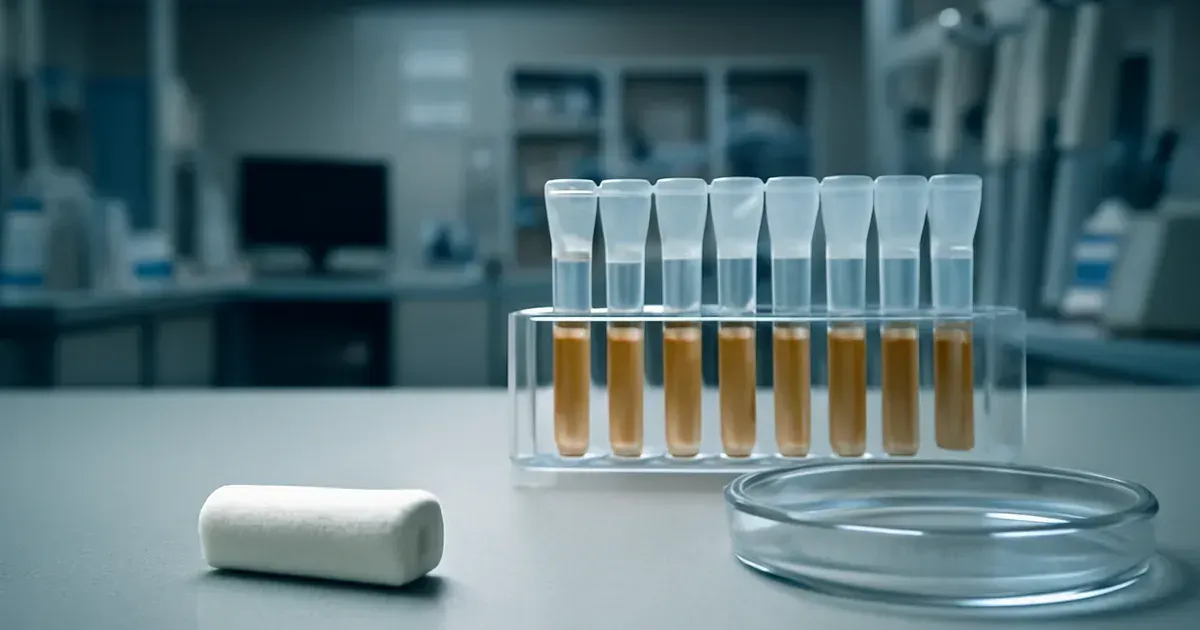
Researchers at the University of Pennsylvania have reported that extracts from a bioengineered chewing gum reduced HPV levels by 93% in saliva samples and by 80% in oral rinse samples taken from patients with head and neck cancer, according to Medical Daily. The laboratory findings, published in a peer-reviewed study, have not yet been tested in a full human clinical trial — a critical distinction scientists are emphasising.
Why This Matters
Human papillomavirus (HPV) is now the leading cause of oropharyngeal cancers in many high-income countries. The oral microbiome — the vast community of microbes residing in the mouth — plays a complex role in how viral and bacterial pathogens persist or are cleared from oral tissue. Emerging research into the gut-brain connection and the wider microbiome has highlighted that the microbial environment of the entire digestive tract, beginning in the mouth, influences systemic health in ways science is only beginning to quantify. An intervention targeting the oral microbiome could, in principle, have implications that extend well beyond HPV alone.
A 93% Reduction in Laboratory Conditions
The study found that gum extracts reduced HPV levels by 93% in saliva samples from head and neck cancer patients, per Medical Daily. A peer-reviewed study published in Scientific Reports examining ex vivo clinical samples with antiviral chewing gums reported reductions in carcinogenic microbes alongside these HPV findings. Researchers caution that ex vivo testing — carried out on samples outside the living body — is a preliminary step. No randomised controlled trial in human participants has yet been conducted, and the efficacy and safety of the gum in a clinical setting remain unproven.
What This Means for Microbiome Research
For those following advances in microbiome science in the UK, this research adds to a growing body of evidence that the oral environment is an active frontier in health intervention. The oral microbiome is increasingly understood as the gateway to gut health — disruptions in oral microbial balance have been linked to downstream changes in the gut microbiome. UK microbiome research, including work supported by the Wellcome Trust and the British Gut Project, has repeatedly underscored the significance of microbial diversity across the entire digestive tract. A targeted chewing gum format, if validated in clinical trials, could offer a non-invasive route to influencing that balance.
The University of Pennsylvania team has not yet announced timelines for human trials, according to Medical Daily. Independent replication and regulatory review would be required before any such product could be considered for clinical or consumer use in the UK.
Laboratory results showing a 93% reduction in oral HPV levels are a striking early signal, but researchers and health commentators agree that ex vivo data must be followed by rigorous human trials before conclusions about clinical benefit can be drawn. The intersection of antiviral intervention and oral microbiome science makes this a space worth watching closely.
You might also like
- Your Mouth & Your Gut: The Oral Microbiome
- 7 Warning Signs Your Oral Microbiome Is Wrecking Your Gut
- Ham Sandwiches and Gut Health: What UK Deli Meats Do
96 Bacterial Strains. Two Shots a Day.
GOODIE is an award-winning fermented drink with 96 live bacterial strains — more than any yogurt or kombucha — never pasteurised, clinically tested, and 8 in 10 users felt less bloating within 14 days. Curious?