Your Mouth & Your Gut: The Oral Microbiome
Your mouth is your microbiome's starting point. Discover how the oral microbiome shapes gut health UK, the gut-brain connection, and systemic wellbeing.

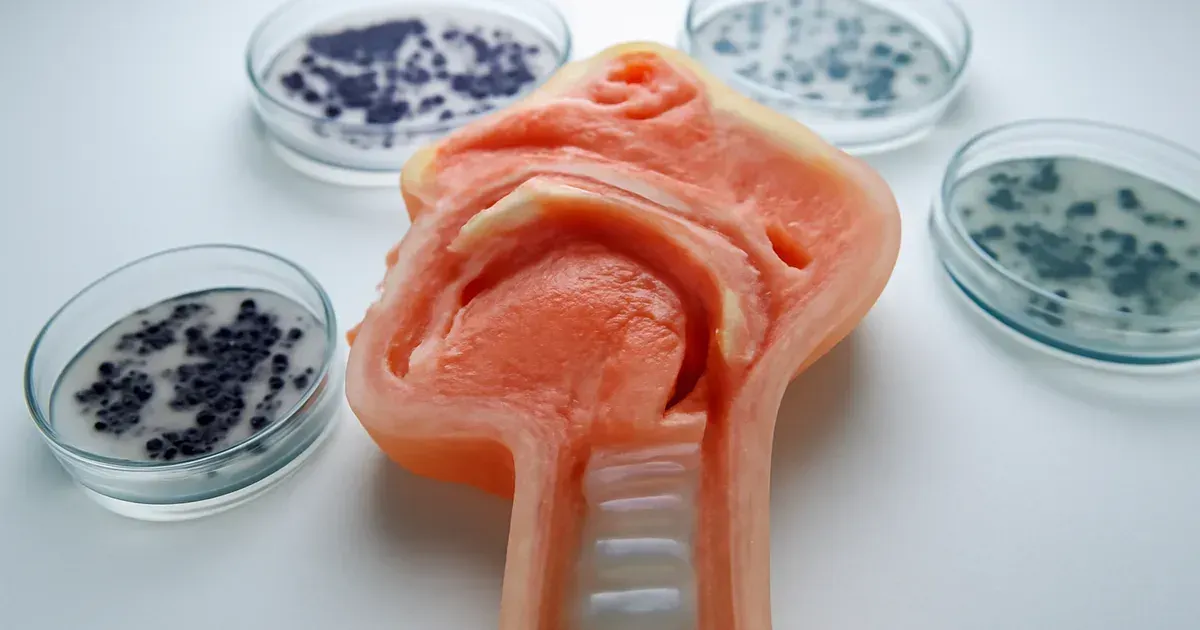
Most of us think about gut health in terms of the stomach or intestines. But the story of your microbiome begins the moment food — and bacteria — enter your mouth. The oral cavity harbours over 700 species of bacteria alone, making it the second most diverse microbial community in the human body after the gut. Understanding this connection is rapidly reshaping how scientists and clinicians across the UK approach everything from digestive health to mental wellbeing.
For anyone interested in gut health UK research and the gut-brain connection, the mouth is a surprisingly powerful place to start.
Why the Oral Microbiome Matters for Gut Health
The mouth is where digestion begins — and where your microbiome's journey starts. When you chew food, hundreds of microbial species are already at work, beginning the breakdown of complex molecules before anything reaches the stomach or small intestine. The bacteria, fungi, viruses, archaea, and protozoa that colonise your oral cavity do not simply stay there; they travel.
Swallowing means that oral microbes are constantly seeding the gut. Emerging research suggests that an imbalanced oral microbiome — a state called oral dysbiosis — may contribute to gut dysbiosis, influencing conditions such as inflammatory bowel disease and irritable bowel syndrome (IBS), both of which are significant areas of NHS focus in the UK. This upstream-to-downstream relationship means that caring for your oral environment is, in a very real sense, part of caring for your gut.
The gut-brain connection adds another layer. The gut microbiome communicates with the brain via the vagus nerve, immune signalling, and the production of neurotransmitter precursors such as serotonin. If the oral microbiome influences gut microbial composition, it may indirectly affect mood, cognition, and stress responses — a cascade that UK microbiome researchers at institutions including King's College London and the University of Reading are actively investigating.
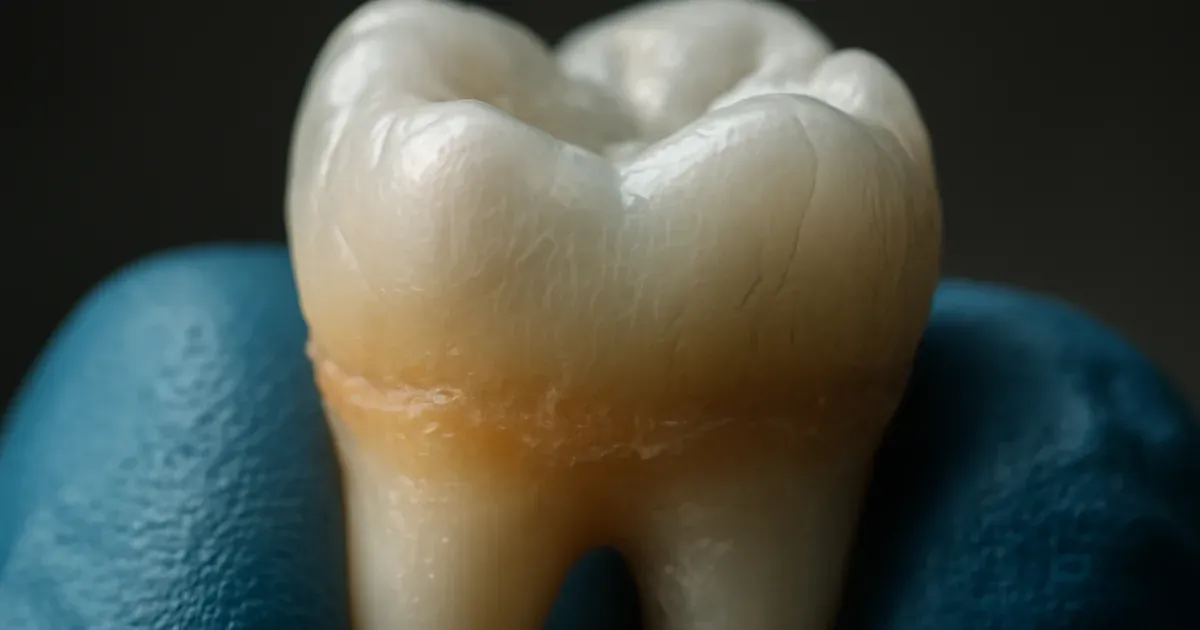
The Second-Largest Microbiome in Your Body
Science has known about the oral microbiome for longer than you might expect. The Dutch microscopist Antony van Leeuwenhoek — widely regarded as the father of microbiology — examined his own dental plaque under a hand-crafted microscope in 1674, reporting "little living animalcules prettily moving." It was the first recorded observation of what we now call the oral microbiome.
Fast-forward to the present, and a landmark review published in PMC confirms that the oral cavity hosts over 700 bacterial species, with at least 392 distinct taxa possessing reference genomes and the total number of catalogued oral genomes approaching 1,500. The variety of niches within the mouth — teeth surfaces, tongue, cheeks, gingival sulcus, tonsils, hard and soft palates, and saliva — each sustain their own distinct microbial communities.
Oral bacteria do not colonise randomly. They carry specific adhesin proteins on their surfaces that bind to complementary receptors on oral tissues, meaning that certain species preferentially inhabit certain locations. This precision ecology mirrors patterns seen in the gut, where different microbial populations occupy distinct regions of the intestinal tract.
The stable conditions of the oral cavity — a near-constant temperature of 37°C and a saliva pH of 6.5 to 7 — create a hospitable environment that supports a remarkably diverse and resilient microbial community. Saliva itself acts as a nutrient transport medium, keeping bacteria hydrated and fed. Understanding this environment is central to improve gut health naturally, since oral health interventions (diet, hydration, reduced sugar intake) have downstream microbial consequences.
How the Oral Microbiome Develops — From Birth Onwards
The oral microbiome is not present at birth — it is acquired. The womb is generally considered sterile, although recent studies have reported detection of oral microorganisms in amniotic fluid in up to 70% of pregnant women, suggesting that colonisation may begin earlier than previously thought. From the first feed onwards, the newborn's mouth is regularly inoculated with microorganisms from breast milk, water, the environment, and most importantly, saliva — primarily from the mother.
The pioneer species that colonise the newborn oral cavity include Streptococcus salivarius, followed by an expanding community of aerobes including Streptococcus, Lactobacillus, Actinomyces, Neisseria, and Veillonella in the first year of life. Tooth eruption is a pivotal milestone: it creates non-shedding hard surfaces on which more complex biofilm communities can establish themselves, driving microbial diversity upwards over time.
This developmental arc matters for gut health UK conversations. Research involving the British Gut Project — a citizen science initiative that has collected microbiome data from tens of thousands of UK participants — has highlighted how early-life microbial exposures shape long-term gut and systemic health outcomes. The British diet, early feeding choices (breast versus formula), and antibiotic exposure in infancy are all factors that influence both oral and gut microbial diversity from the earliest stages of life.
The oral microbiome continues to shift throughout life. When teeth are lost in older age, the microbial composition reverts to a pattern resembling that seen before tooth eruption — a reminder that our microbiome is deeply shaped by the physical structures it colonises.

The Gut-Brain Connection Starts in the Mouth
Oral health and brain health are more intertwined than mainstream conversation suggests. Periodontal (gum) disease — one of the most common chronic conditions in the UK, affecting nearly half of adults to some degree according to NHS data — involves a dysregulated oral microbiome characterised by an overgrowth of anaerobic, inflammatory species. These bacteria and their metabolic by-products can enter systemic circulation, triggering low-grade inflammation throughout the body.
Systemic inflammation is one of the central mechanisms linking gut dysbiosis to mood disorders, cognitive decline, and neurological conditions. This is the gut-brain connection made tangible: from mouth to gut to brain, microbial imbalance can propagate inflammation along a connected axis. Researchers at University College London (UCL) and Imperial College London have contributed to growing evidence linking oral bacterial species — particularly Porphyromonas gingivalis — to Alzheimer's disease pathology, adding urgency to oral microbiome research in the UK.
The NHS gut health pathway rarely begins with a conversation about teeth. Yet the bidirectional relationship between oral and gut microbiomes suggests that dentists, dietitians, and GPs may ultimately need to align their advice. The British Dietetic Association (BDA) already recommends a high-fibre, plant-diverse diet for gut health — and these same dietary patterns support a balanced oral microbiome by feeding beneficial bacterial species and reducing the sugar substrate that fuels harmful ones.
What Modern Science Is Revealing: UK Microbiome Research
The tools available to study the microbiome have transformed over the past two decades. Traditional culture-based techniques could only characterise a fraction of oral microbial species, since the majority cannot be grown in laboratory conditions. The advent of next-generation sequencing (NGS) and advanced bioinformatics — technologies that read genetic material directly from samples without needing to culture organisms — has unlocked the true complexity of the oral microbiome.
The Human Oral Microbiome Database (HOMD), a freely accessible genomic resource, now catalogues the genomes of oral microbial species, enabling researchers worldwide — including in the UK — to cross-reference findings and identify molecular signatures associated with health and disease. Sequencing techniques such as 16S rRNA profiling allow scientists to identify which bacterial species are present and in what proportions across different oral niches.
UK microbiome research is particularly active in this space. The Wellcome Trust and the MRC (Medical Research Council) have funded large-scale genomic studies examining how microbial communities across the body — including the oral cavity — interact with host genetics, diet, and disease risk. The UK Biobank, with its deep phenotypic and genomic data on over 500,000 UK participants, offers a unique resource for linking oral health markers to gut microbiome profiles and long-term health outcomes at a population scale.
These technological and institutional advances are setting the stage for precision medicine approaches — personalised therapies targeted at specific microbial imbalances — that could one day redefine how we treat conditions from dental caries to inflammatory bowel disease to depression.
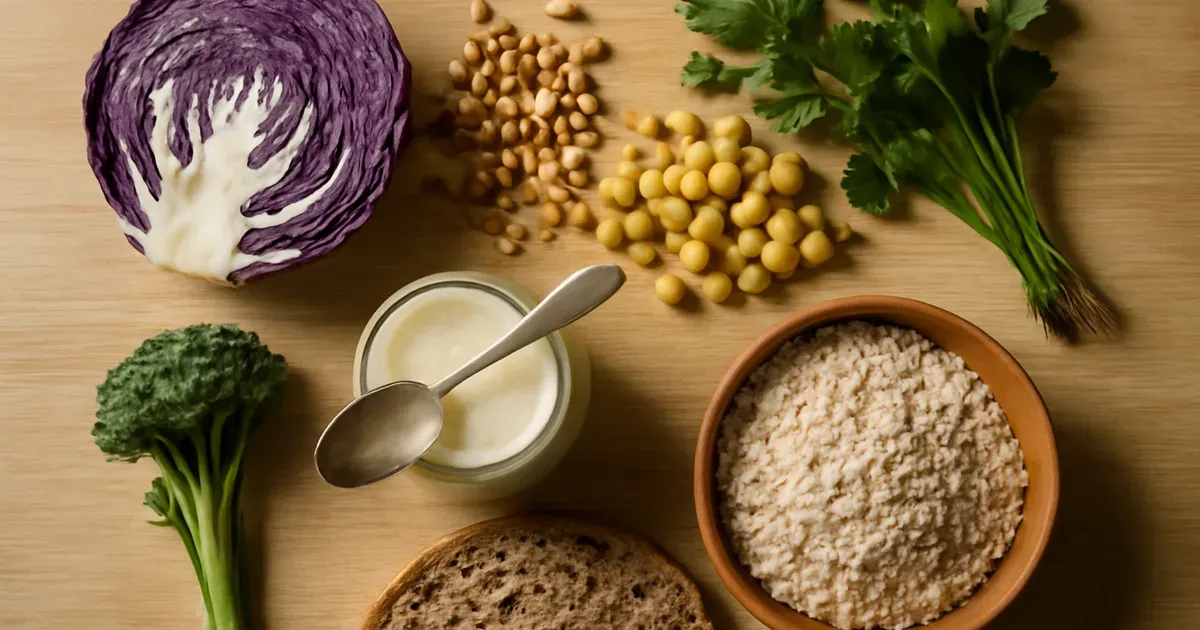
How to Support Your Oral and Gut Microbiome Naturally
The good news is that many of the strategies that improve gut health naturally also benefit your oral microbiome. The overlap is not coincidental — it reflects the connected ecology of your body's microbial communities from mouth to colon.
- Eat a fibre-rich, plant-diverse diet. The UK Eatwell Guide recommends at least five portions of fruit and vegetables daily, along with wholegrains and legumes. Dietary fibre feeds beneficial bacteria in both the mouth and the gut, supporting microbial diversity.
- Reduce free sugars. The NHS recommends keeping free sugars below 30g per day for adults. Sugar feeds cariogenic (cavity-causing) oral bacteria such as Streptococcus mutans, and high-sugar diets also reduce gut microbial diversity.
- Stay well hydrated. Saliva is your mouth's natural defence system — it buffers pH, delivers antimicrobial compounds, and keeps beneficial bacteria hydrated. Dehydration impairs saliva production and oral microbial balance.
- Avoid unnecessary antibiotics. Antibiotic overuse disrupts both oral and gut microbial communities. The NHS antibiotic stewardship guidelines exist for good reason — follow your GP's advice and complete prescribed courses only when necessary.
- Consider fermented foods. Live-culture foods such as yoghurt, kefir, kimchi, and sauerkraut are associated with greater gut microbial diversity. Some evidence suggests benefits to the oral environment too, through competitive exclusion of harmful species.
- Practise thorough oral hygiene. Brushing twice daily, flossing, and attending regular dental check-ups reduces the load of pathogenic oral bacteria — limiting the volume of harmful microbes seeding the gut via swallowing.
The Bottom Line
The oral microbiome is not a separate system from the gut — it is the beginning of the same microbial story. With over 700 bacterial species colonising a highly structured, ecologically diverse environment, the mouth shapes the microbial communities that travel downstream into the digestive tract, influence immune function, and communicate — via the gut-brain axis — with the brain itself.
For health-conscious readers in the UK, this means that gut health UK conversations need to expand beyond probiotic supplements and fibre intake. Supporting the oral microbiome through diet, hydration, good dental hygiene, and reduced sugar consumption is one of the most overlooked yet evidence-based ways to improve gut health naturally — and potentially to support mental wellbeing through the gut-brain connection.
UK microbiome research continues to deepen our understanding of these relationships. As sequencing technologies become more accessible and datasets like the UK Biobank yield new insights, personalised microbiome medicine — targeting the oral-gut axis — may become a cornerstone of NHS preventive health strategies in the years ahead.
Frequently Asked Questions
What is the oral microbiome and why does it matter for gut health UK? The oral microbiome is the collective community of microorganisms — bacteria, fungi, viruses, and protozoa — that inhabit the mouth. It matters for gut health because oral bacteria are constantly swallowed, seeding the gut and potentially influencing gut microbial balance, immune function, and even mood via the gut-brain connection.
How many bacteria live in the human mouth? The oral cavity harbours over 700 species of bacteria alone, making it the second most diverse microbial community in the body after the gut. At least 392 distinct taxa have catalogued reference genomes.
Can poor oral health affect mental health through the gut-brain connection? Emerging research suggests it can. Oral dysbiosis — particularly gum disease — introduces inflammatory bacteria into systemic circulation. This low-grade inflammation can affect the gut microbiome, which in turn communicates with the brain via the gut-brain axis, potentially influencing mood, anxiety, and cognitive function.
What UK resources exist for microbiome research? Key UK microbiome research resources include the UK Biobank, the British Gut Project, and funding bodies such as the Wellcome Trust and the MRC. Academic institutions including King's College London, UCL, Imperial College London, the University of Reading, and the University of Oxford are all active in this field.
How can I improve my oral and gut microbiome naturally? Focus on a plant-diverse, high-fibre diet in line with the UK Eatwell Guide, reduce free sugars, stay hydrated to support saliva production, avoid unnecessary antibiotics, eat fermented foods, and maintain thorough oral hygiene. These overlapping strategies support microbial diversity throughout the entire digestive tract.
You might also like
- How to Improve Gut Health Naturally in 6 Steps
- How to Improve Gut Health Naturally in 6 Steps
- 7 Warning Signs Your Oral Microbiome Is Wrecking Your Gut
96 Bacterial Strains. Two Shots a Day.
GOODIE is an award-winning fermented drink with 96 live bacterial strains — more than any yogurt or kombucha — never pasteurised, clinically tested, and 8 in 10 users felt less bloating within 14 days. Curious?