Ham Sandwiches and Gut Health: What UK Deli Meats Do
Not all deli meats carry equal gut health risk, says nutritionist Angela Dowden — ham can be nutritious, but nitrite-heavy cured meats may raise bowel cancer ri

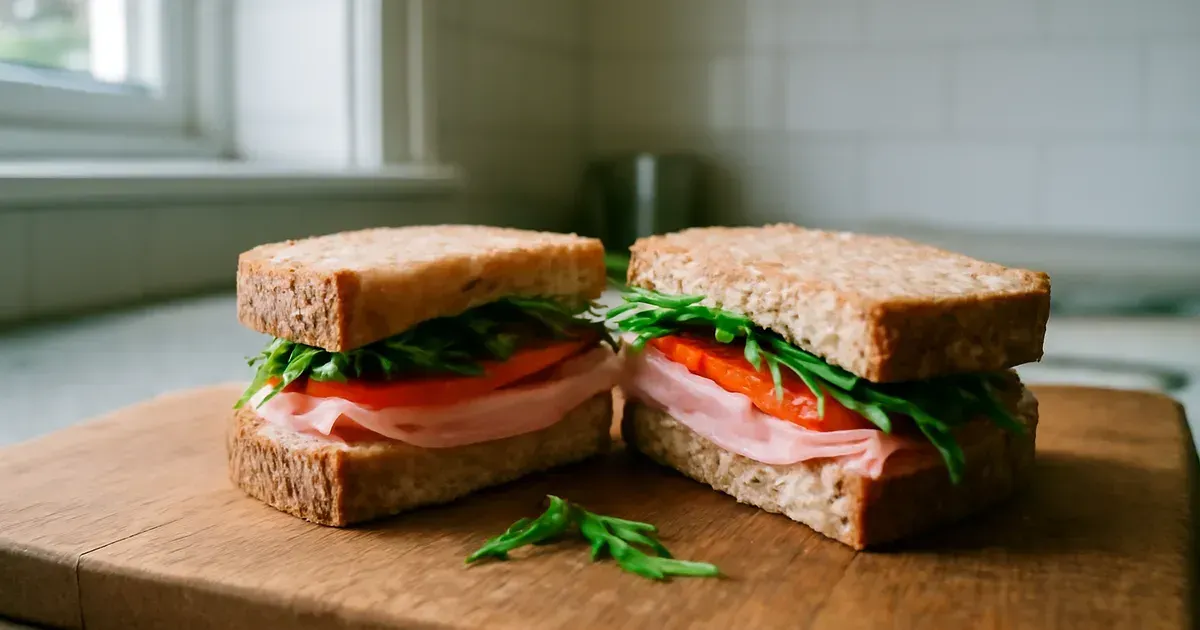
Not all processed meats pose the same risk to gut health, according to nutritionist Angela Dowden, writing in the Daily Mail. Dowden argues that the humble ham sandwich — a staple of the British diet — can be a genuine nutritional powerhouse, while cautioning that other cured meats containing chemical nitrite preservatives may carry a meaningfully higher bowel cancer risk. The distinction, she writes, matters enormously for health-conscious UK adults navigating conflicting dietary advice.
Why This Matters for Gut Health in the UK
Bowel cancer is the fourth most common cancer in the UK, and the NHS has long advised limiting processed red meat consumption to reduce risk. The World Health Organisation classifies processed red meat — including bacon, ham, and sausages — as a Group 1 carcinogen. However, per Dowden's analysis, lumping all deli meats together may be an oversimplification. For gut health UK researchers and clinicians alike, understanding precisely which compounds drive harm is increasingly critical, particularly as microbiome UK science reveals how specific dietary chemicals interact with gut bacteria to produce potentially carcinogenic compounds.
Nitrites: The Key Variable in Cured Meat Risk
The core concern, according to Dowden, centres on nitrites — preservatives that give cured meats their characteristic pink colour. Nitrites can react with proteins in the gut to form N-nitroso compounds, which are associated with bowel cancer development. However, Dowden notes that not all ham or processed pork products contain the same levels of added nitrites, and some are now produced without them entirely. She argues that plain, traditionally produced ham — particularly lower-nitrite varieties — does not carry the same risk profile as heavily cured meats such as some bacons and processed sausages, and remains a valuable source of protein, B vitamins, and zinc.
The Gut Microbiome Connection
The distinction Dowden draws maps closely onto emerging microbiome UK research exploring how the gut-brain connection is influenced by dietary chemicals. Studies from institutions including King's College London and the University of Reading have highlighted that the gut microbiome processes nitrite-derived compounds differently depending on the individual's bacterial composition and overall diet. A fibre-rich British diet — in line with the NHS Eatwell Guide recommendation of 30g of fibre daily — may partially buffer the harmful effects of nitrite exposure by supporting a more diverse microbiome. The British Gut Project has similarly found that dietary variety is among the strongest predictors of a healthy, resilient gut microbiome.
What This Means for UK Consumers
For UK adults looking to improve gut health naturally, Dowden's analysis suggests a more nuanced approach than blanket avoidance of all processed meat. Choosing lower-nitrite or nitrite-free ham products, pairing them with high-fibre wholegrain bread and salad, and reserving higher-nitrite cured meats — such as some bacons and continental salamis — for occasional consumption, may represent a practical middle ground consistent with NHS dietary guidance. The British Dietetic Association has previously noted that dietary context and overall eating patterns matter more than individual foods in isolation.
The key takeaway, per Dowden's reporting, is that nuance is essential when evaluating processed meat and gut health UK risks. A daily ham sandwich built on wholegrain bread with salad is a very different proposition — nutritionally and in terms of bowel cancer risk — from regular consumption of heavily nitrite-cured meats. UK consumers are encouraged to check ingredient labels for sodium nitrite (E250) and opt for lower-additive alternatives where possible.
You might also like
- How to Improve Gut Health Naturally in 6 Steps
- How to Improve Gut Health Naturally in 6 Steps
- 7 Warning Signs Your Oral Microbiome Is Wrecking Your Gut
96 Bacterial Strains. Two Shots a Day.
GOODIE is an award-winning fermented drink with 96 live bacterial strains — more than any yogurt or kombucha — never pasteurised, clinically tested, and 8 in 10 users felt less bloating within 14 days. Curious?