7 Warning Signs Your Oral Microbiome Is Wrecking Your Gut
Your mouth is the gateway to your gut. Discover 7 warning signs your oral microbiome is harming your gut health, and what to do about it.

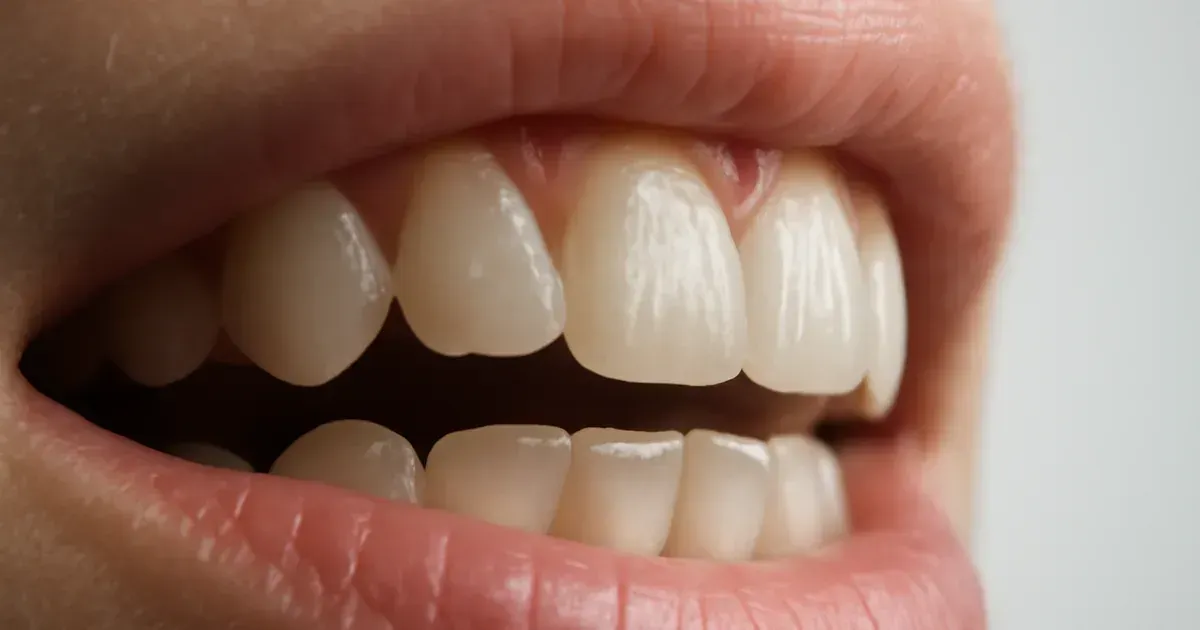
Most people brush their teeth to avoid cavities — but your mouth is doing something far more significant than that. The microbial community living in your mouth, known as the oral microbiome, acts as the body's front door. When that community falls out of balance, the consequences ripple all the way down to your gut, your brain, and your heart. If you've been trying to improve gut health naturally but ignoring your oral health, you may be missing a critical piece of the puzzle. Here's what your mouth could be telling you right now.
Research published by UK microbiome scientists confirms that the mouth and gut are in constant microbial conversation — bacteria that originate in the mouth can travel to the gut and reshape its bacterial landscape, sometimes triggering inflammation linked to conditions as serious as colorectal cancer and irritable bowel syndrome (IBS), both of which place a significant burden on NHS services in the UK.
1. You Have Persistent Bad Breath That Won't Shift
Chronic bad breath — or halitosis — is rarely just a social inconvenience. It is one of the earliest and most reliable signs of oral dysbiosis: a disruption in the delicate balance between beneficial and harmful bacteria in your mouth. When harmful bacteria dominate, they produce volatile sulphur compounds as metabolic by-products. These same bacteria, if swallowed in sufficient quantities, can disturb your gut microbiome, contributing to bloating and digestive discomfort. Actionable takeaway: If you brush twice daily and the problem persists, ask your dentist to assess your oral microbiome — not just your teeth.
2. Your Gums Bleed When You Brush or Floss
Bleeding gums are not normal, and they are not something to dismiss as "brushing too hard." Gum inflammation — clinically known as gingivitis — signals that harmful bacteria have gained the upper hand in your oral ecosystem. Research from King's College London has linked periodontal (gum) disease to systemic inflammation, which is a key driver of gut permeability, sometimes called "leaky gut." When the gut barrier is compromised, inflammatory signals can reach the brain via the gut-brain axis, potentially affecting mood and cognitive function. Actionable takeaway: Floss daily, and book a periodontal check if bleeding persists beyond two weeks.
3. You Notice Plaque and Tartar Building Up Quickly
If your teeth feel coated or rough shortly after brushing, your oral microbiome is likely skewed towards acid-producing bacteria. Plaque is a biofilm — a structured colony of microorganisms — and when it calcifies into tartar, it becomes a reservoir for harmful bacterial species. Studies supported by the Wellcome Trust have shown that these same bacterial species, including Fusobacterium nucleatum, are found in higher concentrations in the guts of people with colorectal cancer. The gut-brain connection means chronic low-grade inflammation from these bugs may also influence anxiety and depressive symptoms. Actionable takeaway: A professional clean every six months disrupts these biofilms before they can cause systemic harm.
4. You Experience Frequent Mouth Ulcers or Oral Lesions
Recurring canker sores or oral lesions can indicate that your immune system is struggling to maintain balance in your oral microbiome. The oral mucosa — the lining of your mouth — is one of the body's most immunologically active surfaces. When dysbiosis occurs here, it can dysregulate immune responses that extend well beyond the mouth. UK Biobank data has highlighted associations between poor oral health and heightened systemic inflammatory markers in the British population. For gut health specifically, this systemic inflammation can aggravate conditions like Crohn's disease and ulcerative colitis, which affect approximately 500,000 people in the UK. Actionable takeaway: Track the frequency of mouth ulcers and discuss patterns with your GP or dentist, particularly if you have a diagnosed gut condition.
5. Your Saliva Has Changed in Consistency or Volume
Saliva is your mouth's first line of defence — and it is also your gut's opening act. It contains enzymes, antimicrobial proteins, and beneficial bacteria that begin digestion before food even reaches your stomach. When saliva production drops (a condition called xerostomia or dry mouth) or its composition changes, harmful bacteria multiply unchecked. Research from the University of Reading has linked salivary microbiome shifts to downstream gut microbiome disruption. NHS guidance notes that dry mouth can be a side effect of over 500 commonly prescribed medications, meaning many UK adults may be unknowingly compromising their oral and gut microbiome simultaneously. Actionable takeaway: If you notice persistent dry mouth, review your medication list with your GP and increase your daily water intake.
Did you know? The British Gut Project, one of the largest citizen science microbiome studies in the world, found that dietary diversity is the single strongest predictor of a healthy gut microbiome — and that dietary habits affecting your gut begin the moment food enters your mouth.
6. You Have Tooth Decay Despite a Reasonable Oral Hygiene Routine
Unexplained tooth decay — particularly in adults who brush and floss regularly — may point to a high-sugar diet that is simultaneously damaging your gut microbiome. The bacterium Streptococcus mutans thrives on dietary sugars and is the primary driver of dental cavities. A diet high in refined sugars and low in fibre not only feeds harmful oral bacteria but also starves the beneficial bacteria in your gut, reducing microbial diversity. The UK Eatwell Guide recommends that free sugars make not more than 5% of total daily energy intake, yet the average British adult consumes roughly double that. Actionable takeaway: Reducing free sugar intake — particularly between meals — is one of the most powerful single actions you can take to improve gut health naturally and protect your oral microbiome at the same time.
7. You Are Experiencing Brain Fog, Low Mood, or Poor Sleep
The gut-brain connection is now one of the most actively researched areas in UK microbiome science — and your oral health plays a surprisingly direct role. When oral dysbiosis fuels gut dysbiosis, the resulting imbalance in gut bacteria can alter the production of neurotransmitters like serotonin, 95% of which is produced in the gut. Research from University College London and Imperial College London has explored how inflammatory signals travelling via the vagus nerve — the main highway of the gut-brain axis — can affect cognition, mood regulation, and sleep quality. If you are experiencing persistent brain fog or low mood alongside any of the oral symptoms above, your microbiome — from mouth to gut — may be a contributing factor. Actionable takeaway: Consider an oral microbiome test alongside a gut microbiome assessment to build a complete picture of your microbial health.

How to Support Your Oral and Gut Microbiome Together
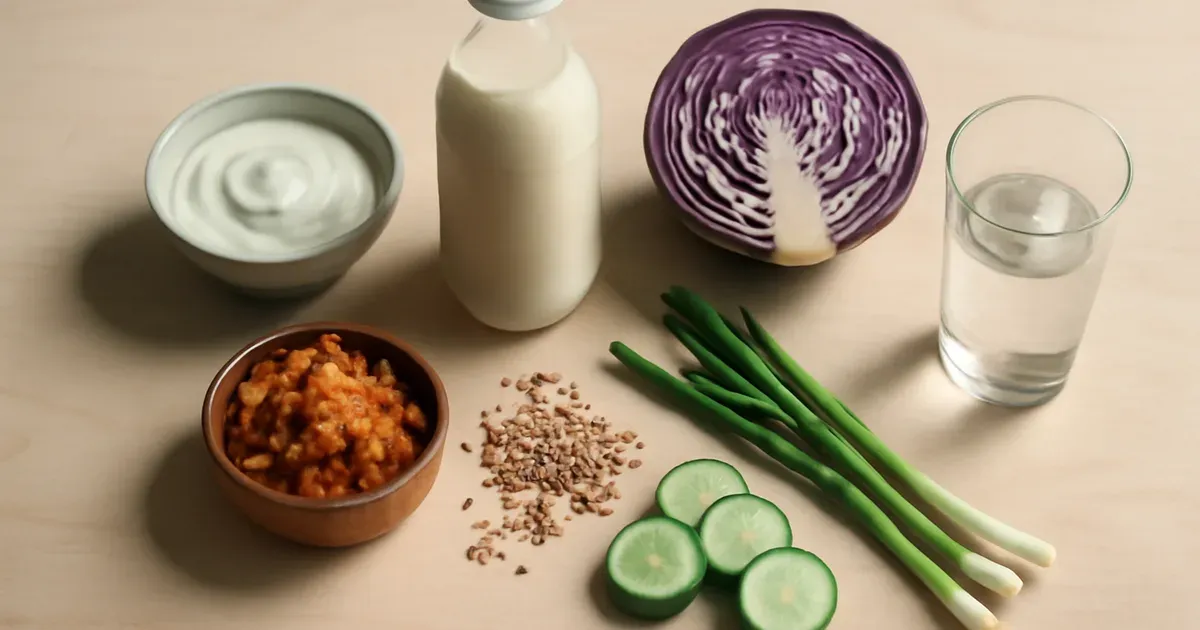
The good news is that strategies to improve gut health naturally overlap significantly with those that protect your oral microbiome. Eating a diverse, plant-rich diet high in fibre — as recommended by the British Nutrition Foundation and the NHS — feeds beneficial bacteria at both ends of the digestive tract. Fermented foods such as natural yogurt, kefir, and sauerkraut introduce beneficial bacterial strains that can benefit both the gut and the mouth. Reducing sugar, staying well hydrated, and attending regular dental check-ups where an oral microbiome test can be arranged will help you maintain balance across the whole system. The British diet gut health conversation is changing — and it starts in your mouth.
Frequently Asked Questions
Can poor oral health really affect my gut microbiome?
Yes — and the evidence is growing. Bacteria from the mouth, particularly harmful species like Fusobacterium nucleatum and Porphyromonas gingivalis, can be swallowed and travel to the gut, where they alter the microbial balance. UK microbiome research, including studies supported by the MRC and Wellcome Trust, has linked oral dysbiosis to gut conditions including IBS and colorectal cancer.
What is oral dysbiosis and how do I know if I have it?
Oral dysbiosis simply means your mouth's microbial community is out of balance — with too many harmful bacteria and too few beneficial ones. Signs include persistent bad breath, bleeding gums, frequent mouth ulcers, rapid plaque build-up, and dry mouth. An oral microbiome test, available through specialist dental practices, can confirm this and guide a personalised treatment plan.
Is there an NHS pathway for oral microbiome testing in the UK?
Oral microbiome testing is not yet routinely available on the NHS, but it is offered by an increasing number of private dental practices and specialist clinics across the UK. If you have concerns, speak to your NHS dentist first — they can refer you to a periodontist or oral medicine specialist where appropriate.
Which foods support both oral and gut microbiome health?
A diet rich in dietary fibre, fermented foods, and polyphenols is beneficial for both. Vegetables, legumes, wholegrains, and fruit feed beneficial bacteria in the gut and help maintain a healthy oral pH. Fermented foods like kefir, live yogurt, and kimchi introduce beneficial bacterial strains. The UK Eatwell Guide and British Nutrition Foundation both support a diverse, plant-forward diet as foundational to microbiome health in the UK.
How does the gut-brain connection relate to oral health?
The gut-brain axis — the communication network linking your gut microbiome to your brain — is influenced by what happens in your mouth. Oral bacteria that dysregulate the gut microbiome can reduce neurotransmitter production, increase systemic inflammation, and send inflammatory signals via the vagus nerve to the brain. This is why researchers at institutions including UCL and King's College London are increasingly studying oral health as part of the broader gut-brain connection picture.
You might also like
- How to Improve Gut Health Naturally in 6 Steps
- How to Improve Gut Health Naturally in 6 Steps
- 7 Gut Health Secrets Your Immune System Needs
96 Bacterial Strains. Two Shots a Day.
GOODIE is an award-winning fermented drink with 96 live bacterial strains — more than any yogurt or kombucha — never pasteurised, clinically tested, and 8 in 10 users felt less bloating within 14 days. Curious?