How to Improve Gut Health Naturally in 6 Steps
Discover 6 evidence-based steps to improve gut health naturally in the UK, grounded in NHS guidance and the latest microbiome science.

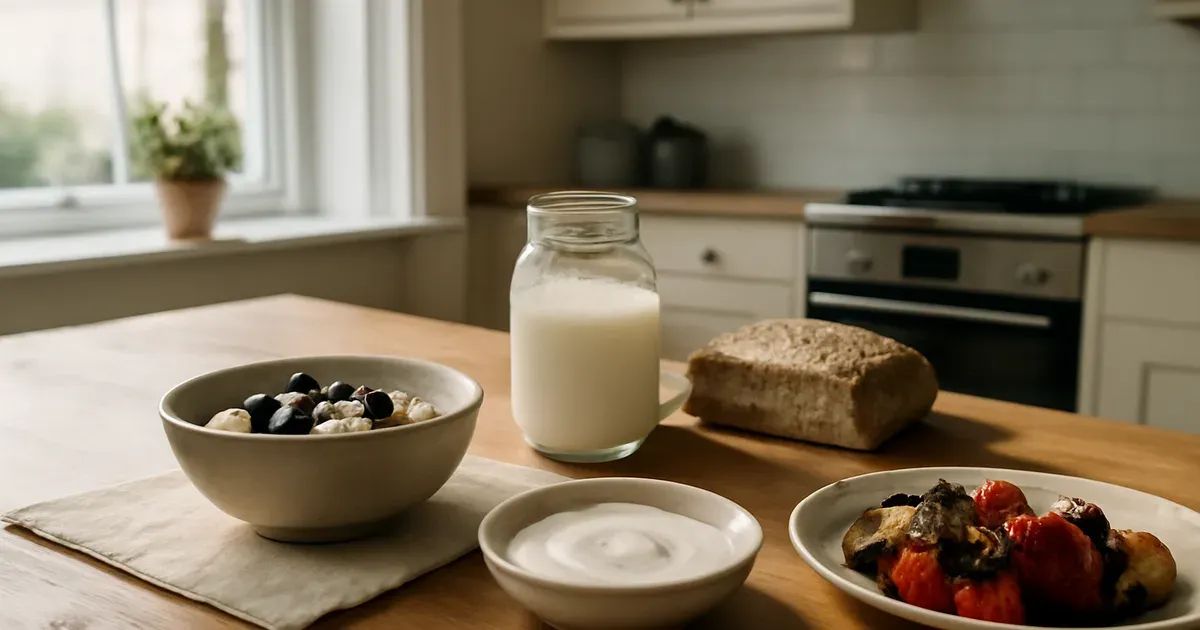
You've tried cutting out gluten. You've bought the expensive probiotic. You've Googled "why does my stomach hurt" at 11pm more times than you'd like to admit. And yet — the bloating is still there. The fatigue lingers. Your mood feels oddly tied to what you ate for lunch.
You're not imagining it. Millions of people in the UK live with persistent digestive discomfort, and many don't realise that the root cause runs deeper than what's on their plate. The gut is now understood to be one of the most complex systems in the human body — and it communicates directly with your brain.
The good news? You don't need a dramatic detox or a shelf full of supplements to start feeling better. This step-by-step guide draws on the latest UK microbiome research and NHS-aligned guidance to show you exactly how to improve gut health naturally — in a way that actually sticks.
Why Poor Gut Health Happens in the First Place
The modern British diet has shifted significantly over the past 50 years. Ultra-processed foods now account for more than half of the average UK adult's caloric intake, according to research from Imperial College London. These foods are low in the dietary fibre that gut bacteria depend on — and high in additives that can disrupt the microbiome.
- Low fibre intake: The average UK adult consumes just 18g of fibre per day, well below the NHS recommended 30g. Fibre is the primary fuel source for beneficial gut bacteria.
- Antibiotic use: The UK has one of the highest rates of antibiotic prescribing in Europe. While often necessary, antibiotics can significantly reduce microbial diversity in the gut.
- Chronic stress: The gut-brain connection is bidirectional — stress signals from the brain alter gut motility, barrier function, and microbiome composition. UCL research has shown that psychological stress measurably changes the gut environment.
- Sedentary behaviour: Physical inactivity reduces gut transit time and lowers microbial diversity, both of which contribute to digestive symptoms.
- Sleep disruption: Studies from the University of Nottingham suggest that even short-term sleep deprivation alters the balance of gut bacteria within days.
Understanding these root causes means you can target your efforts where they'll have the greatest impact.
Step 1: Add Fibre Before You Remove Anything
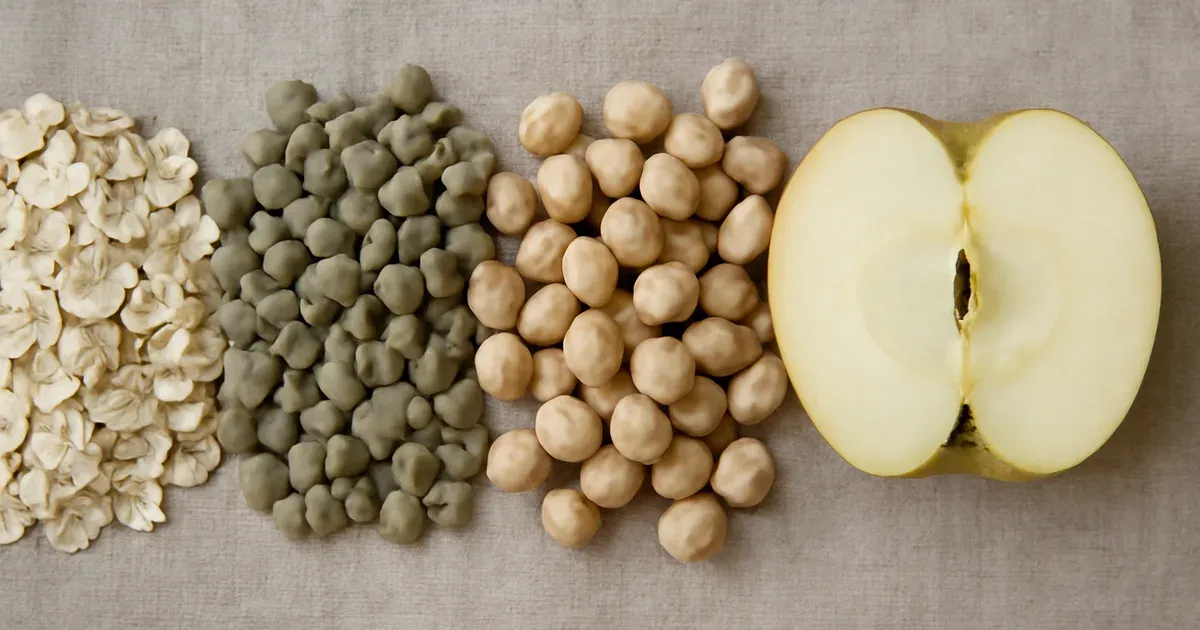
The single most evidence-backed change you can make for gut health in the UK is increasing your dietary fibre intake — and it doesn't require cutting anything out first. Fibre feeds the beneficial bacteria in your large intestine, allowing them to produce short-chain fatty acids (SCFAs) like butyrate, which support the gut lining, reduce inflammation, and even influence brain chemistry.
The British Nutrition Foundation recommends building up fibre gradually to avoid the bloating and discomfort that can come with sudden changes. Start by adding one high-fibre food per meal rather than overhauling your entire diet at once.
Practical ways to increase fibre on a typical British diet:
- Swap white bread for wholegrain or seeded loaves
- Add a tablespoon of ground flaxseed or chia seeds to porridge
- Keep the skins on potatoes when roasting or boiling
- Choose wholegrain pasta or brown rice at least three times per week
- Snack on a small handful of nuts or an apple rather than crisps
Pro tip: Aim for variety, not just quantity. The British Gut Project (a collaboration involving King's College London) found that people who eat 30 or more different plant foods per week have significantly more diverse gut microbiomes than those eating fewer than 10.
Step 2: Rebuild Your Gut Microbiome with Fermented Foods
Fermented foods are one of the most direct ways to introduce live beneficial bacteria into your digestive system — and they've been part of human diets for thousands of years. A landmark 2021 study from Stanford University, mirrored by UK microbiome research at the University of Reading, found that a diet high in fermented foods increased microbial diversity and reduced inflammatory markers more effectively than a high-fibre diet alone.
You don't need to dramatically change what you eat. Several fermented foods are already part of British food culture or are widely available in UK supermarkets.
Fermented foods to try:
- Live yoghurt (look for "contains live cultures" on the label)
- Kefir (now widely available in most UK supermarkets)
- Sauerkraut (unpasteurised versions contain the most live bacteria)
- Kimchi (increasingly stocked in UK supermarkets and health food shops)
- Miso (great stirred into soups or dressings)
- Kombucha (a fermented tea drink — choose lower-sugar varieties)
Start small. If your gut isn't used to fermented foods, introduce one portion per day and increase gradually. Some initial bloating is normal as your microbiome adjusts.

Step 3: Understand and Support the Gut-Brain Connection
One of the most significant shifts in digestive health science over the past decade has been the recognition of the gut-brain axis — the two-way communication system linking your digestive system and your central nervous system. Guts UK, the national charity for the digestive system in the UK, highlights that the enteric nervous system (often called the "second brain") contains more nerve cells than the spinal cord.
This matters practically: anxiety and stress don't just feel bad — they physically alter gut function, slowing or speeding transit time, increasing gut permeability, and changing the balance of your microbiome. Addressing stress is therefore not a "soft" lifestyle tip — it's core gut health medicine.
Evidence-backed approaches to supporting the gut-brain connection include:
- Mindful eating: Eating slowly, without screens, and chewing thoroughly activates the parasympathetic nervous system, which is essential for proper digestion. The NHS recommends chewing each mouthful thoroughly as a first step for people with bloating and indigestion.
- Diaphragmatic breathing: A simple five-minute breathing exercise before meals (inhale for four counts, hold for four, exhale for six) has been shown in MRC-supported trials to reduce gut hypersensitivity.
- Cognitive Behavioural Therapy (CBT): Available on the NHS for conditions like IBS, CBT directly targets the gut-brain loop and has strong clinical evidence behind it.
Pro tip: Apps such as Nerva (specifically designed for gut-directed hypnotherapy) are now available in the UK and have been trialled in NHS settings for IBS management.
Step 4: Prioritise Sleep and Circadian Rhythm
Your gut microbiome runs on a clock. Research published by scientists at the University of Cambridge has shown that gut bacteria have their own circadian rhythms — and these are disrupted by irregular sleep patterns, shift work, and late-night eating. In the UK, where shift work affects approximately 3.5 million workers, this is a particularly relevant factor in gut health disparities.
Poor sleep reduces populations of beneficial Lactobacillus and Bifidobacterium species, while simultaneously increasing inflammatory bacterial strains. The result is often worsened digestive symptoms, increased food cravings (particularly for high-sugar foods), and heightened anxiety — all of which feed back into the gut-brain cycle.
How to align your sleep with your gut health:
- Aim for 7–9 hours of sleep per night, as recommended by NHS guidance
- Avoid eating large meals within two hours of bedtime, which disrupts nocturnal gut repair processes
- Maintain consistent wake and sleep times, even at weekends
- Limit alcohol in the evening — it disrupts both sleep architecture and gut bacterial balance

Step 5: Move Your Body — Your Gut Needs It
Regular physical activity is one of the most underrated tools for gut health in the UK. Exercise directly stimulates gut motility (the movement of food through the digestive system), reducing transit time and the risk of constipation. Beyond mechanics, exercise increases microbial diversity and boosts populations of butyrate-producing bacteria.
A 2019 study from University College Dublin (with collaborators at UK institutions including the University of Bath) found that elite athletes had significantly more diverse gut microbiomes than sedentary controls — even when diet was controlled for. You don't need to be an athlete to benefit.
The UK Eatwell Guide and NHS physical activity guidelines recommend:
- At least 150 minutes of moderate-intensity activity per week (such as brisk walking, cycling, or swimming)
- Two sessions of strength or resistance training per week
- Breaking up long periods of sitting with movement — even a 10-minute walk after meals has been shown to improve gut transit and blood glucose regulation
Start where you are. A daily 20-minute walk is enough to begin shifting your microbiome composition within two to four weeks, according to research cited by the British Dietetic Association (BDA).
Step 6: Be Strategic About Supplements — Don't Just Guess
The UK supplement market is worth over £500 million annually, and gut health products make up a growing share of that. But not all probiotics and prebiotics are created equal — and many products on the shelf have limited clinical evidence behind them.
Before spending money on supplements, it helps to understand what the evidence actually supports. The British Dietetic Association advises that whole food sources of prebiotics and probiotics are generally preferable to supplements for most healthy adults — but specific clinical situations may warrant targeted supplementation.
Evidence-informed supplement considerations for gut health in the UK:
- Probiotics: Look for products with clinically studied strains (such as Lactobacillus rhamnosus GG or Bifidobacterium longum). The strain name, not just the genus, matters. Speak to a GP or registered dietitian before using probiotics if you are immunocompromised.
- Prebiotics: Inulin, FOS (fructooligosaccharides), and beta-glucan are the most evidence-backed. These are also found naturally in onions, garlic, leeks, oats, and bananas — staples of the British diet.
- Vitamin D: Over 40% of UK adults are deficient in vitamin D, particularly in winter. Emerging research from the University of Oxford links vitamin D deficiency to increased gut permeability and dysbiosis.
- Magnesium: Supports gut motility and is frequently depleted in people eating low-fibre, ultra-processed diets.
Pro tip: Consider the NHS-funded Gut Microbiota for Health resource or a consultation with a HCPC-registered dietitian before investing in a supplement protocol.

What to Expect: A Week-by-Week Timeline
Progress isn't always linear, but here's a realistic guide to what changes you might notice as you implement these steps:
- Week 1–2: Initial adjustment. Some increase in wind or bloating as your microbiome responds to more fibre and fermented foods. This is normal and typically settles.
- Week 3–4: Improved stool regularity and reduced bloating for most people. Energy levels may begin to stabilise. Sleep quality often shows early improvement.
- Week 6–8: Mood and cognitive clarity often improve as the gut-brain connection shifts. Research from King's College London shows measurable changes in microbial diversity within 6–8 weeks of sustained dietary change.
- Week 10–12: For those also addressing stress and sleep, many people report significant reductions in IBS-type symptoms. This is typically when the lifestyle changes begin to feel habitual rather than effortful.
Mistakes That Slow Your Progress
- Doing everything at once. Dramatically changing your diet, adding multiple supplements, and starting a new exercise routine simultaneously overwhelms the gut and makes it impossible to identify what's helping.
- Giving up on fibre too soon. Initial bloating from increased fibre is not a sign that fibre is wrong for you — it's a sign your microbiome is adapting. Stick with gradual increases.
- Relying solely on probiotics. Probiotic supplements cannot colonise a gut that isn't being fed with prebiotic fibre. The two work together.
- Ignoring the gut-brain connection. Many people try every dietary intervention without addressing stress or sleep — two factors that can override all dietary changes.
- Expecting week-one results. Microbiome changes take time. UK Biobank data suggests that sustained dietary patterns over 8–12 weeks produce the most meaningful and durable shifts in gut composition.
What Can Help You Get There Faster
Trusted information sources are essential when navigating gut health in the UK. Guts UK (gutscharity.org.uk) is the national charity for the digestive system and provides evidence-based information on more than 40 digestive conditions. Their resources are developed with leading UK gastroenterologists and are free to access.
Professional support from a HCPC-registered dietitian or a gastroenterologist via NHS referral can dramatically accelerate progress, particularly if you have a diagnosed condition such as IBS, IBD, or coeliac disease. The NHS also offers gut-directed psychological therapies, including hypnotherapy for IBS, in many areas of England.
Tracking and testing — tools such as the British Gut Project microbiome testing kit (developed with King's College London) allow you to see your own microbial diversity and track changes over time, providing personalised insight that no generic programme can replicate.
✅ Summary: Your 6-Step Gut Health Checklist
- ☑ Step 1: Increase dietary fibre to 30g per day, aiming for 30 different plant foods per week
- ☑ Step 2: Introduce one fermented food daily (yoghurt, kefir, kimchi, miso)
- ☑ Step 3: Support the gut-brain connection through mindful eating, breathing, or CBT
- ☑ Step 4: Protect sleep consistency — 7–9 hours, regular timing, no late heavy meals
- ☑ Step 5: Move daily — 150 minutes of moderate activity per week minimum
- ☑ Step 6: Be evidence-led with supplements — whole foods first, targeted supplements where indicated
Your gut has been working hard for you. Now it's your turn to work for it. These six steps aren't a quick fix — they're a sustainable foundation, grounded in the best of UK microbiome research and NHS-aligned guidance. Even making one or two changes this week will start shifting the balance in your favour. The science is clear: a healthier gut means a healthier brain, better energy, and a more resilient you.
You might also like
- Gut Health UK: Improve Your Microbiome Naturally
- How to Improve Gut Health Naturally in 5 Steps
- How to Improve Gut Health Naturally Through Meditation
Frequently Asked Questions
How long does it take to improve gut health naturally in the UK?
Most people notice initial changes within two to four weeks of consistent dietary and lifestyle changes. Measurable improvements in microbiome diversity typically take six to twelve weeks, according to research from King's College London and data from the UK Biobank. The more consistent and varied the changes, the faster the results.
Is the NHS gut health advice different from what I read online?
NHS guidance focuses on evidence-based, clinically validated recommendations — increasing dietary fibre, limiting ultra-processed foods, staying physically active, and managing stress. Much of what circulates online (elimination diets, extreme cleanses, unregulated supplements) lacks strong clinical backing. The British Dietetic Association is a reliable source for evidence-based guidance aligned with NHS principles.
Can gut health really affect my mood and mental health?
Yes — and this is one of the most exciting areas of UK microbiome research. The gut-brain connection is a well-established bidirectional communication pathway. Research from UCL and the University of Oxford has linked gut microbiome composition to anxiety, depression, and cognitive function. Improving gut health through diet, sleep, and stress management can have meaningful effects on mental wellbeing.
What are the best foods for gut health in a typical British diet?
You don't need to overhaul your diet. Some of the most gut-friendly foods are already staples in the UK: porridge oats (rich in beta-glucan), baked beans (high in prebiotic fibre), live yoghurt, leeks, onions, garlic, bananas, and wholegrain bread. The key is variety — aiming for 30 different plant foods per week is the most evidence-backed dietary target for microbiome health.
Should I take a probiotic supplement for gut health?
Probiotics can be helpful in specific situations — after antibiotic use, for IBS management, or during periods of high stress. However, the British Dietetic Association recommends whole food sources first. If you do take a probiotic, choose one with clinically studied strains and always feed it with prebiotic-rich foods. Speak to your GP or a registered dietitian if you have an underlying health condition.
96 Bacterial Strains. Two Shots a Day.
GOODIE is an award-winning fermented drink with 96 live bacterial strains — more than any yogurt or kombucha — never pasteurised, clinically tested, and 8 in 10 users felt less bloating within 14 days. Curious?