Gut Health UK: Improve Your Microbiome Naturally
Discover how to improve gut health naturally with science-backed advice tailored for UK adults — covering the microbiome, gut-brain connection, and NHS-aligned

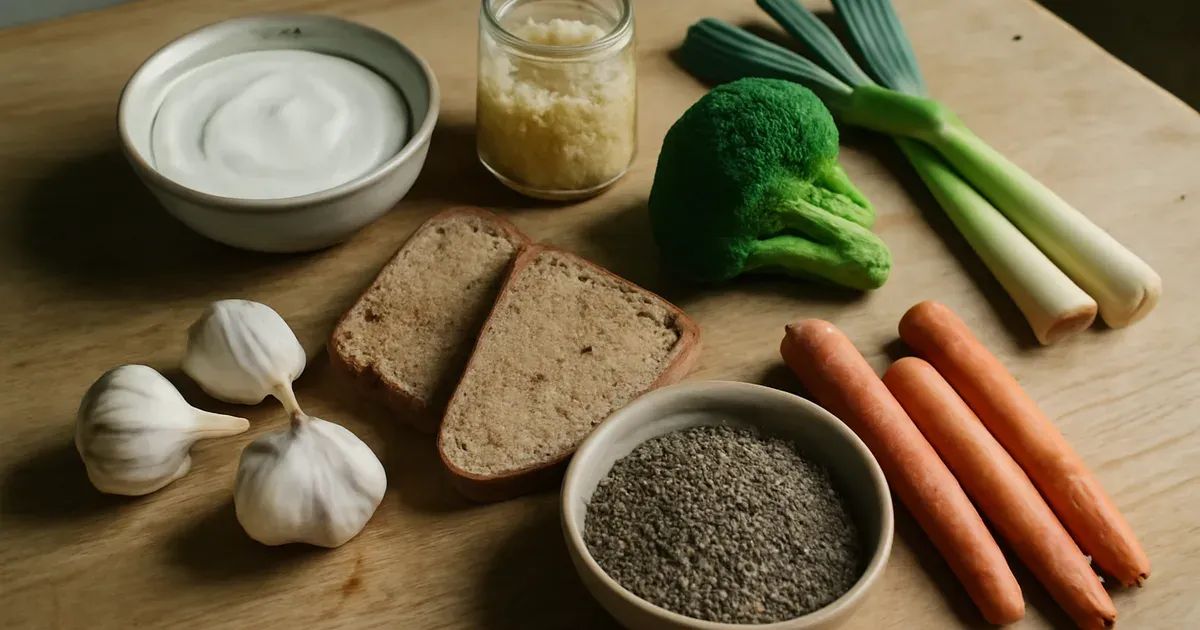
Digestive discomfort affects millions of people in the UK — yet many suffer in silence, assuming bloating, cramping, or fatigue are simply part of daily life. The reality is that your gut is one of the most complex and influential systems in your body, and when it falls out of balance, the effects reach far beyond your digestive tract.
From your immune response to your mood and mental clarity, the health of your gut microbiome shapes far more than you might expect. Increasingly, UK researchers and clinicians are exploring how a deeper understanding of gut bacteria — and the gut-brain connection — can offer new pathways to lasting wellness. Whether you're struggling with a diagnosed condition like IBS or simply want to feel better every day, this guide explains what's happening inside your gut and what you can do about it.
What Is the Gut Microbiome and Why Does It Matter?
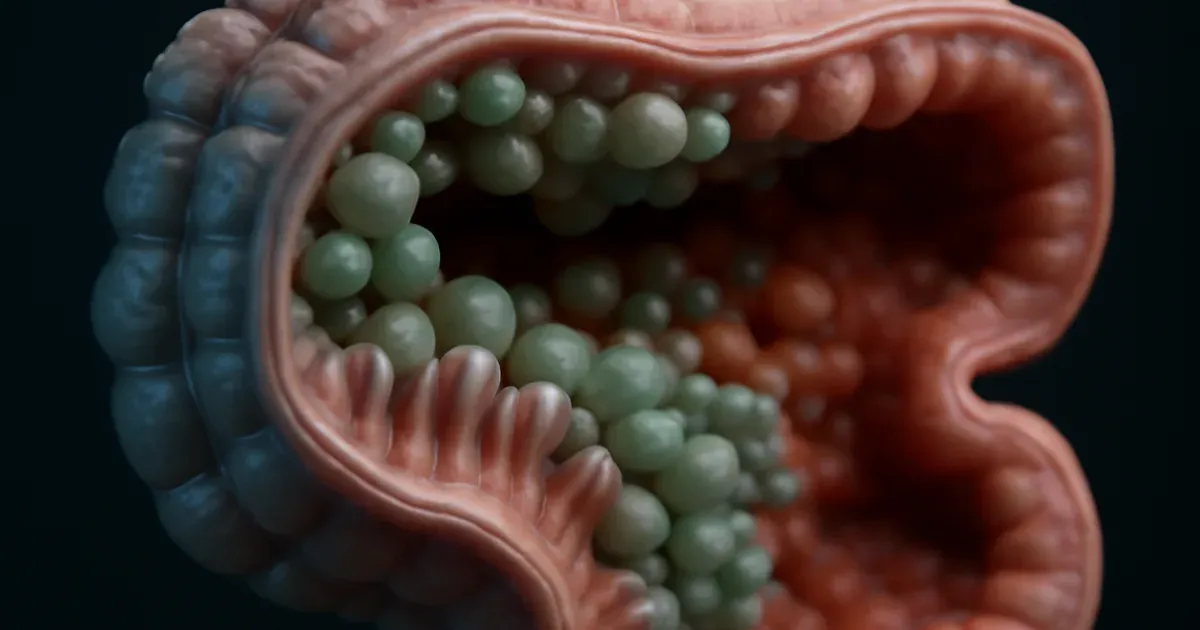
Your gut microbiome is a vast ecosystem of trillions of microorganisms — bacteria, fungi, viruses, and other microbes — living primarily in your large intestine. Far from being passive passengers, these microbes actively regulate your digestion, train your immune system, produce essential vitamins, and communicate with your brain via the gut-brain axis.
Research from institutions including King's College London and the University of Reading has demonstrated that the diversity and composition of your microbiome is closely linked to your risk of chronic disease, your mental health, and even your response to medication. The British Gut Project, one of the largest citizen science initiatives of its kind, has collected microbiome data from tens of thousands of UK participants — revealing just how profoundly lifestyle, diet, and geography shape our microbial communities.
A healthy microbiome is a diverse one. When the balance tips — beneficial bacteria decline and harmful microbes proliferate — a state known as dysbiosis occurs. Dysbiosis is linked to a wide range of conditions, from irritable bowel syndrome (IBS) and Crohn's disease to anxiety, depression, and autoimmune disorders.
Understanding Dysbiosis: When the Balance Breaks Down
Dysbiosis is not a single condition but a spectrum of microbial imbalance that can manifest differently from person to person. Common triggers in the UK context include over-reliance on highly processed foods, antibiotic use (which, while sometimes essential, can deplete beneficial bacteria), chronic psychological stress, and insufficient dietary fibre — a problem highlighted repeatedly by the British Nutrition Foundation, which notes that most UK adults consume far less than the recommended 30g of fibre per day.
Symptoms of dysbiosis vary widely but often include:
- Bloating and excessive gas, particularly after meals
- Irregular bowel movements — constipation, diarrhoea, or both
- Abdominal cramping and pain
- Heartburn or acid reflux
- Persistent fatigue and low mood
The gut-brain connection means that dysbiosis rarely stays contained to the digestive tract. The bidirectional communication pathway between the gut and the brain — mediated by the vagus nerve, immune signalling, and microbial metabolites — means that an imbalanced microbiome can contribute to anxiety, depression, and cognitive difficulties. This is an area of active investigation at the MRC Centre for Neurodevelopmental Disorders at King's College London and at the Wellcome-funded research programmes at UCL.
Common Gut Health Conditions in the UK
Gut disorders are among the most prevalent health issues in the UK. The NHS estimates that IBS alone affects up to one in five people at some point in their lives, making it one of the most common reasons for GP referrals to gastroenterology. Understanding the most frequent conditions can help you recognise symptoms early and seek appropriate support.
Irritable Bowel Syndrome (IBS)
IBS is a functional gastrointestinal disorder characterised by abdominal pain, bloating, and unpredictable bowel habits. While the exact cause remains unclear, research increasingly points to dysbiosis, altered gut-brain signalling, and low-grade intestinal inflammation as contributing factors. The NHS first-line approach often includes dietary changes — particularly the low-FODMAP diet, developed in part by researchers in Australia but now widely recommended by NHS dietitians and the British Dietetic Association (BDA) in the UK.
Coeliac Disease
Coeliac disease is an autoimmune condition triggered by gluten — a protein found in wheat, barley, and rye. It affects approximately 1 in 100 people in the UK, though Coeliac UK estimates that around half of cases remain undiagnosed. The condition causes damage to the small intestine's lining, impairing nutrient absorption and disrupting microbiome balance. A strict, lifelong gluten-free diet is the only current treatment.
Crohn's Disease and Inflammatory Bowel Disease (IBD)
Inflammatory bowel disease, which includes Crohn's disease and ulcerative colitis, affects around 500,000 people in the UK according to Crohn's & Colitis UK. These conditions involve chronic inflammation of the gastrointestinal tract and are strongly associated with microbial dysbiosis. Research from the Wellcome Sanger Institute has shed light on how immune-microbiome interactions drive IBD progression.
Leaky Gut Syndrome
Increased intestinal permeability — often called "leaky gut" — is an emerging area of gut health research. When the lining of the intestines becomes more permeable than it should be, bacterial fragments and toxins can enter the bloodstream, triggering widespread inflammation. While "leaky gut" as a clinical diagnosis remains debated within conventional medicine, the underlying science of intestinal barrier function is well established and actively studied at Imperial College London.

How to Improve Gut Health Naturally: A Science-Backed Approach
Improving your gut health doesn't require extreme interventions. The most robust evidence supports a set of consistent, sustainable lifestyle changes that nourish beneficial bacteria, reduce inflammation, and support the gut-brain axis. Here's what the science — and UK-specific guidance — recommends.
1. Prioritise Dietary Fibre and Prebiotic Foods
The UK Eatwell Guide recommends at least 30g of dietary fibre per day — yet surveys consistently show the average UK adult consumes closer to 18g. Fibre is the primary fuel for beneficial gut bacteria; without adequate intake, microbial diversity declines. Prioritise:
- Prebiotic-rich foods: garlic, onions, leeks, asparagus, bananas, and chicory root — these feed beneficial bacteria directly
- Whole grains: oats, wholemeal bread, brown rice, and barley
- Legumes: lentils, chickpeas, and beans — staples of a gut-friendly British diet
- Vegetables and fruit: particularly cruciferous vegetables like broccoli and cabbage
2. Incorporate Fermented and Probiotic-Rich Foods
Fermented foods contain live microorganisms that can contribute to a healthy and diverse microbiome UK-wide. Regular consumption of foods such as natural live yogurt, kefir, sauerkraut, kimchi, miso, and kombucha has been associated with increased microbial diversity in several studies, including large-scale research involving UK Biobank participants. Look for products labelled "live cultures" rather than pasteurised alternatives that contain no active bacteria.
3. Reduce Ultra-Processed Foods
Ultra-processed foods (UPFs) are disproportionately present in the British diet — the UK has one of the highest UPF consumption rates in Europe, according to data published in the British Medical Journal. Emulsifiers, artificial sweeteners, and preservatives found in many UPFs have been shown to disrupt microbial balance, reduce beneficial bacteria populations, and increase intestinal permeability. Scaling back UPFs and replacing them with whole, minimally processed foods is one of the most impactful steps you can take to improve gut health naturally.
4. Manage Stress to Protect the Gut-Brain Connection
Chronic psychological stress is one of the most underrecognised threats to gut health in the UK. Stress hormones such as cortisol alter gut motility, increase intestinal permeability, and shift the composition of the microbiome — often reducing populations of beneficial Lactobacillus and Bifidobacterium species. Techniques with evidence behind them include:
- Mindfulness-based stress reduction (MBSR): available through NHS talking therapies and apps recommended by NICE
- Regular physical activity: even 30 minutes of brisk walking five times per week has been shown to positively influence microbiome diversity
- Consistent sleep: poor sleep disrupts the circadian rhythm of the microbiome; the NHS recommends 7–9 hours per night for adults
5. Be Mindful of Antibiotic Use
Antibiotics are a necessary and life-saving medicine, but their impact on the gut microbiome is significant. A single course of antibiotics can alter microbial populations for months. The NHS and UK Health Security Agency both advocate responsible antibiotic prescribing. If you do need a course, speak to your GP or a registered dietitian about supporting your microbiome during and after treatment — typically through increased intake of prebiotic and probiotic foods.

The Gut-Brain Connection: More Than a Metaphor
The phrase "gut feeling" has a literal biological basis. The enteric nervous system — sometimes called the "second brain" — contains more than 100 million nerve cells lining the gastrointestinal tract. It communicates constantly with the central nervous system via the vagus nerve, hormonal signals, and microbial metabolites such as short-chain fatty acids and neurotransmitter precursors.
Approximately 90% of the body's serotonin — the neurotransmitter most associated with mood regulation — is produced in the gut. Research from the University of Oxford and University of Cambridge has explored how disruptions to this gut-brain axis are associated with conditions ranging from depression and anxiety to neurodegenerative diseases. For UK adults dealing with stress, low mood, or cognitive fatigue, addressing gut health is increasingly regarded as a meaningful part of a holistic mental wellbeing strategy.
The gut-brain connection also works in reverse: mental health challenges such as anxiety and depression can directly worsen digestive symptoms, creating a cycle that functional medicine practitioners aim to break through integrated, personalised care.
Building a Holistic Gut Health Plan That Works for You
A holistic approach to gut health recognises that no two microbiomes are identical. What works for one person may not work for another — a principle that underpins both functional medicine and the growing field of personalised nutrition, championed by UK researchers at King's College London through projects like the PREDICT study.
Start with foundational habits: increase dietary fibre, add fermented foods, reduce ultra-processed foods, manage stress, and move your body regularly. If symptoms persist, the NHS pathway offers referral to gastroenterology, registered dietitians, and — where appropriate — gut microbiome testing. Private functional medicine practitioners and NHS dietitians registered with the BDA can help design more targeted interventions.
Nutritional supplements, including probiotic capsules, digestive enzymes, and targeted amino acids, may offer additional support — but these should complement, not replace, a nutrient-dense diet. Always discuss supplementation with a qualified healthcare professional, particularly if you have a diagnosed condition.
The Bottom Line
Your gut microbiome is one of the most dynamic and influential aspects of your health — and the science emerging from UK institutions, citizen science projects like the British Gut Project, and large cohort studies like UK Biobank is making that clearer every year. Dysbiosis, the gut-brain connection, and the role of dietary fibre and fermented foods are no longer niche interests; they are central to how forward-thinking UK clinicians and researchers understand chronic disease, mental health, and longevity.
Improving gut health naturally is achievable through consistent, evidence-based changes to diet and lifestyle. Start small — add a portion of prebiotic vegetables today, swap a processed snack for a live yogurt, take a lunchtime walk — and build from there. Your gut, your brain, and your overall well-being will thank you.
You might also like
- How to Improve Gut Health Naturally in 5 Steps
- How to Improve Gut Health Naturally Through Meditation
- Global Gut Microbiome Diversity Mapped by Stanford Scientists
Frequently Asked Questions
What are the signs of poor gut health in the UK?
Common signs of poor gut health include persistent bloating, irregular bowel movements, excessive gas, abdominal cramping, heartburn, chronic fatigue, and low mood. If these symptoms are frequent or disruptive, speak to your GP, who can refer you to NHS gastroenterology or a registered dietitian.
How can I improve my gut health naturally on a British diet?
Focus on increasing dietary fibre through wholegrains, legumes, and vegetables — all affordable staples in the British diet. Add fermented foods like live yogurt and kefir, reduce ultra-processed foods, and aim for at least 150 minutes of moderate physical activity per week, in line with NHS guidelines.
What is the gut-brain connection and why does it matter?
The gut-brain connection describes the bidirectional communication between your gastrointestinal tract and your central nervous system. Because around 90% of serotonin is produced in the gut, an imbalanced microbiome can directly influence mood, anxiety levels, and cognitive function — and vice versa.
Is IBS linked to the gut microbiome?
Yes — research increasingly shows that dysbiosis (microbial imbalance) plays a role in IBS. UK studies and NHS clinical guidance both support dietary interventions, including the low-FODMAP diet, as a first-line approach to managing IBS symptoms by restoring a healthier microbial environment.
Should I take probiotic supplements to improve my gut health?
Probiotic supplements can be beneficial in specific circumstances — for example, after a course of antibiotics or to support IBS symptoms. However, evidence is strongest for dietary sources of probiotics (live yogurt, kefir, fermented vegetables). Consult a registered dietitian or your GP before starting any supplement regime.
96 Bacterial Strains. Two Shots a Day.
GOODIE is an award-winning fermented drink with 96 live bacterial strains — more than any yogurt or kombucha — never pasteurised, clinically tested, and 8 in 10 users felt less bloating within 14 days. Curious?