Breathwork for Gut Health: Calm Stress Naturally
Discover how breathwork activates the gut-brain connection to reduce stress, support your microbiome, and improve gut health naturally with three simple daily t


Your breath is always with you — yet most of us have never considered it a tool for gut health. In the UK, where an estimated one in five adults experiences symptoms of irritable bowel syndrome (IBS) and stress-related digestive complaints are rising, the search for accessible, drug-free solutions has never been more urgent. The answer may be as close as your next inhale.
The gut-brain connection is now one of the most exciting frontiers in health science, with researchers at King's College London, Imperial College London, and the University of Reading actively mapping how our nervous system, microbiome, and mental state interact. What they are finding confirms what many practitioners have long suspected: the way we breathe directly influences how well we digest, how balanced our gut microbiome is, and how resilient we feel.
This article explores the science behind breathwork and gut health, explains why chronic stress is so damaging to your microbiome UK population data included, and gives you a practical, evidence-informed daily routine you can start today.
The Gut-Brain Connection: Why Your Nervous System Runs Digestion
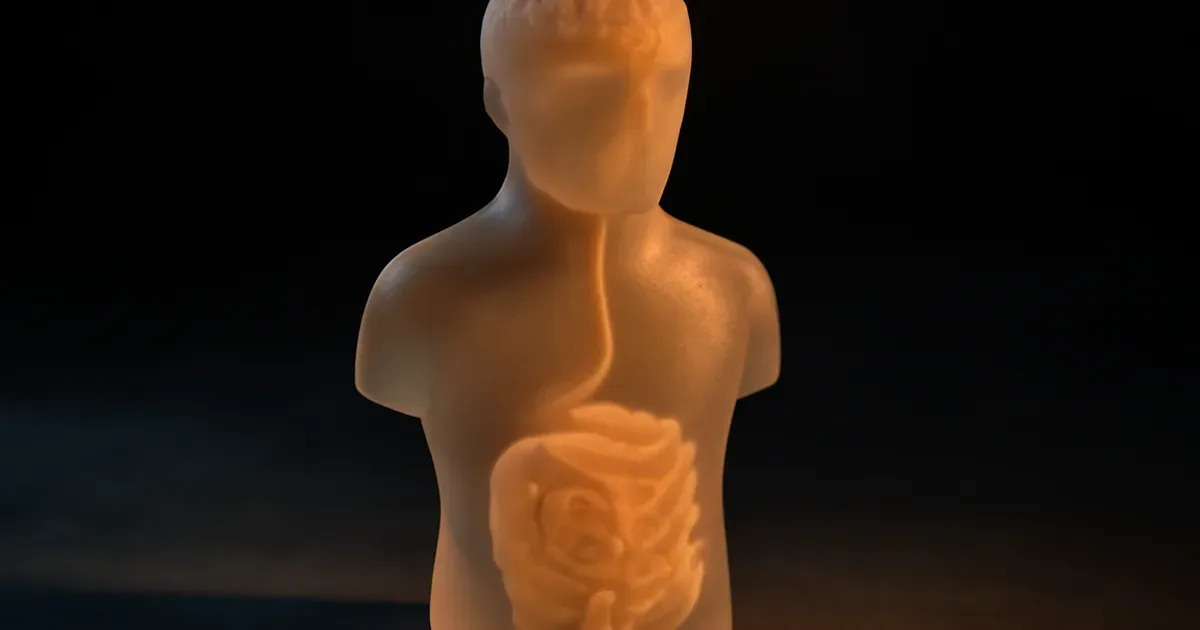
The gut and the brain are in constant conversation. This two-way communication highway is called the gut-brain axis, and it runs primarily through the vagus nerve — the longest cranial nerve in the body, stretching from the brainstem all the way down to the colon. Roughly 80–90% of the signals travelling along the vagus nerve go from the gut up to the brain, making the gut a significant driver of our mood, cognition, and stress response.
The nervous system operates in two broad modes. The sympathetic "fight-or-flight" mode is activated by perceived threats — a looming deadline, a difficult conversation, a commute on the London Underground. The parasympathetic "rest-and-digest" mode is the counterbalance, governing recovery, nutrient absorption, and gut repair.
When we are chronically stressed, the body stays locked in fight-or-flight far longer than is healthy. Digestion is considered a low priority in a survival situation, so gut motility slows, blood flow to the digestive tract is reduced, and the delicate ecosystem of trillions of microorganisms living in your gut — your microbiome — begins to shift out of balance.
Research from the British Gut Project, one of the largest citizen science microbiome studies in the world, has shown that lifestyle factors including stress, sleep, and dietary diversity all meaningfully influence the composition of the gut microbiome UK residents carry. The data reinforces what the gut-brain axis research predicts: a stressed brain produces a stressed gut.
How Chronic Stress Damages Your Gut Microbiome
Stress does not simply "live in the mind." Once the hypothalamic-pituitary-adrenal (HPA) axis is activated, cortisol floods the bloodstream. In the short term, this is adaptive. Over weeks and months, elevated cortisol begins to erode the intestinal lining, reduce microbial diversity, and tip the balance of gut bacteria away from beneficial species.
Here is what the evidence tells us about chronic stress and gut health:
- Disrupted microbial balance. Animal and human studies alike show that psychological stress reduces populations of Lactobacillus and Bifidobacterium — two of the most well-researched beneficial bacterial genera — while allowing potentially harmful species to proliferate. MRC-funded research has explored these mechanisms in detail, pointing to stress as a key driver of dysbiosis.
- Slowed or erratic gut motility. Anxiety and stress can swing gut transit time in either direction, contributing to constipation at one end or urgency and diarrhoea at the other. The NHS estimates that functional gastrointestinal disorders, often triggered or worsened by stress, affect millions of people in the UK.
- Increased intestinal permeability. Sustained cortisol exposure may compromise tight junctions in the gut lining — the cellular "seals" that keep partially digested food and bacterial toxins from leaking into the bloodstream. This is sometimes referred to as increased intestinal permeability, and it is associated with systemic inflammation.
The good news is that the gut-brain axis runs in both directions. Just as a stressed brain can destabilise the gut, a calmed nervous system can restore it. That is precisely where breathwork comes in.
Why Breathwork Is a Direct Route to Gut Health
Breathing is the only autonomic function we can consciously control. Heart rate, digestion, and immune activity all run without our input — but breath sits at the intersection of the voluntary and involuntary nervous systems. This makes it a uniquely powerful lever for shifting the body from sympathetic to parasympathetic dominance.
Slow, diaphragmatic breathing activates the vagus nerve, increasing what is measured as heart rate variability (HRV) — a marker of parasympathetic tone and resilience. Higher vagal tone is consistently associated with better gut motility, reduced gut inflammation, and a more diverse microbiome.
A 2017 review published in Frontiers in Psychology found that slow-paced breathing exercises reliably increased HRV and reduced self-reported stress. More recently, researchers have explored how vagal stimulation via breathing can reduce inflammatory cytokine production — the same cytokines that, when chronically elevated, damage the gut lining.
For those looking to improve gut health naturally, breathwork represents one of the most cost-free, accessible, and evidence-aligned tools available. It requires no equipment, no prescription, and no GP referral — though anyone with a diagnosed gut condition should always discuss new therapeutic approaches with their healthcare provider in line with NHS gut health guidance.
Three Breathwork Techniques to Support Digestion
These three techniques are grounded in the physiological mechanisms described above. Practise them consistently and they can meaningfully support your gut-brain connection, reduce stress-driven digestive symptoms, and complement a gut-friendly diet.
1. Diaphragmatic Breathing (Deep Belly Breathing)
Also called abdominal breathing, this is the most fundamental breathwork technique and the best starting point for anyone new to the practise.
How to do it:
- Sit or lie comfortably. Place one hand on your chest and one on your abdomen, just below the ribcage.
- Inhale slowly through your nose for a count of four. Your abdomen should rise; your chest should stay relatively still.
- Exhale through your mouth for a count of six, feeling your abdomen fall.
- Repeat for 5–10 breath cycles.
Why it works: Diaphragmatic breathing mechanically massages the abdominal organs with each breath cycle, stimulates the vagus nerve via pressure receptors in the diaphragm, and increases oxygen delivery to gut tissue. It is the foundation of parasympathetic activation.

2. 4-7-8 Breathing (Relaxation Breath)
Developed by Dr Andrew Weil and rooted in pranayama traditions, the 4-7-8 technique is particularly effective before meals, when many people carry residual work stress that compromises digestion.
How to do it:
- Inhale quietly through your nose for 4 seconds.
- Hold your breath for 7 seconds.
- Exhale completely through your mouth for 8 seconds, making a gentle whooshing sound.
- Complete 3–4 cycles.
Why it works: The extended exhale engages the parasympathetic nervous system more powerfully than the inhale. The breath-hold builds a mild, beneficial carbon dioxide tension that further promotes vasodilation and gut blood flow. Practising this before eating may help prepare your digestive system to absorb nutrients more efficiently.
3. Humming Breath (Bhramari / Bee Breath)
This technique uses sound vibration to directly stimulate the vagus nerve through the throat and chest — making it arguably the most targeted breathwork for gut-brain connection support.
How to do it:
- Inhale deeply through your nose.
- As you exhale, make a low, steady humming sound with your lips lightly closed.
- Feel the vibration in your throat, chest, and even your abdomen.
- Continue for 1–2 minutes.
Why it works: Vagal afferents in the larynx and pharynx respond to vibration. Studies on humming have found it significantly increases nasal nitric oxide production, which has anti-inflammatory and microbiome-supportive effects. It is also a grounding, present-moment technique that reduces psychological stress rapidly.

Building a Daily Routine: Breathwork Meets Gut-Friendly Nutrition
A breathwork practise is most powerful when it runs alongside a diet that actively supports the gut microbiome. In the UK, dietary fibre intake remains well below the 30g daily target set by the NHS Eatwell Guide — and fibre is the primary fuel for beneficial gut bacteria.
Here is a simple, sustainable daily framework that pairs breathwork with evidence-based nutritional principles:
Morning — Set the tone with diaphragmatic breathing. Spend 5 minutes practising belly breathing before you check your phone. This signals to your nervous system that the day begins in a calm state, rather than an alert one. Follow with a fibre-rich breakfast — oats, flaxseed, mixed berries — to feed your microbiome from the first meal.
Before meals — Use 4-7-8 breathing. Two to three cycles of 4-7-8 breathing before sitting down to eat shifts your body from sympathetic to parasympathetic mode, priming the digestive system for efficient function. Eating mindfully, slowly, and without screens further supports this shift.
Evening — Wind down with humming breath. One to two minutes of humming breath before bed activates the vagus nerve, reduces evening cortisol, and supports the overnight gut repair processes that occur during the fasting window of sleep. Pair with a diverse, plant-rich evening meal to maximise microbial diversity.
Alongside breathwork, live cultures found in fermented foods — kefir, live yoghurt, kimchi, and high-quality gut health supplements — can help repopulate and maintain a healthy microbial community. The British Nutrition Foundation notes that a diverse, fibre-rich diet combined with regular fermented food intake is currently the best evidence-based dietary strategy for a healthy microbiome UK-wide.
The Broader Picture: Microbiome UK Research and What It Tells Us
The science of the gut-brain connection is advancing rapidly. UK Biobank, with its cohort of over 500,000 participants, is beginning to yield microbiome-linked data that will help researchers at institutions including UCL, the University of Cambridge, and the University of Nottingham understand how gut composition relates to mental health, metabolic disease, and longevity.
The British Dietetic Association (BDA) now includes gut health as a priority area, and NHS England has invested in research into the role of the microbiome in conditions ranging from depression to type 2 diabetes. This institutional momentum reflects a wider cultural shift: gut health in the UK is no longer a niche wellness topic but a mainstream clinical priority.
What this means for you is that the tools you use to improve gut health naturally — breathwork, dietary diversity, stress management, adequate sleep — are the same ones that cutting-edge research is beginning to validate at a population level. You are not ahead of the science; you are in step with it.

Frequently Asked Questions
Q: Can breathwork really improve gut health, or is it just relaxation?
Breathwork does both simultaneously, and in the context of gut health, relaxation is the mechanism. By activating the parasympathetic nervous system and stimulating the vagus nerve, slow breathing directly influences gut motility, reduces inflammatory cytokines, and supports the microbial environment. It is not a replacement for medical treatment, but as an adjunct to a gut-friendly lifestyle it has meaningful physiological effects.
Q: How quickly can I expect to notice a difference in my digestion?
Many people notice reduced bloating and improved gut comfort within a few days of consistent breathwork practise, particularly when practised before meals. Longer-term microbiome changes take weeks to months and are best supported by combining breathwork with dietary improvements such as increased fibre and fermented food intake.
Q: Is breathwork safe for people with IBS or other diagnosed gut conditions?
For most people, gentle breathwork is very safe and may actively help manage IBS symptoms. The NHS recognises stress management as a core component of IBS self-care. However, if you have a diagnosed condition, always discuss new therapeutic approaches with your GP or a registered dietitian before making significant changes to your health routine.
Q: How does the gut-brain connection relate to anxiety and low mood?
The gut produces approximately 90% of the body's serotonin, and the vagus nerve carries signals between gut microbes and the brain that influence mood regulation. Research from King's College London and elsewhere suggests that a healthy, diverse microbiome is associated with lower rates of anxiety and depression. Supporting your gut through breathwork and nutrition may therefore have benefits that extend well beyond digestion.
Q: What is the best breathwork technique to start with if I am completely new to this?
Diaphragmatic breathing is the ideal starting point. It is simple, requires no special knowledge, and can be done anywhere — sitting at a desk, lying in bed, or on public transport. Even five minutes a day is enough to begin shifting your nervous system towards parasympathetic dominance and support your gut health over time.
The bottom line: Your breath is one of the most underutilised tools for gut health in the UK. By learning to breathe consciously and deliberately — particularly through diaphragmatic breathing, 4-7-8, and humming breath — you activate the vagus nerve, calm the stress response, and create the internal conditions your microbiome needs to thrive. Pair this with a diverse, fibre-rich British diet and you have a genuinely powerful, evidence-informed foundation for digestive wellbeing.
You might also like
- How to Improve Gut Health Naturally in 6 Steps
- Body Types & Gut Health: Your Questions Answered
- How to Boost GLP-1 Naturally for Weight Loss
96 Bacterial Strains. Two Shots a Day.
GOODIE is an award-winning fermented drink with 96 live bacterial strains — more than any yogurt or kombucha — never pasteurised, clinically tested, and 8 in 10 users felt less bloating within 14 days. Curious?