Chinese Herbs vs Western Wellness: Gut Health Test
A writer's 3-week Chinese herbal experiment reignites debate on gut health UK, the microbiome, and whether Western wellness routines are falling short.

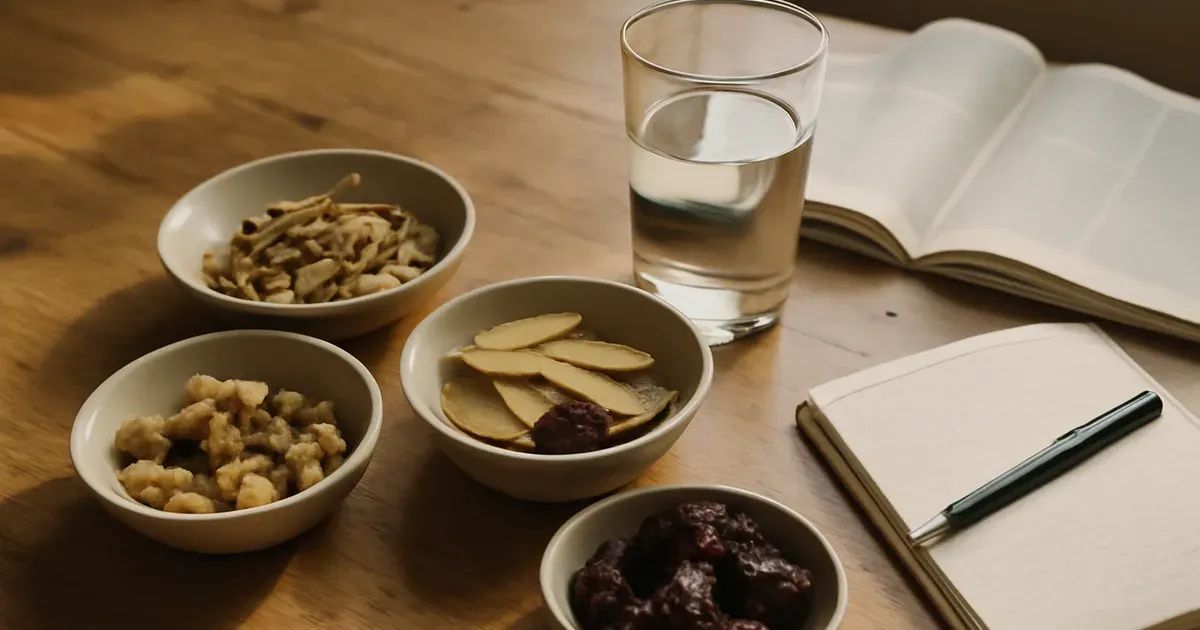
A personal experiment ditching a conventional Western wellness routine in favour of traditional Chinese herbal medicine has sparked fresh debate about how best to support gut health in the UK. Published on 8 May 2026 by the New York Post, the account describes writer Miska Salemann spending three weeks replacing standard Western health habits with Chinese herbs — and reporting a notable benefit after 9 p.m., particularly around sleep and evening digestive comfort.
Why This Matters for the Gut-Brain Connection
The experiment arrives at a moment when interest in gut health UK-wide is surging. Researchers at King's College London, through the British Gut Project, have consistently highlighted how the diversity of the gut microbiome influences not only digestion but mood, cognition, and sleep — all core components of the gut-brain connection. According to UK microbiome research, the Western diet — high in ultra-processed foods and low in fermented or plant-based diversity — is widely associated with reduced microbial richness. The reported evening benefits in the New York Post piece align loosely with what scientists already understand about circadian rhythms and gut function.
What the Chinese Herbal Experiment Found
Per the New York Post report, Salemann found the clearest improvement in how she felt during the late evening hours — a period when many people in the UK report digestive discomfort, bloating, or poor sleep onset. The account suggests the shift away from a Western wellness routine, rather than any single herb, may have contributed to the change. The most striking self-reported outcome was improved post-9 p.m. wellbeing, which the writer attributed to the herbal protocol. No clinical measurements were taken, and the piece is experiential rather than a controlled study.
What This Means for UK Readers Interested in Microbiome Health
For health-conscious adults looking to improve gut health naturally, the account raises questions rather than answers. The NHS does not currently endorse traditional Chinese herbal medicine as a first-line approach to gut health, and the British Dietetic Association recommends evidence-based dietary changes — such as increasing dietary fibre to 30g per day — as a starting point. However, the growing body of UK microbiome research suggests that lifestyle and dietary diversity, whatever their cultural origin, meaningfully shape the gut microbiome UK populations carry.
The New York Post piece reflects a broader generational shift, per its own framing, with Gen Z increasingly questioning whether Western wellness frameworks fully address their health needs. Researchers at the University of Reading and Imperial College London have separately explored how plant-based compounds — including those found in herbal traditions — interact with gut bacteria to produce short-chain fatty acids that support the gut-brain axis.
A Conversation Worth Having
One writer's three-week experiment is not clinical evidence, and readers in the UK should approach anecdotal wellness accounts with appropriate scepticism. Yet the underlying questions the piece raises — about diet diversity, microbiome health, and the limits of mainstream Western wellness — are ones that UK researchers are actively investigating. As interest in the gut-brain connection continues to grow, comparing traditional and modern approaches to digestive wellbeing is a conversation that is likely to intensify.
You might also like
- How to Boost Natural GLP-1 for Gut Health (No Drugs)
- 7 Gut-Brain Secrets That Could Change Your Mental Health
- Gut & Hormone Health Added to Employee Benefits
96 Bacterial Strains. Two Shots a Day.
GOODIE is an award-winning fermented drink with 96 live bacterial strains — more than any yogurt or kombucha — never pasteurised, clinically tested, and 8 in 10 users felt less bloating within 14 days. Curious?