7 Gut-Brain Secrets That Could Change Your Mental Health
Discover 7 science-backed gut-brain connection insights reshaping mental health in the UK — from microbiome basics to psychedelic research.

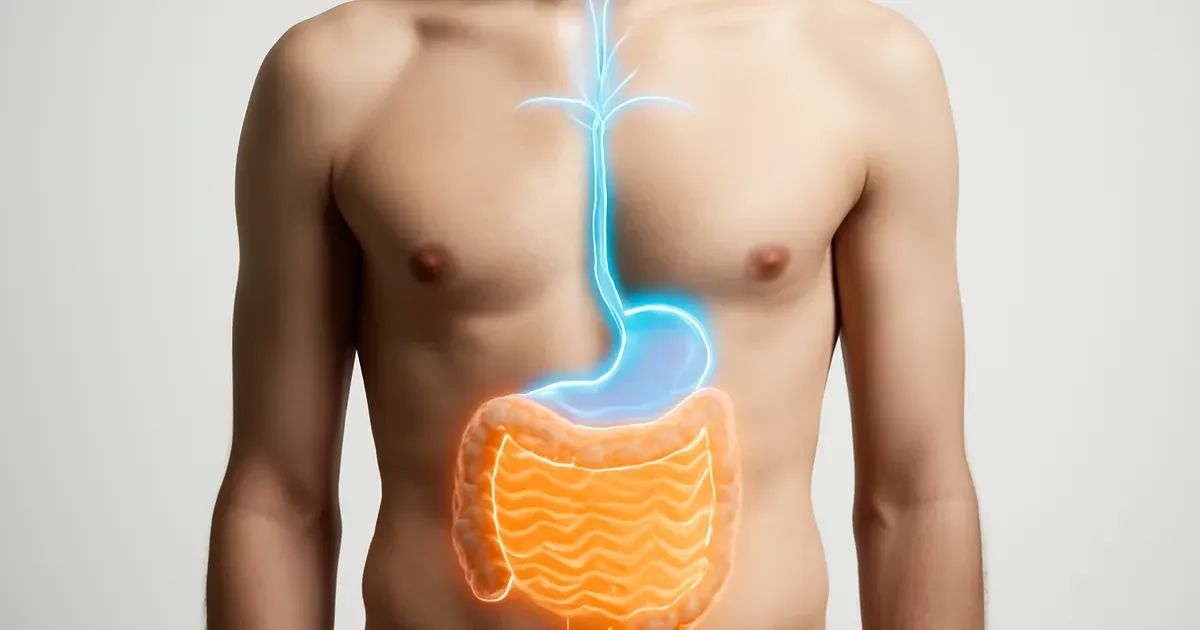
You eat well, exercise regularly, and still feel anxious, foggy, or low — and nobody can quite explain why. The answer may lie not in your brain, but in your gut. Emerging science is revealing that the trillions of microorganisms living in your digestive tract have a profound influence on your mood, cognition, and even how your body responds to medical treatments. This is one of the most exciting frontiers in health science right now — and it directly affects you.
A landmark review published in Frontiers journals found that the gut microbiome plays a measurable role in psychiatric treatment outcomes, with microbiota composition influencing everything from antidepressant efficacy to metabolic side effects — opening the door to a new era of personalised mental health care in the UK and beyond.
1. Your Gut and Brain Are in Constant Two-Way Conversation
The gut–brain connection is not a metaphor — it is a scientifically validated, bidirectional communication network. Known as the gut–brain axis, this system links the central nervous system (CNS) with the enteric nervous system (ENS), the so-called "second brain" that governs your digestive tract. Signals travel in both directions via the vagus nerve, hormones, immune messengers, and microbial metabolites. When one side of this axis is disrupted, the other feels it. Actionable takeaway: Prioritising gut health UK-wide starts with understanding that digestive symptoms and mental health symptoms are rarely separate issues — speak to your GP if both are present simultaneously.
2. Your Microbiome Produces Chemicals That Directly Affect Your Mood
Around 90% of your body's serotonin is made in the gut, not the brain. The billions of bacteria, fungi, and other microorganisms in your gastrointestinal tract produce neurotransmitters and metabolites — including serotonin, dopamine precursors, and short-chain fatty acids — that travel via the gut–brain axis and directly influence how you feel. Dysbiosis (an imbalance in gut bacteria) has been linked to conditions including anxiety, depression, and cognitive impairment. Actionable takeaway: Eating a diverse range of plant-based foods — as recommended by the NHS Eatwell Guide — supports a richer, more varied microbiome capable of producing these mood-regulating chemicals.
3. Inflammation in the Gut Can Trigger Brain Fog and Low Mood
Chronic low-grade gut inflammation is increasingly recognised as a key driver of psychological symptoms. When the gut lining is compromised — sometimes called "leaky gut" — inflammatory molecules can enter the bloodstream and cross into the brain, disrupting neural function. The gut microbiome plays a central role in regulating this inflammatory response through immune signalling pathways. Research from institutions such as King's College London and the University of Oxford has contributed significantly to our understanding of how gut-derived inflammation shapes mental health outcomes in the UK. Actionable takeaway: Reducing ultra-processed food intake and increasing dietary fibre can help restore gut barrier integrity and calm systemic inflammation.
4. The HPA Stress Axis Runs Through Your Gut
Stress doesn't just affect your mind — it physically alters your gut microbiome. The hypothalamic–pituitary–adrenal (HPA) axis, your body's central stress-response system, is deeply intertwined with the gut–brain axis. When you experience chronic stress, cortisol and adrenaline disrupt gut motility, alter microbial populations, and impair the gut lining. Conversely, certain gut bacteria can modulate the HPA axis, dampening the stress response. Studies supported by the MRC and Wellcome Trust have helped map these pathways in human populations. Actionable takeaway: Mind-body practices such as mindfulness and diaphragmatic breathing have been shown to positively influence both the HPA axis and gut microbiome composition — consider incorporating them into your daily routine.
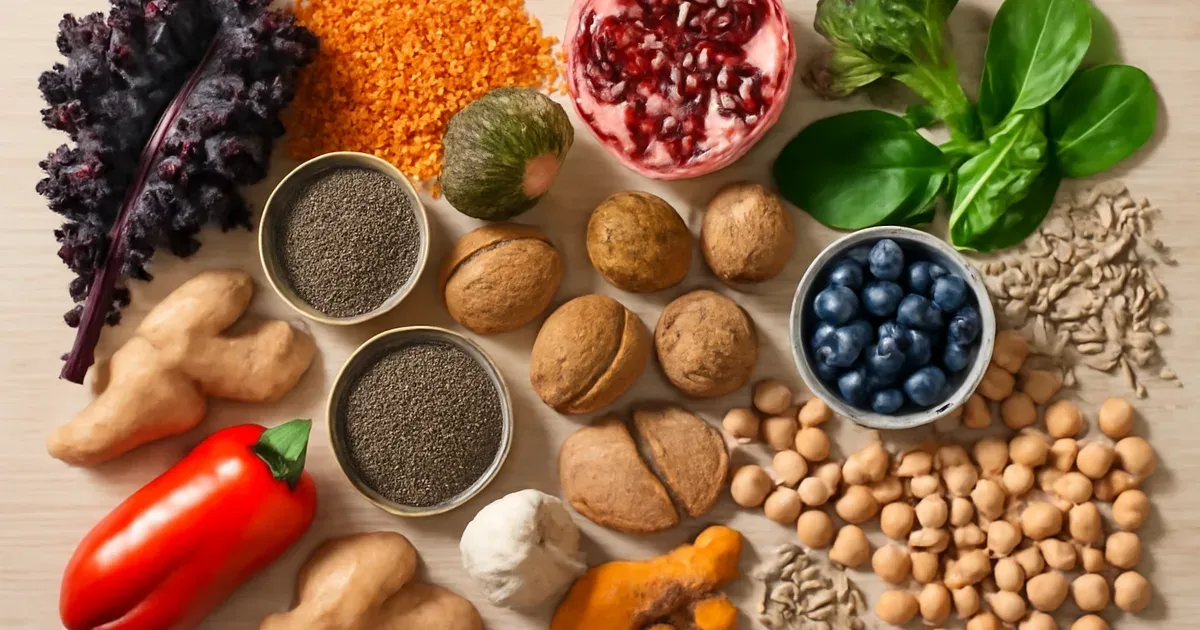
Did you know? The British Gut Project — one of the largest citizen science microbiome studies in the world — found that people who eat 30 or more different plant species per week have significantly more diverse gut microbiomes than those who eat fewer than 10. Microbiome diversity is consistently associated with better mental and physical health outcomes.
5. Your Gut Bacteria May Shape How You Respond to Psychiatric Treatments
One of the most remarkable discoveries in microbiome UK research is that gut bacteria can influence how effectively psychiatric medications work. A review published in Frontiers journals highlighted that antipsychotic drugs alter microbiota composition, which in turn can mitigate psychiatric symptoms — but also trigger metabolic side effects that lead many patients to discontinue treatment. Probiotic supplementation showed promise in alleviating these metabolic issues while potentially enhancing drug effectiveness. Actionable takeaway: If you are on psychiatric medication and experiencing digestive side effects, discuss the emerging role of gut health with your NHS prescriber — microbiome-aware psychiatry is a growing discipline.
6. Psychedelic Research Is Revealing Surprising Links to Gut Health
The psychedelic renaissance — a wave of rigorous clinical research into substances such as psilocybin, MDMA, and DMT — has opened an unexpected window into the gut–brain connection. Scientists are finding that the gut microbiome may influence the metabolism and bioavailability of psychedelic compounds, potentially explaining why individuals respond so differently to the same dose. For example, specific gut bacteria appear capable of modulating the metabolism of DMT (a compound found in ayahuasca), affecting how much reaches the brain and for how long. Researchers at Imperial College London are among those exploring psilocybin's therapeutic potential, with gut-microbiome interactions an emerging area of investigation. Actionable takeaway: While psychedelic therapies remain outside standard NHS pathways, the underlying science reinforces why improving gut health naturally is relevant across all areas of mental health treatment.
7. Microbiome-Targeted Interventions Could Personalise Mental Health Care
The future of mental health treatment in the UK may be deeply personalised — calibrated not just to your diagnosis and genetics, but to the unique ecosystem of microorganisms in your gut. Microbiome-targeted interventions, including tailored probiotic and prebiotic regimens, dietary programmes, and even faecal microbiota transplantation (FMT), are being actively researched as adjuncts to existing therapies for depression, anxiety, and PTSD. The British Dietetic Association (BDA) acknowledges the growing evidence base connecting diet, the microbiome, and mental health. Actionable takeaway: You don't need to wait for clinical trials — improving gut health naturally through dietary diversity, fermented foods, reduced alcohol intake, and regular movement is evidence-backed and accessible today.

The gut–brain connection is no longer fringe science — it is a central pillar of modern health research, backed by leading UK institutions and global clinical trials. From mood regulation to psychiatric treatment outcomes, your microbiome is quietly shaping your mental world. The most empowering truth? Many of the factors that improve gut health are within your control, starting with what is on your plate.
Start with one change this week: add two new plant-based foods to your diet, swap a processed snack for a fermented alternative like kefir or live yoghurt, and notice how you feel after a fortnight. Small, consistent shifts in your microbiome can produce measurable changes in how you think and feel.
You might also like
- How to Improve Gut Health Naturally in 6 Steps
- 7 Fibre-Rich Foods to Improve Gut Health Naturally
- How to Improve Gut Health Naturally in 6 Steps
Frequently Asked Questions
What exactly is the gut–brain axis and why does it matter for UK adults?
The gut–brain axis is a bidirectional communication network linking the gut and the brain via the vagus nerve, immune system, hormones, and microbial metabolites. It matters because disruptions to this axis — often caused by poor diet, stress, or antibiotic overuse — are increasingly linked to anxiety, depression, and cognitive decline. In the UK, where 1 in 4 people experience a mental health condition each year (NHS data), understanding this connection offers new avenues for prevention and treatment.
Can improving my gut health really help with anxiety and depression?
The evidence is promising but still evolving. Research consistently shows that microbiome diversity is associated with better mental health outcomes, and that dietary interventions can shift microbial populations in ways that influence mood-regulating neurotransmitters. The British Nutrition Foundation recommends a high-fibre, plant-diverse diet as a foundation for both physical and mental well-being. However, gut-health interventions should complement — not replace — NHS-recommended treatments for clinical anxiety or depression.
What are psychobiotics and are they available in the UK?
Psychobiotics are live microorganisms (probiotics) or prebiotic substrates that, when consumed in adequate amounts, confer a mental health benefit. Research from University College London and other institutions is actively investigating specific strains. Several products are commercially available in the UK, though the evidence base varies enormously by strain and condition. Always check for clinical evidence behind any specific probiotic product and consult a registered dietitian (via the BDA's Find a Dietitian directory) before starting supplementation.
How does the NHS currently approach gut health and mental health together?
The NHS does not yet formally integrate microbiome testing into mental health pathways, though awareness is growing. Gastroenterologists and psychiatrists are increasingly communicating about shared patients, particularly those with conditions like irritable bowel syndrome (IBS) co-occurring with anxiety or depression. Some NHS Talking Therapies services now include lifestyle modules that address diet and gut health as part of a holistic approach. UK Biobank research is also helping map gut-brain relationships at population scale.
What foods should I eat to improve my gut health naturally?
The most evidence-backed approach is dietary diversity. Aim for 30 different plant species per week (as championed by the British Gut Project), including vegetables, fruits, legumes, wholegrains, nuts, and seeds. Fermented foods — live yoghurt, kefir, kimchi, sauerkraut, and miso — introduce beneficial bacteria directly. Reduce ultra-processed foods, excess sugar, and alcohol, all of which negatively alter microbiome composition. These recommendations align with the NHS Eatwell Guide and are endorsed by the British Dietetic Association.
96 Bacterial Strains. Two Shots a Day.
GOODIE is an award-winning fermented drink with 96 live bacterial strains — more than any yogurt or kombucha — never pasteurised, clinically tested, and 8 in 10 users felt less bloating within 14 days. Curious?