Fibre vs Protein: Your Biggest Questions Answered
Most UK adults eat too little fibre and too much protein. Find out why fibre matters more for gut health, the microbiome, and the gut-brain connection.

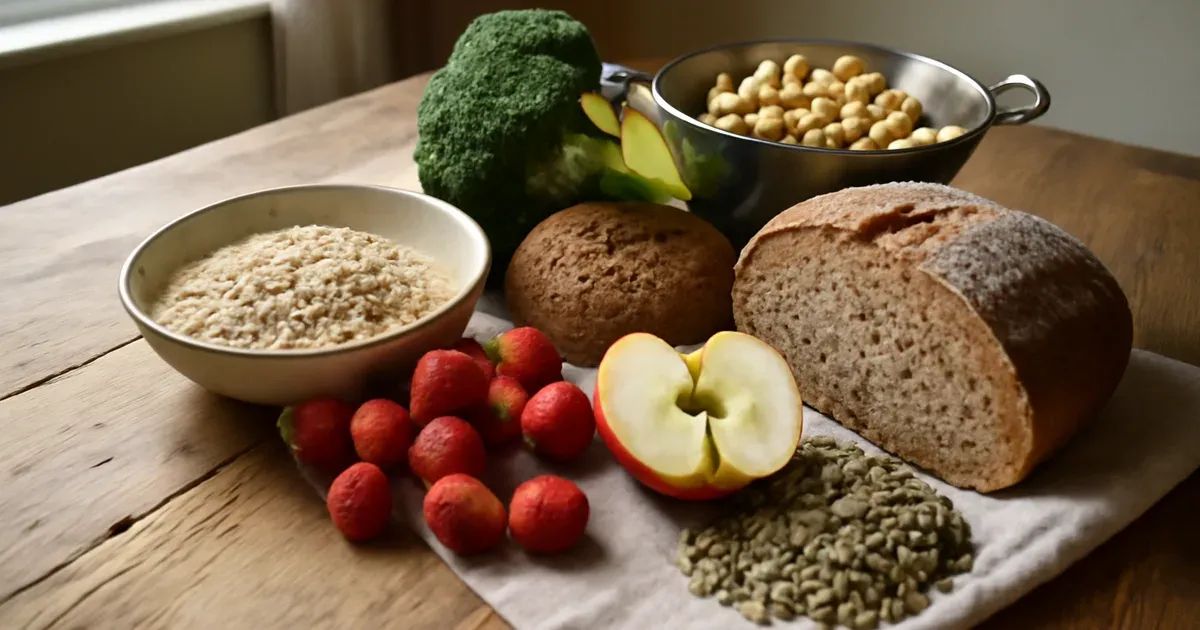
Are you eating enough fibre — or just enough protein? With high-protein diets dominating headlines and social media feeds, many health-conscious adults in the UK are left wondering whether they're missing something far more fundamental. The science is clear: most of us are falling drastically short on fibre, and that shortfall has serious consequences — not just for digestion, but for the gut microbiome, the gut-brain connection, and long-term disease risk. This FAQ cuts through the noise.
Quick Navigation
Are most people in the UK eating enough fibre?
How much protein do you actually need per day?
What does fibre do for your gut microbiome?
What are the risks of too much protein and too little fibre?
Is plant-based protein better for gut health?
How can you safely increase your fibre intake?
What are the best high-fibre foods for gut health in the UK?
Are most people in the UK eating enough fibre?
No — the vast majority of UK adults are not meeting their fibre targets. Research consistently shows that only around 5% of the population consumes the recommended amount of dietary fibre, a pattern reflected across both US and UK national dietary surveys. In the UK, the NHS and the Scientific Advisory Committee on Nutrition (SACN) recommend 30 grams of fibre per day for adults, yet average intakes hover closer to 18–20 grams.
This "fibre gap" is a recognised public health concern. The UK Eatwell Guide places wholegrains, fruits, vegetables, and legumes at the heart of a balanced diet — all of which are primary fibre sources — yet busy lifestyles and ultra-processed food consumption continue to undermine intake.
The British Dietetic Association (BDA) has highlighted fibre deficiency as a driver of several preventable conditions. Improving fibre intake is one of the most impactful dietary changes a UK adult can make — and one of the most overlooked.
How much protein do you actually need per day?
Most UK adults need far less protein than current diet culture suggests. NHS guidelines recommend approximately 0.75 grams of protein per kilogram of body weight per day for sedentary adults — roughly 45–56 grams daily for the average woman and man respectively.
Preventive medicine specialists note that protein deficiency is extraordinarily rare in people eating a varied diet. The far more pressing concern is that high-protein eating patterns are crowding out fibre-rich foods — beans, wholegrains, fruits, and vegetables — that feed a healthy gut microbiome.
Those who are older, recovering from illness, or actively building muscle may need modestly more protein, but not the extreme amounts promoted by many supplement brands. The UK population's real nutritional gap is fibre, not protein.
| Group | Recommended Protein | Recommended Fibre |
|---|---|---|
| Average adult woman | ~45g/day | 30g/day |
| Average adult man | ~55g/day | 30g/day |
| Older adults (65+) | ~1.0–1.2g/kg/day | 30g/day |
| Active/muscle-building | ~1.2–1.6g/kg/day | 30g/day |

What does fibre do for your gut microbiome?
Dietary fibre is the primary fuel source for the trillions of bacteria that make up your gut microbiome. When you eat fibre — particularly fermentable types found in legumes, oats, and vegetables — gut bacteria ferment it into short-chain fatty acids (SCFAs) such as butyrate, propionate, and acetate. These compounds are central to gut-brain connection signalling, inflammation control, and intestinal barrier integrity.
UK microbiome research from King's College London and the British Gut Project has demonstrated that dietary diversity — especially fibre variety — is one of the strongest predictors of a healthy, diverse microbiome. The more varied your plant-based fibre intake, the more resilient and species-rich your gut community tends to be.
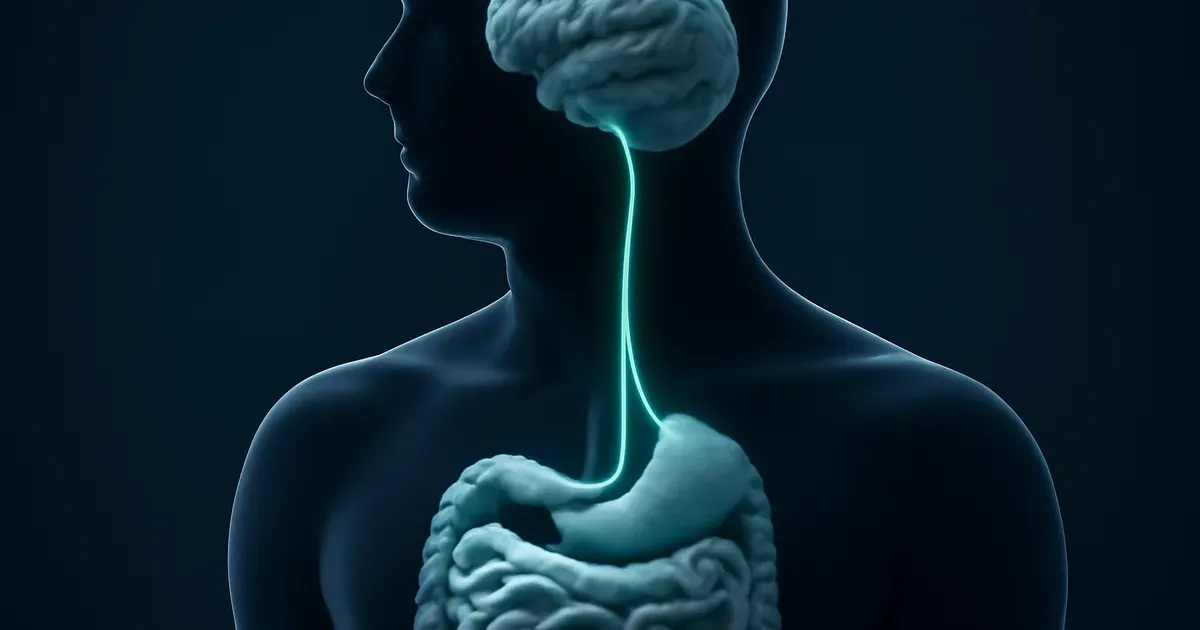
Fibre also directly supports the gut-brain axis — the bidirectional communication network linking your digestive system and your brain via the vagus nerve, enteric nervous system, and immune pathways. SCFAs produced during fermentation influence mood, cognitive function, and even stress responses. Improving fibre intake is, quite literally, feeding your mental as well as physical health.
What are the risks of too much protein and too little fibre?
Chronically high protein intake combined with low fibre consumption carries compounding health risks — many of which are particularly relevant to UK dietary patterns, where red and processed meat consumption remains above recommended levels.
According to preventive medicine research, excess dietary protein is broken down into amino acids that the body may convert into sugar or fat. Over time, chronically high animal-protein diets are associated with:
- Damage to the digestive tract lining
- Increased strain on kidney function
- Cardiovascular stress through elevated saturated fat and cholesterol intake
Low fibre intake carries its own serious consequences. A 2018 paper published in PMC found that inadequate fibre is linked to increased risk of cardiovascular disease, type 2 diabetes, certain cancers, higher cholesterol, raised systolic blood pressure, and greater body weight — as well as increased risk of premature death.
For gut health in the UK specifically, a low-fibre diet starves beneficial microbiome species, reduces SCFA production, impairs gut-brain signalling, and weakens the intestinal barrier — a cluster of effects researchers sometimes call "gut dysbiosis."
Is plant-based protein better for gut health?
Plant-based protein sources are substantially better for gut health than most animal-based alternatives — primarily because they deliver protein and fibre together in the same food. This dual benefit makes them uniquely valuable for supporting both nutritional adequacy and microbiome diversity.
Foods such as lentils, chickpeas, black beans, tofu, quinoa, and edamame provide meaningful protein alongside several grams of fibre per serving. In contrast, chicken breast, whey protein, or red meat deliver protein with essentially zero fibre.
The British Nutrition Foundation supports increasing plant protein consumption as part of a sustainable, health-promoting diet. The NHS's own dietary guidance encourages replacing some meat with plant-based alternatives at least a few times per week.
For the gut microbiome, plant proteins bring additional benefits: polyphenols, resistant starch, and prebiotic fibres that feed a broader spectrum of beneficial bacterial species. Research from the University of Reading and King's College London supports the idea that shifting even partially towards plant protein measurably improves microbiome composition within weeks.
| Protein Source | Protein per 100g | Fibre per 100g | Gut Microbiome Benefit |
|---|---|---|---|
| Lentils (cooked) | ~9g | ~8g | High — prebiotic fibre |
| Chickpeas (cooked) | ~9g | ~6g | High — feeds Bifidobacteria |
| Chicken breast | ~31g | 0g | Minimal |
| Whey protein powder | ~75–80g | 0g | Minimal |
| Tofu | ~8g | ~0.3g | Moderate — soy isoflavones |
How can you safely increase your fibre intake?
Increasing fibre intake too quickly can cause gas, bloating, and abdominal discomfort — so a gradual approach is essential. The digestive system needs time to adapt to increased fermentation activity in the gut, which, while a sign of a healthy microbiome at work, can feel uncomfortable if changes are made too suddenly.
Experts recommend adding approximately one to two servings of high-fibre food per day over several weeks, allowing your gut bacteria time to adjust. Drinking adequate water is equally important — fibre absorbs fluid, and dehydration can worsen constipation rather than relieve it.
Practical swaps that improve gut health naturally:
- Swap white bread and pasta for wholegrain versions
- Choose whole fruit over fruit juice (skin on where possible)
- Add a tin of lentils or beans to soups, stews, or salads
- Replace white rice with brown rice, barley, or quinoa
- Snack on a small handful of almonds or pumpkin seeds instead of crisps
- Leave the skin on potatoes, apples, and pears
The NHS recommends building up fibre gradually and tracking progress over time. Many people find that within two to four weeks of consistent increase, digestive comfort improves and bowel regularity becomes noticeably better.

What are the best high-fibre foods for gut health in the UK?
The best high-fibre foods for gut health are those that combine fermentable fibre, polyphenols, and micronutrients — and most are widely available and affordable in the UK. Prioritising variety across the following categories supports both fibre targets and microbiome diversity.
Legumes (highest fibre density):
- Split peas, lentils, black beans, chickpeas, green peas
Wholegrains:
- Oats (porridge is a brilliant British gut health staple), barley, quinoa, wholemeal bread
Fruits:
- Raspberries, pears, apples (with skin), bananas, oranges, strawberries
Vegetables:
- Brussels sprouts, carrots, potatoes (with skin), broccoli, leeks
Nuts and seeds:
- Chia seeds, pumpkin seeds, almonds, sunflower seeds
UK Biobank data and research from the British Gut Project consistently show that eating 30 or more different plant foods per week is associated with the most diverse and resilient microbiomes. This doesn't require expensive superfoods — a tin of mixed beans, a bag of frozen peas, and a handful of seeds can meaningfully contribute to that target every single day.
Bottom Line
- Most UK adults are eating far too little fibre (averaging 18–20g/day vs the recommended 30g) and more protein than they actually need.
- Dietary fibre is the foundation of gut health — it feeds beneficial microbiome bacteria, produces gut-brain signalling molecules, and reduces risk of major chronic diseases.
- Plant-based protein sources deliver the best of both worlds — protein and fibre together — and are strongly supported by NHS and BDA guidance.
- Increase fibre slowly — by one to two servings per day — to give your gut microbiome time to adapt without discomfort.
- Diversity matters as much as quantity — aiming for 30 different plant foods per week is one of the most evidence-based strategies for improving gut health naturally in the UK.
Frequently Asked Questions
Is 30g of fibre a day realistic on a typical British diet?
Yes — 30 grams of fibre per day is achievable on a typical British diet with a few deliberate swaps. A bowl of porridge with berries (around 5–6g), a lunchtime wholemeal sandwich with salad (6–8g), and an evening meal with lentils or beans (8–10g) can take you close to target before you add fruit, vegetables, or snacks. The key is consistency, not perfection.
Does protein powder harm the gut microbiome?
High doses of whey or casein protein powder — especially when used as meal replacements — may negatively affect gut microbiome composition over time. These products deliver no fibre, may alter gut pH, and have been associated with changes in microbial diversity in some studies. Using protein powder occasionally as a supplement rather than a dietary staple is unlikely to cause harm.
Can a high-protein diet cause constipation?
Yes — high-protein diets, particularly those low in plant foods, are a common cause of constipation in the UK. When protein replaces fibre-rich carbohydrates, stool bulk decreases, transit time slows, and beneficial fermentation in the gut is reduced. Increasing water intake and adding more plant foods alongside protein can help resolve this.
Does the gut microbiome affect mental health?
Yes — there is substantial and growing evidence that the gut microbiome influences mental health via the gut-brain connection. Gut bacteria produce neurotransmitters including serotonin precursors and GABA, and short-chain fatty acids from fibre fermentation influence brain function, mood regulation, and stress responses. UK microbiome research at King's College London is actively investigating these pathways.
What counts as a high-fibre food in UK labelling terms?
In the UK, a food is officially labelled "high fibre" if it contains 6 grams or more of fibre per 100 grams, or at least 6 grams per serving if that claim appears on the packet. Foods with 3 grams per 100g can be labelled "source of fibre." Checking the nutrition label is the most reliable way to compare products when shopping.
You might also like
- Gut Health UK: How Your Microbiome Protects Your Heart
- 7 Gut-Brain Secrets That Could Change Your Mental Health
- How to Improve Gut Health Naturally in 6 Steps
96 Bacterial Strains. Two Shots a Day.
GOODIE is an award-winning fermented drink with 96 live bacterial strains — more than any yogurt or kombucha — never pasteurised, clinically tested, and 8 in 10 users felt less bloating within 14 days. Curious?