7 Foods That Wreck Your Gut Health (And What to Eat Instead)
Discover 7 foods harming your gut health in the UK — and science-backed swaps to support your microbiome and gut-brain connection.

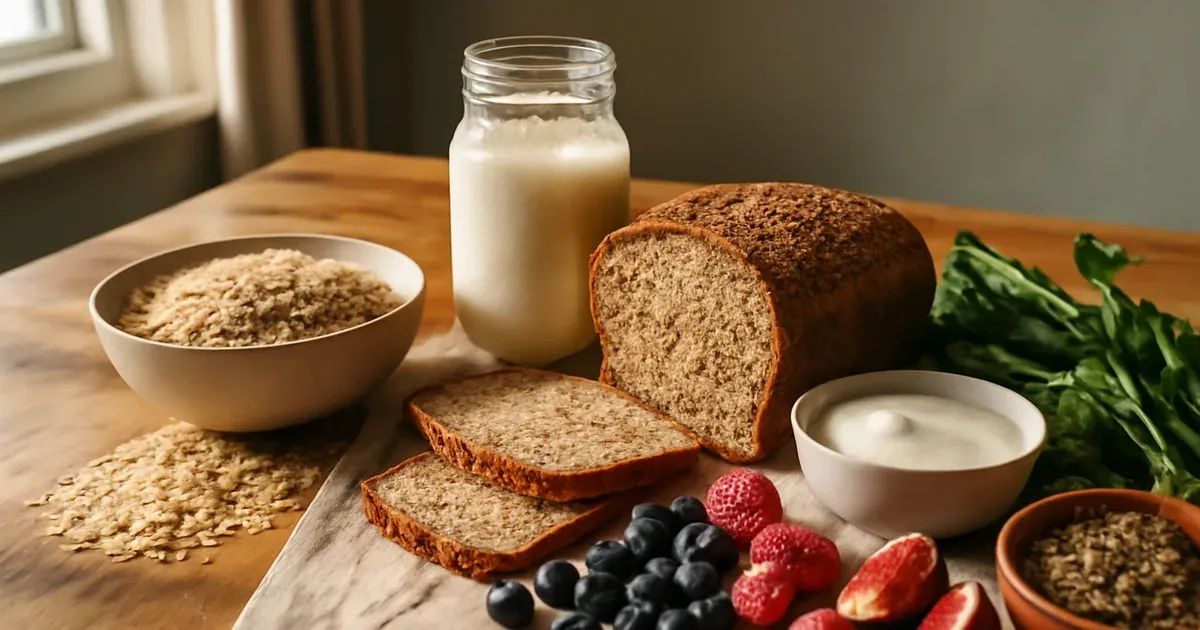
Bloating after dinner. Heartburn that keeps you awake. That sluggish, uncomfortable feeling that has become so familiar you have almost stopped noticing it. Millions of people in the UK live with digestive complaints that quietly erode their quality of life — and the food on their plate is often the cause. Your gut is not just a digestive organ: it is the control centre of your immune system, your mood, and your long-term health. Getting your diet right is one of the most powerful steps you can take.
Research from the British Gut Project and King's College London has shown that the diversity of your gut microbiome — the trillions of bacteria, fungi, and viruses living in your digestive tract — is directly shaped by what you eat. Poor dietary choices do not just cause short-term discomfort; they can reduce microbial diversity, weaken the gut lining, and disrupt the gut-brain connection that influences everything from anxiety to appetite.
1. Not Eating Enough Fibre Starves Your Gut Microbiome
Most people in the UK fall well short of the recommended 30g of fibre per day — and the consequences go far deeper than constipation. Dietary fibre is the primary fuel source for the beneficial bacteria in your colon. When those bacteria ferment fibre, they produce short-chain fatty acids (SCFAs) like butyrate, which nourish the gut lining, reduce inflammation, and support the gut-brain axis by signalling the vagus nerve.
Without sufficient fibre, beneficial strains such as Bifidobacterium and Lactobacillus decline, allowing less helpful microbes to dominate. The NHS recommends building fibre intake gradually to avoid bloating — start by swapping white bread for wholemeal, adding a portion of beans to your evening meal, or choosing oats for breakfast.
Actionable takeaway: Aim for fibre from a variety of sources — wholemeal bread, brown rice, fruit, vegetables, beans, and oats — to feed different microbial communities rather than just one.
2. Fatty Fried Foods Overload Your Digestive System
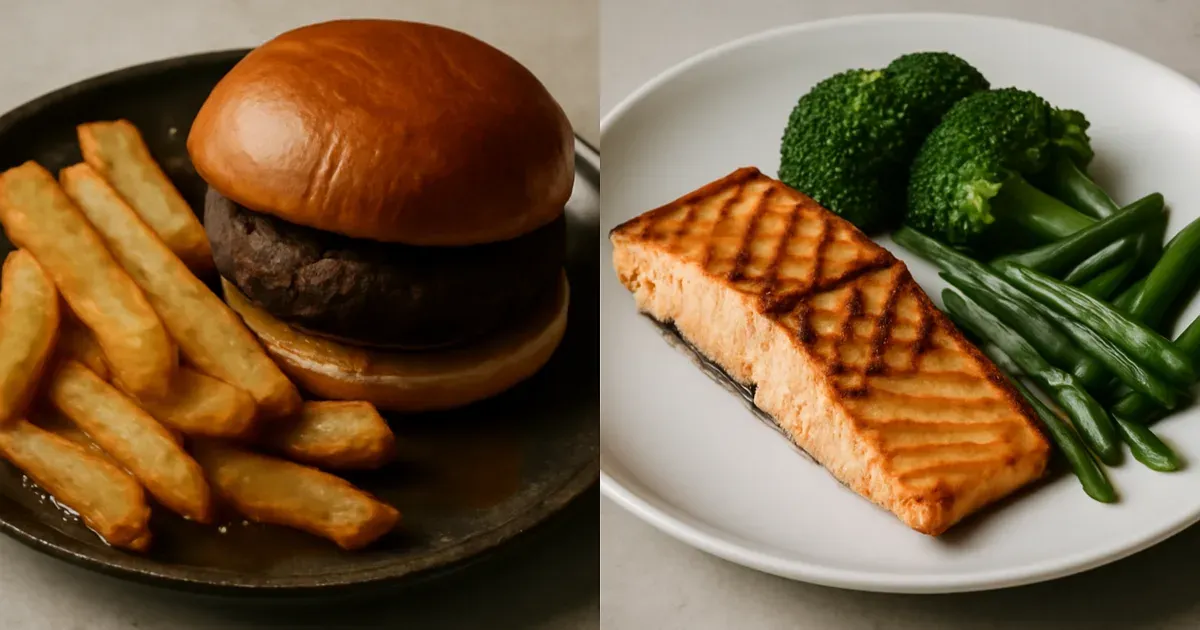
Chips, burgers, and fried foods are among the hardest items for your digestive system to process. High-fat meals slow gastric emptying, meaning food sits in the stomach longer and increases the likelihood of acid reflux and heartburn. Beyond the immediate discomfort, a diet consistently high in saturated fat has been linked in UK Biobank data to lower gut microbiome diversity.
Fat itself is not the enemy — the type and preparation method matter enormously. Grilling lean meat, choosing fish rich in omega-3s, and switching to skimmed or semi-skimmed milk all reduce the digestive burden without sacrificing nutrition.
Actionable takeaway: Try grilling or baking rather than frying at least four nights a week. Your gut microbiome will respond to the reduction in saturated fat within a matter of weeks.
3. Caffeine and Fizzy Drinks Trigger Acid and Bloating
Coffee, colas, and even standard tea can boost stomach acid production, leading to heartburn, particularly in people who are already prone to reflux. Fizzy drinks introduce carbon dioxide gas into the digestive tract, causing bloating and distension that can worsen symptoms of IBS — one of the most common gut conditions in the UK, affecting roughly one in five people.
The gut-brain connection plays a role here too: caffeine stimulates the central nervous system and can heighten visceral sensitivity, meaning the gut literally feels pain more acutely when you are stressed or anxious. Herbal teas, still water, and diluted fruit juice are far gentler alternatives.
Actionable takeaway: Limit caffeinated drinks to one or two cups daily. Replace afternoon coffee with peppermint or fennel tea — both have evidence supporting their role in easing IBS symptoms.
4. Spicy and Acidic Foods Can Inflame a Sensitive Gut
Spicy food is not universally harmful — but for those with an already sensitive digestive system, it can tip the balance. Compounds like capsaicin in chillies activate pain receptors in the gut lining, accelerating gut transit and triggering cramping or diarrhoea. Milder but pungent foods like garlic and onion (both high in fructans) are common IBS triggers flagged by dietitians at the British Dietetic Association.
Acidic foods — tomatoes, citrus fruits, vinegar-based salad dressings, and fizzy drinks — can erode the lower oesophageal sphincter over time, worsening acid reflux. If you already have heartburn or IBS, the NHS advises avoiding these triggers entirely rather than moderating them.
Actionable takeaway: Keep a food and symptom diary for two weeks. Identifying your personal triggers is more effective than following a one-size-fits-all exclusion list.
Quick stat: According to NHS data, around 40% of people in the UK experience at least one digestive symptom — such as bloating, constipation, or heartburn — at any given time. Diet is the single most modifiable factor.
5. Ignoring Lactose Intolerance Disrupts Your Microbiome Balance
Lactose intolerance affects a significant minority of adults in the UK, and many do not realise they have it. When the enzyme lactase is absent or insufficient, undigested lactose passes into the large intestine where it ferments — producing wind, bloating, and diarrhoea. More importantly for microbiome UK research, this uncontrolled fermentation can shift the balance of gut bacteria in ways that promote inflammation.
The solution is not necessarily to eliminate all dairy. Hard cheeses and live yoghurt contain very little lactose and can be well tolerated. In fact, the NHS guidance on good foods for digestion specifically highlights live yoghurt as a valuable source of probiotics — the friendly bacteria that actively support a healthy gut microbiome.
Actionable takeaway: If you suspect lactose intolerance, try a two-week dairy elimination followed by gradual reintroduction of hard cheeses and yoghurt before seeking a formal diagnosis via your GP.
6. Skipping Probiotics Leaves Friendly Bacteria Depleted
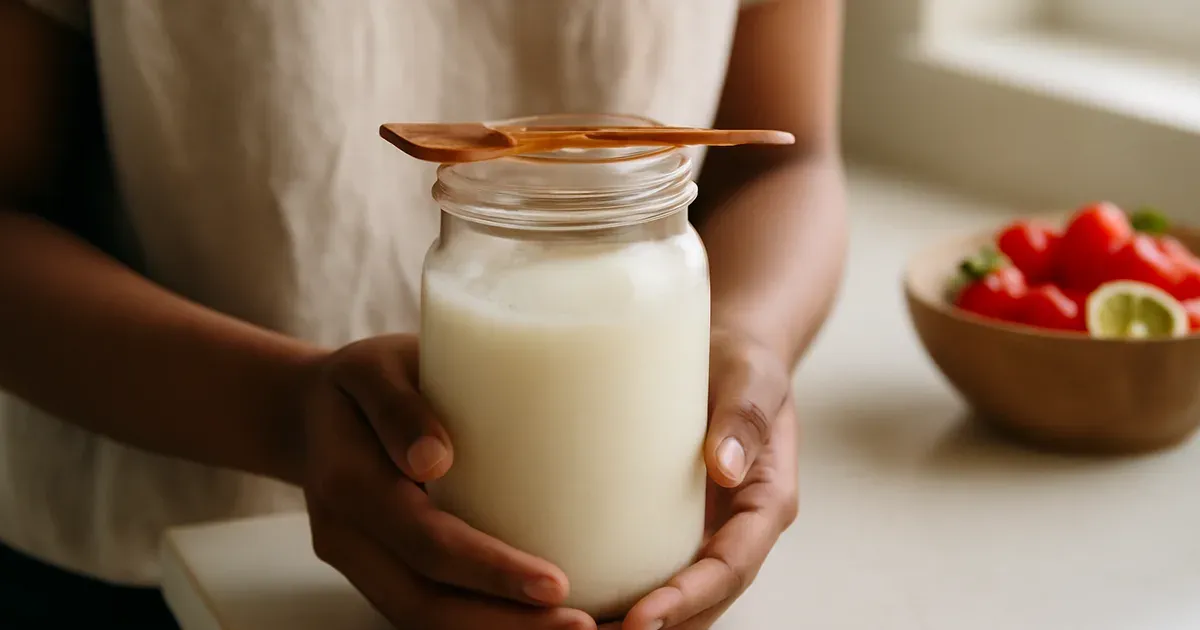
Your gut is home to roughly 100 trillion microorganisms, and maintaining a healthy population of beneficial bacteria is central to good digestion, immune function, and mental wellbeing via the gut-brain connection. Probiotics — live bacteria found in fermented foods and supplements — can help restore microbial balance, particularly after antibiotic use, illness, or a period of poor diet.
Research from King's College London and the University of Reading has explored how specific probiotic strains support conditions including IBS, anxiety, and even skin health through the gut-skin axis. While the evidence for broad health claims remains mixed, there is consistent support for probiotics helping to reduce IBS symptoms and restore microbiome diversity after disruption. The British Nutrition Foundation advises taking a probiotic daily for at least four weeks to assess whether it is working for you.
Actionable takeaway: Add live yoghurt, kefir, sauerkraut, or kimchi to your diet regularly. If you opt for a supplement, choose one with clearly labelled strains and colony-forming unit (CFU) counts — and consult your GP if you have a compromised immune system.
7. Not Drinking Enough Water Brings Your Whole Gut to a Halt
Hydration is the unsung hero of gut health in the UK — and most people chronically underestimate how much they need. Fibre works by absorbing water and forming a soft, bulky stool that moves easily through the colon. Without adequate fluid, even a high-fibre diet can lead to hard, uncomfortable stools and sluggish gut transit.
Beyond digestion, the gut microbiome itself depends on a well-hydrated mucosal lining. A dry gut environment reduces the protective mucus layer that separates your microbes from the gut wall — a key defence against intestinal permeability, sometimes called "leaky gut." Aim for six to eight glasses of water daily, as recommended by the NHS, and increase intake when exercising or during hot weather.
Actionable takeaway: Drink a glass of water with every meal as a simple daily habit. Herbal teas count toward your fluid intake — try ginger or chamomile, which also have mild anti-inflammatory properties.
Improving your gut health does not require an expensive overhaul. Small, consistent changes — more fibre, fewer fried foods, better hydration, and the addition of fermented foods — can meaningfully shift the composition of your microbiome within weeks. The science of the gut-brain connection makes one thing clear: what you eat does not just affect your stomach; it shapes your mood, your immunity, and your long-term wellbeing.
Start with one change this week. Your gut — and your brain — will thank you.
You might also like
- How to Support Gut-Brain Health in 6 Steps
- Gut Health & Lifestyle Medicine: Your Questions Answered
- 7 Gut Health Mistakes Silently Harming Your Microbiome
Frequently Asked Questions
What are the best foods to improve gut health naturally in the UK?
The best foods for gut health combine high-fibre options (wholemeal bread, oats, legumes, fruit and vegetables) with fermented foods rich in live cultures (live yoghurt, kefir, sauerkraut, kimchi). The UK Eatwell Guide recommends a varied, plant-heavy diet as the foundation — diversity of plant foods is the single strongest predictor of a healthy gut microbiome.
How does the gut-brain connection affect digestion?
The gut and brain communicate constantly via the vagus nerve, the enteric nervous system (sometimes called the "second brain"), and chemical messengers including serotonin — around 90% of which is produced in the gut. Stress and anxiety can worsen IBS symptoms, while poor gut health has been linked to low mood and cognitive fog. Supporting your microbiome through diet can positively influence both gut and mental health.
Is IBS caused by diet?
IBS (irritable bowel syndrome) is not caused by diet alone, but dietary choices are the most powerful tool for managing it. Common dietary triggers include high-FODMAP foods (wheat, onions, garlic, certain fruits), caffeine, alcohol, and high-fat meals. The British Dietetic Association supports the low-FODMAP diet, delivered under the supervision of a registered dietitian, as the most evidence-based dietary approach for IBS in the UK.
How quickly can you improve your gut microbiome?
Research suggests that the gut microbiome can begin to respond to dietary changes within 24 to 72 hours. Sustained improvements in microbial diversity typically require several weeks of consistent dietary change. UK microbiome research from King's College London (via the British Gut Project and ZOE study) confirms that long-term dietary patterns — rather than short-term cleanses — are what determine microbiome health.
Should I take probiotic supplements for gut health?
Probiotics can be beneficial, particularly for IBS, post-antibiotic recovery, and restoring microbiome diversity. However, the NHS advises caution for those with weakened immune systems or serious underlying health conditions, who should consult a GP before taking supplements. For most healthy adults, getting probiotics through food (live yoghurt, kefir, fermented vegetables) is a safe and effective starting point.
96 Bacterial Strains. Two Shots a Day.
GOODIE is an award-winning fermented drink with 96 live bacterial strains — more than any yogurt or kombucha — never pasteurised, clinically tested, and 8 in 10 users felt less bloating within 14 days. Curious?