5 Gut Health Habits Beyond Yoghurt to Beat Bloating
Research-backed habits beyond yoghurt can improve gut health and cut bloating, with over 70% of the immune system residing in the gut.

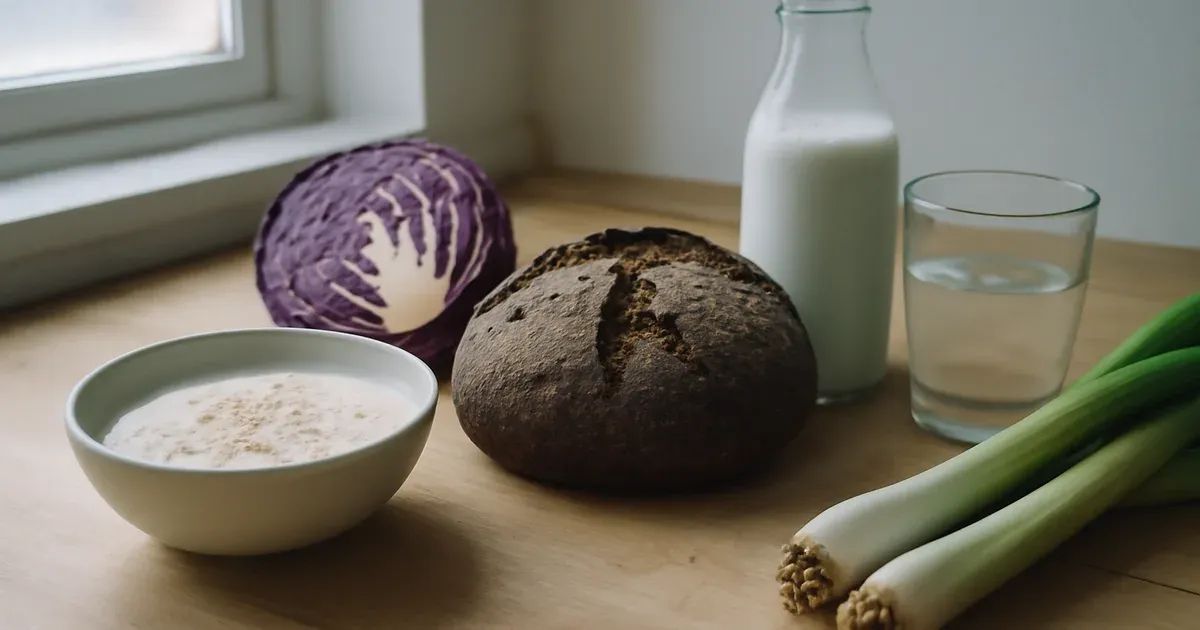
A new report from Vogue India, published on 2 May 2026, highlights five small daily habits — beyond eating yoghurt — that researchers and nutrition experts say can meaningfully improve gut health and reduce recurrent bloating. The piece draws on emerging microbiome science and the viral story of supercentenarian Maria Branyas Morera, whose longevity was partly linked to her diet. More than 70% of the immune system resides in the gut, according to the source, underscoring why gut health in the UK and globally has become a leading public health concern.
Why This Matters for UK Gut Health Research
Interest in microbiome UK research has surged in recent years, with institutions including King's College London and the University of Reading publishing landmark studies on how gut bacteria influence immunity, mood, and metabolic health. The British Gut Project, one of the largest citizen science microbiome initiatives in the world, has similarly demonstrated the extraordinary diversity of gut bacteria across the UK population. Per the Vogue India report, the renewed attention on Branyas Morera's diet — specifically her daily consumption of yoghurt from the La Fageda cooperative — has reignited public debate about which habits genuinely move the needle on gut health.
What the Source Identifies as Key Gut Habits
According to the Vogue India article, the five habits highlighted go well beyond fermented dairy. The report points to the gut-brain connection as a central reason why stress management, sleep quality, and dietary fibre intake all play roles in digestive wellbeing — not just probiotic foods. The source implies that diversifying plant-based foods, managing psychological stress, staying well hydrated, limiting ultra-processed foods, and incorporating regular physical movement are among the evidence-backed strategies experts recommend. The NHS and the British Dietetic Association (BDA) have similarly championed fibre diversity and reduced ultra-processed food consumption as cornerstones of a gut-friendly British diet.
What This Means for Health-Conscious Adults in the UK
For adults in the UK seeking to improve gut health naturally, the report's framing is a useful reminder that no single food — however well-studied — is a silver bullet. The gut-brain axis means that lifestyle factors such as sleep and stress are as relevant as diet. The UK Eatwell Guide already recommends at least 30g of fibre daily, yet average British intake remains well below this target, according to NHS data, suggesting significant room for improvement through accessible dietary changes.
The convergence of microbiome science, public interest in longevity, and the gut-brain connection continues to shape how UK health guidance is communicated to the public. According to the Vogue India source, small, consistent habits — rather than dramatic dietary overhauls — represent the most sustainable path to better digestive health and reduced bloating for most people.
You might also like
- Coffee Reshapes Gut Bacteria and Brain Function
- Coffee Boosts Gut and Brain Health, Even Decaf
- Gut Health & Lifestyle Medicine: Your Questions Answered
96 Bacterial Strains. Two Shots a Day.
GOODIE is an award-winning fermented drink with 96 live bacterial strains — more than any yogurt or kombucha — never pasteurised, clinically tested, and 8 in 10 users felt less bloating within 14 days. Curious?