Gut Health & Lifestyle Medicine: The UK Guide
Discover how lifestyle medicine's six pillars improve gut health in the UK — backed by microbiome science and NHS-aligned guidance.


Your gut is doing far more than digesting your lunch. From regulating your immune system to influencing your mood, the trillions of microbes living in your gastrointestinal tract shape your health in ways that science is only beginning to fully map. For health-conscious adults in the UK, understanding the connection between lifestyle choices and gut health may be one of the most powerful tools available — not just for digestive comfort, but for long-term prevention of chronic disease.
This guide brings together two rapidly converging fields: lifestyle medicine (LM) and microbiome science. Whether you're trying to improve gut health naturally, understand the gut-brain connection, or simply make sense of the latest UK microbiome research, you'll find evidence-based, actionable guidance here.
What Is Lifestyle Medicine — and Why Does It Matter for Gut Health in the UK?
Lifestyle medicine is a clinical approach that uses evidence-based behavioural changes — rather than pharmaceuticals alone — as the primary means of preventing and treating chronic conditions such as heart disease, type 2 diabetes, and obesity. Although the term may sound modern, its roots trace back to Hippocrates, who advised physicians to consider diet, exercise, sleep, and alcohol consumption alongside the disease itself.
In the UK, chronic disease represents an enormous burden. NHS data consistently show that conditions such as cardiovascular disease, type 2 diabetes, and certain cancers — many of which are strongly linked to lifestyle — account for a large proportion of GP appointments, hospital admissions, and NHS spending. Lifestyle medicine offers a way to shift that trajectory.
The field rests on six evidence-based pillars:
- A whole-food, plant-predominant eating pattern
- Regular physical activity
- Restorative sleep
- Stress management
- Avoidance of risky substances (including tobacco and excess alcohol)
- Positive social connections
What's striking — and what emerging research from institutions including King's College London and the University of Reading now confirms — is that each of these pillars directly influences the composition and function of your gut microbiome.
Understanding Your Gut Microbiome: The Science Behind the Buzz
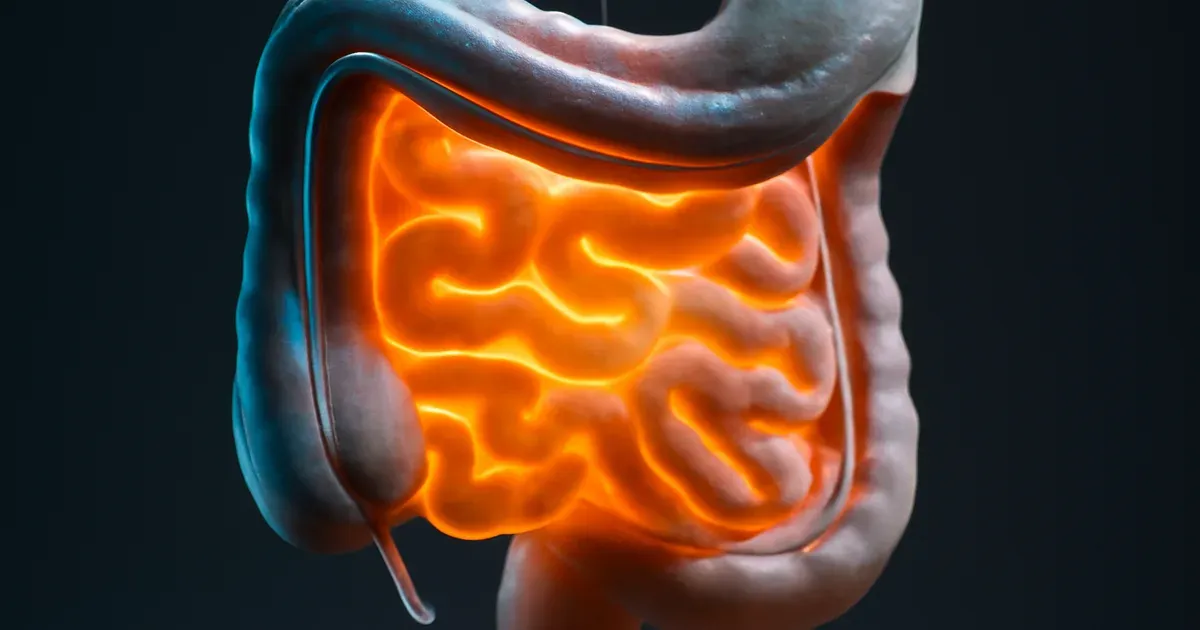
The gut microbiome refers to the vast community of microorganisms — bacteria, archaea, viruses, and fungi — that inhabit your gastrointestinal tract. The large intestine alone harbours the greatest microbial biomass of any organ or surface in the human body, with approximately 100 billion microbial cells per millilitre of intestinal contents.
Research suggests that between 150 and 400 bacterial species reside in a typical human gut, with most belonging to four main phyla: Bacteroidetes, Firmicutes, Actinobacteria, and Proteobacteria. Yet no two people's microbiomes are identical — composition varies significantly between individuals and can shift considerably over a lifetime in response to diet, medication, stress, and environment.
UK microbiome research has been at the forefront of this field. The British Gut Project, led by researchers at King's College London, has generated some of the largest population-level microbiome datasets in the world, helping to identify which lifestyle and dietary factors most strongly predict a diverse, healthy gut community. The UK Biobank, meanwhile, provides researchers with longitudinal health data from half a million UK participants, enabling scientists to explore how gut health relates to outcomes ranging from mental health to metabolic disease.
The Gut-Brain Connection: How Your Microbiome Affects Your Mind
One of the most compelling — and most researched — aspects of microbiome science is the gut-brain connection. This bidirectional communication network links the enteric nervous system of the gut with the central nervous system via the vagus nerve, immune signalling, and a range of microbially produced molecules including short-chain fatty acids (SCFAs), neurotransmitter precursors, and hormones.
When the gut microbiome is in a state of dysbiosis — an imbalance in microbial communities — the consequences can extend well beyond the digestive tract. Chronic inflammation triggered by dysbiosis has been associated with depression, anxiety, and cognitive decline. Conversely, a diverse and balanced microbiome appears to support mental resilience, regulate the stress response, and even influence sleep quality.
This has profound implications for lifestyle medicine. An unhealthy diet, a sedentary lifestyle, chronic stress, emotional conflict, and certain medications can all drive microbial dysbiosis — which in turn activates inflammatory pathways that play a significant role in the development of conditions such as obesity, type 2 diabetes, cardiovascular disease, and mental health disorders. Addressing these lifestyle factors is therefore not only good for your waistline or your blood pressure; it may be essential for your mental wellbeing too.
Researchers at UCL and Imperial College London are actively investigating how gut-microbiome signals influence brain function and behaviour, with studies examining everything from the role of specific bacterial strains in serotonin production to how dietary fibre intake shapes cognitive outcomes across the life course.
How the Six Pillars of Lifestyle Medicine Improve Gut Health Naturally
Each of the six pillars of lifestyle medicine acts as a lever that you can adjust to shift your gut microbiome towards a more beneficial state. Here's how they connect:
1. Whole-food, plant-predominant diet This is arguably the most powerful tool for gut health. Dietary fibre — found in vegetables, legumes, wholegrains, and fruit — is the primary fuel source for beneficial gut bacteria. The UK Eatwell Guide recommends at least 30g of fibre per day, yet surveys consistently show that most UK adults consume only around 18g. Research from the British Gut Project found that people who eat 30 or more different plant foods per week have significantly more diverse microbiomes than those who eat fewer than 10. Diversity of fibre sources matters as much as quantity.
2. Physical activity Exercise independently increases microbial diversity, promotes the production of SCFAs, and reduces gut inflammation — effects that appear to be separate from the impact of diet alone. The NHS currently recommends at least 150 minutes of moderate-intensity activity per week for adults in the UK. Even brisk walking has been shown to positively influence gut bacterial populations.
3. Restorative sleep The gut microbiome follows circadian rhythms that align with your sleep-wake cycle. Poor or disrupted sleep — an increasingly common problem in the UK — alters microbial composition within days, increasing populations of bacteria associated with metabolic dysfunction. Prioritising seven to nine hours of quality sleep each night supports both gut and systemic health.
4. Stress management Chronic psychological stress directly affects gut permeability, motility, and microbial balance through the gut-brain axis. Practices such as mindfulness-based stress reduction (MBSR), yoga, and even regular time outdoors can measurably reduce stress hormones and support a healthier gut environment.
5. Avoidance of risky substances Alcohol, tobacco, and certain medications — particularly antibiotics and long-term proton pump inhibitors (PPIs) — are among the most disruptive forces acting on the gut microbiome. The NHS provides clear guidance on safe alcohol limits (no more than 14 units per week) and antibiotic stewardship. Adhering to these guidelines is a meaningful gut health intervention in its own right.
6. Positive social connections Loneliness and social isolation are associated with systemic inflammation and poorer gut health outcomes. Social wellbeing also buffers against chronic stress — one of the most damaging forces acting on the gut-brain axis. The UK's growing awareness of the loneliness epidemic makes this pillar especially relevant.

The Microbiome as a Modifiable Factor: What UK Research Tells Us
Perhaps the most empowering finding from modern microbiome science is that the gut microbiome is not fixed. While early colonisation — shaped by mode of birth, breastfeeding, antibiotic exposure, and infant diet — lays important foundations, the adult gut microbiome remains highly responsive to the choices we make every day.
A comprehensive review in lifestyle medicine and the microbiome highlights that although the six pillars of lifestyle medicine were not originally designed with the microbiome in mind, each pillar represents a modifiable factor with documented influence on gut microbial communities. The microbiome is therefore a natural extension of the lifestyle medicine framework — a measurable, targetable dimension of holistic health.
In the UK, this research is being translated into clinical practice — albeit gradually. NHS England has supported pilot programmes integrating lifestyle medicine into primary care, and the British Dietetic Association (BDA) has published resources encouraging dietitians to consider gut microbiome health when designing dietary interventions for conditions including irritable bowel syndrome (IBS), inflammatory bowel disease (IBD), and metabolic syndrome.
The British Nutrition Foundation has similarly highlighted increasing evidence linking dietary diversity, fibre intake, and fermented food consumption to a healthier gut microbiome — a message that aligns closely with updated UK dietary guidelines encouraging greater consumption of wholegrains, legumes, and vegetables.
Frequently Asked Questions
What is the gut microbiome and why does it matter for gut health in the UK?
The gut microbiome is the community of trillions of microorganisms — mostly bacteria — living in your gastrointestinal tract. It influences digestion, immunity, mental health, and risk of chronic disease. UK microbiome research, including work from the British Gut Project at King's College London, has helped establish just how profoundly diet and lifestyle shape this community.
How can I improve gut health naturally using lifestyle changes?
The most evidence-backed approach is to eat a wide variety of plant-based whole foods (aiming for 30+ different plants per week), exercise regularly, sleep well, manage stress, avoid excess alcohol and unnecessary antibiotics, and nurture social relationships. These steps align with both NHS guidance and the pillars of lifestyle medicine.
What is the gut-brain connection and how does it affect mental health?
The gut-brain connection is a two-way communication system linking the gut and the brain via the vagus nerve, immune pathways, and microbially produced chemicals. When gut microbiome balance is disrupted — a state called dysbiosis — it can contribute to anxiety, depression, and poor cognitive function. Supporting your gut through diet and lifestyle is therefore also a strategy for mental wellbeing.
Does the NHS offer any support for gut health and lifestyle medicine?
NHS provision in this area is evolving. While dedicated lifestyle medicine clinics are not yet widespread across the NHS, GP practices increasingly offer social prescribing, dietary counselling, and mental health support that draw on lifestyle medicine principles. Charities and organisations such as the BDA and British Nutrition Foundation also provide freely accessible guidance aligned with NHS recommendations.
How quickly can lifestyle changes improve the gut microbiome?
Research shows the gut microbiome can respond to dietary changes within days. However, sustained, meaningful changes in microbial diversity and function typically require consistent lifestyle habits maintained over weeks and months. The good news is that the gut microbiome is highly adaptable — small, consistent improvements to diet, sleep, and stress management can compound into significant long-term benefits.
The bottom line: gut health in the UK is a public health priority, a cutting-edge area of scientific research, and — most importantly — something you have real power to influence. The convergence of lifestyle medicine and microbiome science offers a framework that is both evidence-based and deeply practical. By addressing the same six lifestyle pillars that reduce your risk of heart disease and diabetes, you are simultaneously nurturing the microbial ecosystem that underpins your immune function, your mood, and your long-term resilience.
You might also like
- 7 Gut-Brain Secrets That Could Transform Your Mood
- How to Improve Gut Health Naturally in 5 Steps
- How to Improve Gut Health with Meditation
96 Bacterial Strains. Two Shots a Day.
GOODIE is an award-winning fermented drink with 96 live bacterial strains — more than any yogurt or kombucha — never pasteurised, clinically tested, and 8 in 10 users felt less bloating within 14 days. Curious?