7 Gut Health Secrets Your Immune System Needs
Discover 7 science-backed gut health secrets that shape your immune system — from colonisation resistance to the gut-brain connection. Essential reading for UK

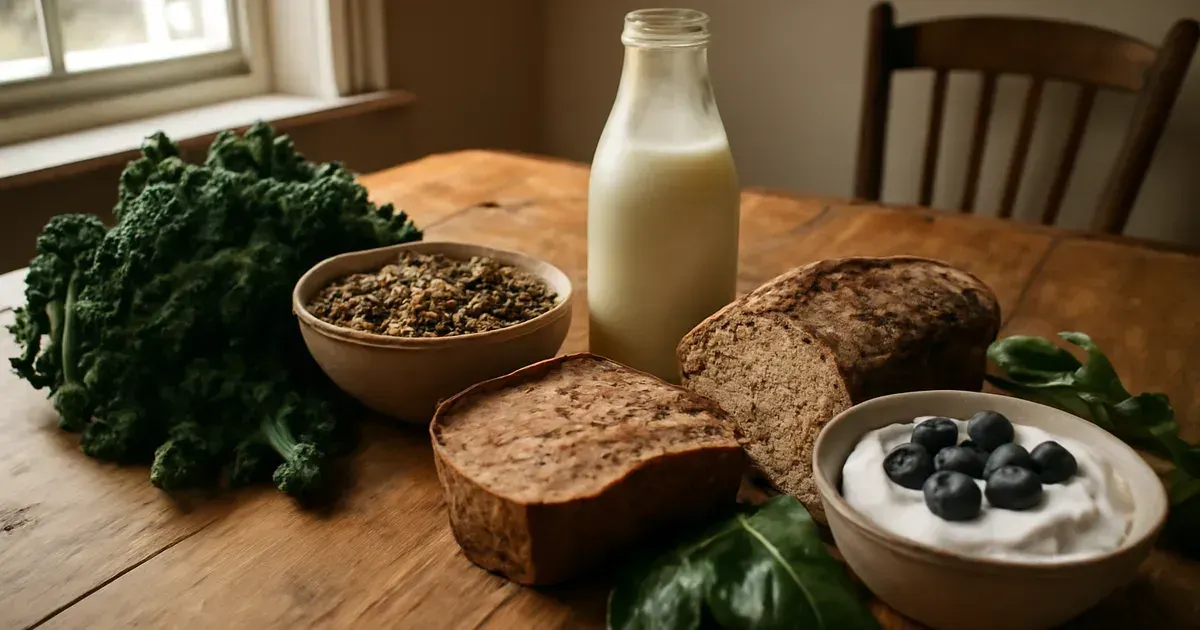
Your body is fighting invisible battles every single day — and most of that war is waged in your gut. Millions of people in the UK experience recurring colds, digestive discomfort, and low energy without realising their gut microbiome may be at the root of it all. The gut-brain connection is only part of the story: the real headline is how your gut controls your entire immune defence.
Here is what the science says — and what you can do about it starting today.
According to a comprehensive review in Nutrients, a remarkable 70–80% of all immune cells in the human body reside in the gut — making it the single most important immune organ you have.
1. Your Gut Houses the Majority of Your Immune System
Most people picture immunity as something happening in their blood or lymph nodes — but the gut is where the real action takes place. Up to 80% of immune cells live within the gastrointestinal tract, sitting at the interface between your body and the outside world. This makes the gut the frontline of your immune defence against pathogens, bacteria, and viruses.
Why does this happen? The gut is constantly exposed to foreign substances — food, microbes, toxins — so it makes evolutionary sense for immune resources to concentrate there. In the UK, where upper respiratory tract infections are among the most common reasons people visit their GP, supporting gut immunity could reduce that burden significantly.
Actionable takeaway: Prioritise gut health as immune health. They are not separate systems — they are one.
2. Colonisation Resistance Is Your Hidden Gut Shield
Deep inside your gut, trillions of beneficial microbes are actively blocking harmful pathogens from taking hold — a process scientists call colonisation resistance. Commensal bacteria compete with invading organisms for nutrients and physical space along the intestinal lining, effectively crowding out potential threats before they can cause infection.
This competition is remarkably sophisticated. Bacteria use chemical signalling — known as quorum sensing — to monitor population density and adjust their behaviour accordingly. When this system is disrupted, such as after a course of antibiotics, opportunistic pathogens can exploit the gap and establish themselves rapidly.
Actionable takeaway: If you have recently taken antibiotics, focus on rebuilding your microbiome with fermented foods and prebiotic fibre to restore colonisation resistance.
3. A Damaged Gut Barrier Lets Pathogens Straight Through
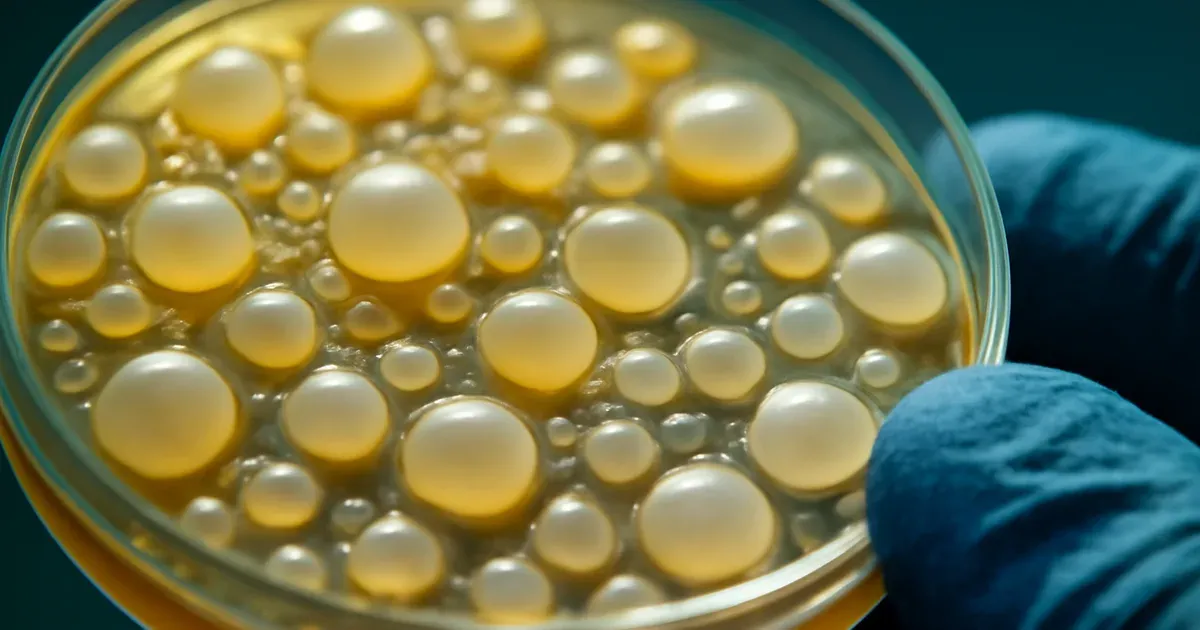
The gut epithelial barrier is a single layer of cells standing between you and systemic infection — and it is more fragile than most people realise. These cells are held together by tight-junction protein complexes that form a near-impermeable seal. Certain bacteria and their toxins can disrupt these junctions, increasing intestinal permeability — what many researchers refer to as "leaky gut."
When tight junctions fail, bacterial fragments and toxins can pass into the bloodstream, triggering low-grade systemic inflammation. UK researchers at King's College London and the University of Reading have highlighted how diet and microbiome composition both directly influence barrier integrity over time.
Actionable takeaway: Reduce ultra-processed foods in your diet, as these are consistently associated with compromised barrier function and altered microbiome diversity in the UK population.
4. Mucus Is Not Just Slime — It Is an Immune Weapon
The thick layer of mucus lining your gut wall is one of your body's most underappreciated defences. It physically prevents luminal microbes from directly contacting epithelial cells, and it acts as a reservoir for powerful antimicrobial molecules including secretory IgA antibodies and defensins. These proteins neutralise pathogens before they ever reach gut tissue.
Mucus production is not static — it is regulated by a constant dialogue between your gut microbes and your immune system. Changes in microbiota composition, often driven by poor diet or stress, can reduce mucus thickness and antimicrobial potency, leaving you more vulnerable to infection. The gut-brain connection matters here too: chronic psychological stress measurably affects mucus dynamics via the gut-brain axis.
Actionable takeaway: Eat a diverse, fibre-rich diet aligned with the UK Eatwell Guide to support the microbial signals that maintain healthy mucus production.
Did you know? Infectious diarrhoeal disease remains one of the leading causes of death in children under five globally, according to the Global Burden of Diseases Study. In the UK, gut health research from institutions such as the British Gut Project and King's College London is helping to map how microbiome diversity could reduce this risk closer to home and abroad.

5. The Gut-Brain Connection Shapes How You Fight Infection
Your gut and brain are in constant two-way communication via the vagus nerve, immune signalling molecules, and microbially produced metabolites — a network collectively known as the gut-brain axis. This connection means that mental wellbeing and gut health are inseparable. Chronic stress activates the hypothalamic-pituitary-adrenal (HPA) axis, flooding the gut with cortisol that disrupts microbiome balance and reduces colonisation resistance.
Researchers at UCL and Imperial College London have contributed to growing evidence that the gut-brain connection influences not just mood and cognition, but also systemic immune responses. Anxiety and depression are now understood to correlate with reduced gut microbial diversity — which in turn impairs the immune system's ability to respond to pathogens effectively.
Actionable takeaway: Incorporate stress-management practices — mindfulness, regular physical activity, adequate sleep — as part of any plan to improve gut health naturally. These are not optional extras; they are core immune strategies.
If you are exploring ways to support the gut-brain axis, our deep-dive guides on the microbiome UK research landscape can help you build a personalised approach.
6. Nutrition Directly Reprogrammes Your Microbiome's Immune Output
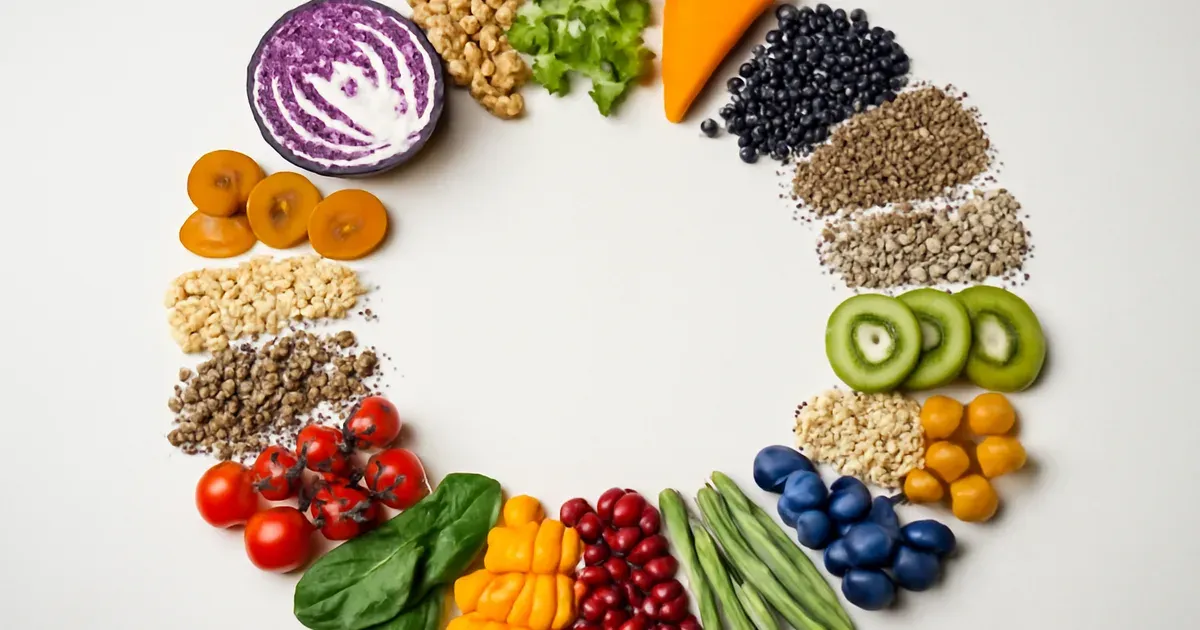
What you eat is the single most modifiable factor affecting your gut microbiome composition — and by extension, your immune competence. Dietary fibre from plants feeds beneficial bacteria that produce short-chain fatty acids (SCFAs) such as butyrate. Butyrate directly fuels colonocytes (the cells lining the colon), reinforces tight junctions, and modulates local and systemic immune responses.
The British Dietetic Association (BDA) and British Nutrition Foundation both emphasise dietary diversity as central to microbiome health. Research from the University of Nottingham and Imperial College London has shown that individuals eating 30 or more different plant foods per week harbour significantly more diverse microbiomes than those eating fewer than 10 — with knock-on benefits for immune resilience. In the UK, average fibre intake sits well below the NHS-recommended 30g per day, representing a significant missed opportunity for public health.
Actionable takeaway: Aim for 30 different plant foods weekly — vegetables, fruits, wholegrains, legumes, nuts, and seeds. Track variety, not just quantity, to improve gut health naturally.
For practical meal-planning tools built around UK Eatwell Guide principles and microbiome UK research, explore our nutrition resources.
7. Antibiotics Destroy Gut Immunity — Here Is How to Recover
Antibiotics are life-saving medicines, but they cause significant collateral damage to the gut microbiome — and that damage has direct immune consequences. A single course of broad-spectrum antibiotics can reduce gut microbial diversity by up to 30%, with some species taking months or even years to recover. This creates the colonisation resistance gap that allows opportunistic pathogens — including Clostridioides difficile — to establish potentially serious infections.
The NHS increasingly recognises antimicrobial stewardship as a public health priority in the UK, and the gut microbiome is central to understanding why antibiotic overuse is dangerous beyond just resistance. Post-antibiotic microbiome restoration is an active area of NHS gut health research, with interest growing in targeted probiotic and prebiotic interventions.
Actionable takeaway: After any course of antibiotics, discuss microbiome recovery strategies with your GP or a registered dietitian. Introduce fermented foods such as live yoghurt, kefir, and sauerkraut, alongside high-fibre prebiotic foods, to support microbial regrowth.
Our microbiome UK recovery guides explore the evidence behind post-antibiotic gut support in detail.
The Bottom Line
Your gut is not just a digestive organ — it is an immune command centre, a hormonal relay station, and the physical home of the gut-brain connection. From colonisation resistance to mucus defences, from dietary fibre to stress management, every choice you make either fortifies or undermines this system. In the UK, NHS gut health awareness is growing — but the science is already clear. Supporting your microbiome is one of the most evidence-based things you can do for your long-term health.
Start with one change this week. Add a new plant food, reduce ultra-processed snacks, or take a 20-minute walk to lower stress. Small, consistent actions compound into a measurably healthier gut — and a stronger immune system.
You might also like
- How to Improve Gut Health Naturally in 6 Steps
- Body Types & Gut Health: Your Questions Answered
- UK Diet Gaps Linked to Poor Gut Health
Frequently Asked Questions
How does gut health affect the immune system in the UK population?
Because 70–80% of immune cells reside in the gut, the composition of your microbiome directly shapes how effectively your body responds to infections, inflammation, and pathogens. Poor dietary habits — common in the UK, where average fibre intake is below NHS recommendations — are among the leading causes of compromised gut immunity.
What is the gut-brain connection and why does it matter for immunity?
The gut-brain connection refers to the bidirectional communication network linking the gut and brain via the vagus nerve, immune molecules, and microbial metabolites. Chronic stress disrupts microbiome balance through this axis, which in turn reduces colonisation resistance and impairs the body's ability to fight infection.
How can I improve gut health naturally in the UK?
The most evidence-based strategies include eating 30 or more different plant foods per week, reducing ultra-processed food intake, managing chronic stress, getting adequate sleep, staying physically active, and avoiding unnecessary antibiotics. These align with UK Eatwell Guide principles and BDA dietary guidance.
Are probiotics and fermented foods supported by NHS gut health guidance?
The NHS acknowledges that fermented foods such as live yoghurt and kefir contain beneficial bacteria, though it notes evidence for specific health claims continues to develop. UK microbiome research, particularly from institutions like King's College London and the British Gut Project, supports regular consumption of fermented foods as part of a diverse diet.
What are short-chain fatty acids and why are they important for gut immunity?
Short-chain fatty acids (SCFAs), particularly butyrate, are produced when gut bacteria ferment dietary fibre. Butyrate fuels the cells lining the colon, strengthens tight junctions in the gut barrier, and regulates both local and systemic immune responses — making adequate fibre intake a cornerstone of gut health UK strategies.
96 Bacterial Strains. Two Shots a Day.
GOODIE is an award-winning fermented drink with 96 live bacterial strains — more than any yogurt or kombucha — never pasteurised, clinically tested, and 8 in 10 users felt less bloating within 14 days. Curious?